
Navigating the intricate landscape of real estate in Texas involves understanding zoning regulations and property classifications. A common question that arises, particularly for entrepreneurs or those seeking unique living arrangements, is whether commercial property can be legally utilized for residential purposes within the Lone Star State. The answer, as with many legal and regulatory matters, is nuanced and depends heavily on specific circumstances, local ordinances, and the nature of the commercial property itself.
While the primary intent of commercial zoning is to facilitate business operations, certain exceptions and creative solutions can allow for residential use, often through a process of rezoning, special permits, or specific types of mixed-use developments. It’s crucial to approach this possibility with thorough research and professional guidance to avoid legal pitfalls.

Understanding Zoning Laws in Texas
Zoning laws are the bedrock of urban and rural planning, dictating how land can be used within a municipality or county. These regulations are designed to promote orderly development, protect public health and safety, and preserve property values. In Texas, zoning ordinances are enacted by local governments, such as cities and counties, and they establish distinct districts, including residential, commercial, industrial, agricultural, and mixed-use zones.
Commercial Zoning Categories
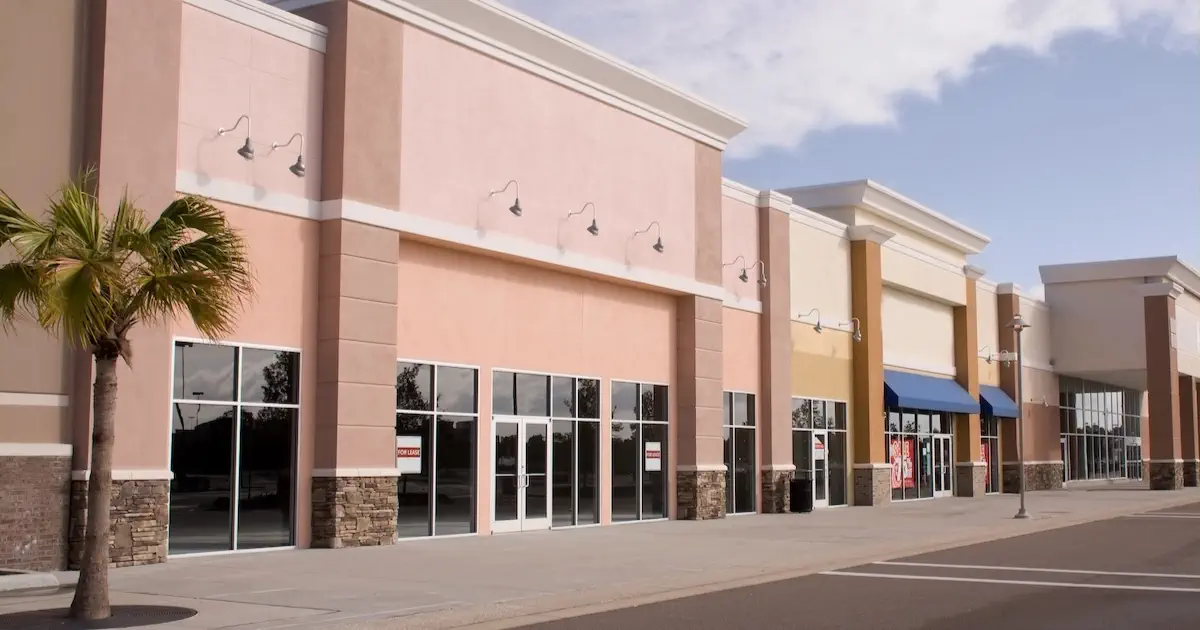
Commercial zoning encompasses a broad range of property types intended for business activities. These can include:
- Retail Spaces: Shops, boutiques, restaurants, and storefronts typically found in shopping centers or along main streets.
- Office Buildings: Structures housing administrative, professional, and service-oriented businesses.
- Industrial Properties: Warehouses, manufacturing plants, and distribution centers.
- Hospitality Venues: Hotels, motels, and bed and breakfast establishments, though these often have their own specific classifications.
- Entertainment and Recreational Facilities: Theaters, bowling alleys, and sports complexes.
The defining characteristic of commercial property is its designation for public access and commercial transactions, distinguishing it from private residential dwellings.
Residential Zoning Categories
Residential zoning, conversely, is dedicated to providing living spaces. This typically includes:
- Single-Family Dwellings: Detached homes on individual lots.
- Multi-Family Dwellings: Duplexes, townhouses, apartments, and condominiums.
- Manufactured Home Parks: Designated areas for mobile homes.
The core difference lies in the intended occupancy and use: commercial properties are for business, while residential properties are for dwelling.
The Challenge of Dual Use
The fundamental challenge in renting commercial property as residential in Texas stems from these distinct zoning designations. Most commercial zones explicitly prohibit or severely restrict residential occupancy. This prohibition is not arbitrary; it’s rooted in concerns about:
- Public Safety and Fire Codes: Commercial buildings may not meet residential building codes related to fire exits, sprinklers, and dwelling unit separation.
- Health and Sanitation Standards: Residential occupancy introduces specific requirements for plumbing, waste disposal, and ventilation that commercial structures may lack.
- Infrastructure Load: Residential use can place different demands on utilities like water, sewer, and electricity than typical commercial operations.
- Neighborhood Character and Land Use Compatibility: Allowing residences in commercial zones could disrupt the intended function and atmosphere of a business district, potentially leading to conflicts between residents and businesses.
- Property Taxation: Commercial and residential properties are often taxed at different rates.
Therefore, attempting to live in a property zoned strictly for commercial use without proper authorization is generally illegal and can lead to citations, fines, and orders to vacate.
Pathways to Residential Use of Commercial Property
Despite the general restrictions, there are legitimate avenues through which commercial spaces can be adapted for residential living in Texas. These typically involve a formal process of approval from local authorities.
Rezoning
The most direct, albeit often complex, method is to petition the local zoning board or planning commission for a rezoning of the property. This involves submitting an application to change the property’s zoning classification from commercial to a residential category or a mixed-use category that permits residential dwelling.
The Rezoning Process
- Application: A formal application is submitted to the local planning department, often requiring detailed site plans, architectural drawings, and a justification for the requested change.
- Public Hearings: The proposal is typically reviewed by the planning commission and then presented at public hearings before the city council or county commissioners.
- Community Input: Neighbors and other stakeholders have an opportunity to voice their support or opposition.
- Decision: The governing body makes a decision based on factors like compatibility with surrounding land uses, impact on infrastructure, and adherence to the city’s or county’s master plan.
- Conditions and Stipulations: If approved, rezoning may come with specific conditions or stipulations, such as limitations on the number of units, architectural requirements, or landscaping mandates.
Rezoning can be a lengthy and uncertain process, and approval is not guaranteed. It is often more feasible for areas designated for future growth or in transitional zones between commercial and residential neighborhoods.
Special Use Permits (SUPs) or Conditional Use Permits (CUPs)
In some jurisdictions, a Special Use Permit (SUP) or Conditional Use Permit (CUP) may be granted to allow for a specific use that is not inherently permitted in a zoning district but could be compatible under certain conditions. This is often a more flexible approach than full rezoning.

Applying for an SUP/CUP
- The applicant seeks permission to use the commercial property for residential purposes as a special case.
- The local planning authority will review the request, considering factors such as the property’s location, the proposed residential design, and the potential impact on the surrounding area.
- Approval often involves adherence to specific conditions designed to mitigate any negative effects, such as noise abatement, parking requirements, or limitations on occupancy.
- For example, a loft apartment in a former warehouse in a downtown commercial district might be approved through an SUP if it doesn’t negatively impact neighboring businesses and meets safety standards.
Mixed-Use Developments
Many cities are increasingly encouraging mixed-use developments, which intentionally combine residential, commercial, and sometimes office or entertainment uses within a single building or a coordinated development. If a commercial property is located within a designated mixed-use zone, or if a new development is approved as mixed-use, incorporating residential units becomes a more straightforward possibility.
Characteristics of Mixed-Use Zones
- Integrated Design: Buildings are designed to accommodate multiple uses harmoniously.
- Synergy: The presence of residences can support local businesses by providing a customer base, while commercial amenities can enhance the living experience for residents.
- Urban Revitalization: Mixed-use zoning is often used as a tool for urban revitalization, bringing life back to downtown areas or underutilized commercial corridors.
If a commercial building is situated in a district zoned for mixed-use, or if the owner successfully petitions to have their property rezoned for mixed-use, they might be able to incorporate residential units, subject to specific development codes.
“Live-Work” Spaces
A specific type of mixed-use arrangement is the “live-work” unit. These are designed to allow individuals to operate a small business or profession from their home. While technically a form of residential use, it is often permitted in commercial or mixed-use zones where the business activity is low-impact and compatible with residential living.
Defining Live-Work
- Limited Commercial Activity: The business operations are typically confined to a specific portion of the property and do not involve significant customer traffic, noise, or emissions. Examples include artists’ studios, home offices, or small craft businesses.
- Integration of Functions: The design often integrates living and working areas seamlessly.
- Zoning Approval: Live-work arrangements usually require specific zoning allowances or SUPs, as they bridge the gap between purely commercial and purely residential use.
Practical Considerations and Due Diligence
For individuals or entities considering renting commercial property for residential purposes in Texas, rigorous due diligence is paramount.
Research Local Ordinances
The first and most critical step is to thoroughly research the specific zoning ordinances for the property’s location. This information is typically available through the local city or county planning department’s website or by visiting their offices. Understanding the current zoning classification and any restrictions on use is essential.
Consult with Professionals
- Real Estate Attorneys: An attorney specializing in Texas real estate and land use law can provide invaluable guidance on zoning regulations, permit processes, and potential legal challenges.
- Zoning Consultants or Planners: Professionals with expertise in zoning and land use can assist in navigating the application processes for rezoning or SUPs, preparing necessary documentation, and representing the applicant before planning boards.
- Architects and Engineers: If modifications to the property are required to meet residential building codes or to create habitable living spaces, experienced architects and engineers are necessary. They can assess the feasibility of renovations and ensure compliance with structural, fire, and health safety standards.
Property Modifications and Code Compliance
Even if zoning approval is obtained, commercial properties often require significant modifications to be safe and habitable as residences. These can include:
- Fire Safety: Installation of fire-rated doors, smoke detectors, sprinkler systems, and additional egress points.
- Plumbing and Electrical: Upgrading or installing new plumbing for kitchens and bathrooms, and ensuring electrical systems can handle residential loads.
- Insulation and HVAC: Adding insulation for energy efficiency and installing appropriate heating, ventilation, and air conditioning systems.
- Soundproofing: Mitigating noise transmission between units or from any remaining commercial activities.
- Kitchen and Bathroom Facilities: Ensuring proper installation and functionality of kitchens and bathrooms.
These modifications can be substantial and costly, adding to the overall investment required.
Tenant and Landlord Responsibilities
If a commercial property is successfully converted for residential use, it’s crucial for both landlords and tenants to understand their respective responsibilities. Lease agreements should clearly outline the approved use, as well as responsibilities for maintenance, repairs, and compliance with any conditions imposed by the zoning authorities.
Conclusion
While the direct rental of commercial property as residential in Texas is generally not permissible due to distinct zoning laws, there are established pathways to achieve this goal. Through processes like rezoning, obtaining special use permits, or developing within designated mixed-use zones, it is possible to create habitable living spaces within properties that were originally intended for commercial purposes.
Success hinges on meticulous research into local ordinances, engagement with planning authorities, and often, significant property modifications to ensure compliance with building and safety codes. Consulting with experienced real estate professionals is highly recommended to navigate the complexities of zoning regulations and to ensure a legal and safe transition. The unique allure of living in a converted commercial space, such as a loft in a former industrial building or a live-work studio in a vibrant downtown district, can be realized with careful planning and adherence to the legal framework governing land use in Texas.
LifeOutOfTheBox is a participant in the Amazon Services LLC Associates Program, an affiliate advertising program designed to provide a means for sites to earn advertising fees by advertising and linking to Amazon.com. Amazon, the Amazon logo, AmazonSupply, and the AmazonSupply logo are trademarks of Amazon.com, Inc. or its affiliates. As an Amazon Associate we earn affiliate commissions from qualifying purchases.