
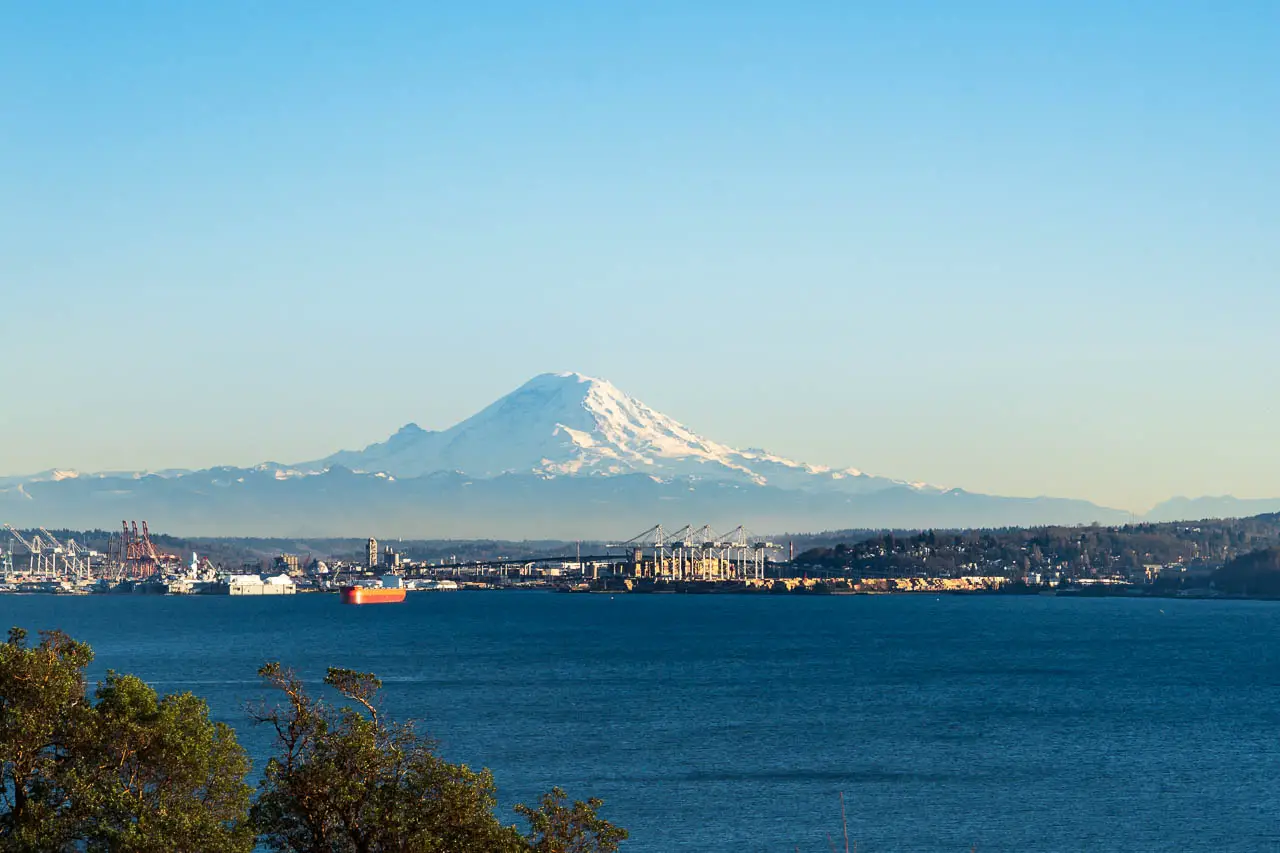
The majestic silhouette of Mount Rainier is an iconic feature of the Pacific Northwest landscape, and for residents and visitors of Seattle, its presence is a constant, breathtaking backdrop. The question of whether this colossal stratovolcano is visible from the Emerald City is not just a matter of geography, but also of a shared experience that ties the urban sprawl to the raw power of nature. The answer is a resounding yes, but the clarity and experience of this view are dependent on a fascinating interplay of atmospheric conditions, vantage points, and even the time of year.

The Science Behind the View
Understanding why Mount Rainier is visible from Seattle involves a basic understanding of atmospheric optics and the sheer scale of the mountain itself. Mount Rainier stands at an impressive 14,411 feet (4,392 meters) above sea level, making it the highest point in the Cascade Range. This considerable elevation gives it a distinct advantage in overcoming the curvature of the Earth and the obstacles present between the mountain and the city.
Atmospheric Clarity
The most crucial factor determining the visibility of Mount Rainier is atmospheric clarity. Seattle experiences a variety of weather patterns, and the presence of haze, fog, or clouds can significantly obscure the view.
- Clear Days: On exceptionally clear days, particularly in the late summer and early fall, the air is often drier and less polluted, offering unparalleled visibility. On such days, Mount Rainier can appear as a sharp, distinct peak, its snow-capped summit gleaming under the sunlight. The distance between the summit of Mount Rainier and the downtown area of Seattle is approximately 50 miles (80 kilometers). This distance, while significant, is well within the range for clear observation of a mountain of this magnitude.
- Marine Layer: Seattle’s coastal location means it is often subject to the marine layer, a phenomenon where cool, moist air from the Pacific Ocean rolls inland. While this can bring beautiful overcast skies and characteristic PNW drizzle, it can also shroud the landscape, making distant objects like Mount Rainier disappear from view.
- Seasonal Variations: The likelihood of a clear view often shifts with the seasons. Spring and winter can be notoriously cloudy and wet, while summer and early autumn generally offer the best conditions. The annual Seafair festival, held in late July and early August, often coincides with some of the clearest weather of the year, providing spectacular backdrops for the air shows.
The Mountain’s Prominence
Beyond its height, Mount Rainier’s sheer size and its relatively isolated position contribute to its visibility. Unlike some mountain ranges where peaks can obscure each other, Mount Rainier stands somewhat apart, allowing its entire massif to be appreciated. Its imposing presence on the horizon, even when viewed from many miles away, is a testament to its geological significance.
Prime Viewing Locations in Seattle
While the mountain can theoretically be seen from many points within Seattle, certain locations offer particularly unobstructed and inspiring vistas. These spots have become popular destinations for photographers, tourists, and locals alike seeking that quintessential PNW panorama.
High-Rise Buildings
The modern skyline of Seattle is characterized by a growing number of skyscrapers. Many of these buildings, especially those on the eastern side of downtown and in the South Lake Union neighborhood, provide elevated vantage points that can pierce through lower-lying atmospheric disturbances.
- Columbia Center: As the tallest building in Seattle, the Columbia Center offers arguably the most spectacular panoramic views. From its observation deck, Mount Rainier often dominates the southeastern horizon, appearing grand and impossibly close on a clear day. The contrast between the urban density below and the wild majesty of the mountain is striking.
- Other Downtown Towers: Many other office buildings and hotels in the downtown core, such as the Four Seasons Hotel Seattle or the Thompson Seattle, offer rooms or public spaces with views that can include Mount Rainier. Asking for a room with an “east view” or a “mountain view” can significantly enhance a visitor’s experience.
Waterfront and Parks

The natural topography of Seattle, particularly its extensive waterfront and numerous parks, provides some of the most beloved and accessible viewing spots. These locations offer a more natural, less urban perspective of the mountain.
- Kerry Park: Perched on the west slope of Queen Anne Hill, Kerry Park is world-renowned for its postcard-perfect view of the Seattle skyline, with Puget Sound in the foreground and Mount Rainier majestically rising in the background. It’s a quintessential spot for photographers and anyone wanting that classic Seattle vista.
- Alki Beach: Located in the West Seattle neighborhood, Alki Beach offers a long stretch of sandy shoreline with unobstructed views eastward across the bay towards downtown and, on clear days, Mount Rainier. The combination of the urban skyline, the shimmering water, and the distant volcanic peak is truly captivating.
- Gas Works Park: This unique park, built on the site of a former gasification plant, offers panoramic views of Lake Union and the downtown Seattle skyline. From its grassy mounds, Mount Rainier can be seen to the southeast, providing a striking contrast between industrial remnants and natural grandeur.
Eastern Neighborhoods
As you move further east within Seattle, the urban density decreases, and the likelihood of unobstructed views increases, provided the atmosphere is clear.
- Volunteer Park: Situated in the Capitol Hill neighborhood, Volunteer Park offers several vantage points, including from its water tower, which provides a 360-degree view of the city and surrounding areas. On clear days, Mount Rainier is a prominent feature on the horizon.
- Areas East of I-5: Neighborhoods like Capitol Hill, Montlake, and those bordering Lake Washington generally offer better views of Mount Rainier compared to areas further west, simply due to the intervening distance and less dense development.
The Experience of Seeing Mount Rainier
The act of seeing Mount Rainier from Seattle is more than just a visual experience; it’s a connection to the wild heart of the region. It serves as a constant reminder of the powerful geological forces at play and the stunning natural beauty that defines the Pacific Northwest.
A Symbol of the Region
For many, Mount Rainier is a symbol of home, resilience, and natural wonder. Its presence is woven into the fabric of local identity. Seeing it emerge through the morning mist or stand silhouetted against a fiery sunset is a moment that can inspire awe and a sense of place. It acts as a natural compass, guiding the eye and the spirit towards the vast wilderness that lies just beyond the city limits.
Capturing the Moment: Photography and Art
The visual drama of Mount Rainier against the Seattle skyline has made it a beloved subject for photographers and artists. Many iconic images of the city feature the mountain prominently. From professional photographers seeking the perfect light to casual smartphone users capturing a fleeting glimpse, the desire to document this magnificent view is universal. The ever-changing light and weather conditions mean that no two views are ever exactly the same, offering endless creative possibilities.
Planning Your Viewing Expedition
If visiting Seattle with the express purpose of seeing Mount Rainier, a bit of planning can greatly enhance your chances.
- Check the Forecast: Look for days with a clear forecast, particularly focusing on the absence of marine layer or heavy cloud cover. Early mornings and late afternoons often offer the best light.
- Choose Your Location Wisely: As discussed, high vantage points or open waterfront areas on the east side of the city are your best bets.
- Be Patient: Even on a “clear” day, atmospheric conditions can shift. Sometimes, a brief break in the clouds is all you need to catch a glimpse of the majestic peak.
- Consider a Day Trip to the Mountain Itself: For an even more immersive experience, a day trip to Mount Rainier National Park is highly recommended. Within the park, you are treated to unparalleled close-up views of the mountain’s glaciers, forests, and alpine meadows, offering a perspective vastly different from viewing it from afar.
In conclusion, the answer to whether you can see Mount Rainier from Seattle is a confident yes. It’s a visible, tangible connection to the raw, untamed beauty of the Pacific Northwest, a daily reminder of the natural wonders that surround urban life. The quality of the view may vary, but the presence of this magnificent peak is a defining characteristic of the Seattle experience, a landmark that truly elevates the city’s appeal.
LifeOutOfTheBox is a participant in the Amazon Services LLC Associates Program, an affiliate advertising program designed to provide a means for sites to earn advertising fees by advertising and linking to Amazon.com. Amazon, the Amazon logo, AmazonSupply, and the AmazonSupply logo are trademarks of Amazon.com, Inc. or its affiliates. As an Amazon Associate we earn affiliate commissions from qualifying purchases.