
The allure of the Northern Lights is undeniable. These celestial ballets of light dancing across the night sky have captivated humanity for centuries, drawing travelers to remote corners of the globe in pursuit of their ethereal glow. When most people envision witnessing this natural phenomenon, they picture crisp, clear winter nights, snow-covered landscapes, and the stark beauty of the arctic illuminated by vibrant greens, purples, and reds. However, the question arises: can this magical experience be replicated in the height of summer, specifically in Alaska during July? The answer, in its simplest form, is complex, leaning towards a nuanced “no” for the traditional aurora viewing experience, but with intriguing possibilities for those who understand the science and embrace alternative approaches.
Understanding the Aurora Borealis and Summer Conditions
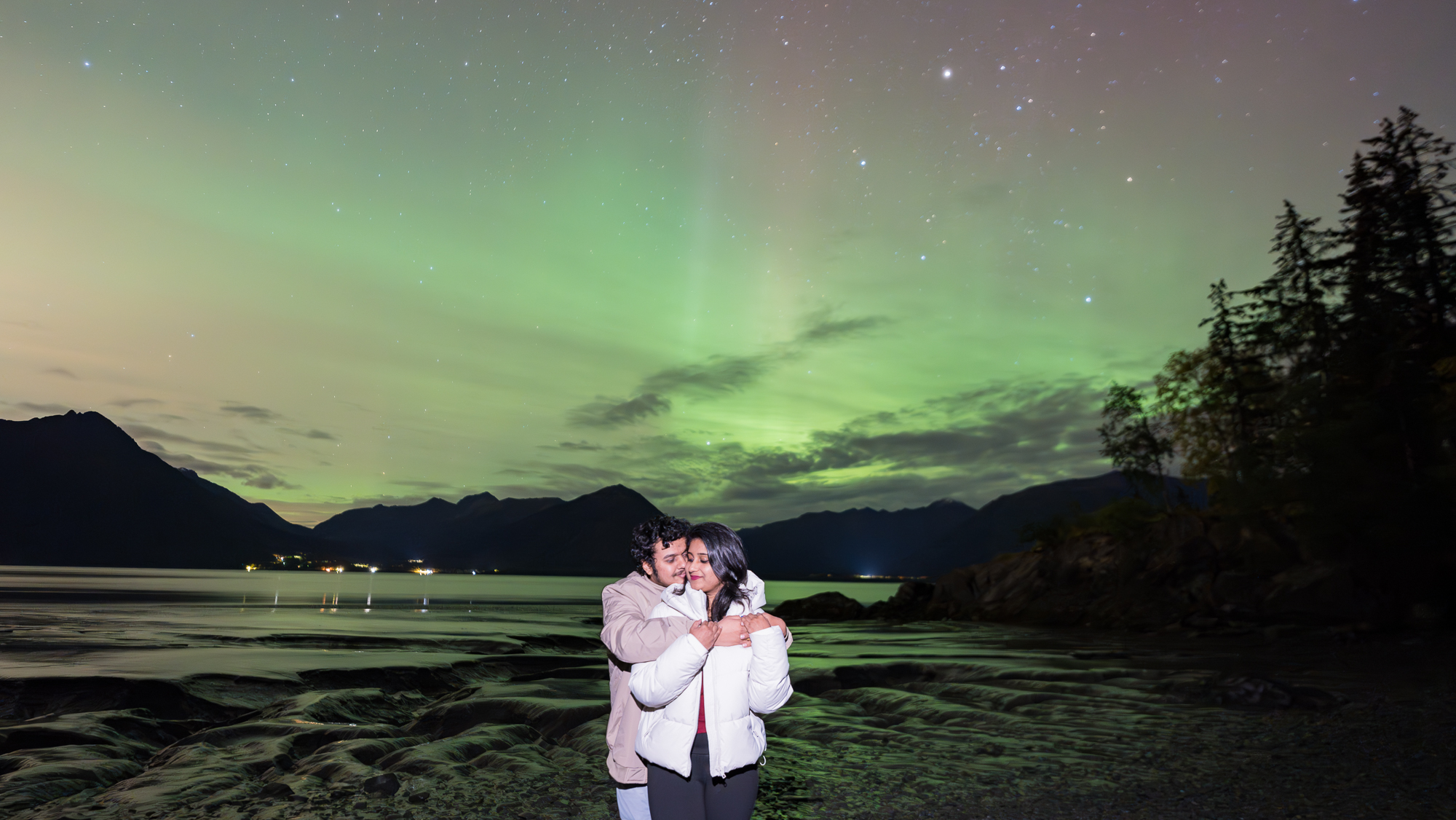
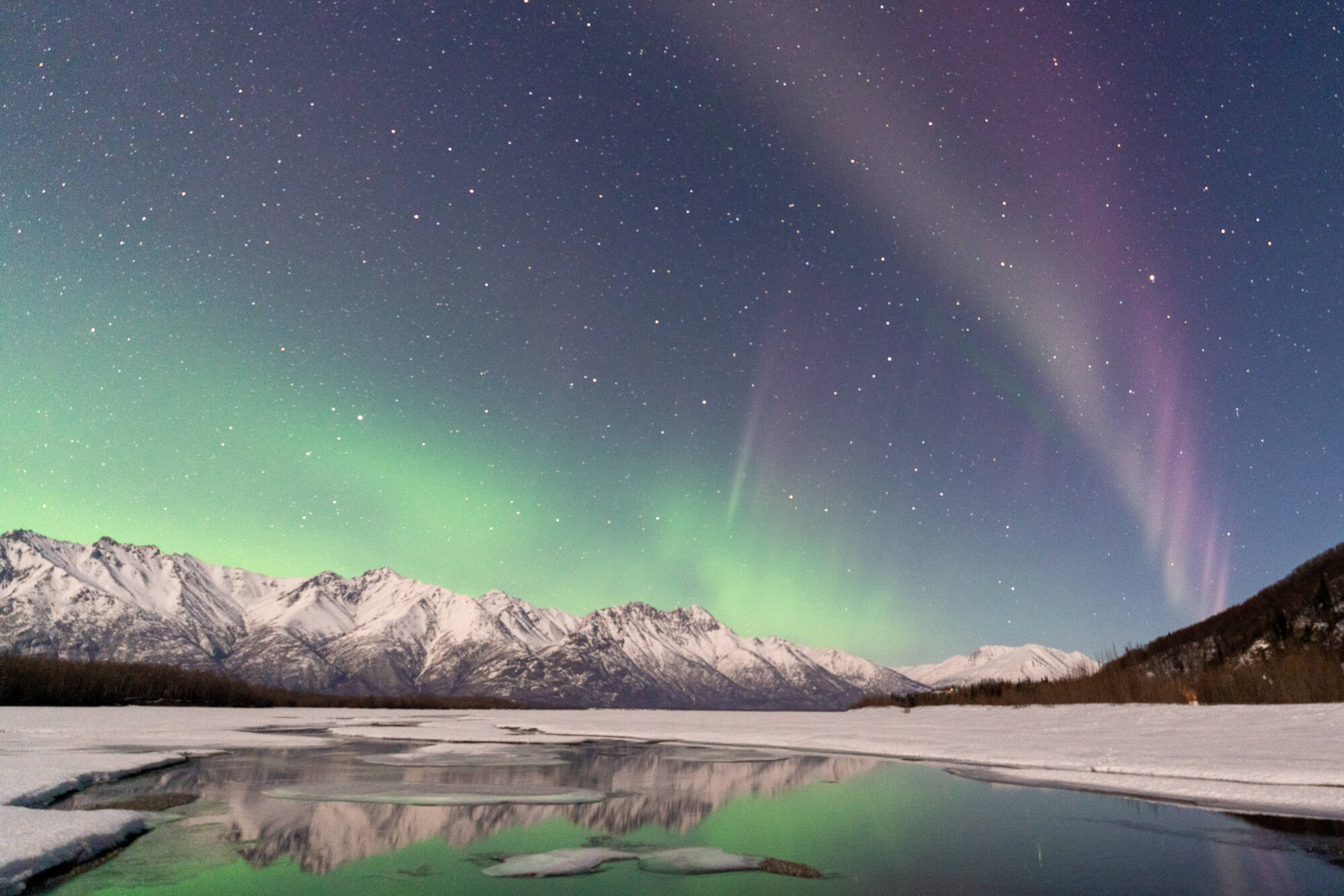
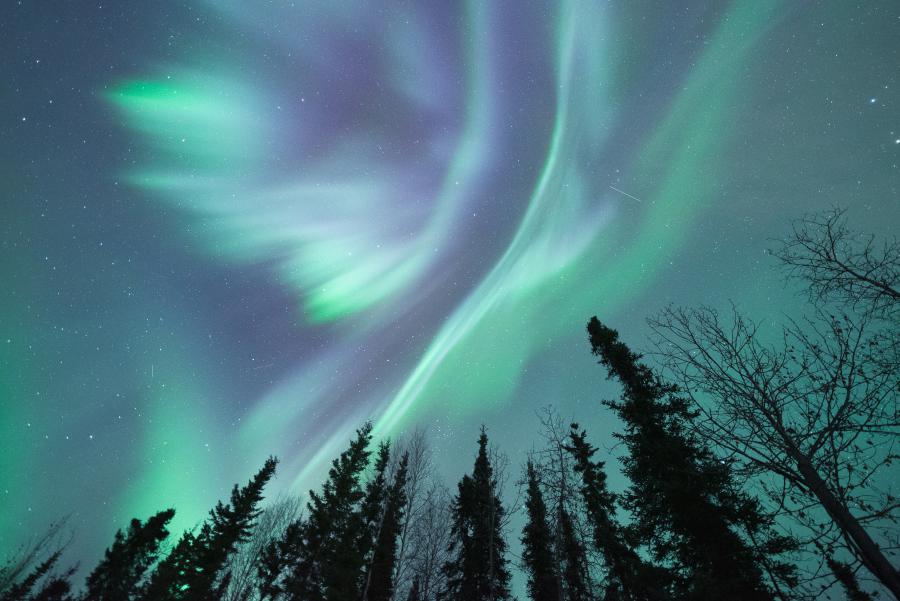
The Aurora Borealis, or Northern Lights, are caused by charged particles from the sun (the solar wind) colliding with atoms in Earth’s upper atmosphere. These collisions excite the atmospheric gases, causing them to emit light. The intensity and visibility of the aurora depend on several factors, including solar activity, the Earth’s magnetic field, and crucially, the darkness of the sky.
The Challenge of Summer Darkness
Alaska in July experiences the phenomenon known as the “midnight sun” or “polar day.” In northern regions like Fairbanks and further north, the sun may not set at all for several weeks. Even in southern areas, the twilight can extend for many hours, resulting in very little true darkness. The aurora, however, is only visible when the sky is sufficiently dark. The faint light of the aurora is easily overwhelmed by the ambient light of a bright summer sky, making it virtually impossible to discern against the backdrop of the midnight sun.
Solar Activity vs. Atmospheric Conditions
While strong solar flares and coronal mass ejections are the drivers of intense auroral displays, their occurrence is independent of the season. Theoretically, if there were a powerful enough solar storm, and if one could find a perfectly dark spot (which is the primary impediment in July), one might be able to detect some auroral activity. However, the practical reality is that the pervasive daylight renders even the most spectacular solar event invisible to the naked eye. Therefore, for the typical tourist seeking to witness the Northern Lights, Alaska in July is not the optimal time.
What Can You Experience Instead in Alaska During July?
While the aurora may be out of reach, Alaska in July offers an abundance of unique and breathtaking experiences that are often enhanced by the long daylight hours. This season provides unparalleled opportunities for outdoor adventure and immersion in the stunning Alaskan wilderness.
Embracing the Midnight Sun Adventures
The extended daylight of July opens up a world of possibilities for exploration. You can embark on full-day hikes through national parks, enjoying the scenery without the pressure of limited daylight. Kayaking on pristine glacial lakes, fishing for salmon, or taking a scenic flight over the vast landscapes become more feasible and enjoyable. The long days allow for more leisurely exploration of towns and attractions, and the increased hours of daylight offer more time for wildlife viewing.
Hiking and Trekking
Alaska boasts some of the most spectacular hiking trails in the world. In July, trails in parks like Denali National Park and Preserve and Kenai Fjords National Park are typically free of snow, making them accessible for all levels of hikers. Imagine trekking through meadows carpeted with wildflowers, with panoramic views of snow-capped peaks and vast glaciers. The extended daylight means you can start your hike early and finish late, maximizing your time amidst nature’s grandeur.
Water Activities
The numerous lakes, rivers, and coastlines of Alaska become vibrant hubs of activity in July. Consider a guided sea kayaking tour in Whittier or near Seward, where you might encounter marine wildlife such as seals, sea otters, and even whales. For a more serene experience, rent a canoe or kayak on one of the many crystal-clear lakes, surrounded by towering mountains. Fishing for salmon, halibut, or trout is also a prime activity during this season, with many charter services available.
Wildlife Viewing
July is an excellent month for wildlife viewing in Alaska. The longer days provide more opportunities to spot the state’s iconic animals. Keep an eye out for grizzly bears and black bears foraging in meadows, moose grazing near wetlands, and caribou herds on the tundra. Birdwatchers will also be delighted by the variety of migratory birds present. Popular viewing areas include Denali National Park and Preserve and the Alaska Wildlife Conservation Center.
Exploring Alaskan Cities and Culture
Beyond its wilderness, Alaska offers a rich cultural tapestry and vibrant cities that are particularly enjoyable to explore during the summer months. The extended daylight allows for more time to immerse yourself in local life.
Anchorage and Beyond
Anchorage, the state’s largest city, offers a wealth of museums, art galleries, and excellent dining options. The Anchorage Museum provides insights into Alaska’s history, culture, and art. Take a stroll through the downtown area, visit the Ship Creek salmon run viewing area, or enjoy the scenic coastal trail. Smaller towns like Homer, known for its arts community and fishing harbor, and Juneau, accessible only by air or sea, also offer unique charm and activities.
Local Festivals and Events
July often sees a variety of local festivals and events celebrating Alaska’s summer bounty and cultural heritage. These can range from music festivals and art fairs to traditional Alaskan Native gatherings. Attending these events provides a fantastic opportunity to connect with the local community and experience authentic Alaskan life.
The Rare Possibility: Conditions for Seeing Faint Aurora in July
While highly improbable for a standard aurora viewing, under extremely specific and rare circumstances, it might be theoretically possible to detect very faint auroral activity even during the twilight hours of an Alaskan summer night. This would require a confluence of several unlikely factors.
Extreme Solar Activity
The aurora is driven by solar wind. A period of exceptionally intense solar activity, such as a super solar storm, could potentially produce an aurora so bright that it might be faintly visible even through significant atmospheric light. However, such events are exceedingly rare.
Location and Light Pollution
To have any chance, one would need to be in the northernmost parts of Alaska, where the daylight is slightly less intense than in more southerly regions. Crucially, one would need to be far from any light pollution, such as that generated by cities or towns. Even then, the ambient twilight would still present a significant obstacle.
Specialized Equipment
For the average traveler, even if a faint aurora were present, it would likely be imperceptible to the naked eye. Advanced photography equipment with long exposure times might be capable of capturing subtle auroral hues that are not visible to human vision. This is how some “aurora” photos from summer months are sometimes shared, though they often lack the vibrant colors and intensity of a true winter display.
Planning Your Alaskan Summer Trip
If your heart is set on experiencing the magic of the Northern Lights, Alaska in winter (typically from late August to April) is your best bet. However, if you find yourself planning a trip to Alaska in July, embrace the unique opportunities this season offers.
Embrace the Summer Experience
Shift your expectations from aurora hunting to experiencing the unparalleled beauty and adventure of an Alaskan summer. Focus on hiking, wildlife viewing, exploring coastal towns, and soaking in the culture. The long days are an advantage, allowing for extended exploration and a deeper connection with the natural world.
Best Locations for Summer Adventures
For a well-rounded summer experience, consider visiting areas like:
- Fairbanks: Even though aurora viewing is unlikely, Fairbanks offers access to the Arctic Circle via tours and is a gateway to exploring interior Alaska during the summer.
- Anchorage and the Kenai Peninsula: This region provides a fantastic mix of city amenities, stunning coastal scenery, and abundant wildlife. Explore Seward, Homer, and the surrounding parks.
- Denali National Park and Preserve: A must-visit for its breathtaking mountain vistas and chances to see iconic Alaskan wildlife. Summer is the ideal time to explore its trails and take the park’s bus tours.
While Alaska in July won’t deliver the aurora borealis as you might imagine it, it offers a season of vibrant life, incredible adventure, and breathtaking natural beauty that is truly its own kind of magic. By understanding the limitations and embracing the strengths of an Alaskan summer, you can plan an unforgettable journey filled with experiences that are as captivating as any celestial light show.
LifeOutOfTheBox is a participant in the Amazon Services LLC Associates Program, an affiliate advertising program designed to provide a means for sites to earn advertising fees by advertising and linking to Amazon.com. Amazon, the Amazon logo, AmazonSupply, and the AmazonSupply logo are trademarks of Amazon.com, Inc. or its affiliates. As an Amazon Associate we earn affiliate commissions from qualifying purchases.