
For many avid travelers, witnessing the ephemeral dance of the Aurora Borealis in the wild, pristine landscapes of Alaska is a dream bucket-list experience. The vibrant curtains of green, pink, and purple light illuminating the dark Arctic sky offer an unparalleled spectacle. However, the timing of such a trip is paramount, and the question of seeing the Northern Lights in Alaska during June requires a thorough understanding of both celestial mechanics and Alaskan geography.
The Science Behind the Aurora and the Crucial Role of Darkness
The Northern Lights are a natural light display in the Earth’s sky, predominantly seen in high-latitude regions. This phenomenon occurs when charged particles from the sun, ejected during solar flares and coronal mass ejections, collide with gases in Earth’s atmosphere. These collisions excite the atmospheric gases, causing them to emit light, creating the spectacular colors and patterns we observe.

Why Darkness is Non-Negotiable for Aurora Viewing
To truly appreciate the aurora, absolute darkness is not just beneficial, it’s essential. The lights, though often intense, can be subtle, especially in their softer hues. Any significant ambient light – whether from urban areas or natural daylight – will diminish their visibility, making fainter displays imperceptible to the naked eye. This requirement for deep darkness directly impacts the feasibility of aurora viewing during different seasons in Alaska.
Alaska in June: The Land of the Midnight Sun
Alaska’s geographical position, straddling the Arctic Circle, makes it one of the premier locations on Earth for experiencing the Aurora Borealis. However, this same high-latitude placement also dictates its unique daylight patterns, especially during the summer months.
The Midnight Sun Phenomenon
In June, Alaska experiences the phenomenon known as the Midnight Sun. As the Earth’s axis tilts towards the sun during the summer solstice, regions at higher latitudes receive extended periods of daylight. In parts of Alaska north of the Arctic Circle, the sun literally never sets for weeks. Even in cities further south, like Fairbanks or Anchorage, the daylight hours are extraordinarily long, and true darkness is a rare commodity. For instance, in Fairbanks, which is a prime aurora viewing location during other seasons, June sees daylight extending for approximately 20-22 hours, with the remaining hours experiencing civil twilight – a period where the sun is just below the horizon, but still illuminates the sky with a persistent glow.
The Impact on Aurora Viewing
Given the non-negotiable requirement for pitch-black skies to view the Northern Lights, the extended daylight of Alaska’s June renders aurora viewing virtually impossible. Even if there were significant solar activity resulting in a powerful auroral display, the ambient light from the prolonged twilight would simply overpower it, making it invisible to human perception. Travelers visiting Alaska in June with the primary goal of seeing the Northern Lights will, unfortunately, leave disappointed.
Optimal Times for Aurora Borealis Viewing in Alaska
To significantly increase your chances of witnessing the majestic Northern Lights in Alaska, strategic timing is essential. The ideal period aligns with the return of sustained darkness.
Peak Seasons for Aurora Travel
The best time to visit Alaska for aurora viewing typically spans from late August to April. Within this window, the shoulder months often provide a balance of decent weather and darkness, though deeper winter offers the longest nights.
- Late August to September: This period marks the beginning of the aurora season. The nights grow progressively darker, and temperatures are generally milder than in the heart of winter. This is also a fantastic time for fall foliage, offering a dual appeal.
- October to March: These are the prime months for aurora viewing. The nights are long and dark, providing ample opportunity. However, temperatures can be extremely cold, particularly in Interior Alaska. Travelers must be prepared for winter conditions, including heavy snowfall and icy roads.
- April: As spring approaches, daylight hours start to increase, but darkness is still sufficient for viewing in early to mid-April. This can be a good option for those who prefer slightly warmer weather but still want a chance to see the aurora.
Best Locations for Aurora Chasing
While aurora can technically be seen across much of Alaska during the right season, certain locations offer consistently better conditions due to their latitude, remoteness, and infrastructure catering to aurora tourism.
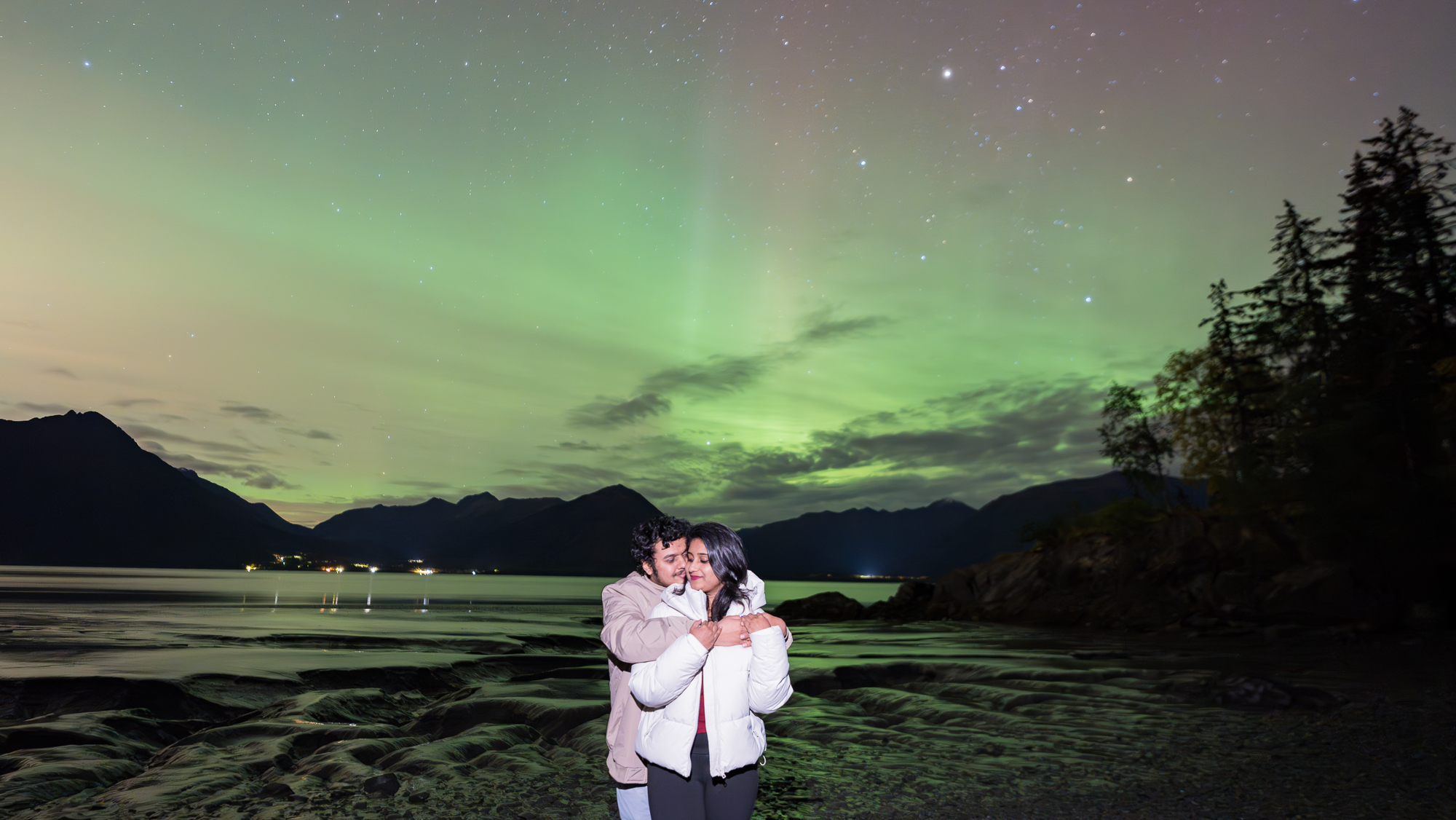
- Fairbanks and Interior Alaska: Often dubbed the “Aurora Capital of the World,” Fairbanks is located directly under the Auroral Oval, a band where auroral activity is most concentrated. Its inland location also means it experiences drier, clearer skies more frequently than coastal areas. Numerous aurora tour operators, dedicated viewing lodges, and even hot springs like Chena Hot Springs Resort offer excellent viewing opportunities.
- Denali National Park and Preserve: While primarily known for wildlife and Mount Denali, the park’s remote location and lack of light pollution make it an exceptional spot for aurora viewing when the skies are clear and dark.
- Rural Alaska: Getting away from any city lights, even small ones, significantly enhances visibility. Remote cabins, lodges, or even self-driving further north on unpaved roads can yield incredible results. Locations like Coldfoot along the Dalton Highway (which extends to the Arctic Ocean) are prime, albeit rugged, aurora destinations.
Planning Your Alaska Travel Experience
While June may not be the month for aurora hunting, it offers a distinctly different, yet equally captivating, Alaska experience. Understanding what each season offers is key to planning a fulfilling trip.
Beyond the Northern Lights – Summer in Alaska has its Own Charms
If your travel dates are fixed for June, don’t despair. Alaska in summer is a vibrant wonderland teeming with life and activity. This is the peak season for:
- Wildlife Viewing: Bears, moose, caribou, whales, and eagles are active and easily spotted.
- National Parks: Denali National Park, Kenai Fjords National Park, and Wrangell-St. Elias National Park are fully accessible and offer unparalleled hiking, camping, and scenic drives.
- Cruises and Fishing: The coastal regions come alive with glacier cruises, sea kayaking, and world-class salmon fishing.
- Hiking and Outdoor Activities: With nearly endless daylight, there’s ample time for exploring trails, kayaking pristine lakes, and experiencing the vast wilderness.
So, while the aurora remains elusive, a June trip to Alaska promises a different kind of magic, filled with verdant landscapes, abundant wildlife, and long, luminous days.
Essential Gear and Preparedness for Aurora Travel (During the Right Season)
For those planning a trip specifically for the Northern Lights in the appropriate season, preparation is key:
- Warm Clothing: Layers are crucial. Think thermal base layers, fleece, down jackets, insulated pants, hats, gloves, and waterproof outer layers.
- Photography Equipment: A good camera with manual settings, a wide-angle lens, a sturdy tripod, and extra batteries (cold drains them quickly) are essential for capturing the aurora.
- Transportation: Consider renting a four-wheel-drive vehicle for winter conditions, or booking guided tours that include transportation.
- Accommodation: Book accommodations well in advance, especially in popular aurora viewing areas like Fairbanks, as demand can be high. Many lodges offer aurora wake-up calls.
Maximizing Your Aurora Chances (During the Right Season)
Once you’ve aligned your travel to the correct season, a few strategies can further enhance your chances of a successful aurora sighting.
Stay Longer
The Aurora Borealis is a natural phenomenon, and like weather, it can be unpredictable. Solar activity varies, and clear skies are never guaranteed. Staying for at least 3-7 nights significantly increases your odds of experiencing a display.
Get Away from Light Pollution
Even in winter, light pollution from towns and cities can obscure fainter auroras. Travel a short distance outside urban centers to find truly dark skies. Most aurora tours are designed to take you to these optimal viewing spots.
Check Forecasts
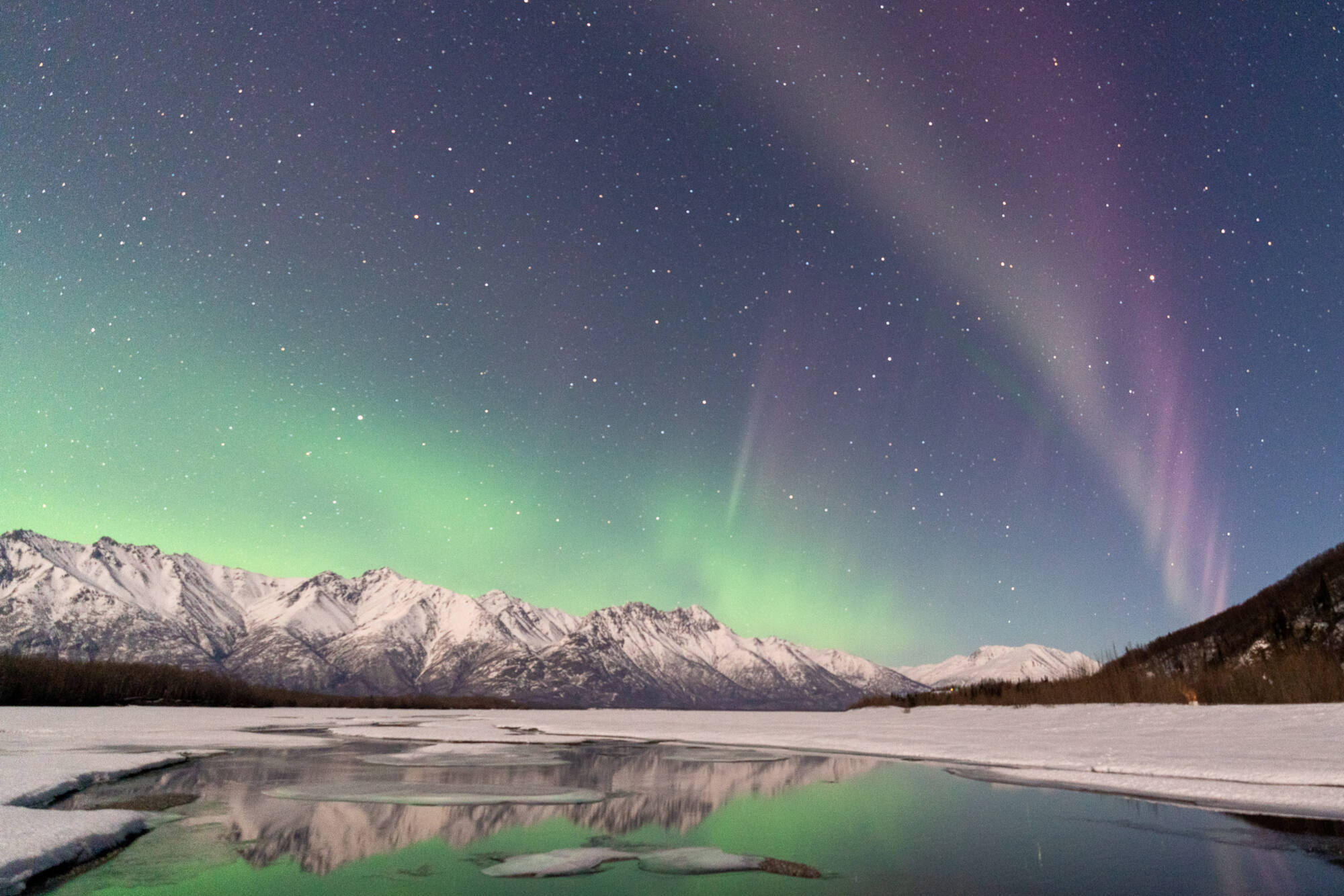
Before and during your trip, monitor space weather forecasts (e.g., NOAA’s Space Weather Prediction Center) for predicted auroral activity (Kp-index). Also, keep an eye on local weather forecasts for clear skies. A high Kp-index with cloudy skies means no visible aurora, just as low activity under clear skies might yield a faint show. Several apps and websites are dedicated to aurora forecasting.
In conclusion, while Alaska is undoubtedly one of the world’s best places to see the Northern Lights, June is the absolute worst time to plan such a trip due to the pervasive daylight of the Midnight Sun. For an unforgettable aurora experience, shift your travel plans to the darker months between late August and April, and prepare for a truly magical encounter with nature’s most spectacular light show.
LifeOutOfTheBox is a participant in the Amazon Services LLC Associates Program, an affiliate advertising program designed to provide a means for sites to earn advertising fees by advertising and linking to Amazon.com. Amazon, the Amazon logo, AmazonSupply, and the AmazonSupply logo are trademarks of Amazon.com, Inc. or its affiliates. As an Amazon Associate we earn affiliate commissions from qualifying purchases.