
The allure of the Northern Lights, or Aurora Borealis, captivates travelers worldwide, drawing them to the planet’s polar regions in pursuit of its ethereal dance. Images of vibrant greens, purples, and reds painting the night sky over snow-covered landscapes populate travel dreams and bucket lists. Naturally, for residents and visitors to the sunny state of Florida, a question occasionally arises: could this celestial spectacle ever grace the skies above the Sunshine State? While the idea is tantalizing, the scientific reality, combined with Florida’s geographical location, makes such a sighting an exceptionally rare and faint possibility, shifting the focus for travelers to understanding what truly creates this natural wonder and what unique celestial experiences Florida does offer.

The Science Behind the Aurora Borealis
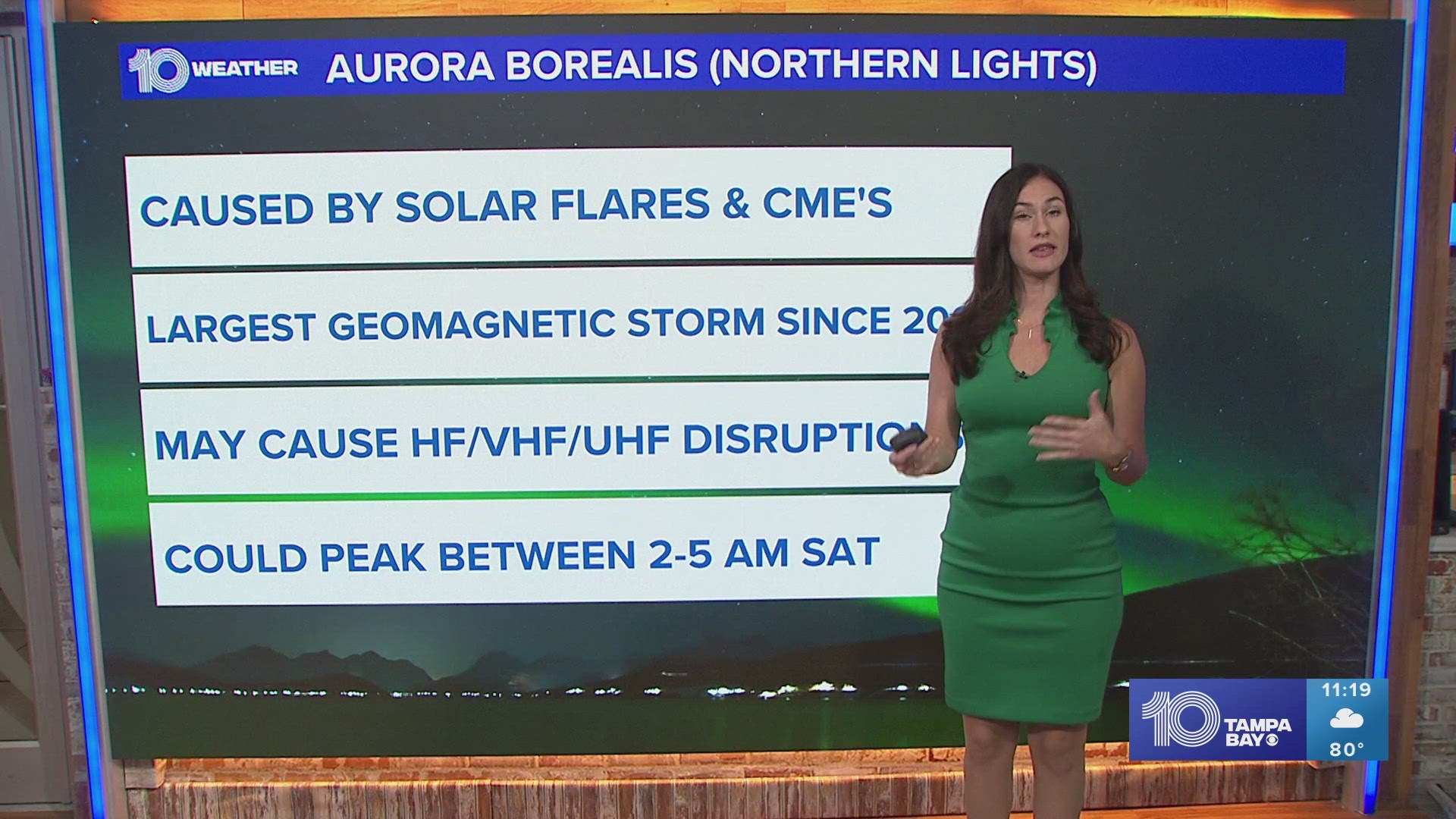
To understand why seeing the Northern Lights in Florida is such a long shot, it’s essential to grasp the science behind this phenomenon. The Aurora Borealis is a direct result of solar activity. Our sun constantly emits a stream of charged particles known as the solar wind. During periods of intense solar activity, such as solar flares or coronal mass ejections (CMEs), these particles are launched into space with greater energy and density, forming what are known as geomagnetic storms.
When these charged particles from the sun encounter Earth’s magnetic field, they are largely deflected. However, some particles are channeled towards the magnetic poles. As they collide with gases in the Earth’s atmosphere (oxygen and nitrogen) at altitudes of 60 to 200 miles, the atoms become excited and emit light. The specific color of the aurora depends on the type of gas being excited and the altitude at which the collision occurs. Oxygen typically produces green and red light, while nitrogen produces blue and purple hues.
The crucial factor here is the channeling effect of Earth’s magnetic field. Because the magnetic field lines converge at the poles, the aurora is almost exclusively visible in regions around the magnetic north and south poles – the auroral ovals. This is why destinations like Iceland, Norway, Finland, Sweden, Alaska, and northern Canada are renowned for their consistent aurora displays. These locations sit comfortably within or very close to the auroral oval, offering prime viewing opportunities during periods of even moderate solar activity.
A Rare Glimmer: Aurora in the Sunshine State
Given the scientific explanation, the prospect of seeing the Northern Lights in Florida seems improbable. Florida is located at a relatively low latitude, far south of the auroral oval. For the aurora to be visible this far south, an exceptionally powerful geomagnetic storm would be required, one strong enough to significantly expand the auroral oval much closer to the equator.
Such events are extremely rare. The most famous historical instance was the Carrington Event of 1859, a solar superstorm so intense that aurorae were reportedly seen as far south as Cuba and Hawaii. Modern history has seen occasional, much weaker, but still impressive, displays that have pushed the aurora visible to parts of the northern United States that usually don’t experience it. For example, a severe G4 geomagnetic storm in 2023 allowed faint aurora sightings in some mid-latitude states like North Carolina and Kansas, but even then, these were typically low on the horizon and only visible under optimal dark sky conditions. More recently, the extraordinary G5 geomagnetic storm in May 2024 allowed the aurora to be seen across nearly all of the United States, including faint sightings reported in parts of Florida. These instances, however, are historical anomalies rather than typical occurrences.
Even when such a powerful storm occurs, several factors in Florida would severely hinder viewing:
- Latitude: The fundamental challenge remains Florida’s low latitude, meaning the aurora would appear very low on the northern horizon, if at all.
- Light Pollution: Florida is a densely populated state with significant light pollution from cities like Miami, Orlando, and Tampa. Even if the aurora were present, fainter displays would be completely washed out. Only truly dark sky locations, typically far from urban centers, would stand a remote chance.
- Weather: Florida’s climate is prone to clouds, especially during the wetter months. Clear, moonless nights, which are essential for aurora viewing, cannot be guaranteed.
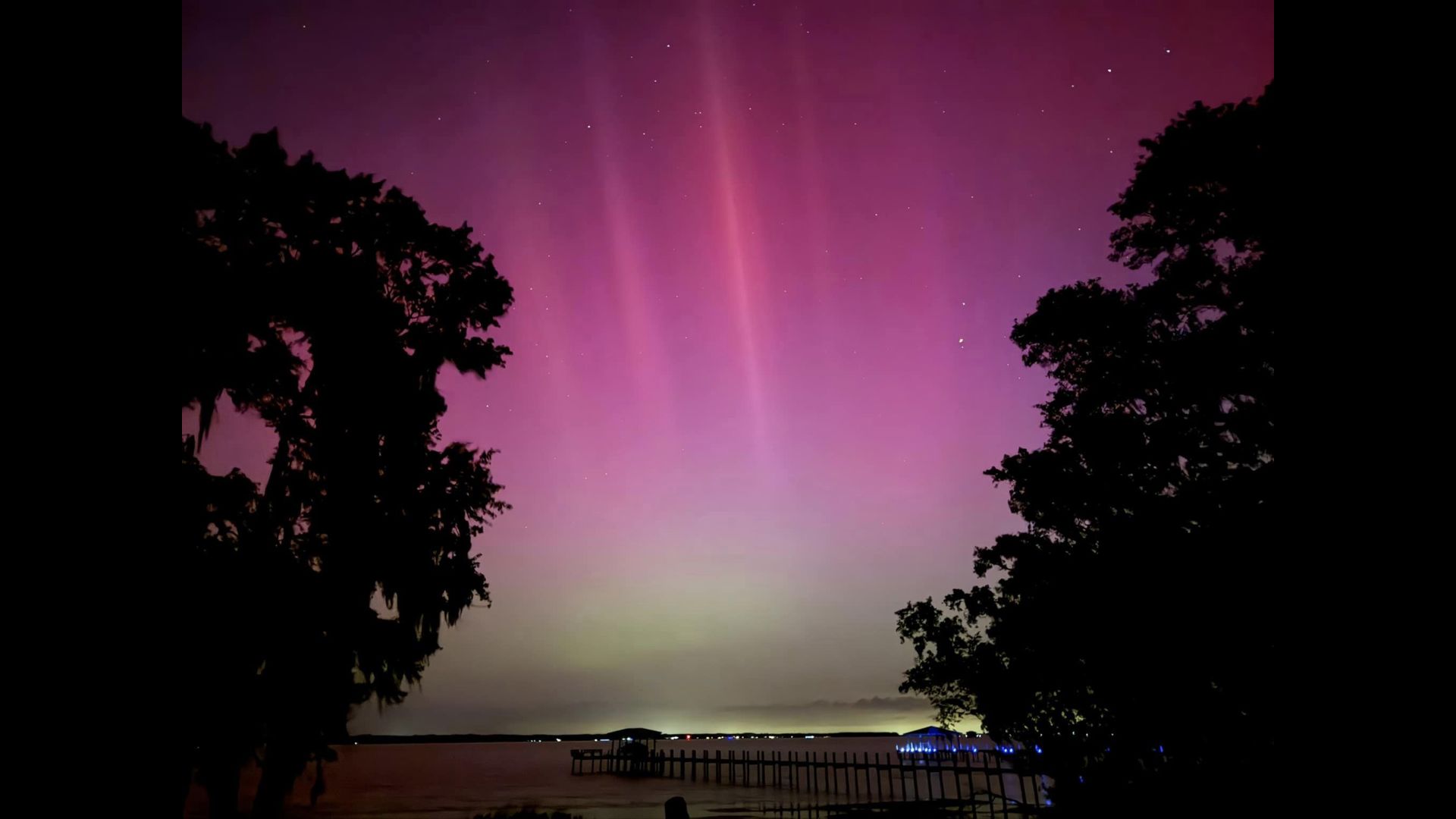
In summary, while not entirely impossible under extreme, rare circumstances (like the May 2024 event), chasing the Northern Lights in Florida would be an exercise in futility for the vast majority of travelers. Your chances are infinitesimally small compared to dedicated aurora destinations.
What to Expect When Chasing the Aurora in Prime Locations
For those genuinely committed to witnessing the Aurora Borealis, the best approach is to travel to destinations well within the auroral oval. These include:
Top Destinations for Aurora Viewing:
- Iceland: Easily accessible from North America and Europe, Iceland offers diverse landscapes for aurora photography, from glaciers to black sand beaches.
- Norway: Especially the northern regions like Tromsø and the Lofoten Islands, known for stable weather and stunning coastal views.
- Finland: Lapland offers unique experiences like glass igloos and snowmobiling under the aurora.
- Sweden: The Abisko National Park is famous for its “Blue Hole,” a patch of sky that often remains clear even when surrounding areas are cloudy.
- Alaska, USA: Cities like Fairbanks are excellent bases for aurora hunting, often combined with other winter activities.
- Yukon and Northwest Territories, Canada: Remote wilderness offers minimal light pollution and spectacular views.
Tips for Aurora Hunters:
- Timing: The best time to see the aurora is during the colder, darker months, typically from late August to April. February and March often offer a good balance of dark nights and milder weather.
- Location: Seek out dark skies away from city lights. Research dark sky parks or remote lodges in your chosen destination.
- Weather: Clear skies are paramount. Check local weather forecasts diligently.
- Solar Activity Forecasts: Websites like the Space Weather Prediction Center (SWPC) by NOAA provide forecasts for geomagnetic activity (Kp-index), which indicates the likelihood and strength of an aurora display.
- Patience: Aurora viewing often requires patience and willingness to stay up late or venture out in cold conditions.
- Photography: Bring a camera with manual settings, a wide-angle lens, and a sturdy tripod to capture the aurora’s beauty.
Florida’s Own Celestial Wonders and Travel Experiences
While the Northern Lights remain largely elusive, Florida is far from devoid of its own unique and captivating natural phenomena and travel experiences. The state excels in offering a diverse range of attractions that leverage its subtropical climate, extensive coastline, and vibrant ecosystems.
Night Sky Wonders in Florida:
- Bioluminescence Tours: One of Florida’s most magical nighttime experiences is witnessing bioluminescence. During warmer months, particularly July through September, the waters of the Indian River Lagoon and Mosquito Lagoon near Titusville light up with millions of tiny dinoflagellates and comb jellies. Kayak or paddleboard tours offer an incredible opportunity to glide through waters that glow with every movement, creating a truly otherworldly spectacle.
- Stargazing at Dark Sky Parks: Florida boasts a few certified International Dark Sky Parks where light pollution is minimal, allowing for excellent stargazing. Kissimmee Prairie Preserve State Park is particularly renowned, offering expansive dark skies perfect for observing constellations, planets, and meteor showers. Other notable spots include sections of Big Cypress National Preserve and some remote beaches in the Florida Keys.
- Rocket Launches: Given its proximity to Cape Canaveral and the Kennedy Space Center, Florida offers front-row seats to spectacular rocket launches. Night launches, in particular, can be breathtaking, as the fiery ascent illuminates the sky, creating a dazzling display that rivals any natural light show. Visitors can often view these from nearby beaches or the Kennedy Space Center Visitor Complex.
Other Unforgettable Florida Travel Experiences:
Beyond its unique night sky attractions, Florida is a premier travel destination for countless reasons:
- World-Class Beaches: From the pristine white sands of the Emerald Coast (e.g., Destin, Panama City Beach) to the vibrant shores of South Beach Miami and the tranquil beauty of the Florida Keys, the state offers unparalleled beach experiences.
- Theme Parks: Orlando is famously the “Theme Park Capital of the World,” home to Walt Disney World Resort, Universal Orlando Resort, and SeaWorld Orlando, offering endless entertainment for families and thrill-seekers.
- Natural Parks and Wildlife: Explore the unique ecosystem of Everglades National Park with its alligators, manatees, and diverse birdlife. Dive or snorkel in the coral reefs of the Florida Keys National Marine Sanctuary, or discover the natural springs scattered across the state, perfect for swimming and tubing.
- Cultural Experiences: Discover the rich history of St. Augustine, the oldest continuously inhabited European-established settlement in the United States, or immerse yourself in the vibrant arts and culture scene of Miami and its Art Deco Historic District.
In conclusion, while the dream of seeing the Northern Lights in Florida is, for all practical travel purposes, unattainable, the state itself is a treasure trove of incredible experiences. Travelers seeking celestial wonders can find unique bioluminescent displays and pristine stargazing opportunities, alongside a host of other attractions that make Florida a dynamic and rewarding travel destination in its own right. For the aurora, however, pack your bags for the true north.
LifeOutOfTheBox is a participant in the Amazon Services LLC Associates Program, an affiliate advertising program designed to provide a means for sites to earn advertising fees by advertising and linking to Amazon.com. Amazon, the Amazon logo, AmazonSupply, and the AmazonSupply logo are trademarks of Amazon.com, Inc. or its affiliates. As an Amazon Associate we earn affiliate commissions from qualifying purchases.