
Hawaii – the name alone conjures images of pristine beaches, swaying palm trees, warm ocean breezes, and the rhythmic sound of waves crashing on volcanic shores. It’s a paradise synonymous with surfing, sunbathing, and tropical relaxation. Yet, tucked away on the archipelago’s largest island lies a surprising secret, one that defies conventional perceptions of this verdant Eden: the opportunity to ski. The question, “Can you ski in Hawaii?” isn’t a whimsical musing but an intriguing reality for intrepid travelers seeking an adventure unlike any other. While Hawaii lacks the conventional ski resorts found in alpine regions, its majestic volcanic peaks occasionally receive enough snowfall to transform into an ephemeral, high-altitude playground, offering a truly unique blend of tropical warmth and snowy thrills. This article delves into the fascinating possibility of carving turns on a volcano in the middle of the Pacific Ocean, exploring the conditions, the experience, and how to embark on such an extraordinary journey.
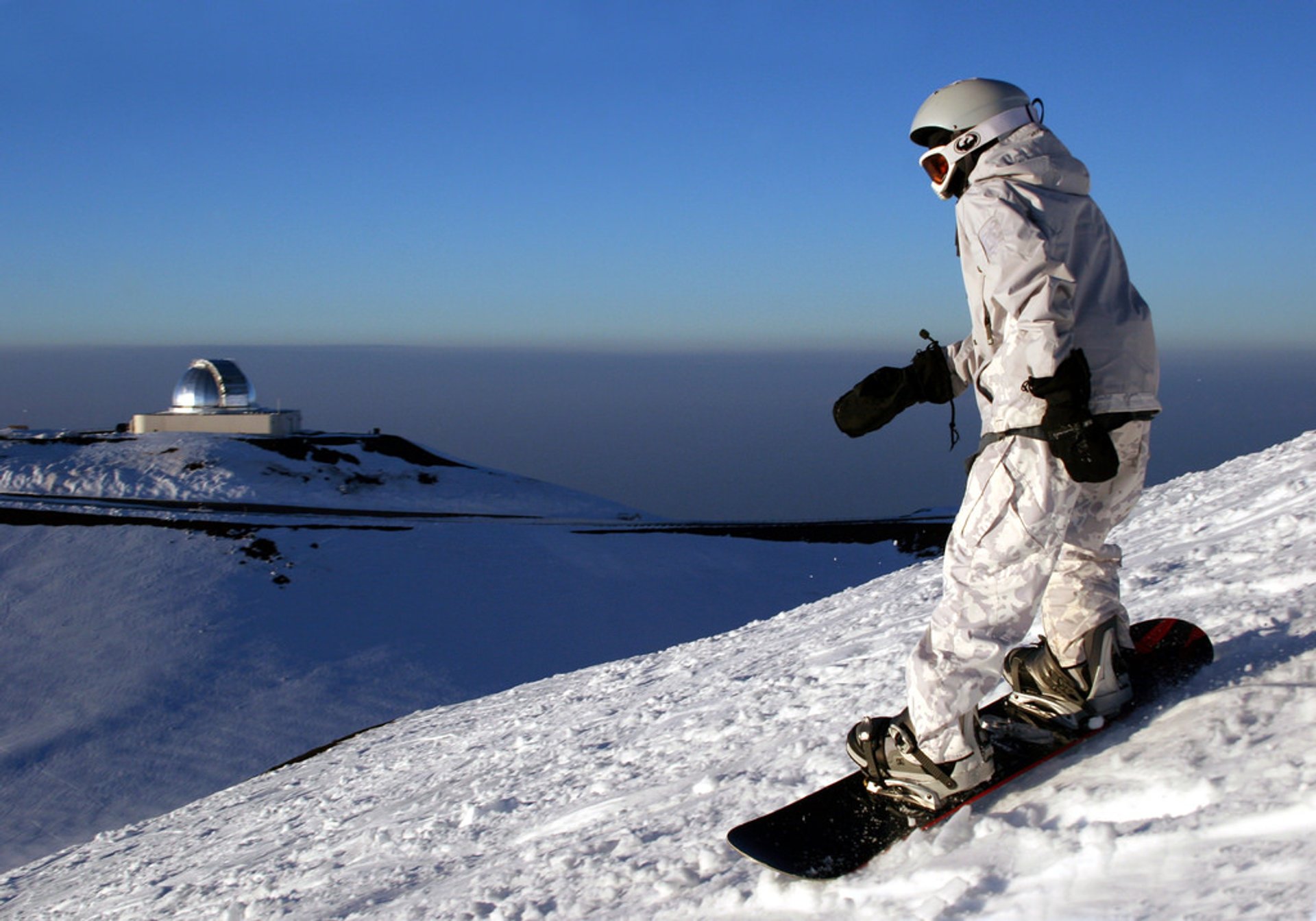
The Unexpected Reality: Snow in the Tropics
The idea of snow in a tropical paradise like Hawaii might seem paradoxical, yet it’s a testament to the diverse and dramatic landscapes found across the Big Island. Far from the bustling beaches of Kona or the lush rainforests near Hilo, two colossal shield volcanoes rise thousands of feet above sea level, piercing through the clouds and into an entirely different climatic zone.
The Majestic Peaks: Mauna Kea and Mauna Loa
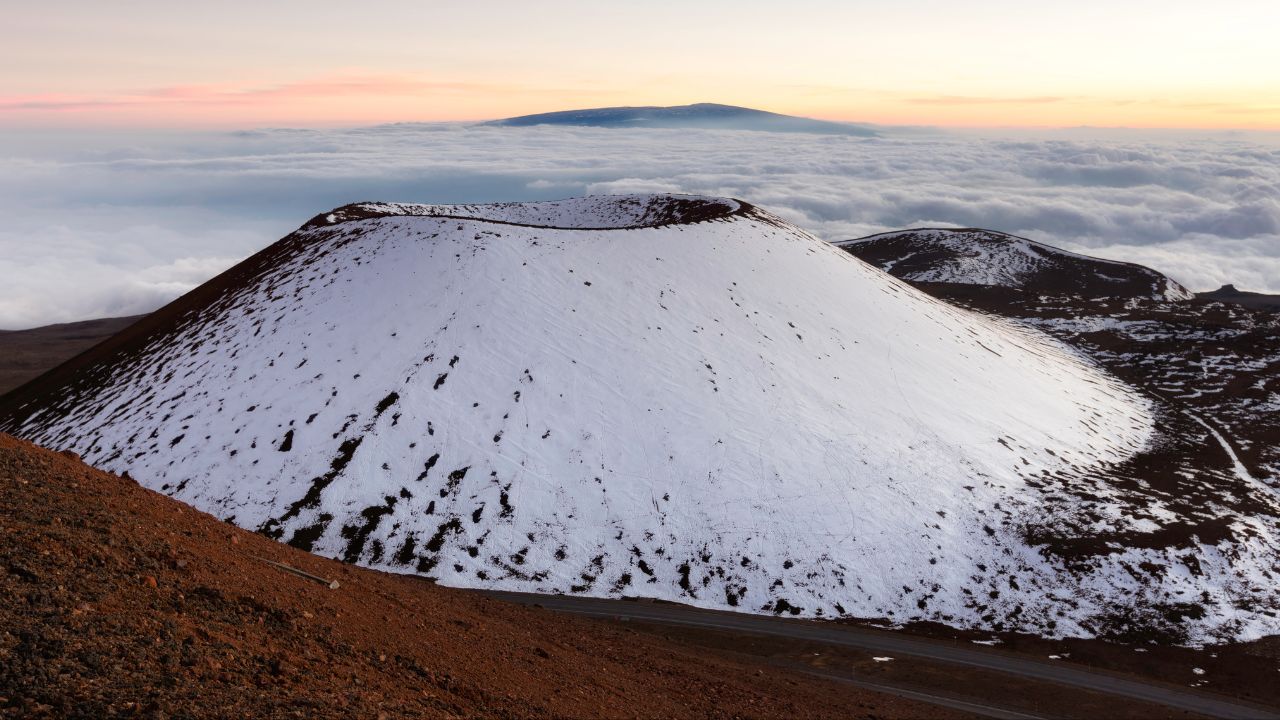
The primary candidates for snowfall and, consequently, skiing, are Mauna Kea and Mauna Loa. These aren’t just any mountains; they are two of the world’s most massive volcanoes. Mauna Kea, at 13,803 feet (4,207 meters) above sea level, is the highest point in Hawaii and, when measured from its base on the ocean floor, is the tallest mountain on Earth. Its summit is home to world-renowned astronomical observatories, drawn by the incredibly clear, dry air and minimal light pollution. Similarly, Mauna Loa, though slightly shorter at 13,678 feet (4,169 meters), is the world’s most massive active volcano. These extraordinary elevations mean that their summits regularly experience freezing temperatures, especially during the winter months, making snowfall a distinct possibility. The thin atmosphere at these altitudes and their exposure to weather systems allow for conditions conducive to snow and ice formation, creating a stark contrast to the balmy coastlines below.
When Does It Snow? The Seasonal Phenomenon
Snowfall on Mauna Kea and Mauna Loa is primarily a winter phenomenon, typically occurring between December and March. However, it can occasionally happen earlier or later depending on specific weather patterns, particularly cold fronts that bring moisture-laden air to the islands. When these fronts collide with the high altitudes of the volcanoes, precipitation falls as snow. It’s not a daily occurrence, nor is the snow cover consistent or deep like that found in traditional ski resorts. Instead, it’s often intermittent, ranging from a dusting to several feet, and can melt quickly under the strong equatorial sun. The key is timing and luck. For those hoping to ski, monitoring weather forecasts and webcam images of the summits becomes crucial, as conditions can change rapidly. The allure lies in the unpredictability and the rarity of the experience, making it all the more special for those fortunate enough to witness and participate.
The Experience of Skiing on a Volcano
Skiing on Mauna Kea or Mauna Loa is not your typical ski vacation. Forget groomed pistes, chairlifts, and lodge-side hot chocolates. This is raw, unadulterated adventure, a backcountry experience that challenges conventional notions of skiing.
A Unique Skiing Adventure, Not a Resort Experience
What makes skiing in Hawaii truly exceptional is its complete lack of commercialization. There are no ski patrols, no designated runs, and certainly no rental shops at the summit. This is pure wilderness skiing, requiring self-sufficiency and a high degree of respect for the natural environment. The experience is often described as “car skiing” or “hitchhiking skiing,” where adventurers drive up the Mauna Kea access road (or a similar path on Mauna Loa) as far as possible, unload their gear, and then hike or skin up to find suitable slopes. After a run, they might hitch a ride back up the road with another passing car or rely on a pre-arranged shuttle or a second vehicle for “yo-yo” laps. It’s an intimate encounter with nature, where the only sounds are the wind, the crunch of snow underfoot, and perhaps the distant hum of observatory equipment. The reward is not just the thrill of the descent but the unparalleled panoramic views of the entire Big Island, stretching out to the Pacific Ocean and the distant horizon.
What to Expect: Conditions and Terrain
The snow conditions on the Hawaiian volcanoes are notoriously variable. You might find anything from icy crusts to heavy, wet “Hawaiian cement” snow, or even patches of powdery bliss, depending on recent weather and temperature fluctuations. The terrain is equally diverse, characterized by rolling volcanic slopes, cinder cones, and broad, open expanses. There are no trees at these altitudes, offering wide-open, treeless skiing above the cloud line. However, the volcanic rock beneath the snow can be unforgiving, so careful navigation is essential to avoid hidden hazards, especially during periods of thinner snow cover. The slopes vary in gradient, offering options for intermediate to advanced skiers and snowboarders comfortable with ungroomed, off-piste conditions. The sheer novelty of skiing on a volcano, often with the ocean visible in the distance, transforms what might be considered challenging conditions elsewhere into an unforgettable bucket-list item.
Planning Your Hawaiian Ski Trip
Embarking on a skiing adventure in Hawaii requires careful planning and a robust understanding of the unique challenges involved. This isn’t a spontaneous day trip for the unprepared.
Essential Gear and Preparation
Unlike a trip to a traditional ski resort where gear rental is readily available, skiing on Mauna Kea or Mauna Loa means bringing all your own equipment. This includes skis, snowboards, boots, bindings, poles, helmets, and appropriate cold-weather clothing (layers are key!). Even though you’re in Hawaii, temperatures at the summit can be well below freezing, and winds can be fierce. Don’t forget sunscreen, sunglasses, and goggles, as the UV radiation at high altitudes is extremely intense. Plenty of water and high-energy snacks are also crucial. Beyond the personal gear, consider bringing recovery ropes and a shovel for your vehicle, especially if venturing off the paved portions of the road. A reliable 4×4 vehicle is often a necessity, particularly if significant snowfall has occurred.
Access and Logistics: Getting to the Slopes
Access to Mauna Kea’s summit is via the Mauna Kea Access Road, which is mostly paved but becomes unpaved and very steep above the Mauna Kea Visitor Information Station (VIS) at 9,200 feet. A 4-wheel drive vehicle is mandatory for this upper section, and rental car agreements often prohibit driving on unpaved roads, so check thoroughly. Road closures due to weather are common, especially after heavy snowfall, so checking the official Mauna Kea Summit Access Road conditions before heading out is non-negotiable. For Mauna Loa, access is generally more challenging and less defined, often involving rougher roads or longer hikes. Parking is limited, and there are no facilities at the summit of either volcano. Coordination with fellow skiers or a designated driver is highly recommended for shuttle runs.
Safety First: Understanding the Risks
Safety is paramount when backcountry skiing anywhere, and the Hawaiian volcanoes present unique hazards. The high altitude is a significant concern. Acute Mountain Sickness (AMS) can affect anyone, regardless of fitness level. Acclimatization is vital; spending time at the VIS or similar elevations before ascending further can help. Listen to your body and descend immediately if symptoms arise. Weather can change rapidly and unpredictably, bringing whiteouts, freezing rain, or high winds. The volcanic terrain is rugged, with hidden rocks, fissures, and unpredictable snow quality. Since there is no ski patrol or rescue service, you are entirely responsible for your own safety and navigation. Traveling with experienced partners, carrying emergency supplies, and informing others of your plans are crucial precautions. Respect for the sacred nature of these mountains to the Hawaiian people is also essential; stay on designated paths and avoid disturbing any cultural sites.
Beyond the Slopes: Combining Tropical and Alpine Adventures
One of the most compelling aspects of skiing in Hawaii is the opportunity to seamlessly blend a thrilling alpine adventure with classic tropical experiences, all within the span of a single day or trip.
From Snow to Sand: A Day of Contrasts
Imagine starting your morning bundled in ski gear, carving turns down a volcanic slope with a panoramic view of the Pacific Ocean and other Hawaiian islands in the distance. By midday, you could be shedding your layers, driving down to the coast, and within a few hours, be swimming in the warm ocean, surfing the waves, or relaxing on a black sand beach. This remarkable transition from snow to sand, from cold to tropical heat, is an experience virtually unparalleled anywhere else in the world. It’s a sensory journey that highlights the incredible geographical diversity of the Big Island, allowing travelers to embrace two vastly different worlds in rapid succession. This unique juxtaposition makes for incredible stories and truly unforgettable travel memories, epitomizing the spirit of adventure that Hawaii can offer beyond its postcard-perfect beaches.
Exploring the Big Island’s Diverse Attractions
Beyond the exhilarating ski experience, the Big Island offers a plethora of other attractions to round out your travel itinerary. Explore the active volcanoes at Hawaii Volcanoes National Park, hike through lush rainforests to cascading waterfalls, visit coffee plantations in Kona, or stargaze from the Mauna Kea Visitor Information Station. The island is a microcosm of diverse ecosystems, from arid lava fields to alpine tundra and vibrant coral reefs. Integrating a skiing expedition into a broader exploration of the Big Island’s natural wonders ensures a comprehensive and incredibly rich travel experience. It transforms a typical Hawaiian vacation into an epic adventure, showcasing the island’s capacity for both serene beauty and thrilling extremes.
In conclusion, skiing in Hawaii is not a myth but a remarkable, albeit challenging, reality. It’s an adventure reserved for those with an adventurous spirit, a respect for nature, and the willingness to seek out truly unique travel experiences. While it doesn’t offer the amenities of a traditional ski resort, it provides something far more profound: the chance to connect with one of the planet’s most extraordinary landscapes in an unexpected way. For the traveler seeking the ultimate contrast – to surf and ski in the same day or week – Hawaii stands ready to deliver an unforgettable journey, proving that this tropical paradise truly holds a world of diverse wonders.
LifeOutOfTheBox is a participant in the Amazon Services LLC Associates Program, an affiliate advertising program designed to provide a means for sites to earn advertising fees by advertising and linking to Amazon.com. Amazon, the Amazon logo, AmazonSupply, and the AmazonSupply logo are trademarks of Amazon.com, Inc. or its affiliates. As an Amazon Associate we earn affiliate commissions from qualifying purchases.