
The allure of the Golden State is undeniable. From its sun-drenched beaches and iconic Hollywood landmarks to its majestic national parks and vibrant cities, California offers an endless canvas for exploration. For many travelers, especially those on a budget or seeking a more spontaneous way to experience the state, the question inevitably arises: “Can you sleep in your car in California?” The answer, like so much about this diverse state, is nuanced. While not explicitly illegal everywhere, it’s a practice fraught with potential pitfalls and legal complexities that vary significantly by location. This guide delves into the legality, practicality, and the best strategies for those considering this unconventional form of accommodation in California.

Understanding the Legal Landscape of Sleeping in Your Car
Navigating the legality of sleeping in your car in California requires understanding that there isn’t a single, statewide law that definitively prohibits it. Instead, the restrictions are often imposed at the local level – by individual cities, counties, and even specific types of properties. This means what might be permissible in one town could be strictly forbidden just a few miles down the road.
Local Ordinances and Restrictions
Many California municipalities have enacted ordinances that prohibit “camping” on public property, which can be broadly interpreted to include sleeping in a vehicle. These laws are often designed to address concerns about public safety, sanitation, and the appearance of public spaces, particularly in urban areas and near popular tourist attractions.
- Cities: Major cities like Los Angeles, San Francisco, and San Diego often have the most stringent regulations. You’ll find “no camping” or “no overnight parking” signs in many public areas, including street parking, parks, and beaches. Violating these ordinances can result in warnings, fines, or even being asked to move along.
- Counties: County ordinances can also play a role, especially in more rural or unincorporated areas. These might be less specific about vehicles but still prohibit activities associated with camping.
- Specific Locations: Even within a city or county, certain areas might be off-limits. This includes state parks, national forests (though some offer designated dispersed camping which might allow vehicles), beaches, and parking lots of businesses. Always be on the lookout for signage.
The rationale behind these ordinances often stems from a desire to maintain public order and address issues like transient populations. However, for travelers who are simply looking for a place to rest their head for a night, these rules can create significant challenges. It’s crucial to be an informed traveler and research the specific rules of the area you plan to visit. A quick online search for “[city name] overnight parking laws” or “sleeping in car [county name]” can often yield valuable information.
The “Camping” Versus “Parking” Distinction
A common point of confusion is the distinction between simply parking your car overnight and actively “camping” in it. Most laws focus on the act of camping, which implies setting up an encampment, including sleeping, cooking, or extended stays. Merely sleeping in your car for a few hours to rest before driving on might technically fall into a gray area, especially if you’re discreet and don’t draw attention. However, police officers have discretion, and if they believe you are camping, you could face repercussions.
Factors that can tip the scale towards being considered “camping” include:
- Extending living space: Setting up chairs outside your vehicle, using a stove, or having personal belongings spread out.
- Long duration: Staying in the same spot for multiple nights.
- Obvious sleeping: Making it clear you are sleeping in the vehicle, such as by having curtains drawn and lights on inside for extended periods.
The safest approach is to aim for discretion, avoid any activities that could be construed as camping, and be prepared to move if asked.
Practical Considerations and Best Practices for Sleeping in Your Car
Beyond the legalities, sleeping in your car presents practical challenges. Ensuring your safety, comfort, and minimizing your impact are paramount to a successful and uneventful experience.
Safety First
Your safety is the most critical aspect when considering sleeping in your vehicle.
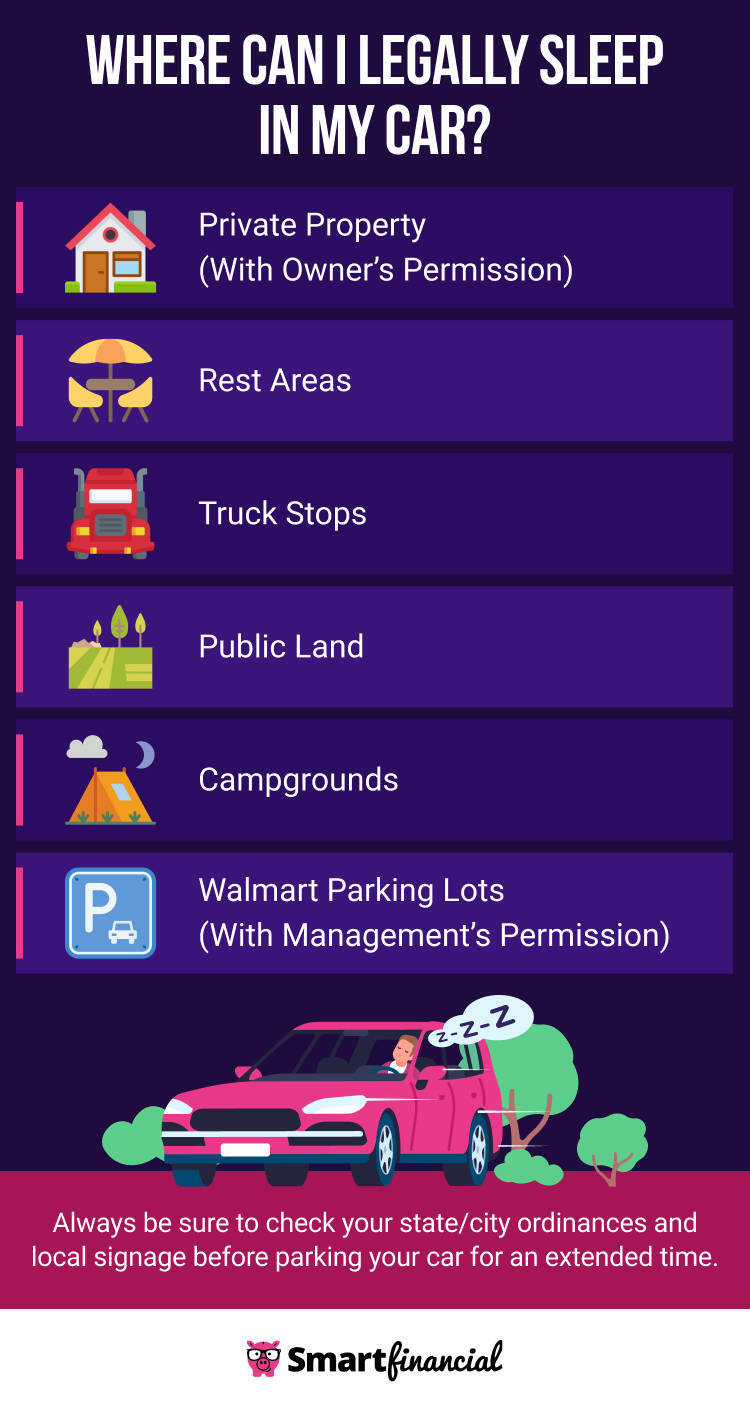
- Location, Location, Location: Choosing a safe place to park is paramount.
- Well-lit areas: Opt for parking lots that are well-lit, even if it’s a late-night grocery store or a 24-hour gas station. This offers a degree of visibility and can deter unwanted attention.
- Away from secluded spots: Avoid dark, isolated areas where you might be vulnerable.
- Consider fellow travelers: Rest stops on major highways can sometimes be a viable option, as they are frequented by other travelers and often have security patrols. However, check local signage, as some rest stops have strict no-overnight parking policies.
- Business parking lots: Some businesses, particularly those open late or 24 hours, may allow overnight parking if you’re a patron. Always ask permission first, even if it seems permissible. For example, some Walmart locations have historically allowed overnight parking for RVs and vans, but this policy can vary by store and is increasingly being restricted.
- Vehicle security: Ensure your car doors are locked at all times. Keep valuables out of sight.
- Be aware of your surroundings: Trust your instincts. If a location feels unsafe or uncomfortable, move.
- Inform someone: Let a friend or family member know your general travel plans and where you might be sleeping.
Comfort and Convenience
Making your car a habitable space for sleeping requires some preparation.
- Comfortable bedding: Invest in a good sleeping pad or air mattress that fits your vehicle. Blankets, pillows, and anything else you need for a restful sleep are essential.
- Temperature control: California’s weather can vary dramatically.
- Cooler nights: In higher elevations or during certain seasons, temperatures can drop significantly. Consider bringing warm layers, a good sleeping bag, or even a portable heater (use with extreme caution and proper ventilation).
- Warmer days: Window shades or coverings are crucial for blocking out the sun in the morning to help you sleep in longer and keep the car cooler.
- Privacy: Window covers or curtains are vital for privacy and to signal that you are sleeping. They also help with light control.
- Hygiene: Plan for bathroom breaks. Public restrooms at gas stations, parks, or 24-hour businesses can be a lifesaver. Always carry hand sanitizer and wet wipes.
- Food and water: If you’re on a budget, packing your own snacks and water is a smart move. Consider a cooler for perishable items.
Minimizing Your Impact
Practicing Leave No Trace principles is essential, even when sleeping in your car.
- Pack it in, pack it out: Take all your trash with you. Do not leave anything behind.
- Waste disposal: Dispose of all waste properly in designated trash receptacles.
- Be quiet and unobtrusive: Avoid loud music, excessive noise, or activities that might disturb others or draw unwanted attention.
- Respect private property: Never park on private property without explicit permission.
Alternatives to Sleeping in Your Car in California
While sleeping in your car can be a budget-friendly option, it’s not always the most comfortable or legal choice. California offers a plethora of accommodation alternatives that cater to all budgets and travel styles, ensuring you can still experience the magic of the state without compromising your comfort or peace of mind.
Budget-Friendly Accommodation Options
For travelers seeking to stretch their travel dollars, several alternatives to sleeping in your car are available.
- Hostels: Particularly in major cities like San Francisco, Los Angeles, and San Diego, hostels offer dorm-style beds or private rooms at competitive prices. They are great places to meet other travelers and often have communal kitchens and social areas.
- Budget Hotels and Motels: Numerous affordable hotel and motel chains are scattered throughout California, especially along major highways and in smaller towns. While they might not offer the luxury of a resort, they provide a private and safe space to sleep. Websites that compare hotel prices can be invaluable in finding the best deals.
- Camping and RV Parks: If you have a tent or an RV, California boasts an extensive network of state and national parks, as well as private campgrounds, that offer designated camping spots. These provide a more immersive experience with nature and often come with amenities like restrooms and picnic areas. Booking in advance is highly recommended, especially for popular destinations like Yosemite National Park or the California coast.
- Airbnb and Vacation Rentals: For longer stays or for those traveling with a group, renting a room or an entire apartment or house through platforms like Airbnb can be surprisingly affordable, especially when splitting the cost.
Embracing the California Experience
Ultimately, California is a state that rewards careful planning and a willingness to explore its diverse offerings. While the romantic notion of sleeping under the stars in your car might appeal to the adventurous spirit, it’s essential to be realistic about the challenges and legalities involved.
For a truly memorable trip, consider the wealth of experiences California provides:
- Explore Iconic Landmarks: From the Golden Gate Bridge in San Francisco to the Hollywood Walk of Fame in Los Angeles, California is brimming with famous places that deserve your attention.
- Immerse Yourself in Nature: Hike through the giant sequoias of Sequoia National Park, marvel at the unique geology of Joshua Tree National Park, or drive the scenic Pacific Coast Highway.
- Discover Local Culture and Cuisine: Each region of California offers distinct local culture, from the wine country of Napa Valley to the vibrant culinary scene in San Diego. Engaging with local food and activities enriches any travel experience.
- Consider Different Accommodation Types: Whether it’s a luxurious resort in Palm Springs, a charming villa in Carmel-by-the-Sea, or a family-friendly hotel with a pool, there’s an accommodation to suit every need.
While sleeping in your car in California might be a possibility under very specific and discreet circumstances, it’s often a practice that comes with significant legal risks and comfort compromises. By understanding the local regulations, prioritizing safety, and exploring the wide array of alternative accommodations available, you can ensure your California adventure is both enjoyable and stress-free. The Golden State is vast and varied; discover its wonders responsibly and in comfort.
LifeOutOfTheBox is a participant in the Amazon Services LLC Associates Program, an affiliate advertising program designed to provide a means for sites to earn advertising fees by advertising and linking to Amazon.com. Amazon, the Amazon logo, AmazonSupply, and the AmazonSupply logo are trademarks of Amazon.com, Inc. or its affiliates. As an Amazon Associate we earn affiliate commissions from qualifying purchases.