
Florida, the Sunshine State, beckons millions of travelers each year with its pristine beaches, vibrant cities, and unique natural landscapes. For some adventurers, the allure of a road trip through Florida includes the idea of saving on accommodation by sleeping in their car. This practice, often romanticized in popular culture, presents a complex reality shaped by legal restrictions, safety concerns, and practical challenges. While the freedom of the open road is undeniable, understanding the nuances of car camping in Florida is crucial for a smooth and legal journey.
The Legal Landscape: Understanding Florida’s Regulations
Navigating the legalities of sleeping in your car in Florida is paramount. Unlike some states with more permissive overnight parking rules, Florida’s approach is largely decentralized, with local ordinances playing a significant role.
State-Level Laws and General Prohibitions
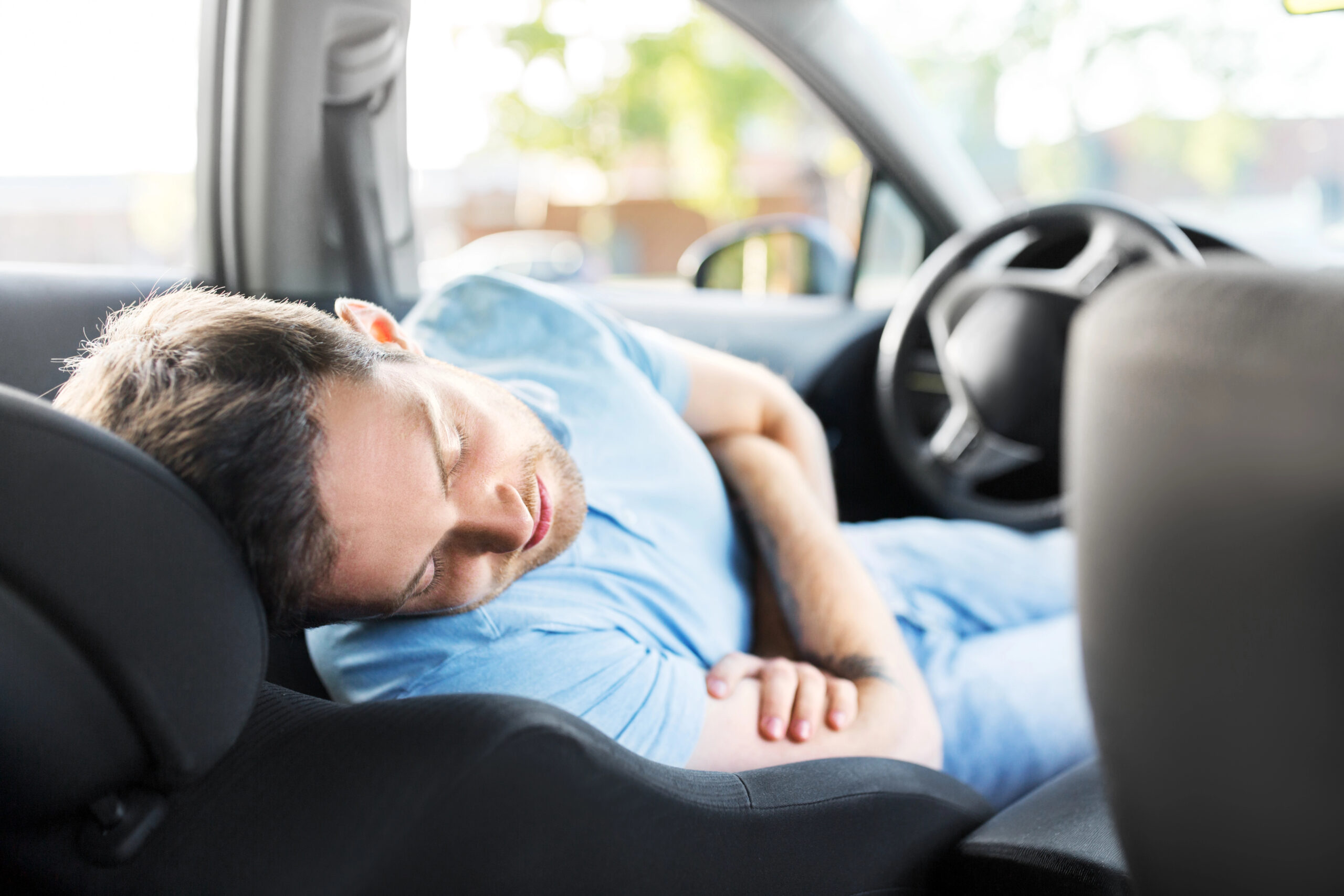
At the state level, Florida does not have a blanket law explicitly prohibiting sleeping in your car statewide. However, vagrancy laws and specific prohibitions against “camping” or “loitering” in public places are common and can be applied to individuals sleeping in vehicles. Furthermore, the Florida Highway Patrol and other law enforcement agencies maintain strict rules regarding rest areas. While parking is permitted for short periods, overnight stays or extended occupancy at most public rest stops are generally not allowed and can result in citations or being asked to move. The intent is for rest areas to be temporary stops, not overnight lodging.
City and County Ordinances
The most significant legal hurdles come from municipal and county ordinances. Many cities across Florida have specific laws against sleeping in vehicles on public streets, parking lots, or other public property. These ordinances are often enacted to address issues like homelessness, public safety, and maintaining the aesthetic appeal of urban areas. For instance, popular tourist destinations like Miami, Orlando, Tampa, and Key West are particularly stringent, with officers actively patrolling for unauthorized overnight vehicle stays. Fines can be substantial, and repeated offenses could lead to more serious consequences. It is always advisable to check the specific regulations of the city or county you plan to visit before considering an overnight stay in your vehicle.
Parking Restrictions and Enforcement
Beyond specific anti-camping ordinances, general parking restrictions can also impact car sleepers. Many commercial parking lots, especially in urban centers, have clear signage prohibiting overnight parking. Even in areas without explicit “no sleeping” signs, parking for extended periods in residential zones or commercial lots after business hours can attract attention from law enforcement or property owners. Towing services are a common consequence of violating these restrictions. Discretion and an understanding of local parking signs are essential to avoid issues.
Practical Considerations for Car Camping in Florida
Assuming you find a legal spot, the unique environment of Florida presents its own set of practical challenges for sleeping in a car.
Safety and Security
Safety should be your foremost concern. An occupied vehicle can be a target for theft or other criminal activity, especially if it appears to be parked in an isolated or poorly lit area.
- Location: Prioritize well-lit, populated areas if possible, but be aware that these are often where legal restrictions are most enforced. Conversely, secluded areas, while offering more privacy, can be less safe.
- Discretion: Avoid making it obvious that you are sleeping in your car. Use subtle window coverings, keep the interior tidy, and avoid loud noises.
- Valuables: Keep valuables out of sight or, ideally, locked away.
- Self-Defense: Consider carrying personal safety devices and having a plan in case of an emergency.
Comfort and Essentials
Florida’s climate is subtropical, meaning hot, humid days and often warm nights, even in winter, especially in the southern parts of the state.
- Ventilation: Good airflow is critical to prevent overheating and condensation. Window screens can keep insects out while allowing air circulation.
- Temperature Control: A battery-operated fan can make a significant difference. Consider insulating your windows to block out sunlight and heat during the day.
- Hydration: Always have plenty of water. Dehydration is a real risk, especially during warmer months.
- Sanitation: Access to restrooms, showers, and trash disposal is often limited when car camping. Plan your stops accordingly.
- Insect Protection: Mosquitoes and other biting insects are prevalent, particularly near water. Insect repellent and window screens are indispensable.
Environmental Impact and Waste Management
Responsible travel means minimizing your environmental footprint. When sleeping in your car, it’s crucial to manage waste properly. Always pack out everything you pack in. Dispose of trash in designated receptacles. Avoid leaving food scraps or other items that could attract wildlife. Remember, you are a guest in Florida’s diverse ecosystems, from the beaches to the Everglades National Park.
Finding Safe and Permitted Spots
While challenging, finding places where car camping is tolerated or explicitly allowed is possible with research and preparation.
Rest Areas and Truck Stops
As mentioned, Florida rest areas are generally not for overnight sleeping. However, commercial truck stops often provide designated overnight parking, sometimes for a fee, and usually have facilities like restrooms, showers, and food options. They cater to professional drivers who need to rest, so the presence of other people can also offer a sense of security. Always inquire with staff about specific policies.

Walmarts and Other Retailers (with permission)
Many Walmart stores, and some other big-box retailers like Cracker Barrel, have a long-standing tradition of allowing RVs and sometimes cars to park overnight in their lots. However, this is entirely at the discretion of the individual store manager and is becoming less common due to local ordinances and security concerns. Always, always ask for permission inside the store before settling in for the night. Never assume it’s allowed. If permission is granted, park towards the back of the lot, away from customer traffic, and leave no trace.
Campgrounds and RV Parks
The safest and most legal option for sleeping in your car is to pay for a spot at a private campground or RV park. Many of these parks offer primitive tent sites or even specific vehicle sites that are less expensive than full RV hookups. This provides access to amenities like restrooms, showers, and often security. It’s a great way to enjoy the car camping experience without legal stress. Florida has an extensive network of both private and public campgrounds.
Designated Overnight Parking Areas
Some cities or counties may have designated areas where overnight vehicle parking is permitted, often near trailheads, boat ramps, or specific public parking lots. These are rare and usually clearly marked. Again, thorough research of local government websites or calling visitor information centers for specific locales like Jacksonville or St. Petersburg is essential.
Alternative Budget-Friendly Accommodation Options
If sleeping in your car proves too difficult or risky, Florida offers numerous budget-friendly alternatives that provide more comfort and legality.
Hostels and Budget Hotels
Florida has a growing number of hostels, particularly in tourist hubs like Miami Beach and Orlando, which offer very affordable dorm beds or private rooms. Similarly, numerous budget hotel chains provide clean, basic accommodations at competitive prices, especially if booked in advance or during off-peak seasons.
State Parks and National Forests Camping
Florida State Parks and national forests like the Ocala National Forest offer beautiful, affordable campsites. These sites are designed for camping and provide facilities such as restrooms, picnic tables, and sometimes showers. Reservations are often recommended, especially during peak season or holidays. While primarily for tents or RVs, many allow vehicles to park at the campsite, making them a legal and scenic option for car sleepers.
Peer-to-Peer Rental Services
Websites connecting travelers with private property owners offering camping spots or driveways for rent are an emerging option. This can range from a simple parking spot to a full backyard with amenities. These services provide a legal and often safer alternative to illicit car camping, with the added benefit of local insights from your host.
Preparing for Your Florida Car Trip
If you still choose to embark on a car camping adventure in Florida, meticulous preparation is key.
Vehicle Preparation
Your vehicle is your shelter, so ensure it’s in top condition. Perform a thorough check of tires, fluids, brakes, and battery. Consider adding window screens, a portable fan, and good quality privacy covers for all windows. A robust jump starter pack can be a lifesaver.
Personal Safety and Awareness
Always trust your instincts. If a location feels unsafe or raises red flags, move on. Inform someone of your travel plans and expected locations. Keep your phone charged and have an emergency kit readily accessible. Be aware of your surroundings, especially at night.
Essential Gear
Beyond basic camping gear, consider these Florida-specific items:
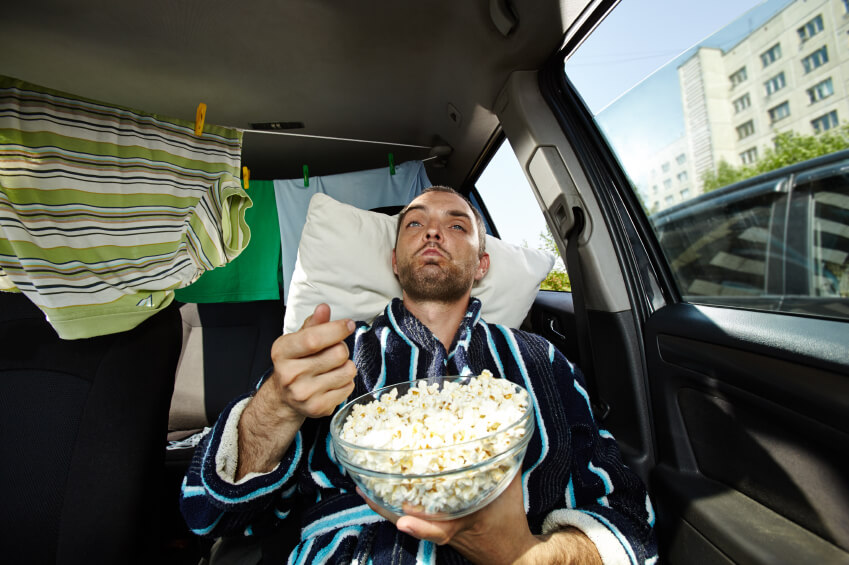
- High-quality insect repellent (with DEET or picaridin).
- Window screens to keep bugs out while allowing airflow.
- Battery-operated fan.
- Insulated window coverings for privacy and temperature control.
- Reflective sunshade for the windshield.
- Plenty of water and non-perishable snacks.
- First-aid kit.
- Portable power bank for charging devices.
While the dream of waking up to a sunrise on a Florida beach from the comfort of your car is appealing, the reality demands careful planning, respect for local laws, and a strong emphasis on safety and responsibility. For most travelers, the legal and practical challenges make traditional camping or budget accommodations a more viable and stress-free option for exploring the beauty of the Sunshine State.
LifeOutOfTheBox is a participant in the Amazon Services LLC Associates Program, an affiliate advertising program designed to provide a means for sites to earn advertising fees by advertising and linking to Amazon.com. Amazon, the Amazon logo, AmazonSupply, and the AmazonSupply logo are trademarks of Amazon.com, Inc. or its affiliates. As an Amazon Associate we earn affiliate commissions from qualifying purchases.