
Navigating the vast and varied landscapes of Texas can be an exhilarating experience, from the bustling streets of its major metropolises to the serene beauty of its natural parks. For travelers, understanding local driving laws is paramount to a safe and enjoyable journey. One common question that arises, particularly for those accustomed to different traffic regulations, is about the legality and practice of splitting lanes while riding a motorcycle. This article delves into the specific regulations and considerations surrounding lane splitting in the Lone Star State, offering insights relevant to motorcyclists and anyone interested in the nuances of Texas traffic law.
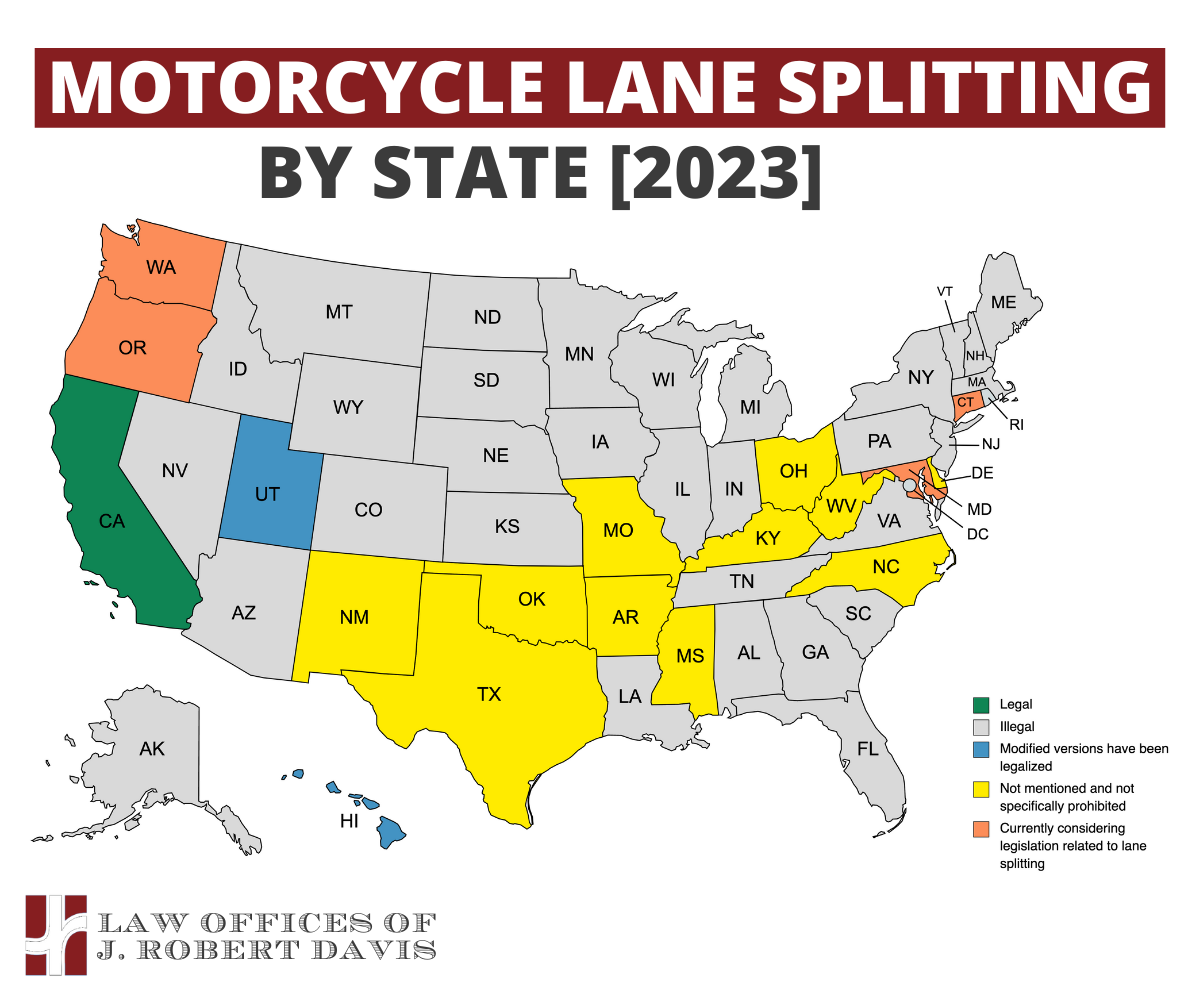
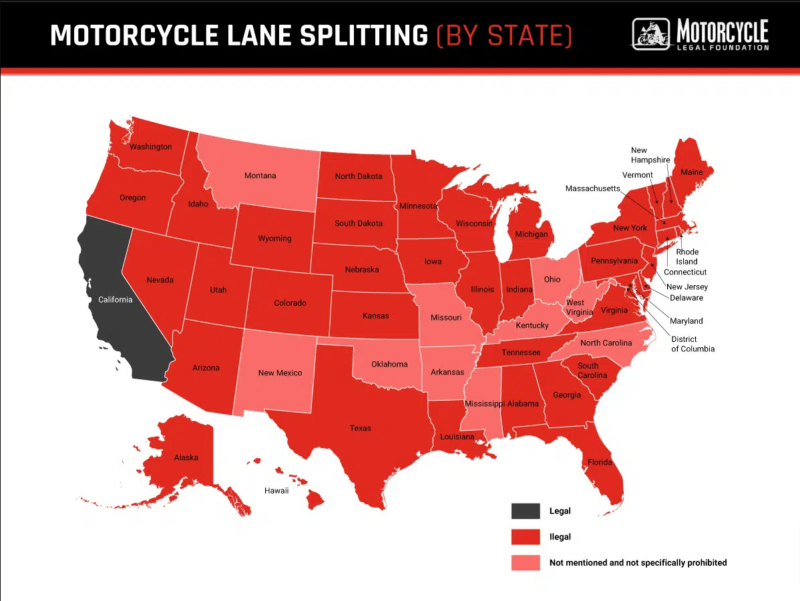
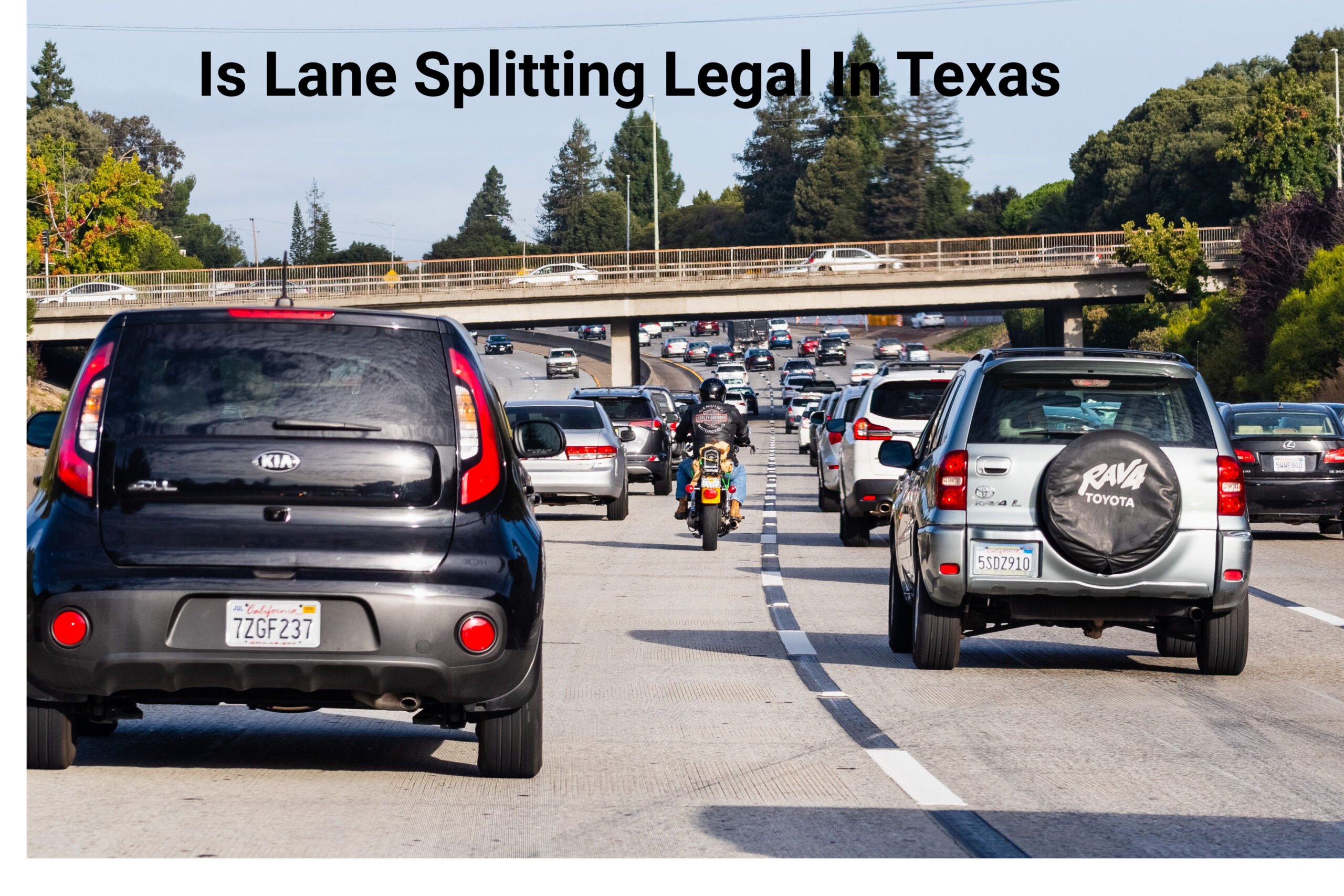
The concept of lane splitting, also known as filtering or lane sharing, refers to the practice of a motorcyclist riding between two lanes of stopped or slow-moving traffic. This maneuver is often employed to bypass congestion and reduce travel time, and its legality varies significantly from state to state across the United States. While some states have explicitly legalized lane splitting, others have outlawed it, and a few have no specific legislation on the matter, leaving it in a legal gray area. For motorcyclists planning a trip through Texas, understanding this distinction is crucial for avoiding potential fines and ensuring a safe passage.
Understanding Texas Motorcycle Lane Splitting Laws
In Texas, the legal status of lane splitting is quite clear: it is illegal. Unlike states such as California or Arizona, where lane splitting is permitted under certain conditions, Texas law does not grant motorcyclists the privilege to ride between lanes of traffic. This prohibition is rooted in the state’s vehicle code, which is designed to ensure the orderly flow of traffic and the safety of all road users.
Texas Transportation Code Section 545.057 addresses motorcyclists’ operation of vehicles. While it permits motorcycles to operate on the roadway and allows them to “operate at the full lawful width of a lane,” it does not, by omission or implication, authorize lane splitting. This means that a motorcycle must occupy a full lane and cannot weave between vehicles. The emphasis is on operating within a lane, not between them. The rationale behind this law is to prevent accidents that could occur due to misjudgment of space, speed differences, or sudden actions by other drivers.
The dangers associated with lane splitting are manifold. Motorcyclists are more vulnerable than occupants of cars, and any collision, even at low speeds, can have severe consequences. Drivers may not expect a motorcycle to appear between lanes, leading to surprise and potential swerving maneuvers that could cause accidents. Furthermore, the confined space between vehicles can make it difficult for motorcyclists to react to sudden braking or lane changes by other drivers. Texas lawmakers have prioritized the safety of all road users by adopting a more conservative approach to lane splitting, aligning with the majority of states that have not legalized this practice.
The Rationale Behind the Prohibition
The decision to prohibit lane splitting in Texas is largely driven by a commitment to road safety. The Texas Department of Public Safety (DPS) and other traffic safety organizations consistently advocate for responsible riding practices, which include adhering to established traffic laws. The primary concern is the potential for increased accidents and injuries.
- Vulnerability of Motorcyclists: Motorcycles offer less protection than enclosed vehicles. A collision during lane splitting could easily lead to serious injuries for the rider, even at slow speeds. The lack of a protective cage, airbags, or seatbelts makes motorcyclists significantly more exposed.
- Driver Awareness: Drivers of cars and trucks are often not looking for motorcycles in between lanes. They are typically focused on the vehicles directly in front of them and adjacent lanes. The sudden appearance of a motorcycle in these blind spots can lead to startling reactions and accidents.
- Speed Differentials: Lane splitting often involves a motorcycle moving at a higher speed than the surrounding traffic, especially in congested conditions. This speed differential increases the risk of a high-impact collision if an accident occurs.
- Roadway Conditions: Texas roads, like those in many other states, can present various hazards such as potholes, debris, oil slicks, and uneven surfaces. These conditions can be exacerbated for a motorcyclist attempting to navigate the narrow spaces between vehicles.
The Texas Legislature, when crafting traffic laws, aims to create a framework that promotes predictable behavior on the road. Lane splitting introduces an element of unpredictability that can disrupt the established flow of traffic and elevate the risk for all involved. Therefore, the prohibition is not merely an arbitrary rule but a measured response to perceived safety risks.
Consequences of Illegal Lane Splitting
Riders caught splitting lanes in Texas face legal repercussions. The specific penalties can vary depending on the discretion of law enforcement officers and the local jurisdiction, but they typically involve citations and fines.
- Traffic Citations: A motorcyclist observed lane splitting will likely receive a citation for a traffic violation. This citation will carry a fine and may result in points being added to the rider’s driving record. Accumulating too many points can lead to increased insurance premiums and even license suspension.
- Fines: The monetary fines for traffic violations in Texas can range from modest amounts to significant sums, often increasing with subsequent offenses.
- Insurance Implications: A traffic violation for lane splitting could negatively impact a motorcyclist’s insurance rates. Insurance companies view traffic violations as indicators of higher risk, which can translate into more expensive premiums.
- Safety Course Requirements: In some cases, a judge might order a rider to attend a defensive driving course or a motorcycle safety course as a condition of dismissing the ticket or reducing the penalty. While beneficial for improving riding skills, this also represents an additional time and financial burden.
It is important for all motorcyclists in Texas, whether residents or visitors, to be aware of these consequences and to operate their motorcycles in accordance with the law. The focus should always be on riding defensively and safely within the designated lane.
Alternatives to Lane Splitting for Motorcyclists in Texas
While lane splitting is not permitted in Texas, motorcyclists can still employ various strategies to navigate traffic safely and efficiently, especially during periods of congestion or when traveling to popular destinations like San Antonio or Austin. These alternatives focus on defensive riding techniques and smart travel planning.
Defensive Riding Techniques
The cornerstone of safe motorcycling, regardless of lane splitting laws, is defensive riding. This approach involves anticipating potential hazards and making conscious decisions to avoid them. For motorcyclists in Texas, this means being highly aware of their surroundings and the actions of other drivers.
- Increased Following Distance: Maintaining a generous following distance from the vehicle ahead provides more time and space to react to sudden stops. This is even more critical in heavy traffic where multiple vehicles might brake unexpectedly.
- Lane Positioning: While a motorcycle must occupy a full lane, riders can strategically position themselves within that lane. For example, positioning themselves towards one side of the lane can improve visibility to other drivers and create an escape route if necessary. This is often referred to as “riding the third of the lane.”
- Visibility: Making sure to be seen by other drivers is paramount. This includes wearing brightly colored gear, using headlights at all times (which is legally required in Texas for motorcycles), and employing reflective materials. Some riders also utilize aftermarket lighting systems to enhance their visibility.
- Scanning the Environment: Continuously scanning the road ahead, to the sides, and behind is crucial. This involves looking for potential hazards such as vehicles merging, drivers turning without signaling, or pedestrians.
- Anticipating Other Drivers’ Actions: Trying to predict what other drivers might do is a key aspect of defensive riding. This includes being aware of drivers who may be distracted, impaired, or simply not paying attention.
Smart Travel Planning and Timing
One of the most effective ways to mitigate the frustration of traffic congestion is through smart travel planning. By choosing when and how to travel, motorcyclists can often avoid the worst traffic jams.
- Avoiding Peak Hours: If possible, planning travel outside of typical rush hour times (morning and evening commutes) can significantly reduce exposure to congested roads. Traveling during midday, late at night, or on weekends can offer a much smoother ride.
- Utilizing Navigation Apps: Modern navigation applications like Google Maps or Waze can provide real-time traffic updates and suggest alternative routes. While these apps cannot direct a rider to split lanes, they can help identify less congested paths.
- Exploring Scenic Routes: Texas boasts a wide array of beautiful landscapes and attractions. Instead of sticking to major highways, consider using smaller, scenic routes. These roads often have less traffic and can offer a more enjoyable travel experience, leading to destinations such as Big Bend National Park or the Texas Hill Country.
- Rest and Refreshment Stops: Planning for regular stops can break up long journeys and allow riders to assess traffic conditions at different points. Stopping at a roadside café or a park can also be part of the travel experience, turning a commute into an adventure.
Understanding Motorcycle-Specific Regulations
Beyond lane splitting, Texas has specific regulations pertaining to motorcycles that all riders should be aware of. These are designed to ensure safe operation and can be found within the Texas Transportation Code.
- Helmet Laws: Texas has a universal helmet law. All motorcycle riders and passengers are required to wear a helmet that meets federal safety standards. Helmets must have a chin strap and be properly secured. This is a critical safety measure to protect riders in the event of a crash.
- Eye Protection: Riders must also wear eye protection that meets federal standards, such as a face shield, goggles, or safety glasses. This is to protect the eyes from wind, debris, and insects, which can impair vision and lead to accidents.
- Lane Usage: As previously mentioned, motorcycles are entitled to the full width of a lane. This means they should not be forced to ride in a way that compromises their safety, such as being squeezed into narrower portions of the lane by other vehicles.
- Vehicle Equipment: Motorcycles must be equipped with specific safety features, including proper lighting, brakes, and a muffler. Modifications that excessively increase noise are also regulated.
By adhering to these regulations and practicing defensive riding, motorcyclists can ensure a safer and more pleasant experience while exploring the diverse offerings of Texas, from the vibrant cultural scene in Dallas to the historic sites in Houston.
Exploring Texas Destinations Safely on Two Wheels
Texas is a state brimming with diverse attractions, from the sprawling ranches of West Texas to the historic missions in San Antonio and the vibrant music scene in Austin. For motorcyclists, exploring these regions offers a unique perspective, allowing for a more intimate connection with the landscape and culture. However, safe travel is paramount, and understanding the legal framework, as well as adopting best practices, is key.
Planning Your Motorcycle Journey
When planning a motorcycle trip through Texas, consider the vast distances involved. Texas is the second-largest state in the U.S. by area, and journeys can span hundreds or even thousands of miles. Therefore, meticulous planning is essential.
- Route Selection: Beyond highways, consider exploring the numerous scenic byways and rural roads that Texas has to offer. These can provide more relaxed riding conditions and showcase the state’s natural beauty, such as the Alamo or the Texas State Capitol.
- Accommodation: Texas has a wide range of accommodation options, from luxury resorts like the Four Seasons Resort and Club Dallas at Las Colinas to charming bed and breakfasts and budget-friendly motels. Booking in advance is recommended, especially during peak tourist seasons.
- Vehicle Maintenance: Ensure your motorcycle is in excellent mechanical condition before embarking on a long trip. Regular maintenance checks, including tires, brakes, and fluids, are crucial for preventing breakdowns and ensuring safety.
- Packing Essentials: Pack appropriate riding gear for varying weather conditions, as Texas weather can be unpredictable. Include rain gear, warm layers, and sun protection. Also, consider carrying a basic tool kit and a tire repair kit.
Embracing the Texas Lifestyle and Culture
Texas is renowned for its hospitality, its rich history, and its distinctive culinary traditions. Motorcycling through the state offers a fantastic opportunity to immerse yourself in these aspects.
- Local Cuisine: From authentic Tex-Mex in the south to barbecue in Central Texas, the state offers a gastronomic adventure. Stop at local diners and eateries to savor regional specialties.
- Cultural Experiences: Visit historical landmarks, museums, and local festivals. Each region of Texas has its unique cultural flavor, from the cowboy heritage of the west to the artistic communities in the major cities.
- Meeting Locals: Texans are known for their friendliness. Engage with locals to gain insights into hidden gems, local lore, and the best places to eat and visit.
Safety as the Priority
Ultimately, the question of whether you can split lanes in Texas is answered with a definitive “no.” However, this prohibition should not deter motorcyclists from exploring the vast and exciting opportunities the state offers. By understanding and respecting the law, prioritizing safety through defensive riding, and planning your trips wisely, you can have an unforgettable and secure motorcycling adventure across the Lone Star State. Whether you’re headed to the Museum District in Houston or the natural wonders near Palo Duro Canyon State Park, a safe and enjoyable ride awaits.