
As the landscape of sports betting evolves across the United States, many prospective bettors are keenly interested in the specific regulations and opportunities available in individual states. For those residing in or visiting the Sooner State, the question “Can you sports bet in Oklahoma?” is a common one. While the journey towards widespread, fully legalized sports wagering has been a complex one for Oklahoma, there are nuances and developing avenues that potential bettors should understand. This exploration delves into the current status of sports betting in Oklahoma, examining the legal framework, existing options, and the potential future of this rapidly expanding industry within the state’s borders.

The Current Legal Landscape of Sports Betting in Oklahoma
Oklahoma’s approach to legalized gambling, including sports betting, is intrinsically linked to its tribal gaming compacts. The state has a significant presence of Native American tribes operating casinos, and these compacts form the backbone of most gaming regulations. Historically, tribal casinos have offered a wide array of gaming options, from slot machines and electronic games to traditional table games like blackjack and poker. However, the inclusion of sports betting has been a point of negotiation and legislative debate for several years.
Tribal Gaming Compacts and Their Role
The core of Oklahoma’s gaming laws lies within the Indian Gaming Regulatory Act (IGRA), a federal law that allows federally recognized tribes to offer Class II and Class III gaming on tribal lands, provided they have a compact with the state. Class III gaming, which includes casino-style operations and potentially sports betting, requires a state-tribal compact.
For a long time, sports betting was not explicitly included or permitted within these compacts. This meant that while tribes could offer many forms of gambling, authorized sportsbooks, as seen in states like Nevada or New Jersey, were not a reality. Governor Kevin Stitt has been a key figure in advocating for expanded gaming revenue, including sports betting, and has engaged in negotiations with tribal leaders to amend or create new compacts. These negotiations have been protracted, with differing views on how to structure such an expansion and the revenue-sharing models involved.
Legislative Efforts and Setbacks
Several legislative attempts have been made to bring sports betting to Oklahoma. These efforts have often aimed to either directly authorize sports betting statewide or to enable tribal casinos to offer it through updated compacts. However, these initiatives have faced various hurdles, including:
- Tribal Opposition/Disagreement: Not all tribes have been in favor of the proposed terms for sports betting expansion, leading to a lack of consensus.
- Political Disagreements: Debates between the Governor’s office and the legislature, as well as differing opinions on the extent of tribal gaming exclusivity, have also slowed progress.
- Legal Challenges: The regulatory framework for gambling is often subject to legal scrutiny, and any new initiatives must navigate potential challenges to their legality.
Despite these setbacks, the conversation surrounding sports betting in Oklahoma remains active, indicating a persistent interest from lawmakers and stakeholders.
Existing Avenues for Sports Wagering in Oklahoma
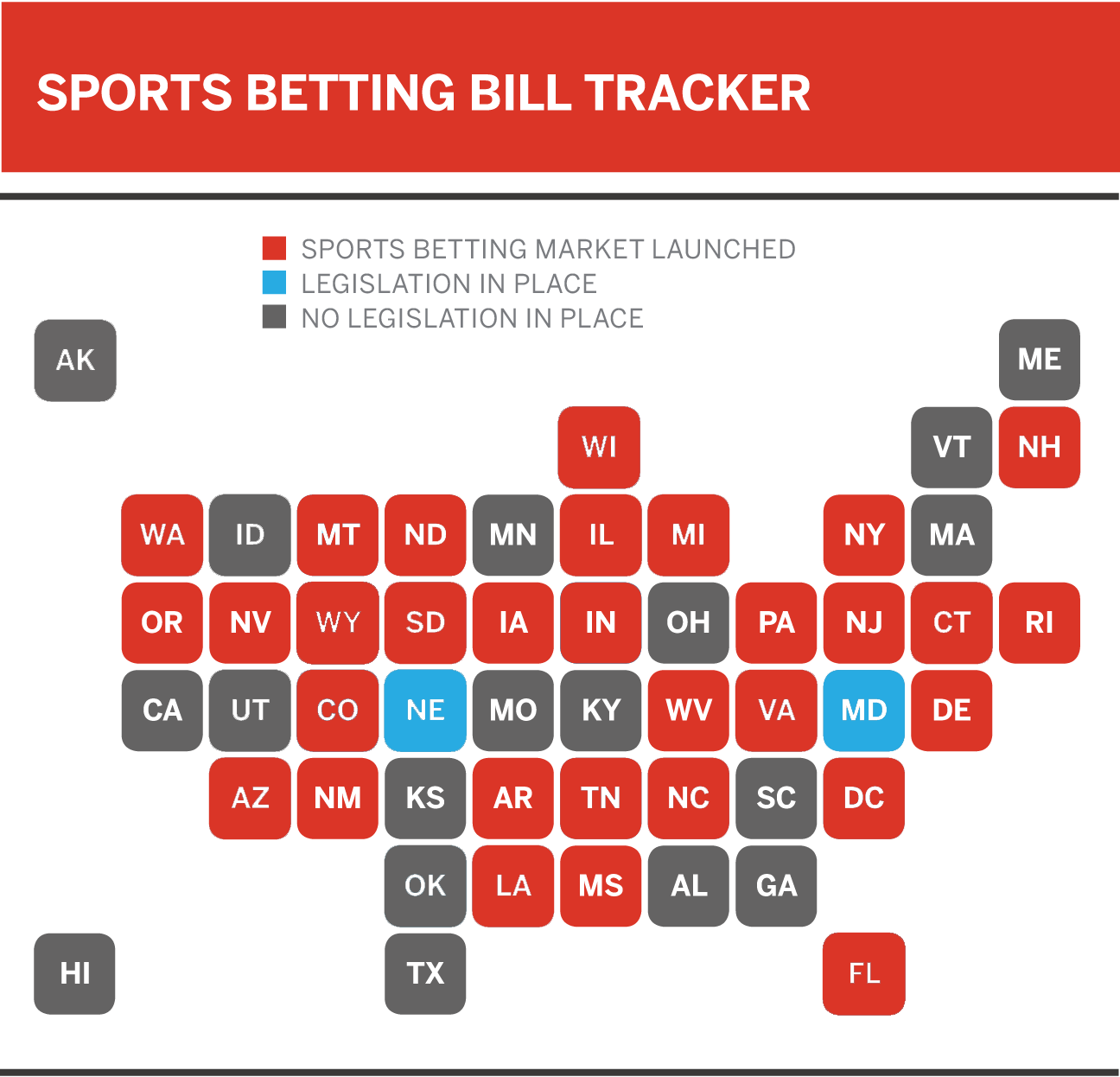
While a fully developed, state-regulated retail and online sports betting market akin to those in many other states does not yet exist in Oklahoma, there are indirect ways individuals can engage with sports wagering or closely related activities.
Tribal Casino Offerings (Limited Scope)
As of the current reporting period, Oklahoma’s tribal casinos have not widely launched fully integrated retail sportsbooks that accept traditional wagers on a broad spectrum of sporting events. However, there have been pilot programs or limited implementations in select locations. It is crucial for individuals to verify directly with individual casinos, such as the WinStar World Casino and Resort or the Cherokee Casino Resort, about any current offerings. These might include:
- Limited Event Wagering: Some casinos may have had agreements for specific, high-profile events, but this is not a consistent or widespread offering.
- Fantasy Sports: While not direct sports betting, daily fantasy sports (DFS) leagues are a popular alternative for sports enthusiasts. Many DFS platforms operate in Oklahoma, allowing users to pick virtual teams of real players and compete for prizes based on their statistical performance in actual games. This is a legal and widely accessible form of simulated sports wagering.
Offshore Sportsbooks: A Risky Proposition
Another avenue, albeit one fraught with significant risks, is the use of offshore online sportsbooks. These are platforms based outside the United States that accept wagers from individuals in states where sports betting is not legal or regulated. However, engaging with offshore sportsbooks comes with considerable drawbacks:
- Lack of Legal Recourse: If a bettor has an issue with an offshore platform (e.g., not paying out winnings, account suspension), there is virtually no legal recourse available through U.S. authorities.
- Security Concerns: These platforms are not subject to the stringent security and regulatory oversight of U.S.-based operators, potentially exposing users to risks of data breaches and fraud.
- Legality Ambiguity: While the legality of individuals betting on offshore sites can be a gray area, it is generally not the intended or regulated form of sports engagement the state wishes to facilitate.
It is strongly advised that Oklahomans seeking to engage in sports wagering prioritize legal and regulated options when they become available.
The Future of Sports Betting in Oklahoma
The trajectory of sports betting in Oklahoma appears to be one of gradual progression, driven by potential revenue generation and evolving public and political sentiment. While a definitive timeline is difficult to predict, several factors suggest that the state may eventually embrace a more robust sports betting framework.
Potential for Tribal-Led Expansion
The most likely path for legalized sports betting in Oklahoma is through expanded tribal gaming compacts. Governor Stitt’s administration has consistently expressed interest in modernizing gaming agreements to include sports betting, which could provide significant new revenue streams for the state and its tribes. If a consensus is reached between the governor and tribal leaders on mutually beneficial terms, this could pave the way for tribal casinos to offer retail and potentially online sportsbooks. This model would likely see a significant portion of the sports betting market operating under tribal licenses.
Regulatory Framework Considerations
Should sports betting become legal, key considerations will include:
- Licensing and Regulation: Establishing a clear regulatory framework will be paramount. This would involve determining who can offer sports betting (likely tribal entities initially), licensing requirements, and oversight mechanisms to ensure integrity and consumer protection.
- Taxation and Revenue Sharing: A crucial element of any new gaming legislation will be the taxation of sports betting revenue and how that revenue is shared between the state, tribes, and potentially other stakeholders.
- Responsible Gaming Measures: As with any form of gambling, robust responsible gaming initiatives will need to be implemented to protect vulnerable individuals.
Potential for Broader Market Access
While tribal gaming is the current focus, there’s always a possibility, albeit longer-term, for discussions about expanding access beyond tribal lands. However, given the strong tribal gaming presence and the legal structures in place, this is less probable in the immediate future. The current legislative and political climate strongly suggests that any widespread legalization will initially be tied to the existing tribal gaming infrastructure.

Conclusion: Navigating the Evolving Sports Betting Scene
In summary, while the dream of placing a sports bet at a licensed sportsbook within Oklahoma is not yet a widespread reality, the state is actively engaged in discussions and negotiations that could lead to such an outcome. The path forward is largely contingent on the success of tribal gaming compact negotiations and legislative action. For now, Oklahomans interested in sports wagering have limited options, primarily relying on the developing landscape of tribal offerings and the popular, legal alternative of daily fantasy sports. As the legal and regulatory environment continues to evolve, staying informed about legislative developments and potential new opportunities will be key for any enthusiast looking to get in on the action. The potential for significant revenue and economic activity means that the conversation about sports betting in Oklahoma is likely to remain a prominent one.
LifeOutOfTheBox is a participant in the Amazon Services LLC Associates Program, an affiliate advertising program designed to provide a means for sites to earn advertising fees by advertising and linking to Amazon.com. Amazon, the Amazon logo, AmazonSupply, and the AmazonSupply logo are trademarks of Amazon.com, Inc. or its affiliates. As an Amazon Associate we earn affiliate commissions from qualifying purchases.