
For millions of sports enthusiasts and travelers flocking to the Lone Star State, the question of legal sports betting in Texas remains a topic of considerable interest. Texas, a land renowned for its larger-than-life personality, vast landscapes, and an unparalleled passion for sports, currently stands as one of the largest untapped markets in the United States for regulated sports wagering. While the spirit of competition runs deep in every Texan heart, from high school football under Friday night lights to professional championship battles, placing a legal bet on a favorite team or athlete within state lines remains elusive.
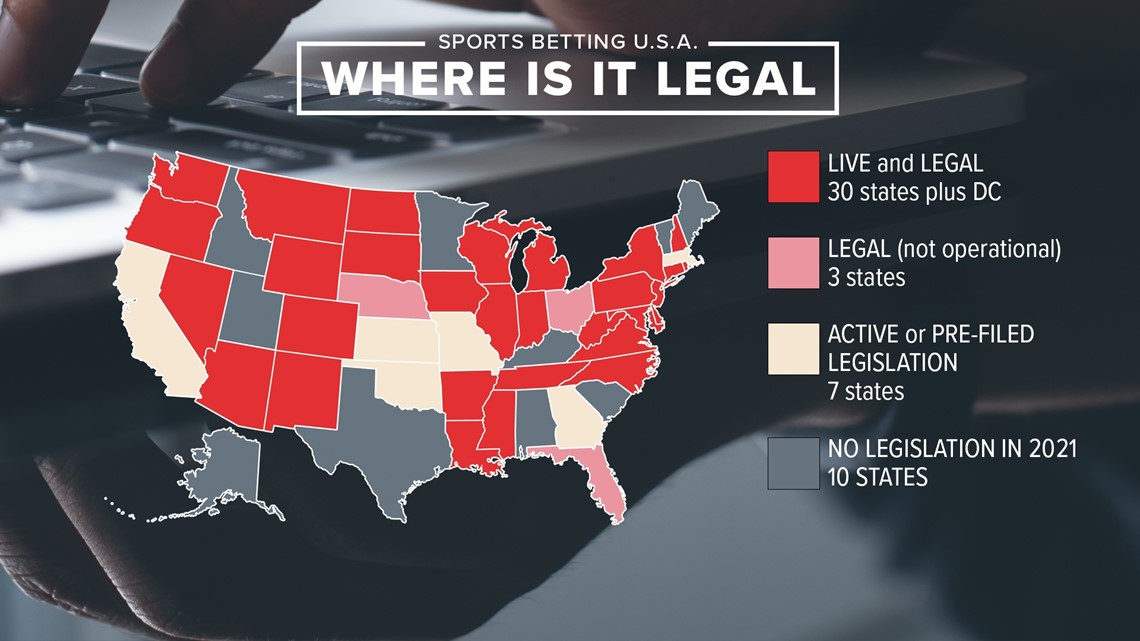
This comprehensive guide delves into the current legal status of sports betting in Texas, exploring the legislative hurdles, the potential economic and tourism impacts, and what the future might hold for this burgeoning industry in one of America’s most dynamic states. For visitors planning a trip to Texas, or residents keen to understand the evolving landscape of gaming, understanding the nuances of this situation is key to appreciating the full spectrum of experiences the state has to offer.
The Current Landscape: Awaiting the Green Light
Despite the nationwide trend towards legalization following a landmark Supreme Court decision, Texas has maintained a cautious approach to expanding its gambling laws. The state’s conservative stance on gaming, rooted in historical and cultural factors, has meant that proposals for sports betting have faced significant challenges.
The Legal Stance Today
As it stands, sports betting is not legal in Texas. This means that both in-person retail sportsbooks and online mobile betting platforms are prohibited within the state’s borders. Unlike many other states that have embraced sports wagering as a new revenue stream and an enhancement to their entertainment offerings, Texas residents and visitors cannot legally place bets on sporting events.
This prohibition extends to all forms of sports betting, whether it’s predicting the outcome of a Dallas Cowboys game, placing a wager on the Houston Astros in the World Series, or even collegiate events involving powerhouse teams from the Big 12 Conference or those soon-to-be in the Southeastern Conference. The state’s existing gambling laws are restrictive, primarily allowing for the state lottery, pari-mutuel wagering on horse and dog racing, and charitable bingo. Traditional casino gambling is also largely illegal, with the exception of a few tribal casinos operating under federal law.
Legislative Efforts and Roadblocks
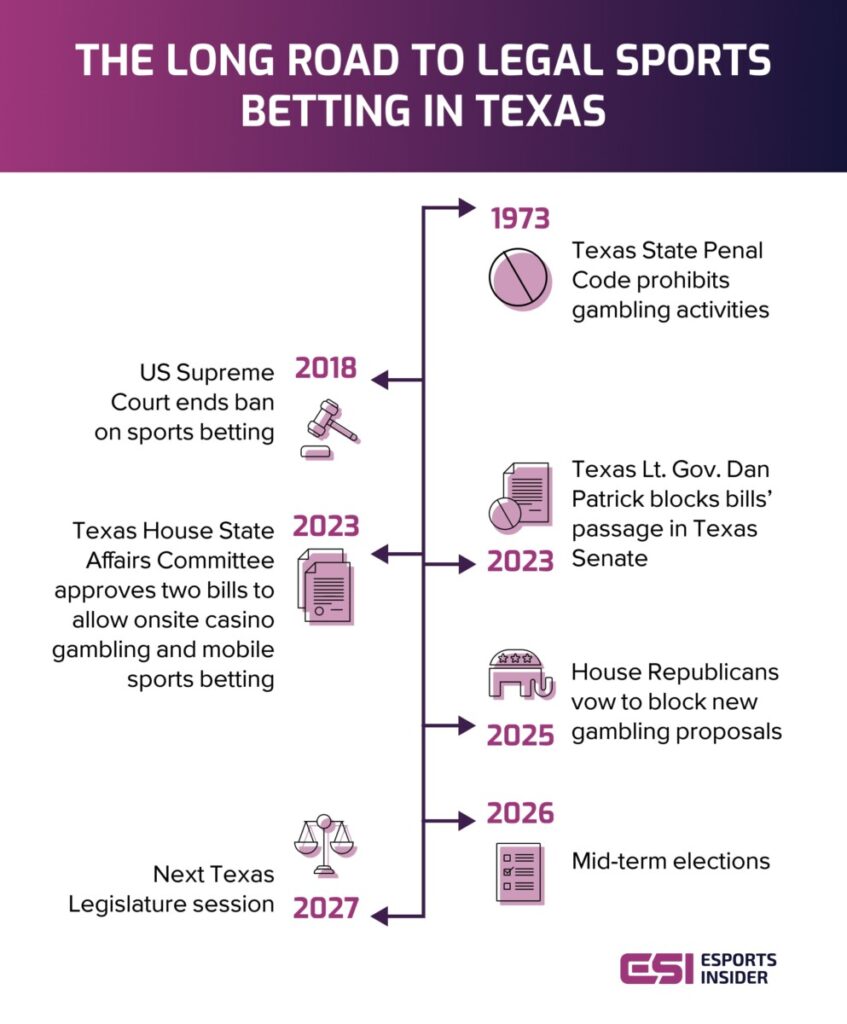
The journey towards legalizing sports betting in Texas has been marked by repeated legislative attempts and persistent roadblocks. Each legislative session sees various bills introduced aiming to permit and regulate sports wagering, often citing the immense potential for tax revenue and job creation. Proponents argue that legalizing sports betting would bring an estimated hundreds of millions of dollars annually into state coffers, money that could be allocated to public services such as education, infrastructure, or property tax relief.
Powerful lobbying groups, including a coalition of professional sports teams like the Dallas Cowboys, Houston Texans, Dallas Mavericks, San Antonio Spurs, and Texas Rangers, have actively campaigned for legalization. They see sports betting as a natural extension of the fan experience and a way to further engage their vast fan bases. These teams, alongside major gaming operators like DraftKings and FanDuel, emphasize that a regulated market would provide consumer protection, combat illegal offshore betting, and generate significant economic benefits.
However, these efforts have consistently met resistance from conservative lawmakers and certain anti-gambling advocacy groups who raise concerns about the potential social costs, addiction issues, and the moral implications of expanding gambling. The requirement for a constitutional amendment—which necessitates a two-thirds majority vote in both the House and Senate, followed by a statewide voter referendum—poses a particularly high bar for any gambling expansion bill in Texas. This intricate political landscape ensures that any progress is painstakingly slow and requires broad bipartisan consensus, which has yet to fully materialize.
Why Legalizing Sports Betting Matters for Texas Tourism and Economy
The potential legalization of sports betting in Texas isn’t just about placing a wager; it represents a significant opportunity to reshape the state’s tourism landscape, inject substantial capital into its economy, and offer a new dimension to its already vibrant lifestyle. Given Texas’ immense size and population, the economic ripple effects could be monumental.
Boosting Travel and Hotel Stays
Imagine a scenario where visitors to Texas could enhance their travel experience by legally placing bets on their favorite teams. This could significantly boost tourism, attracting a new demographic of travelers who combine their passion for sports with the excitement of wagering.
Cities like Houston, Dallas, Austin, and San Antonio – already major tourist destinations – could see an influx of visitors drawn by the prospect of live sports events coupled with convenient betting options. Tourists might choose to extend their stays, book additional nights in hotels (from boutique accommodations to luxury resorts), and spend more on local attractions, dining, and retail. For example, a traveler attending a game at AT&T Stadium or Minute Maid Park might stay an extra day or two to explore the surrounding city, knowing they can also engage in legal sports betting.
Hotel operators, from global chains like MGM Resorts International (which operates in other states with legal betting) to independent establishments, could see increased occupancy rates and revenue. Many hotels might even consider integrating sports betting lounges or partnerships with mobile platforms to cater directly to their guests, similar to how properties in Las Vegas and other gaming hubs operate. This would transform a simple overnight stay into a complete entertainment package, blending accommodation with thrilling sports engagement.
A New Dimension to Texas Lifestyle and Entertainment
For residents, legal sports betting would introduce a new and exciting element to their lifestyle and entertainment options. Texans are passionate about their sports teams, and the ability to place a legal wager adds another layer of engagement and excitement to watching games. Imagine gathering with friends at a sports bar in Austin, watching a pivotal playoff game, and having the option to place a quick bet on your phone. This integrates seamlessly into modern social patterns and enhances the overall fan experience.
Furthermore, regulated sports betting could lead to the development of new entertainment venues and experiences. Sportsbooks, similar to those found in Nevada at properties like the Mirage or Bellagio, could emerge as vibrant social hubs where fans can gather, watch multiple games, and place bets in a lively atmosphere. This could revitalize existing entertainment districts or even spur the creation of new ones, offering diverse options beyond traditional nightlife. The convenience of mobile betting would also mean that participation isn’t limited to specific locations, allowing Texans to engage responsibly from almost anywhere within the state.
Economic Windfalls: Revenue and Job Creation
The economic arguments for legalizing sports betting are compelling. States that have embraced it have consistently reported significant tax revenues, often exceeding initial projections. The American Gaming Association estimates that a legal and regulated sports betting market in Texas could generate billions in economic activity. This revenue could provide a stable and substantial funding source for public services, reducing the burden on taxpayers.
Beyond direct tax revenue, the industry would create thousands of new jobs across various sectors. This includes positions in technology (for mobile platforms), marketing, customer service, data analytics, and hospitality (for retail sportsbooks and related entertainment venues). Construction jobs would also emerge for building new facilities or renovating existing ones to accommodate sports betting operations. The ancillary benefits extend to local businesses—restaurants, bars, transportation services, and retail—which would all see increased patronage from both tourists and locals engaging with the new betting opportunities. In essence, legal sports betting presents a robust economic stimulus package for a state already known for its strong economy.
Exploring Options: Where Texans Currently Place Their Bets
With legal sports betting still out of reach within Texas, the demand from its sports-loving population doesn’t simply disappear. Instead, it pushes enthusiasts to seek out alternative avenues, some legal and regulated in other jurisdictions, and others operating in a less-than-ideal gray area. This highlights the existing appetite for sports wagering and the potential for a regulated in-state market to capture this activity.
Cross-Border Adventures: Betting in Neighboring States
For many Texans eager to place legal sports bets, a road trip across state lines has become a common practice. Several neighboring states have already legalized sports betting, creating convenient destinations for a quick getaway focused on sports and entertainment.
- Louisiana: Directly to the east, Louisiana offers both retail and mobile sports betting. Cities like Shreveport and Lake Charles, which are relatively accessible from eastern Texas population centers like Houston and Dallas, have become popular destinations. These border towns often feature casinos and resorts that have opened up sportsbooks, providing a comprehensive entertainment experience that combines hotel stays, dining, and gaming. A weekend trip to Louisiana might include enjoying Creole cuisine, live music, and the thrill of placing a legal wager.
- New Mexico: To the west, certain tribal casinos in New Mexico offer in-person sports betting. While not as widespread as Louisiana’s offerings, for residents of western Texas such as El Paso, a trip to a nearby New Mexico casino provides a legitimate option.
- Oklahoma: To the north, Oklahoma has made strides towards legalizing sports betting, particularly through tribal compacts. While the full scope of statewide mobile betting may still be evolving, some tribal casinos are beginning to offer options, drawing visitors from the Dallas-Fort Worth Metropolitan Area and other northern Texas cities.
These cross-border excursions represent a significant outflow of potential tax revenue and tourist dollars from Texas to its neighboring states. The travel industry in these bordering areas benefits from Texans booking hotel rooms, eating at restaurants, and fueling up their cars, all to access a legal activity unavailable back home.
The Growth of Offshore Platforms
Beyond legal cross-border travel, a less desirable consequence of Texas’ prohibition is the proliferation of unregulated offshore betting websites. These platforms, while easily accessible online, operate outside the jurisdiction of U.S. and Texas law, posing significant risks to consumers. Without proper regulatory oversight, users face issues such as questionable payout practices, lack of recourse in disputes, and inadequate consumer protection measures.
The existence and use of these offshore sites underscore the strong demand for sports betting within Texas. Lawmakers and gaming advocates frequently cite the need to bring this activity into a regulated framework, not only to generate tax revenue but also to protect Texans from the inherent dangers of the unregulated market. Legalization would allow the state to implement responsible gaming measures, verify the age of bettors, and ensure fair play, creating a safer environment for those who choose to participate.
The Future of Sports Betting in Texas: A Glimpse into Potential
While the path to legal sports betting in Texas is undoubtedly complex, the persistent efforts of proponents and the growing trend nationwide suggest that it may be a matter of “when,” not “if.” The potential impact on the state’s travel, tourism, and lifestyle sectors is vast, promising new avenues for entertainment and economic growth.
Integrating Betting with Iconic Texas Experiences
Should sports betting become legal, it could seamlessly integrate with the iconic experiences Texas already offers. Imagine a pre-game ritual for a Houston Texans game where fans can visit a state-of-the-art sportsbook at a nearby entertainment complex, place their wagers, and then head to NRG Stadium (if built or renovated) for the action. Or consider visitors enjoying the vibrant nightlife of Austin, with the option to engage in responsible mobile betting from their hotel room after a day of exploring landmarks and local cuisine.
This integration could extend to major events that already draw huge crowds to Texas, such as the Formula 1 Grand Prix at the Circuit of the Americas or the Houston Livestock Show and Rodeo. These events could potentially offer on-site betting facilities or designated zones, enhancing the thrill for attendees and providing an additional layer of entertainment. The robust infrastructure for sports and entertainment already present in Texas makes it an ideal candidate for such an integration.
The Role of Technology and Mobile Betting
The future of sports betting is undeniably mobile. The convenience of placing bets from a smartphone or tablet is a major driver of engagement in states where it is legal. For Texas, mobile betting would be crucial for maximizing revenue and participation, especially given the state’s immense geographical size. A visitor staying in San Antonio could place a bet on a Dallas Mavericks game without having to travel to a physical sportsbook.
This reliance on technology means that any future legislation would likely prioritize a robust online and mobile framework. This would involve licensing multiple operators, ensuring competitive markets, and implementing strong cybersecurity and responsible gaming protocols. The technological infrastructure already exists within Texas, a hub for innovation, making the transition to a mobile-first betting landscape relatively smooth from a technical standpoint. This also opens opportunities for tech companies based in Texas to contribute to the development and maintenance of these platforms.
What it Means for Visitors and Residents
For visitors to Texas, the legalization of sports betting would add an appealing new facet to their travel experience. It would mean that a trip to see a major sporting event, explore a new city, or enjoy the state’s unique culture could also include the excitement of legal wagering. This could position Texas as an even more attractive destination for sports tourists, potentially rivalling traditional gaming hubs by combining world-class sports with a distinctive cultural backdrop.
For residents, it means greater freedom and access to a popular form of entertainment that is currently restricted. It signifies a shift towards a regulated, safer environment for those who choose to bet, moving away from the grey markets that currently exist. Importantly, it would also provide significant funding opportunities for the state, channeling profits that currently leave Texas into programs and services that benefit all Texans.
While the journey to legal sports betting in Texas has been protracted, the momentum for change is undeniable. As more states embrace this modern form of entertainment, the pressure on Texas to adapt and capture the vast economic opportunities continues to build. The day may well come when the roar of the crowd at a Texas sporting event is accompanied by the thrill of a legally placed wager, seamlessly blending into the rich tapestry of the Lone Star State’s travel, tourism, and lifestyle offerings.
LifeOutOfTheBox is a participant in the Amazon Services LLC Associates Program, an affiliate advertising program designed to provide a means for sites to earn advertising fees by advertising and linking to Amazon.com. Amazon, the Amazon logo, AmazonSupply, and the AmazonSupply logo are trademarks of Amazon.com, Inc. or its affiliates. As an Amazon Associate we earn affiliate commissions from qualifying purchases.