
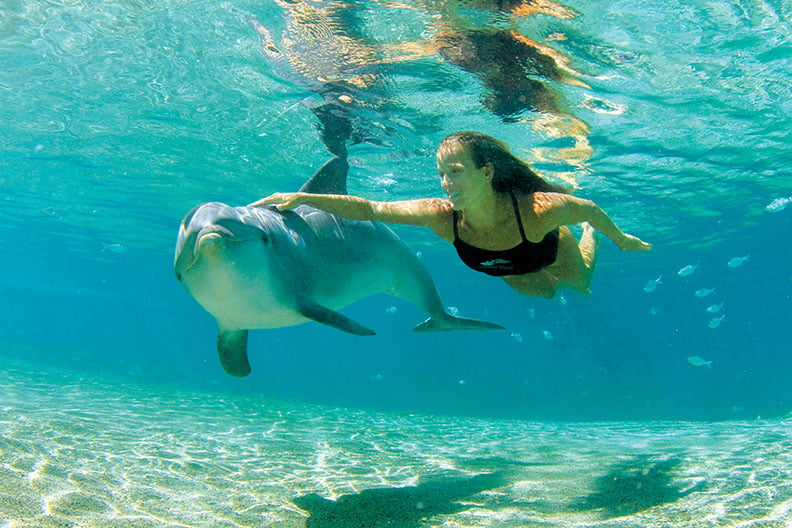
The dream of gliding through crystal-clear turquoise waters alongside a pod of playful dolphins is a bucket-list item for many travelers visiting Hawaii. The archipelago, nestled in the heart of the Pacific Ocean, is home to some of the most diverse and vibrant marine life on the planet. However, the question of whether you can—or should—swim with these intelligent creatures is a complex one, involving federal laws, ethical considerations, and a deep respect for local culture. As tourism continues to evolve toward a more sustainable and respectful model, understanding the nuances of marine wildlife encounters is essential for every visitor to the United States most tropical state.
Understanding Federal Regulations and the Marine Mammal Protection Act
In recent years, the legal landscape surrounding dolphin encounters in Hawaii has changed significantly. For decades, it was common for tour operators to lead groups into the water to “swim with” wild dolphins, particularly the famous Hawaiian spinner dolphins. However, as research began to show the detrimental effects of human interference on dolphin sleep and breeding cycles, the National Oceanic and Atmospheric Administration intervened.
The Spinner Dolphin Rule
The most critical regulation to understand is the 2021 ruling under the Marine Mammal Protection Act, which prohibits swimming with, approaching, or remaining within 50 yards of a Hawaiian spinner dolphin. This rule applies to all people within two nautical miles of the shore. The reason for this strict distance is biological: spinner dolphins are nocturnal hunters. They spend their nights in the deep ocean and return to shallow, protected bays during the day to rest and socialize. To the untrained eye, a dolphin swimming slowly in a bay looks “active,” but they are often in a state of rest. When humans jump into the water to interact with them, it disrupts their sleep, which can lead to long-term health issues and decreased calf survival rates.
Respecting Hawaii’s Marine Wildlife
While the 50-yard rule specifically targets spinner dolphins, it is best practice to maintain a respectful distance from all marine life, including bottlenose dolphins and spotted dolphins. The goal of modern tourism in the islands is to be an observer rather than an interrupter. This shift ensures that the very animals tourists come to see can continue to thrive in their natural habitat. Travelers are encouraged to look for tour operators who carry the “Dolphin SMART” certification, a program designed by the National Oceanic and Atmospheric Administration to promote responsible stewardship of wild dolphins.
Best Places for Responsible Dolphin Watching in Hawaii
Each island in the chain offers a unique vantage point for observing dolphins in the wild. While you cannot “swim with” them in the sense of jumping into a pod, the viewing experiences from a boat or from a distance while snorkeling are breathtaking.
Oahu’s West Coast and Waianae
The Waianae Coast on the west side of Oahu is perhaps the most famous area for dolphin sightings. Far from the bustling crowds of Honolulu and the iconic Waikiki Beach, the calm waters of the west side serve as a primary resting ground for spinner dolphins. Numerous boat tours depart from the Waianae small boat harbor, offering guided tours that educate guests on dolphin behavior. While on Oahu, visitors often combine these tours with visits to landmarks like Pearl Harbor or a hike up Diamond Head, but the serenity of the west coast offers a stark and beautiful contrast to the city life of the island.
The Big Island and Kealakekua Bay
The Big Island of Hawaii provides some of the most pristine marine environments in the world. Kealakekua Bay State Historical Park, located south of Kona, is a marine sanctuary famous for its history and its wildlife. It is the site where Captain Cook first landed on the island, and its deep, protected waters are a favorite for dolphins. Travelers can kayak into the bay or take a catamaran from Kona to see dolphins leaping in the distance. Further north, the rugged coastline near Hilo offers a different, more wild perspective of the island’s aquatic residents, though the waters there are often choppier and less suited for casual boat tours.
Maui and the Auau Channel
Maui is renowned for its whale watching, but dolphins are a year-round attraction. The Auau Channel, which sits between Maui, Lanai, and Molokai, is a highway for marine life. Spinner dolphins are frequently seen playing in the wake of boats heading toward the Molokini Crater for snorkeling. The island of Lanai, in particular, has a high population of spinner dolphins that frequent Hulopoe Bay. Taking a ferry or a tour boat from Lahaina to Lanai is one of the most reliable ways to see large pods in their natural element.
Kauai’s Na Pali Coast
The garden isle of Kauai offers what many consider to be the most dramatic backdrop for dolphin watching. The Na Pali Coast, with its 3,000-foot emerald cliffs and sea caves, is a haven for spinner and bottlenose dolphins. Because much of this coastline is inaccessible by land, a boat tour is the only way to experience its full majesty. Watching a pod of dolphins jump against the backdrop of the Na Pali Coast is a highlight of any trip to Kauai. For those staying on the southern shore, Poipu Beach occasionally sees dolphins passing by, though they typically stay further out beyond the reef.
Cultural Significance of Dolphins in Hawaiian Tradition
In the context of Hawaiian tourism, it is vital to respect the cultural weight that marine animals carry. To the Native Hawaiian people, the ocean is not just a playground but a source of life and a spiritual realm.
The Nai’a as an Aumakua
Dolphins, known as “nai’a” in the Hawaiian language, are often regarded with great reverence. In some family lineages, dolphins are considered “aumakua”—ancestral spirit guides that take the form of animals to protect and warn their living descendants. This spiritual connection means that many locals view the harassment of dolphins by tourists not just as a legal violation, but as a deep cultural insult. When you visit places like Hanauma Bay or other protected areas, you are entering a space that is considered “wao akua,” or the realm of the gods and nature.
Protecting the Ocean’s Balance
The concept of “malama kai”—caring for the ocean—is central to Polynesian culture. This philosophy suggests that if you take care of the ocean, the ocean will take care of you. In the tourism sector, this has translated into a push for educational programs that teach visitors about the delicate balance of the reef ecosystem. By following the rules regarding dolphin interaction, tourists participate in this tradition of care, ensuring that Hawaii remains a vibrant ecosystem for generations to come.
Alternatives to Swimming: Viewing Tours and Sanctuary Visits
Since the regulations prevent direct “swimming with” encounters, the tourism industry has pivoted to offer high-quality, educational alternatives that are often more rewarding than a brief, intrusive swim.
Boat-Based Viewing Excursions
Modern boat tours are designed for maximum visibility without disturbing the animals. Many catamarans and rafts use hydrophones, allowing guests to listen to the clicks and whistles of the dolphins underwater. This auditory experience provides a deeper connection to the animals’ social lives. Tours departing from places like Kailua Kona or the Waianae coast often feature naturalists who can identify individual dolphins by their dorsal fins and explain their hierarchical structures.
Snorkeling in Dolphin Habitats
While you must stay 50 yards away, you can still snorkel in areas where dolphins are known to frequent. Often, if you are snorkeling peacefully at a spot like Kealakekua Bay or Tunnels Beach, dolphins may pass by in the distance. The key is to remain stationary and let the animals move as they wish. Seeing a dolphin glide effortlessly through the water from a distance is often more magical than a forced encounter because it is entirely on the animal’s terms.
Educational Centers and Research Facilities
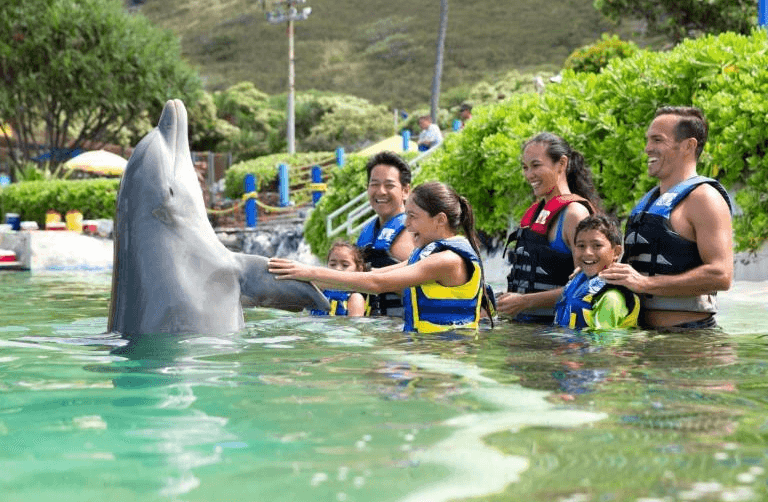
For those who want a closer look in a controlled environment, there are several facilities in Hawaii that offer educational programs. These centers focus on marine biology and conservation, providing a way to see dolphins while contributing to research. While controversial to some, these facilities operate under strict animal welfare regulations and serve as a way for children and adults to learn about marine mammal physiology without impacting wild populations.
Essential Tips for Ocean Safety and Ethical Tourism
Engaging with Hawaii marine life requires preparation and a specific mindset. Being a responsible tourist means being an informed one.
Choosing the Right Tour Operator
Before booking a dolphin-watching tour, do your homework. Look for companies that explicitly state their compliance with the National Oceanic and Atmospheric Administration 50-yard rule. Avoid operators that “guarantee” a swim or use aggressive boat maneuvers to get close to the pods. A reputable company will prioritize the well-being of the animals over a photo opportunity.
What to Pack for a Day on the Water
When heading out to the Pacific Ocean, certain items are non-negotiable. Reef-safe sunscreen is a legal requirement in Hawaii to protect the coral reefs that dolphins and other fish call home. Polarized sunglasses are also highly recommended, as they cut through the glare of the water, making it much easier to spot dolphins from the deck of a boat. If you plan on taking photos, a camera with a good zoom lens is better than a waterproof action camera, as you will likely be viewing the animals from a distance.
Practicing “Pono” in Hawaiian Waters
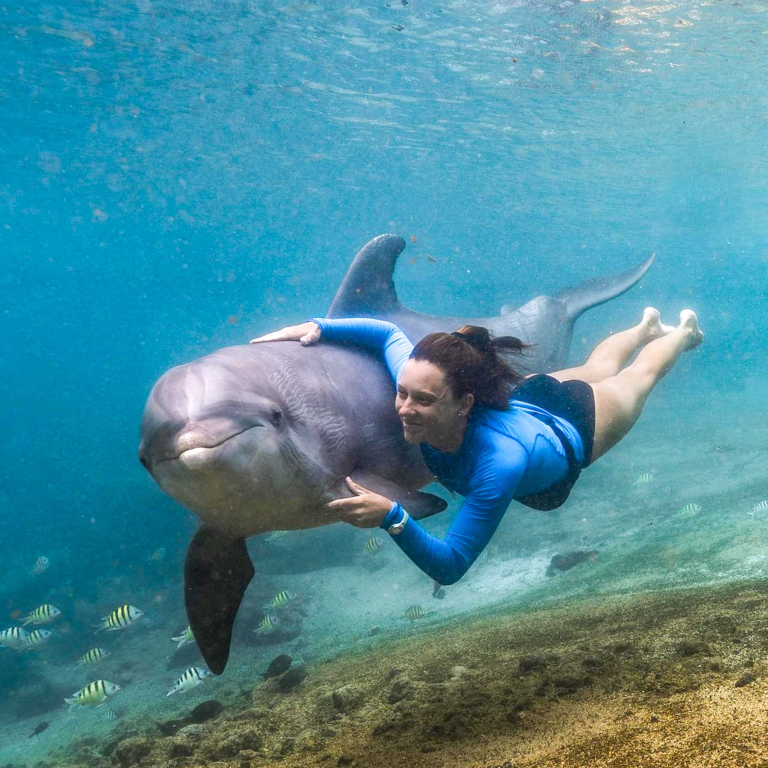
In Hawaii, “pono” means doing what is right or balanced. When you approach your travel with the intent of being “pono,” you naturally become a better tourist. This means picking up any plastic you see in the water, never touching the coral reefs, and respecting the space of the marine mammals. Whether you are exploring the rugged north shore of Kauai or the calm bays of Maui, your presence should leave no trace.
By following these guidelines and respecting the legal and cultural boundaries, your experience with dolphins in Hawaii will be one of profound beauty and ethical integrity. The “nai’a” are a treasure of the islands, and by keeping our distance, we ensure they remain a part of the Hawaiian landscape for centuries to share with those who come after us.
LifeOutOfTheBox is a participant in the Amazon Services LLC Associates Program, an affiliate advertising program designed to provide a means for sites to earn advertising fees by advertising and linking to Amazon.com. Amazon, the Amazon logo, AmazonSupply, and the AmazonSupply logo are trademarks of Amazon.com, Inc. or its affiliates. As an Amazon Associate we earn affiliate commissions from qualifying purchases.