
The allure of Hawaii’s pristine beaches, vibrant marine life, and lush landscapes draws millions of visitors each year. Among the many tempting aspects of this tropical paradise is the beauty of its seashells, often scattered along the shoreline as natural treasures. It’s a common impulse for tourists to want to collect a piece of this beauty to take home as a souvenir. However, the simple act of picking up a seashell in Hawaii is far more complex than it appears, encompassing legal restrictions, significant environmental considerations, and deep cultural respect. Understanding these nuances is crucial for any responsible traveler wishing to preserve the islands’ unique charm for generations to come.
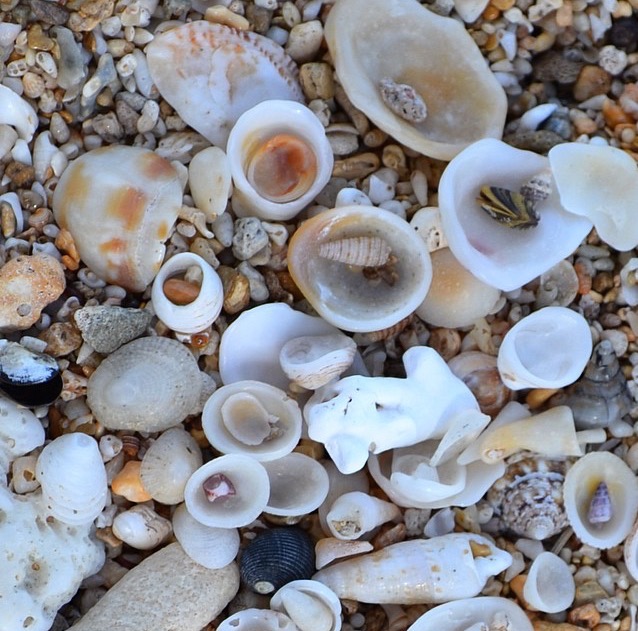
While the desire to bring home a tangible memory is understandable, the short answer to whether you can take seashells from Hawaii is, for the most part, no. This directive stems from a comprehensive approach to conservation that protects the islands’ delicate ecosystems, upholds state and federal laws, and honors sacred Hawaiian traditions. This guide delves into the specifics of these regulations, the profound ecological impact of souvenir collection, the cultural significance of leaving natural elements undisturbed, and offers responsible alternatives for commemorating your Hawaiian adventure.
The Law and the Lore: Understanding Hawaii’s Regulations
Hawaii is globally renowned for its proactive stance on environmental protection. The state’s legal framework, coupled with federal regulations, creates a robust shield around its natural resources, including its precious marine environment. This extends to seemingly innocuous items like seashells and sand, which play vital roles in the health and balance of coastal ecosystems.
Federal and State Protections for Marine Life
At the heart of Hawaii’s conservation efforts are state and federal laws designed to protect its unique biodiversity. The Hawaii State Department of Land and Natural Resources (DLNR) is the primary agency responsible for enforcing these regulations. Their mandate includes safeguarding marine ecosystems, which are incredibly diverse and fragile. While common, empty seashells might seem harmless, their removal contributes to a larger problem of resource depletion.
Federal laws, such as the Endangered Species Act, also play a role, particularly concerning the protection of marine species and their habitats. While it might not directly address every single seashell, the overarching principle is to protect the integrity of the ecosystem. The cumulative effect of thousands of visitors taking even one seashell can be devastating over time, leading to significant ecological imbalance. Thus, strict guidelines are in place to prevent the over-collection and unauthorized removal of natural materials.
The Specifics of Seashells and Sand
When it comes to seashells, the general rule is to leave them where they belong: on the beach or in the ocean. Specifically, it is illegal to remove any live shells, coral (both live and dead), sand, rocks, or other marine deposits from Hawaiian beaches. These regulations are designed to prevent the commercial exploitation of natural resources and to preserve the aesthetic and ecological value of the beaches.
Even seemingly “empty” shells are often part of the ecosystem. Many are still used by hermit crabs or other small creatures as homes, or they break down over time to contribute to the formation of new sand. The distinction between “live” and “dead” can also be ambiguous for many visitors, leading to inadvertent violations. To err on the side of caution, the safest and most responsible approach is to refrain from taking any natural items from the beach. This policy also applies to the iconic black sand beaches and green sand beaches, where removing sand is strictly prohibited due to its unique geological formation and rarity. Violations can lead to significant fines and even criminal charges, underscoring the seriousness with which Hawaii protects its natural heritage.
Penalties for Non-Compliance
The legal consequences for removing natural items from Hawaiian beaches can be substantial. Violators may face hefty fines, starting from hundreds of dollars for minor infractions and potentially escalating into thousands for more significant damage or repeated offenses. In some cases, particularly involving protected species or large-scale removal, criminal charges could be brought. These penalties serve as a deterrent, emphasizing that Hawaii’s natural resources are not merely souvenirs but vital components of a delicate ecosystem protected by law. The state is serious about preserving its natural beauty, and visitors are expected to respect these laws.
Environmental Impact: Why Leaving Seashells Matters
Beyond legal prohibitions, there are profound ecological reasons why collecting seashells and other natural elements from Hawaii’s beaches is detrimental. Every shell, every grain of sand, and every piece of coral plays a critical role in maintaining the health and stability of the coastal and marine environments.
Ecological Role of Seashells
Seashells are far more than just pretty decorations; they are integral parts of the marine ecosystem. Many shells provide essential habitats for various marine creatures, most notably hermit crabs, which rely on empty shells for shelter and protection from predators and the elements. Without a continuous supply of suitable shells, hermit crab populations can decline, leading to imbalances in the food chain and overall ecosystem health.
Furthermore, shells are a crucial source of calcium carbonate, which slowly breaks down over time to form new sand. This natural process is vital for replenishing beaches and preventing erosion. When shells are removed, this natural cycle is interrupted, potentially exacerbating beach erosion and impacting the substrate for other marine organisms. Shells also contribute to the biodiversity of the beach environment, providing microhabitats for bacteria, algae, and small invertebrates that form the base of the coastal food web.
Erosion and Coastal Health
The removal of sand, shells, and rocks directly contributes to beach erosion, a critical environmental challenge for island nations like Hawaii. Beaches are dynamic systems, constantly shaped by ocean currents, tides, and weather. Natural materials like sand and shells act as protective barriers against the erosive power of the sea. When these materials are taken away, the beach becomes more vulnerable, leading to accelerated erosion and the loss of valuable coastline.
This erosion has far-reaching consequences. It threatens coastal infrastructure, homes, and critical habitats for nesting birds and marine animals. Healthy beaches also provide natural flood protection and act as filters for water quality. Preserving the natural integrity of beaches by leaving all natural elements undisturbed is therefore essential for maintaining coastal health and resilience against environmental changes, including rising sea levels.
Protecting Fragile Ecosystems
Hawaii’s ecosystems are incredibly unique and, unfortunately, highly fragile. Isolation over millions of years has led to the evolution of countless endemic species found nowhere else on Earth. The delicate balance of these ecosystems can be easily disrupted by human activities, including the removal of natural elements.
Coral reefs, for example, are vital nurseries for marine life and act as natural breakwaters. The removal of even small pieces of coral, whether live or dead, directly damages these critical habitats. The overall health of the marine ecosystem relies on the interconnectedness of all its components. By leaving shells, sand, and other natural elements in place, visitors contribute to the preservation of Hawaii’s irreplaceable biodiversity and support the delicate balance that allows these vibrant ecosystems to thrive.
Cultural Significance: Respecting Hawaiian Traditions
Beyond legal statutes and ecological imperatives, there is a profound cultural dimension to leaving Hawaii’s natural elements undisturbed. Hawaiian culture is deeply rooted in a spiritual connection to the land and sea, embodying principles that encourage reverence and stewardship.
Aloha ‘Aina: Love of the Land
The core Hawaiian philosophy of “Aloha ‘Aina” translates to “love of the land.” This concept encompasses a deep sense of respect, responsibility, and care for all natural resources, viewing them not as commodities to be owned or exploited, but as living entities to be cherished and protected. For Hawaiians, the land and sea are family, ancestors, and providers. Taking from the land without proper permission or spiritual understanding is seen as disrespectful and goes against the very essence of “Aloha ‘Aina.”
This cultural perspective views the removal of shells, sand, or rocks as diminishing the spirit and integrity of the place. It’s not just about protecting nature; it’s about honoring a sacred relationship. Visitors who embrace this philosophy demonstrate true respect for the local culture and contribute positively to the spirit of their travel experience.
Seashells in Hawaiian Culture
Throughout Hawaiian history, seashells have held significant cultural value, far beyond mere decoration. Certain shells, like the rare and beautiful Ni’ihau shells, were historically prized for crafting intricate leis and adornments, reserved for royalty or as precious gifts. Other shells were used as tools, musical instruments, or for spiritual practices. These items were often gathered with intention and respect, not taken indiscriminately.
The practice of leaving natural items undisturbed also ties into the concept of kapu, or sacred prohibitions, designed to maintain balance and harmony. While not all contemporary rules are strictly kapu, the underlying sentiment of respect for the sacredness of nature persists. Understanding this cultural context transforms the act of leaving a seashell on the beach from a mere legal obligation into a meaningful gesture of cultural appreciation and respect.
Ethical Tourism and Local Responsibility
Responsible tourism in Hawaii means understanding and adhering to not just the laws, but also the cultural values and unwritten rules that guide local life. Ethical tourism encourages visitors to minimize their negative impact and maximize their positive contributions to the local community and environment. This includes supporting local businesses, learning about Hawaiian history and customs, and, crucially, respecting the natural environment as integral to both ecosystem health and cultural identity. By choosing not to take shells or other natural items, tourists embody ethical travel principles, demonstrating a commitment to preserving Hawaii’s natural beauty and cultural heritage for future generations.
Responsible Alternatives: Bringing Home Memories, Not Mementos
The desire to bring a piece of Hawaii home is natural. However, with the legal, environmental, and cultural considerations in mind, it’s clear that physical souvenirs from the beach are not the answer. Fortunately, there are many responsible and equally meaningful ways to cherish your Hawaiian memories without harming its delicate environment.
Photography and Digital Keepsakes
In the age of digital technology, capturing the beauty of Hawaii has never been easier. Instead of taking a physical shell, take a stunning photograph of it exactly where you found it, glistening in the sun on a pristine beach. Capture the vibrant colors of the coral reefs through snorkeling or diving videos, or immortalize the breathtaking sunsets and lush landscapes. These digital keepsakes are truly limitless, cost nothing to the environment, and can be shared instantly with friends and family, allowing them to experience a piece of your journey. They serve as powerful reminders of your experiences, preserving the moment without removing anything from its natural habitat.
Supporting Local Artisans
A fantastic alternative to collecting natural items is to purchase ethically sourced, locally made crafts. Hawaii boasts a wealth of talented artisans who create beautiful jewelry, artwork, and decorative items inspired by the islands’ natural beauty. Many local shops offer replicas of shells, pieces of art depicting marine life, or crafts made from sustainable materials. By purchasing these items, you’re not only acquiring a unique and authentic souvenir, but you’re also directly supporting the local economy and empowering Hawaiian artists and craftspeople. This allows you to take home a piece of Hawaiian artistry and culture, ensuring your souvenir has a positive impact.

Experiential Souvenirs
Perhaps the most valuable “souvenirs” from any trip are the experiences themselves. Focus on collecting memories through engaging in cultural activities, exploring the natural wonders, and immersing yourself in the Hawaiian lifestyle. Take a surfing lesson on Waikiki Beach, go snorkeling in Hanauma Bay, attend a traditional luau, hike to a majestic waterfall, or simply relax on a beautiful beach. These experiences create lasting memories and stories that are far more enriching than any physical object. The joy of these moments, the knowledge gained, and the connections made are truly priceless and contribute positively to your travel experience and the islands themselves.
In conclusion, while the temptation to collect seashells from Hawaii’s breathtaking beaches is strong, the answer to “Can you take seashells from Hawaii?” is a resounding no. This directive is firmly rooted in a comprehensive approach to environmental conservation, state and federal laws, and a deep respect for Hawaiian culture. By understanding and adhering to these principles, visitors contribute to the preservation of Hawaii’s unique beauty, ensuring that future generations can also marvel at its untouched splendor. Choose responsible alternatives, embrace the spirit of Aloha ‘Aina, and let your memories and ethically sourced treasures be your lasting connection to these paradise islands.
LifeOutOfTheBox is a participant in the Amazon Services LLC Associates Program, an affiliate advertising program designed to provide a means for sites to earn advertising fees by advertising and linking to Amazon.com. Amazon, the Amazon logo, AmazonSupply, and the AmazonSupply logo are trademarks of Amazon.com, Inc. or its affiliates. As an Amazon Associate we earn affiliate commissions from qualifying purchases.