
The question of whether FanDuel is accessible in Florida is a complex one, touching upon the ever-evolving landscape of sports betting and its regulatory framework within the Sunshine State. While the allure of placing wagers on favorite teams and athletes is strong, the legal realities in Florida present a unique set of circumstances that differ significantly from many other U.S. states. This exploration delves into the current situation, the legal nuances, and the potential future for FanDuel users in Florida, offering a comprehensive overview for residents and visitors alike.
The Current Legal Landscape of Sports Betting in Florida
Florida’s journey with legalized sports betting has been a convoluted one, marked by legal challenges, legislative debates, and tribal compacts. Unlike states that have broadly legalized online and retail sportsbooks, Florida has operated under a more restrictive model for a significant period. The primary driver behind the limited availability of services like FanDuel stems from state laws and, more recently, a pivotal compact with the Seminole Tribe of Florida.
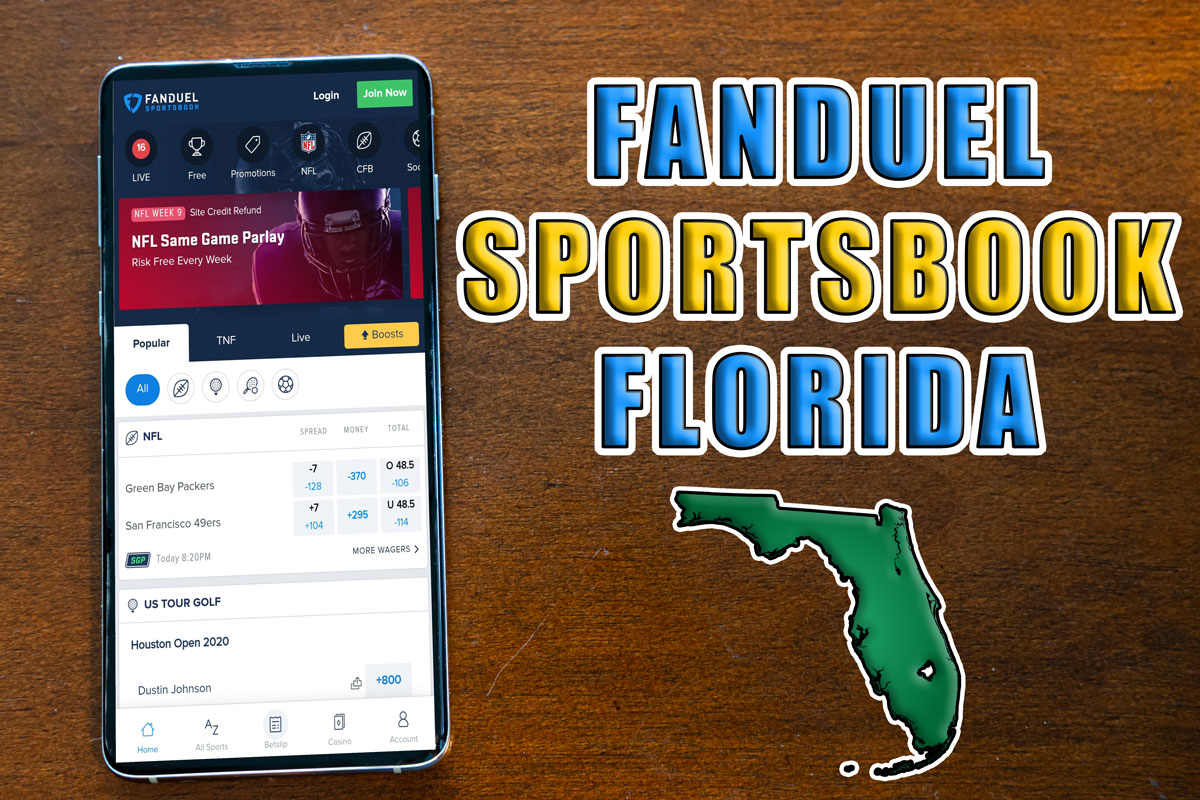
The Seminole Compact and its Implications
In a landmark development, the Seminole Tribe of Florida secured an exclusive gaming compact with the state in 2021. This agreement granted the tribe the sole right to offer sports betting in Florida, including online wagering. The compact was designed to generate substantial revenue for the state and solidify the tribe’s position as a major gaming operator. However, the interpretation of “in Florida” became a central point of contention, particularly concerning the server location for online bets.
The argument was made that if bets were processed through servers located on tribal lands within Florida, they would be considered legal under state law, regardless of the bettor’s physical location within the state. This interpretation, however, faced significant legal opposition. Lawsuits were filed, challenging the legality of this model and arguing that it circumvented federal laws governing tribal gaming.
Legal Challenges and Intermittent Availability
The legal battles surrounding the Seminole Tribe’s sports betting operations led to periods of both availability and unavailability for bettors. For a time, the Hard Rock Bet app, operated by the tribe, was accessible. However, subsequent court rulings temporarily halted these operations, creating a state of uncertainty for those seeking to engage in sports wagering. These legal challenges highlight the delicate balance between tribal sovereignty, state regulations, and the federal oversight of gaming.
The core of the issue for third-party operators like FanDuel lies in this exclusivity granted to the Seminole Tribe. Without a direct partnership or a change in state law that allows for broader licensing of sports betting operators, FanDuel cannot legally offer its services in Florida.
Understanding the Nuances of “In Florida”
The phrase “in Florida” when referring to online sports betting is critical and has been the subject of extensive legal debate. For traditional brick-and-mortar casinos or racinos in states where sports betting is legal, the location of the physical establishment is straightforward. However, with online platforms, the question becomes where the bet is legally considered to have taken place.
Server Location vs. Bettor Location

The aforementioned legal challenges in Florida centered on the argument that bets processed on servers located within the state’s borders, even if tribal, were permissible. This interpretation effectively sought to expand the reach of sports betting beyond the traditional geographical confines of a physical casino. Opponents argued that this model bypassed federal regulations that might require bets to be placed on tribal lands themselves, or that it illegally expanded gambling beyond the scope permitted by Florida law for non-tribal entities.
For a platform like FanDuel, which operates through sophisticated online infrastructure, adhering to these strict geographical and legal definitions is paramount. Their operations are subject to the laws of the jurisdictions in which they are licensed and operate. As Florida currently stands, the legal framework does not permit FanDuel to offer its services directly to residents within the state.
Geolocation Technology and its Limitations
Online sportsbooks rely heavily on geolocation technology to ensure that wagers are placed only from within legal jurisdictions. This technology uses a combination of Wi-Fi signals, IP addresses, and GPS data to pinpoint a user’s location. If a user attempts to place a bet from a state where the sportsbook is not licensed, the platform will block the wager. This technology, while sophisticated, is only effective if the underlying licensing and regulatory framework allows for the sportsbook’s operation in the first place. In Florida, this technology would confirm that a user is within the state, but the lack of a license for FanDuel would still prevent betting.
Potential Future Developments for FanDuel in Florida
The legal and regulatory landscape of sports betting is dynamic, and the situation in Florida is no exception. While FanDuel is not currently available, several factors could lead to its future accessibility.
Legislative Changes and New Compacts
The most direct path for FanDuel to enter the Florida market would be through legislative action. This could involve the state legislature amending existing laws to allow for broader licensing of sports betting operators, or negotiating new compacts with tribal entities that open the door for partnerships with other major players. Such changes would likely stem from increased pressure from constituents, the potential for significant tax revenue, or a shift in the political climate surrounding gambling.
Impact of National Trends
The trend across the United States has been towards broader legalization and regulation of sports betting. As more states embrace online sportsbooks, the economic and social arguments for doing so become more pronounced. Florida, as a major state with a large population and a significant tourism industry, is often a key consideration in these national trends. A widespread shift in state policies could influence Florida’s approach.
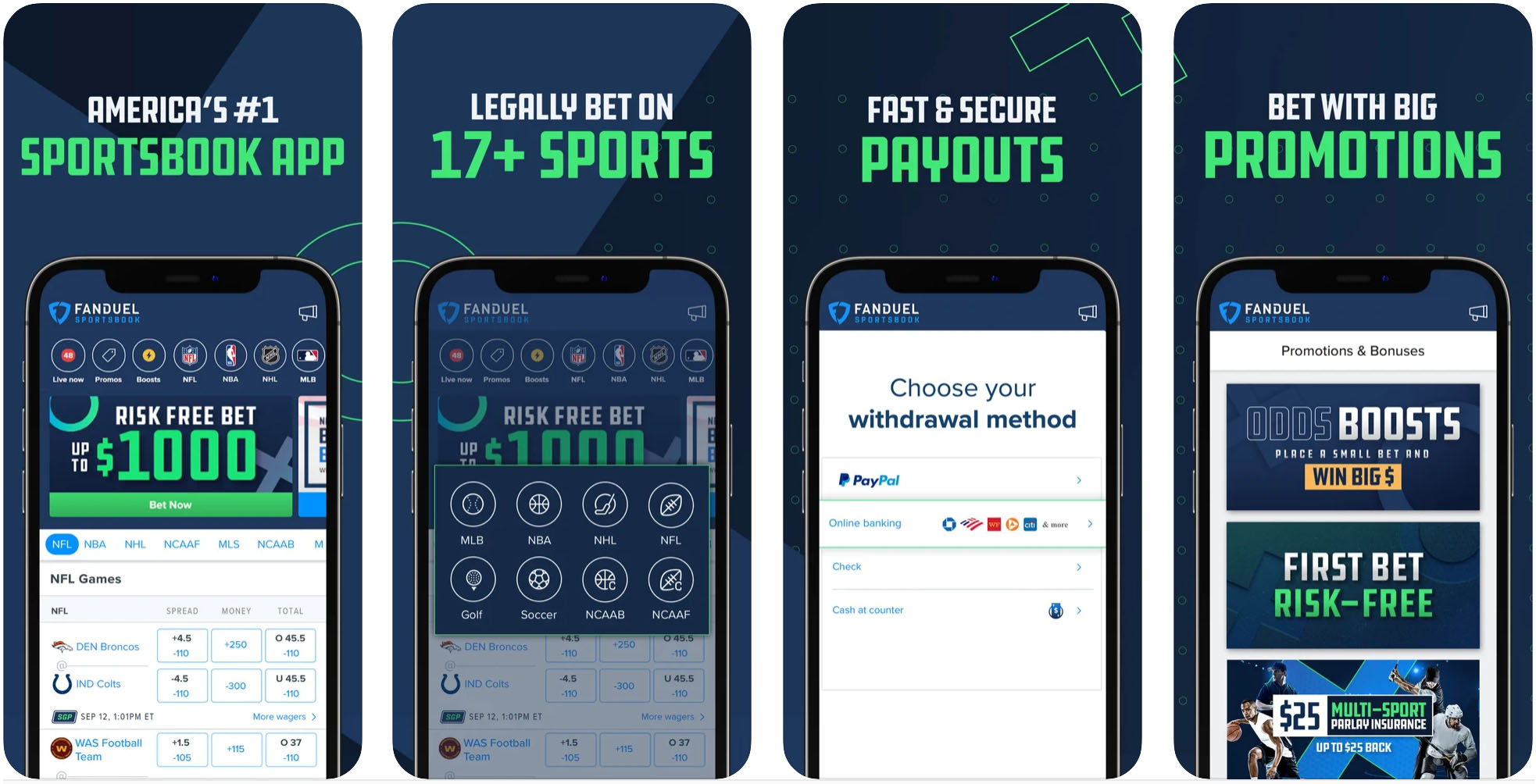
Alternative Betting Avenues (Not Legal Sports Betting)
It is crucial to distinguish between legal, regulated sports betting platforms like FanDuel and offshore or unregulated betting sites. While some Florida residents may be tempted to use offshore sites to place bets, these platforms operate outside the purview of U.S. and state laws. This means that users have no legal recourse if disputes arise, funds are lost, or personal information is compromised. Engaging with such sites carries significant risks and is not a substitute for legal, regulated sports betting. For those seeking to legally engage with sports wagering in Florida, the current reality is that options are extremely limited and primarily tied to the Seminole Tribe and its associated platforms.
In conclusion, as of now, FanDuel is not legally accessible for use in Florida due to the state’s current gaming regulations and the exclusive compact with the Seminole Tribe of Florida. While the future may bring changes, residents and visitors interested in sports betting must adhere to the existing legal framework.
LifeOutOfTheBox is a participant in the Amazon Services LLC Associates Program, an affiliate advertising program designed to provide a means for sites to earn advertising fees by advertising and linking to Amazon.com. Amazon, the Amazon logo, AmazonSupply, and the AmazonSupply logo are trademarks of Amazon.com, Inc. or its affiliates. As an Amazon Associate we earn affiliate commissions from qualifying purchases.