
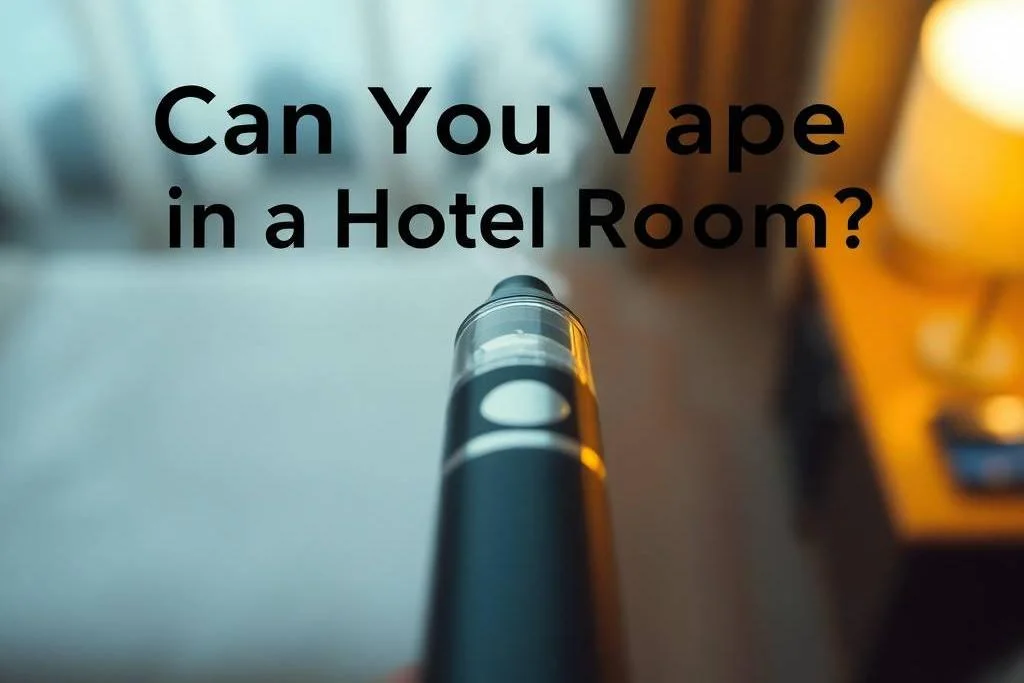
The hospitality industry has undergone a massive transformation regarding guest wellness and indoor air quality over the last two decades. While the era of smoke-filled lobbies and designated “smoking floors” is largely a thing of the past, the rise of electronic cigarettes and vaporizers has introduced a new layer of complexity for travelers. For many guests, the question of whether they can vape in their rooms is not just about convenience, but about understanding the rigorous standards upheld by modern establishments. As hotels prioritize pristine environments, navigating the rules surrounding vaping requires an insight into global policy trends, technological detection methods, and the financial implications of non-compliance.

The Evolution of Non-Smoking Policies in Modern Hotels
The shift toward entirely smoke-free environments began in earnest during the mid-2000s. Leading the charge was Marriott International, which in 2006 implemented one of the most comprehensive smoking bans in the industry across its properties in the United States and Canada. This movement was quickly mirrored by other giants like Hilton and Hyatt, creating a new standard for luxury and mid-range accommodations.
From Cigarettes to E-Cigarettes: Expanding the Definition
Initially, these bans focused specifically on combustible tobacco products. However, as vaping technology became mainstream, the definition of “smoking” in hotel guest directories expanded. Today, most major hotel brands categorize vaping, juuling, and the use of heat-not-burn products under the same restrictive umbrella as traditional cigarettes. Whether you are staying at a boutique hotel in Paris or a massive resort like the MGM Grand in Las Vegas, the “no smoking” sign almost universally includes electronic devices.
Why Hotels Maintain Strict No-Vaping Rules
The primary reason hotels prohibit vaping is the preservation of the room’s “sellable” condition. Vapor, particularly those from high-VG (Vegetable Glycerin) e-liquids, can leave a thin, oily residue on fabrics, mirrors, and electronic equipment. Over time, this residue attracts dust and can create a lingering scent that is difficult for housekeeping to remove during a standard turnover. Furthermore, the objective of brands like The Ritz-Carlton or Four Seasons is to provide a neutral, allergen-free environment for the next guest, which necessitates a zero-tolerance approach to any form of aerosolized emission.
The Technology Behind Detection: How Hotels Know You’re Vaping
A common misconception among travelers is that vaping is “stealthy” enough to bypass hotel security measures. While vapor does not linger as long as tobacco smoke, modern hotels have invested heavily in sensitive detection technology to protect their assets.
Sophisticated Smoke and Vapor Sensors
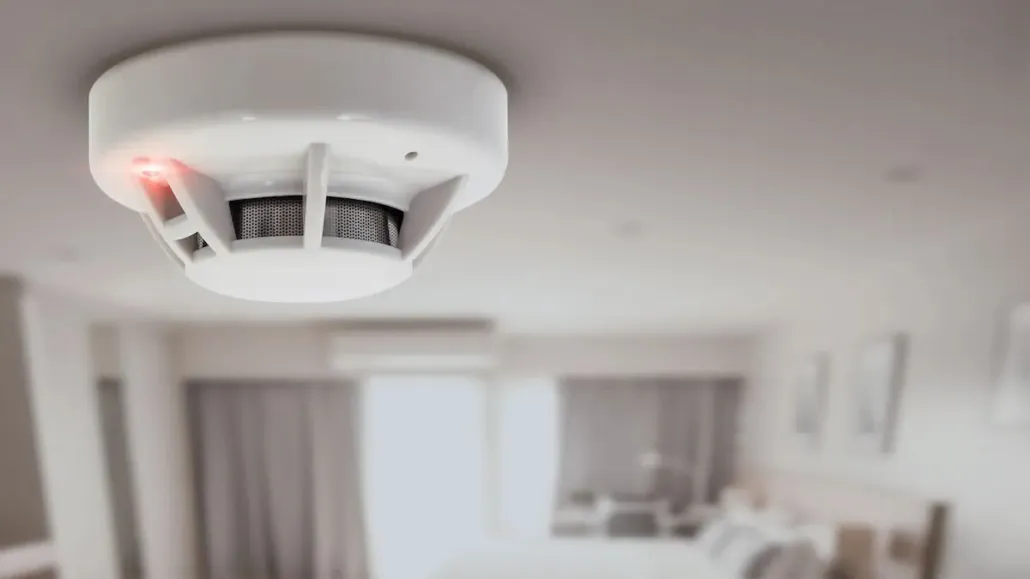
In the past, traditional ionization smoke detectors were often unable to distinguish between a cloud of vapor and steam from a shower. However, newer properties and those that have recently undergone renovations, such as The Venetian or various InterContinental Hotels Group locations, utilize advanced photoelectric sensors. These devices detect the scattering of light caused by particles in the air. Vapor particles, while different from smoke, still disrupt the light beam, often triggering a silent alert to the hotel’s security or front desk.
Some high-end suites are now equipped with specific air-quality monitoring systems, such as those developed by specialized tech firms, which can track nicotine and chemical traces in real-time. These sensors provide the hotel with a time-stamped log of when the air quality was compromised, making it nearly impossible for a guest to dispute a cleaning fee.
The Role of Housekeeping and Room Inspections
Beyond automated sensors, the human element remains a primary detection method. Housekeeping staff at hotels like Accor properties or Wyndham Hotels & Resorts are trained to identify the distinctive sweet or fruity odors associated with e-liquids. Even if a guest vapes near an open window, the scent can settle into the heavy drapes or carpets typical of premium hotel rooms. If a room attendant notes these smells during daily service, it is often reported to management, leading to a post-checkout inspection.
Consequences of Vaping in Non-Smoking Rooms
The financial and logistical repercussions of vaping in a prohibited area can be significant. Hotels view the violation of smoking policies as a breach of contract, and the penalties are designed to cover both the cost of remediation and the loss of revenue if the room cannot be sold immediately.
Financial Penalties and Cleaning Fees
Most hotels clearly state their cleaning fees in the registration documents signed at check-in. In cities like New York City or London, these fees typically range from $250 to $500 per incident. This cost covers the use of industrial air scrubbers, deep-cleaning of upholstery, and the laundering of all linens, including decorative pillows and bed runners. At luxury landmarks like Burj Al Arab in Dubai, where the interiors feature gold leaf and rare silks, the damages assessed could be significantly higher.
Eviction and Permanent Blacklisting
In extreme cases, or if a guest’s vaping triggers a full-building fire alarm, the consequences extend beyond a mere fine. Hotels have the right to evict guests without a refund for violating safety policies. Furthermore, large hospitality groups maintain “Do Not Rent” lists. A guest caught vaping at a Bellagio resort might find themselves restricted from booking rooms at other properties within the same corporate portfolio globally. This is a particularly high risk in jurisdictions with strict local laws, such as Singapore, where the use of e-cigarettes is prohibited by the state.
Finding Vape-Friendly Accommodations and Safe Alternatives
For travelers who vape, the key to a stress-free stay is preparation and choosing the right type of accommodation. While the standard indoor room is almost always off-limits, there are variations in how different establishments handle guest needs.
Dedicated Smoking Areas and Balcony Rooms
The most reliable way to vape legally and respectfully is to book a room with a private balcony or terrace. Many resorts, such as Atlantis The Palm, offer outdoor spaces where vaping is typically permitted, provided the door to the room remains closed. Additionally, many hotels in Japan, specifically in cities like Tokyo, still maintain very specific indoor “smoking lounges” equipped with high-powered ventilation systems that are open to vapers.
Navigating Local Laws and Brand Standards
It is essential to research the destination’s laws before packing your device. For instance, in Thailand, vaping is illegal, and hotels are mandated to report such activity to local authorities, which could lead to more than just a hotel fine. Conversely, in the United Kingdom and Australia, while indoor vaping is restricted in public buildings, hotel staff can often point you toward designated outdoor zones.
When booking through platforms like Airbnb, policies are set by individual hosts. While many mirror the strictness of Fairmont Hotels, others may be more lenient regarding outdoor use on patios or in garden spaces. Always communicate with the host or the concierge at the Waldorf Astoria prior to arrival to clarify the boundaries.
Best Practices for the Responsible Traveler
Respecting the shared environment of a hotel is a hallmark of a professional traveler. If you find yourself staying at a strictly non-smoking property like Wynn Las Vegas, there are several ways to manage your stay without risking penalties.
- Utilize Designated Areas: Almost every hotel has a designated outdoor smoking area, usually located a specific distance from the main entrance. These areas are often well-maintained and provide a safe space to vape.
- Inquire at Check-In: Being transparent with the front desk can often yield helpful information. A concierge at Marina Bay Sands may be able to direct you to the nearest legal zone, saving you the stress of trying to hide the activity.
- Respect the Sensors: Never attempt to cover or tamper with smoke detectors. This is not only a violation of hotel policy but is often a criminal offense in many jurisdictions, including Florida and California, as it compromises the safety of all guests in the building.
- Consider Nicotine Alternatives: For long-haul stays in places with zero-tolerance policies, many travelers opt for nicotine pouches or gum during their time inside the hotel to avoid any conflict with room sensors or housekeeping.
Ultimately, while the temptation to vape in the comfort of a climate-controlled room is understandable, the trend in the global hotel industry is moving toward even stricter enforcement. By understanding that “no smoking” truly means “no vaping,” guests can ensure their stay at world-class establishments remains pleasant, affordable, and free of unexpected cleaning charges.
LifeOutOfTheBox is a participant in the Amazon Services LLC Associates Program, an affiliate advertising program designed to provide a means for sites to earn advertising fees by advertising and linking to Amazon.com. Amazon, the Amazon logo, AmazonSupply, and the AmazonSupply logo are trademarks of Amazon.com, Inc. or its affiliates. As an Amazon Associate we earn affiliate commissions from qualifying purchases.