
Engaging in the civic process is a fundamental aspect of the “lifestyle” of a free and active citizen. For many individuals who have been impacted by the criminal justice system, understanding their voting rights is a crucial step towards full reintegration into society and embracing an empowered civic lifestyle. California, known for its progressive legal landscape, has undergone significant changes in recent years regarding felony disenfranchisement, shifting the narrative from perpetual exclusion to one of rehabilitation and restored civic participation. This evolving framework profoundly affects how individuals, post-conviction, can re-engage with the democratic process, impacting not just their personal sense of freedom but also the broader community life.
The Evolving Landscape of Civic Reintegration
For decades, the standard practice in many parts of the United States was to permanently disenfranchise individuals with felony convictions, effectively sidelining them from a core component of civic life. However, a growing movement has advocated for the restoration of voting rights, recognizing that denying this fundamental right can hinder rehabilitation and perpetuate social marginalization. California has been at the forefront of this progressive shift, continuously re-evaluating and amending its election laws to ensure broader access to the ballot box. This legislative journey reflects a commitment to empowering all residents to participate in shaping the state’s future, influencing everything from local policies to statewide initiatives, and thereby enriching the collective lifestyle of its diverse population.
Understanding California’s Unique Approach
Unlike some states that impose lifetime bans or complex restoration procedures, California’s current laws are among the most inclusive in the nation. The state’s approach is rooted in the belief that once an individual has served their time, they should be afforded the opportunity to fully re-enter society, including exercising their right to vote. This perspective not only supports individual rehabilitation but also strengthens democratic participation, ensuring that a wider range of voices contributes to public discourse. The state’s commitment to civic engagement for all eligible citizens underscores a vibrant and inclusive lifestyle philosophy, where past mistakes do not perpetually define an individual’s capacity for responsible citizenship.
Historically, felons in California were barred from voting while incarcerated or on parole. However, legislative changes and voter-approved propositions have significantly altered these restrictions. This evolving legal environment has made it imperative for individuals with felony convictions, and their families, to stay informed about their rights. The goal is to facilitate a seamless transition back into active citizenship, where voting is seen as a key component of a stable and engaged lifestyle.
Beyond the Ballot: A Holistic View of Lifestyle
The ability to vote extends beyond merely casting a ballot; it represents a tangible connection to community and governance. For individuals striving to rebuild their lives, the restoration of voting rights signifies a crucial step in regaining their full identity as members of society. This civic empowerment can have ripple effects, fostering a greater sense of responsibility, encouraging community involvement, and ultimately contributing to a more stable and fulfilling personal lifestyle. When individuals feel that their voice matters, they are more likely to invest in their communities, partake in local initiatives, and advocate for policies that improve the overall quality of life for everyone. This integration into the civic fabric is a cornerstone of a truly inclusive “life out of the box.”
Eligibility and Restoration: What You Need to Know
The central question, “Can you vote if you have a felony in California?” has a relatively straightforward answer, but with important nuances. Generally, if you are not currently serving a state or federal prison sentence for a felony conviction, your right to vote has been restored. This applies to individuals who are on parole, probation, or post-release community supervision. Understanding these distinctions is critical for anyone wishing to exercise their democratic rights and fully participate in California’s civic lifestyle.
Parole and Post-Release Community Supervision (PRCS)
Prior to 2020, individuals on parole for a felony conviction were ineligible to vote in California. This changed dramatically with the passage of Proposition 17. In November 2020, California voters overwhelmingly approved Proposition 17, which amended the state constitution to restore voting rights to individuals on parole. This landmark decision was a significant victory for voting rights advocates and fundamentally altered the civic landscape for thousands of Californians.
Now, if you are on parole for a felony conviction in California, you can register to vote and cast a ballot. This also applies to individuals under Post-Release Community Supervision (PRCS) or mandatory supervision. The intent behind Proposition 17 was to ensure that once individuals are released from prison, they can immediately begin to reintegrate into society as active, voting citizens. This legal shift underscores California’s commitment to a restorative justice approach, where civic participation is a pathway to a renewed lifestyle.
The Impact of Proposition 17 (2020)
Proposition 17, formally known as the “Voting Rights Restoration for Persons on Parole Amendment,” made it clear that “any person who is currently imprisoned for the conviction of a felony” remains ineligible to vote, but that “any person who is on parole for the conviction of a felony” is eligible. This distinction is vital: if you are in prison, you cannot vote. If you are out of prison and on parole, or have completed your parole, your voting rights are restored. This legislative change was a direct response to the call for a more inclusive democracy and acknowledges the crucial role that civic engagement plays in an individual’s successful transition back into community life. The passage of Proposition 17 exemplifies a progressive civic lifestyle, prioritizing broader participation and social equity.
Specific Offenses and Their Nuances
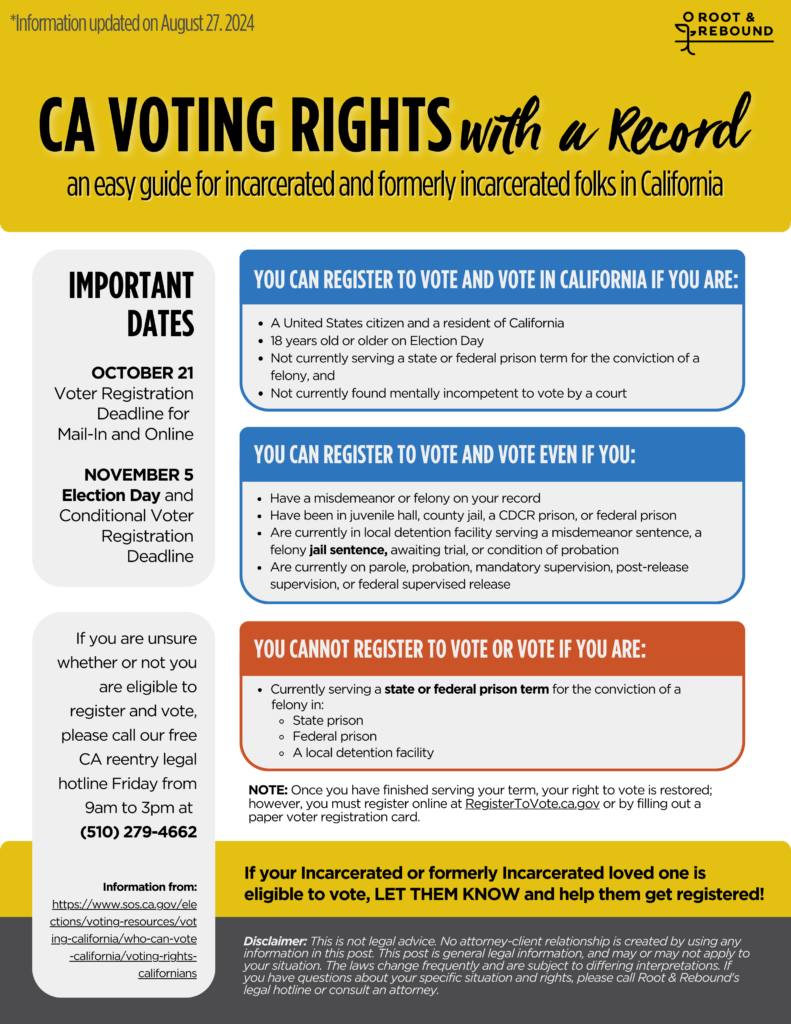
It’s important to note that the type of felony conviction generally does not affect the restoration of voting rights in California. Whether the conviction was for a violent crime, drug offense, or property crime, the rules regarding parole and prison status apply universally. The focus is on the current legal status of the individual (incarcerated vs. released on parole/supervision/completed sentence), rather than the nature of the past offense.
However, there is one critical exception: individuals who are currently found mentally incompetent to vote by a court, or who are currently serving a sentence in federal prison for a felony, are ineligible. Federal rules may differ, and California law generally applies to state felony convictions and state-level supervision. For most Californians with a felony conviction who are not currently incarcerated, the path to voting is open, allowing them to fully embrace an active civic lifestyle.
Navigating the Process: Steps to Re-Registration
For those whose voting rights have been restored, the next step is to ensure they are properly registered. This process is designed to be straightforward, reflecting California’s commitment to facilitating civic participation. Taking these steps is an essential part of re-engaging with the community and making informed choices that affect one’s lifestyle and surroundings.
Checking Your Status
The first and most important step is to confirm your eligibility. If you are uncertain about your parole status or whether your sentence has been completed, you can consult with your parole officer, probation officer, or legal counsel. The California Secretary of State provides resources and information on voter eligibility. Ensuring you meet the criteria outlined by Proposition 17 and other California Election Code provisions is fundamental.
The Role of County Election Officials
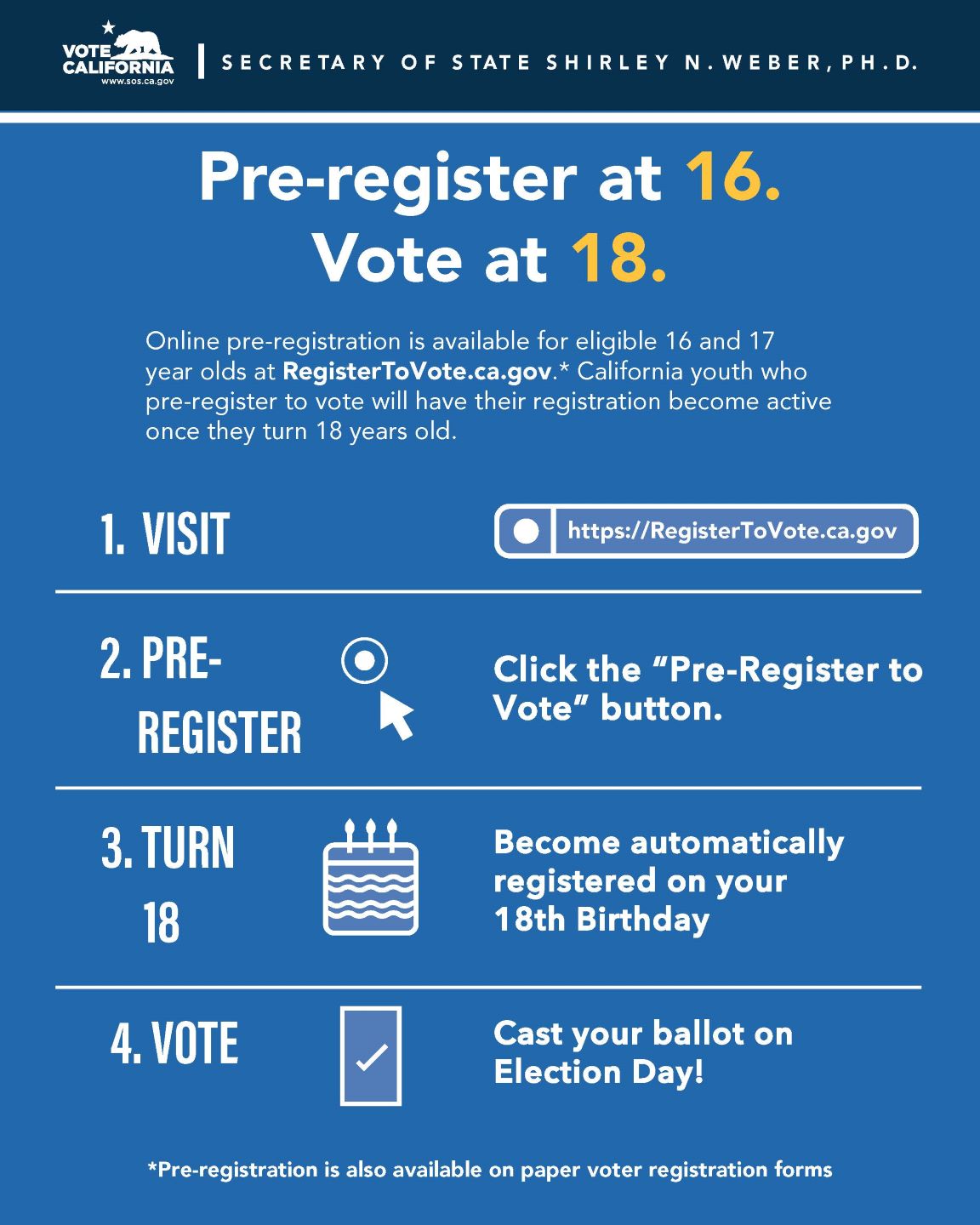
Once eligibility is confirmed, the process of registering to vote is much like that for any other citizen. You can register online through the California Secretary of State’s website, by mail, or in person at your local county elections office. During registration, you will be asked to affirm that you are not currently in state or federal prison for a felony conviction. It’s crucial to be truthful, as providing false information can lead to legal penalties. County election officials are generally well-versed in the current laws and can provide assistance and answer specific questions regarding your registration status. They play a vital role in ensuring that all eligible citizens, including those with past felony convictions, can smoothly transition into an active civic lifestyle.
Resources and Advocacy Groups
Numerous organizations throughout California are dedicated to assisting individuals with felony convictions in understanding and restoring their voting rights. Groups like the ACLU of California, Legal Services for Prisoners with Children, and others often offer free legal advice, workshops, and educational materials. These resources are invaluable for navigating any complexities and ensuring that individuals can fully participate in their community’s civic lifestyle. They often provide voter registration forms, help verify eligibility, and empower individuals to become effective advocates for themselves and their communities.
The Broader Lifestyle Impact of Restored Voting Rights
The restoration of voting rights for individuals with felony convictions in California is more than a legal formality; it is a profound affirmation of human dignity and a strategic investment in the state’s social fabric. This policy directly impacts the lifestyle of thousands, fostering greater stability, equity, and community engagement.
Community Engagement and Empowerment
When individuals regain their right to vote, they are empowered to become active stakeholders in their communities. This fosters a sense of belonging and responsibility that is crucial for successful reentry and a healthy civic lifestyle. They can vote on issues directly affecting their neighborhoods, schools, and local economy. This engagement can lead to a reduction in recidivism, as individuals feel a stronger connection to the norms and values of society. Participating in elections is a powerful way to voice concerns, support initiatives, and contribute to the collective good, which in turn enhances the quality of life for everyone.
Economic and Social Reintegration
The ability to vote is intrinsically linked to broader efforts for economic and social reintegration. Policies that support voting rights often go hand-in-hand with initiatives aimed at improving employment opportunities, housing stability, and access to education for formerly incarcerated individuals. By participating in the democratic process, these individuals can advocate for policies that address systemic barriers, thereby improving their own economic prospects and social standing. This comprehensive approach to reintegration strengthens families, builds healthier communities, and allows individuals to pursue a more stable and prosperous lifestyle.

The Personal Narrative of Redemption
For many, the act of voting after a felony conviction is a deeply personal and symbolic step on their journey of redemption. It marks a transition from a past defined by incarceration to a future characterized by civic responsibility and personal freedom. This restoration of fundamental rights contributes to psychological well-being, reinforcing a positive self-image and a sense of belonging. It allows individuals to move beyond the label of “felon” and fully embrace their role as contributing members of society. In California, this pathway to restored voting rights is a testament to the belief that every individual has the potential to contribute positively to the “life out of the box” that a free society offers. It reinforces the idea that true justice involves both accountability and the opportunity for a meaningful return to community life.
LifeOutOfTheBox is a participant in the Amazon Services LLC Associates Program, an affiliate advertising program designed to provide a means for sites to earn advertising fees by advertising and linking to Amazon.com. Amazon, the Amazon logo, AmazonSupply, and the AmazonSupply logo are trademarks of Amazon.com, Inc. or its affiliates. As an Amazon Associate we earn affiliate commissions from qualifying purchases.