
The question of voting rights for individuals with felony convictions is a complex one, particularly in the state of Texas. Understanding the intricacies of these laws is crucial for citizens seeking to exercise their civic duty. This article delves into the specific regulations governing felony disenfranchisement and restoration of voting rights within the Lone Star State, offering clarity and guidance.
Understanding Felony Disenfranchisement in Texas
In Texas, the right to vote is generally considered a fundamental aspect of citizenship. However, historical and contemporary legal frameworks have placed restrictions on this right for individuals convicted of felonies. This section will outline the foundational principles and the current legal landscape surrounding felony disenfranchisement in the state.

The Historical Context of Felony Voting Restrictions
The roots of felony disenfranchisement in the United States are deeply intertwined with post-Civil War efforts to suppress the Black vote. While the specific motivations and legal justifications have evolved, the underlying principle of restricting voting access for those convicted of serious crimes has persisted. In Texas, like many other states, these laws have been shaped by a combination of statutory provisions and interpretations of constitutional rights. The historical context is essential for appreciating the current complexities and the ongoing debates about reform.
Current Texas Law on Felony Disenfranchisement
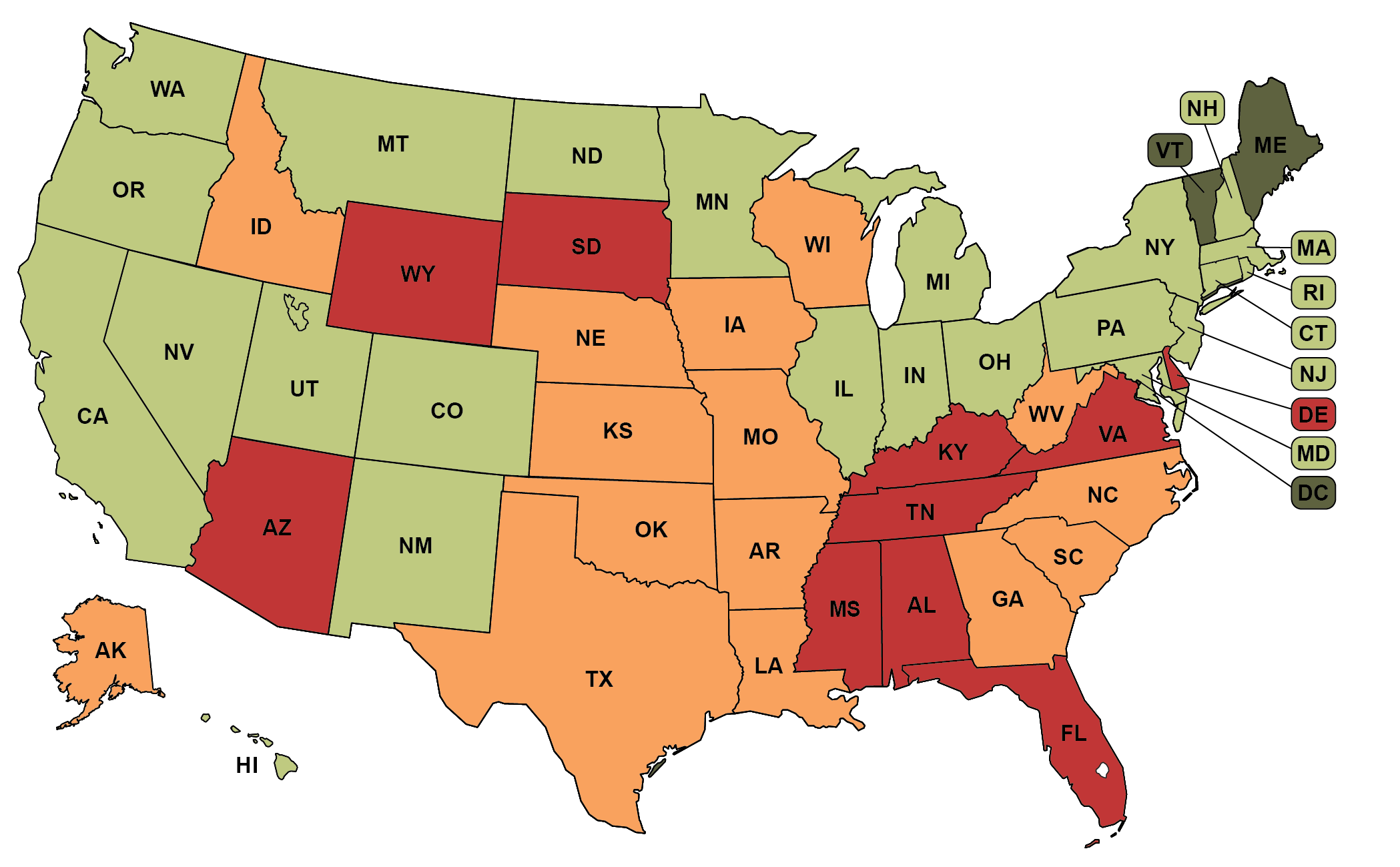
Texas law, primarily codified in the Election Code, outlines when individuals convicted of felonies lose their right to vote and, more importantly, when and how they can regain it. The general rule is that a person loses their right to vote upon conviction of a felony and remains disenfranchised until all “fines, fees, and restitution” associated with that felony conviction have been fully paid. This is a critical distinction that often causes confusion. It is not merely the completion of a prison sentence or probation that restores voting rights, but the complete satisfaction of all financial obligations stemming from the conviction.
The Definition of “Conviction” and “Completion of Sentence”
To navigate these laws, it’s important to understand how Texas defines key terms. A “conviction” for the purposes of voting rights typically refers to a final judgment of guilt by a court of competent jurisdiction. The “completion of sentence” is where much of the nuance lies. It encompasses not only incarceration and parole but also the fulfillment of all court-ordered financial penalties. This can include court costs, fines, and any restitution ordered to be paid to victims. Failure to pay even a small portion of these can result in continued disenfranchisement.
Restoring Voting Rights in Texas After a Felony Conviction
The path to regaining the right to vote after a felony conviction in Texas is contingent upon meeting specific legal requirements. This section details the process, focusing on the crucial element of financial restitution and the legal mechanisms available for individuals to confirm their eligibility.
The “Turnkey” Restoration of Rights
In Texas, the restoration of voting rights for most felony convictions is often referred to as “turnkey.” This means that once an individual has completed their sentence and paid all fines, fees, and restitution, their right to vote is automatically restored. There is no separate application process or waiting period required after these conditions are met. However, the onus is on the individual to ensure that all financial obligations have been satisfied.
The Importance of Paying All Fines, Fees, and Restitution
This is arguably the most significant hurdle for many individuals seeking to regain their voting rights. The “fines, fees, and restitution” clause is broadly interpreted and can include a wide range of financial obligations ordered by the court. This can be particularly challenging for individuals with limited financial resources. It is imperative for individuals to obtain documentation from the relevant courts and probation departments confirming that all such payments have been made in full. Without this documentation, or if there is any outstanding balance, an individual may still be ineligible to vote, even if they have completed all other aspects of their sentence.
Navigating the Process: Documentation and Confirmation
Given the importance of financial obligations, meticulous record-keeping and proactive communication are essential. Individuals should request written confirmation from the court clerk and the supervising probation or parole officer that all fines, fees, and restitution have been paid in full. This documentation can serve as proof of eligibility should any questions arise during voter registration or at a polling place. Some counties may have specific procedures for individuals to verify their eligibility, and it is advisable to contact the local county election official’s office for guidance.
When Rights Are Not Automatically Restored
While the turnkey restoration applies to most felony convictions, there are exceptions. For individuals convicted of certain offenses, such as election fraud, or those who have been found to have violated specific conditions of their release related to voting, their rights may not be automatically restored. In such cases, a more formal process, potentially involving a pardon or a Certificate of Discharge with a specific affirmation of restored rights, might be necessary. The Texas Legislature has periodically reviewed and amended these laws, so staying informed about the latest provisions is crucial.
Special Considerations and Exceptions
While the general rules provide a framework, certain specific situations and types of convictions carry unique implications for voting rights in Texas. Understanding these exceptions is vital for a comprehensive grasp of the law.
Felonies Involving Election Fraud
Individuals convicted of felonies directly related to election fraud or interfering with election processes face a different standard. The Texas Election Code specifically outlines that a person convicted of certain election-related offenses may be permanently ineligible to vote, even after completing their sentence and satisfying financial obligations. This is a punitive measure designed to safeguard the integrity of the electoral process.
The Role of Pardons and Certificates of Discharge
In cases where automatic restoration is not applicable, or to definitively clear any lingering doubts about eligibility, a pardon from the Governor of Texas can restore voting rights. Similarly, a Certificate of Discharge from the Texas Department of Criminal Justice, particularly one that explicitly states the restoration of civil rights, can serve as clear evidence of eligibility. These documents are official pronouncements and carry significant weight.
The Impact of Out-of-State Convictions
For individuals who have felony convictions from other states, the application of Texas voting laws can be more complex. Generally, if an individual has had their voting rights restored in the state where the conviction occurred, they may be eligible to vote in Texas, provided they meet residency requirements. However, it is advisable to consult with legal counsel or the appropriate election officials to confirm eligibility based on the specifics of the out-of-state conviction and restoration.
Frequently Asked Questions About Voting with a Felony in Texas
Addressing common queries can help demystify the process and provide practical information for individuals navigating these legal waters.
Do I need to re-register to vote after completing my sentence?
Yes, in most cases. While your right to vote may be restored “turnkey” upon completion of your sentence and payment of all fines, fees, and restitution, you are still required to go through the standard voter registration process. This typically involves filling out a voter registration application and submitting it to your local county registrar. Having proof of eligibility, such as documentation confirming payment of all financial obligations, can be helpful during this process.
How can I find out if I owe any fines or fees?
The best approach is to contact the court in which you were convicted and your probation or parole officer. They can provide you with a detailed breakdown of any outstanding financial obligations associated with your felony conviction. Requesting written confirmation of payment in full is highly recommended. In some instances, county election officials may also be able to provide general guidance, but the definitive source for financial obligation information will be the court system.
What if I can’t afford to pay my fines and fees?
This is a significant challenge for many individuals. While the law mandates the payment of all fines, fees, and restitution for voting rights restoration, there may be avenues to explore. Some individuals may be able to petition the court to reduce or waive certain fines or fees, particularly if they can demonstrate a genuine inability to pay. This process can be complex and often requires legal assistance. Additionally, some organizations advocate for reform in this area, seeking to create more accessible pathways for those with financial hardships. It is advisable to seek legal counsel to understand your specific options.
Does completing parole automatically restore my voting rights in Texas?
No, completing parole is a significant step, but it does not automatically restore your voting rights. Your voting rights are restored in Texas only after you have completed your entire sentence, which includes paying all fines, fees, and restitution. Parole is a part of serving a sentence, but the financial obligations are a separate and critical component for voting eligibility.

What if I was convicted of a misdemeanor?
Misdemeanor convictions generally do not result in the loss of voting rights in Texas, unless the misdemeanor is directly related to election offenses where specific statutes might apply. The disenfranchisement laws primarily target felony convictions. However, it is always prudent to confirm with local election officials if you have any doubts regarding your specific situation.
In conclusion, the ability to vote with a felony conviction in Texas hinges on a clear understanding of the law, meticulous attention to financial obligations, and proactive engagement with the legal and electoral systems. By staying informed and taking the necessary steps, eligible individuals can reclaim this fundamental aspect of their citizenship.
LifeOutOfTheBox is a participant in the Amazon Services LLC Associates Program, an affiliate advertising program designed to provide a means for sites to earn advertising fees by advertising and linking to Amazon.com. Amazon, the Amazon logo, AmazonSupply, and the AmazonSupply logo are trademarks of Amazon.com, Inc. or its affiliates. As an Amazon Associate we earn affiliate commissions from qualifying purchases.