
Florida, known as the Sunshine State, is a vibrant tapestry of diverse cultures, breathtaking landscapes, and dynamic political activity. From the bustling streets of Miami and the theme park magic of Orlando to the tranquil beaches of the Gulf Coast and the historic charm of Key West, Florida attracts millions of visitors and residents alike. With its crucial role in national elections, the state often finds itself under a magnifying glass, especially concerning election laws and voter conduct. For both long-time residents and those new to the area, understanding the specific regulations around voting, particularly concerning personal expression like political clothing, is essential.

Whether you’re a seasoned traveler experiencing Florida’s unique tourism offerings or a local gearing up for Election Day, navigating the rules can be a nuanced affair. This guide delves into the specifics of wearing political attire to the polls in Florida, exploring the legal framework, the implications for various voters, and how these rules fit into the broader context of civic engagement and responsible lifestyle in a state renowned for its hospitality and diverse attractions. Understanding these regulations is not just about compliance; it’s about contributing to an orderly and fair democratic process, a fundamental aspect of life in the United States.
The Legal Landscape: Florida’s Electioneering Laws
Voting is a cornerstone of democracy, and states across the USA have established rules to ensure the integrity and fairness of the process. In Florida, like many other states, these rules include restrictions on “electioneering” – activities designed to influence voters – in and around polling places. These regulations are designed to create a neutral environment where citizens can cast their ballots free from last-minute pressure or persuasion.
Understanding the 150-Foot Rule
The primary legal framework governing political displays at polling places in Florida is outlined in the Florida Statutes. Specifically, Section 102.031(4)(a) of the Florida Statutes prohibits electioneering within 150 feet of the entrance to a polling place. This “150-foot rule” is a critical measure to prevent overt political campaigning from interfering with the act of voting.
What does this rule entail for voters? It means that within this designated perimeter, individuals are generally prohibited from:
- Soliciting votes for or against any candidate or issue.
- Distributing campaign literature, pamphlets, or flyers.
- Displaying signs, posters, or banners that advocate for a particular candidate, party, or ballot measure.
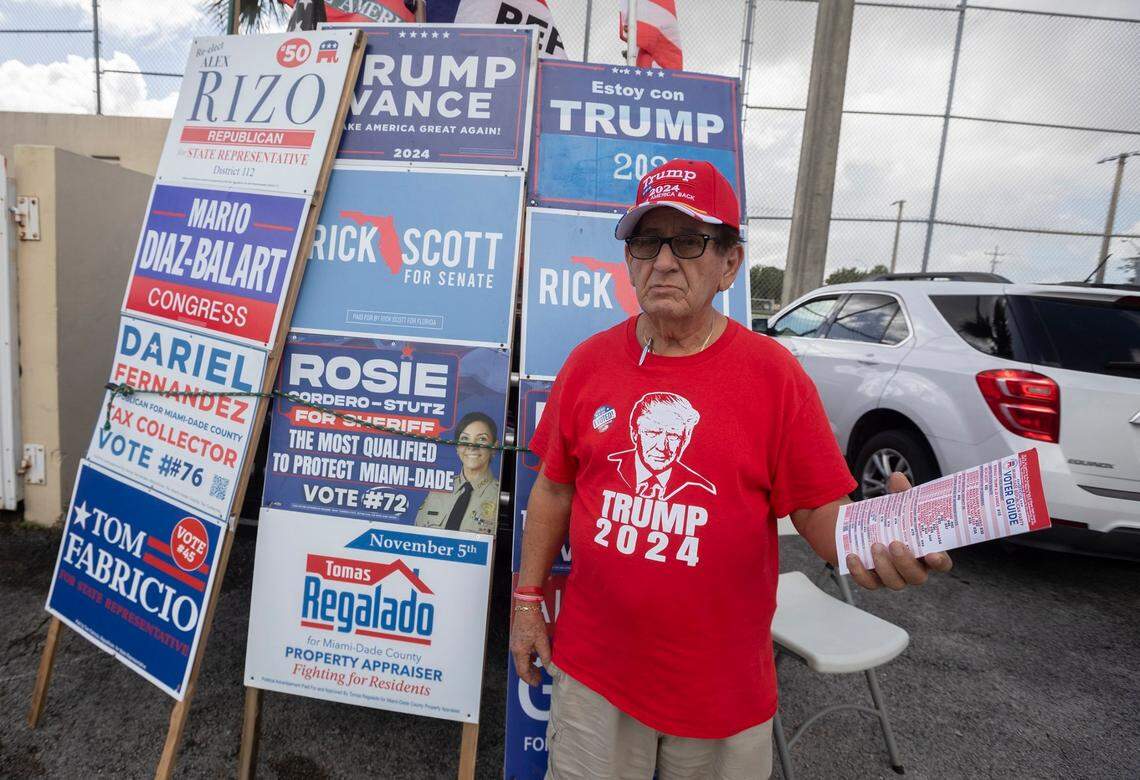
- And, crucially for our discussion, wearing items of clothing that overtly promote or oppose a candidate, party, or political cause.
This distance is measured from the entrance of the building in which the polling place is located, not just the room itself. Election officials, poll workers, and law enforcement are tasked with enforcing this rule to maintain order and neutrality during voting hours. The intent is not to suppress free speech, but rather to balance First Amendment rights with the state’s compelling interest in ensuring an orderly and unbiased election process. While individuals retain their right to express political views, this right is reasonably restricted within the immediate vicinity of the ballot box to protect the sanctity of the vote.
What Constitutes “Political Clothing”?
Defining “political clothing” can sometimes be subjective, but in the context of Florida’s electioneering laws, it generally refers to any apparel that explicitly or implicitly supports or opposes a candidate, political party, or ballot initiative. This can include:
- Campaign T-shirts: Shirts featuring candidate names, slogans, or campaign logos (e.g., “Vote for X,” “Re-Elect Y”).
- Party Affiliation Gear: Clothing with clear Republican Party or Democratic Party logos, or other party-specific branding.
- Issue-Oriented Messages: Apparel advocating for or against a specific policy, constitutional amendment, or other ballot measure (e.g., “Support Amendment Z,” “No to Proposal A”).
- Hats, Buttons, and Accessories: Any item of clothing or accessory worn on the body that serves as a campaign message.
The key is whether the item communicates a partisan message or attempts to sway voters. While a simple American flag pin might be permissible as a general patriotic display, a flag pin explicitly linked to a political campaign or partisan slogan would likely fall under the prohibition. Poll workers are trained to identify and address such instances. If a voter arrives at a polling place wearing prohibited attire, they will typically be asked to cover up the political message, remove the item, or, in some cases, provided with a plain piece of clothing to wear over the offending item before being allowed to cast their ballot. Refusal to comply could, in extreme cases, lead to being turned away or other consequences, though the goal is always to facilitate voting while upholding the law.
Implications for Voters and Visitors in the Sunshine State
Florida’s unique demographic makeup and its status as a top travel destination mean that its election laws affect a wide array of individuals, from long-term residents in Jacksonville to temporary visitors in Tampa who might still maintain their voting registration within the state. Understanding these implications is crucial for ensuring a smooth and compliant voting experience, regardless of one’s residency status.
Navigating Election Day as a Florida Resident
For permanent residents of Florida, awareness of the 150-foot electioneering rule is part of responsible civic participation. Residents are generally accustomed to the political landscape and the regulations that come with it. However, with the constant influx of new residents and the shifting nature of election cycles, it’s always wise to refresh one’s understanding.
Voters in cities like Tallahassee, the state capital, or populous areas such as Orlando and Miami, should plan their Election Day attire carefully. The rule isn’t meant to be punitive but preventative, aimed at maintaining a neutral atmosphere conducive to thoughtful decision-making. If a resident inadvertently wears political clothing, poll workers will provide instructions to remedy the situation. Complying promptly ensures that the voter can proceed to cast their ballot without unnecessary delays or complications. Many residents opt for non-descript clothing on Election Day to avoid any potential issues, focusing instead on the act of voting itself. This approach aligns with the spirit of the law, which aims to create an environment free from last-minute political influence.
For Out-of-State Voters or Long-Term Visitors
Florida is a magnet for visitors, including snowbirds who spend several months out of the year in the warmer climate, and others who might be registered to vote in Florida despite having primary residences elsewhere. For these individuals, unfamiliarity with local election laws can pose a challenge. A tourist visiting Walt Disney World or Universal Studios Florida, for example, might not be aware of the nuances of Florida’s electioneering laws if they happen to be voting in a local election.
This highlights the importance of being informed, especially for those whose primary exposure to Florida is through its vibrant tourism and accommodation sectors. If you’re a long-term visitor or an out-of-state resident registered to vote in Florida, it’s advisable to check the specific election laws before heading to the polls. Information is readily available through the Florida Division of Elections website or local Supervisor of Elections offices. When planning your travel to areas like South Beach or near Everglades National Park, and if your trip coincides with an election, make sure your Election Day plans include dressing appropriately. Hotels and resorts, while not directly involved in election laws, often cater to a diverse clientele and are good starting points for general inquiries about local customs and regulations, even if they cannot provide legal advice on voting.
Beyond the Ballot Box: Election Etiquette and Civic Responsibility
The regulations surrounding political clothing at polling places in Florida are not merely about legal compliance; they reflect a broader expectation of civic responsibility and a commitment to maintaining the integrity of the electoral process. Beyond the strict letter of the law, there’s an unspoken etiquette that helps ensure Election Day proceeds smoothly for everyone involved.
Respecting the Polling Place Environment
A polling place is a unique civic space. It serves as a temporary hub for democracy, where citizens from all walks of life, with diverse political views, come together to fulfill one of their most fundamental rights. The atmosphere should be one of respectful quiet, focused on the serious task at hand. This environment is crucial for several reasons:
- Minimizing Intimidation: Prohibiting overt political displays helps prevent any voter from feeling intimidated or pressured by the presence of strong partisan messaging. This is particularly important for first-time voters or those who might be more susceptible to external influence.
- Promoting Privacy: Voting is a private act. While individuals may choose to share their preferences, the act of casting a ballot should occur without direct political advertisements visible or audible in the immediate vicinity.
- Maintaining Order: Clear rules about conduct, including attire, help poll workers manage the flow of voters and prevent arguments or confrontations over political differences.
By refraining from wearing political clothing within the 150-foot buffer zone, voters contribute to an atmosphere of mutual respect and neutrality. It’s a small gesture that collectively reinforces the idea that at the polling place, the focus shifts from campaigning to the act of solemn decision-making. This kind of civic courtesy extends to other aspects of Election Day, such as respecting queues, following instructions from poll workers, and keeping noise levels down.
Promoting a Smooth Voting Experience
The smooth operation of an election depends on the cooperation of voters and the diligence of poll workers. When voters are aware of and adhere to the guidelines, it significantly streamlines the process. Imagine the delays and potential frustrations if every voter had to be individually addressed about their attire.
For election officials, including the dedicated volunteers who staff polling places, enforcing the electioneering rules is a standard part of their duties. They are there to assist voters and ensure the integrity of the process. When a voter arrives in political attire, poll workers must take time to explain the rule and request compliance. This can slow down lines, especially in high-turnout precincts found in metropolitan areas like Jacksonville or Tampa. By proactively choosing non-political clothing, voters eliminate this potential bottleneck, allowing poll workers to focus on verifying identification, distributing ballots, and assisting those with special needs.
This thoughtful approach to Election Day also aligns with a broader lifestyle philosophy of responsible community engagement. Just as one might observe specific dress codes when visiting certain landmarks or attending formal events, adhering to election guidelines demonstrates respect for the democratic institution and the communal effort required to uphold it. It’s about recognizing that the act of voting transcends individual expression at that particular moment, emphasizing collective participation in a vital civic duty.
Florida Living and Voting: A Blend of Lifestyle and Civic Duty
Florida is a state where lifestyle often revolves around its beautiful scenery, vibrant tourism, and laid-back attitude, particularly along the Atlantic Coast and Gulf Coast. Yet, beneath this relaxed exterior lies a significant commitment to civic participation. Integrating the act of voting into a Florida lifestyle means understanding how state regulations, including those on political attire, fit into the broader picture of community engagement and democratic processes.
Planning Your Election Day in a Tourist Hotspot
For those living in or visiting Florida, Election Day might coincide with other activities, whether it’s a day at the beach, exploring a historic district, or enjoying amenities at one of the many hotels or resorts. Planning for Election Day, particularly in a state known for its travel and attractions, requires a bit of foresight.
If you’re registered to vote in Florida and find yourself in a tourist hotspot like Orlando or Miami on Election Day, it’s beneficial to consider your outfit beforehand. Opting for neutral clothing ensures you can seamlessly transition from your polling place to your planned activities without interruption. Many residents might even plan their day around early voting opportunities, which offer more flexibility in timing and can sometimes have different regulations regarding proximity to campaign activities, though the core electioneering ban at the polling place itself remains. For long-term visitors utilizing various accommodation options, whether a rented villa or a luxurious hotel suite, checking local voting schedules and requirements should be as routine as checking the weather forecast. Embracing this civic duty is a part of the rich tapestry of life in the Sunshine State, blending personal leisure with collective responsibility.

The Broader Context of Free Speech vs. Orderly Elections
The debate over political clothing at polling places touches on the fundamental tension between an individual’s right to free speech, as guaranteed by the First Amendment of the United States Constitution, and the state’s legitimate interest in conducting fair, orderly, and intimidation-free elections. Courts have consistently upheld that while free speech is a cornerstone of American democracy, it is not absolute and can be subject to reasonable time, place, and manner restrictions.
The 150-foot rule in Florida is considered such a reasonable restriction. It does not prohibit political expression entirely; rather, it sets a boundary within which such expression is temporarily curtailed to safeguard the integrity of the voting process. Voters are free to wear their political clothing or display their signs outside this perimeter, on public property, demonstrating that the restriction is narrowly tailored to achieve its specific goal without broadly suppressing speech. This balance is critical for maintaining public trust in election outcomes and for ensuring that every citizen feels empowered to vote without external pressure. Understanding this balance is part of mature civic engagement and contributes to a healthy democratic environment, reflective of the diverse and dynamic character of the Sunshine State.
In conclusion, while Florida celebrates individual freedoms, the act of voting comes with specific responsibilities. The prohibition against wearing political clothing within 150 feet of a polling place is a well-established rule designed to ensure a neutral and orderly environment for all voters. For residents and visitors alike, being aware of and respecting this rule is a simple yet significant way to uphold the integrity of democracy in the vibrant and politically important Sunshine State. So, as you plan your Election Day, whether you’re heading to the polls from a beachside resort or your home in a bustling city, remember to leave your political attire at a respectful distance, allowing the focus to remain purely on the power of your vote.
LifeOutOfTheBox is a participant in the Amazon Services LLC Associates Program, an affiliate advertising program designed to provide a means for sites to earn advertising fees by advertising and linking to Amazon.com. Amazon, the Amazon logo, AmazonSupply, and the AmazonSupply logo are trademarks of Amazon.com, Inc. or its affiliates. As an Amazon Associate we earn affiliate commissions from qualifying purchases.