
The fervent question, “Did anyone get hurt when Washington played Arizona?” echoes beyond the gridiron or basketball court, resonating deeply within the realm of sports tourism. While the immediate interpretation might point to player injuries, for the thousands who travel to witness such a high-stakes contest, “hurt” can encompass a spectrum of experiences: from the physical safety of spectators to the emotional impact of a game’s outcome on an invested fanbase, and even the reputation of a host city’s ability to deliver a seamless event. These matchups, often between collegiate powerhouses like the University of Washington Huskies and the University of Arizona Wildcats, are not merely sporting events; they are cultural phenomena that drive significant tourism, transforming host cities into vibrant hubs of activity for a weekend. Understanding the multifaceted nature of this question is crucial for both avid sports tourists and the destinations that eagerly welcome them.
The Roar of Rivalry: A Tourist’s Pilgrimage
For many, attending a live game between storied rivals like Washington and Arizona is more than just an item on a calendar; it’s a pilgrimage. Fans travel hundreds, if not thousands, of miles to immerse themselves in the electric atmosphere, to don their team’s colors, and to lend their voices to the collective roar. This phenomenon is a cornerstone of sports tourism, contributing significantly to local economies in cities like Tucson or Seattle. Visitors flock not just for the game itself, but for the entire weekend experience: the pre-game tailgates, the post-game celebrations (or commiserations), and the opportunity to explore a new destination through the lens of their passion.
The “hurt” in this context can be a metaphorical sting of a hard-fought loss, a feeling familiar to any devoted fan who has invested time, money, and emotion into following their team. It’s the emotional rollercoaster that defines the live sports experience, amplified when traveling far from home. A close game, regardless of outcome, often leaves fans feeling exhilarated, albeit perhaps a little “bruised” by the tension. Conversely, a one-sided defeat can leave a lingering sense of disappointment, impacting the overall perception of the travel experience. Yet, even in defeat, the shared experience with fellow fans, the spectacle of the event, and the memories forged often outweigh the immediate sting.
Economic Impact and Local Hospitality
When a major game rolls into town, the host city’s tourism sector gears up for a substantial boost. Hotels fill up, restaurants buzz, and local attractions see increased foot traffic. For instance, in a city like Tucson, a University of Arizona home game against a significant opponent brings an influx of visitors who spend on everything from accommodation and dining to souvenirs and local tours. The question of “hurt” for the host city becomes one of reputation and sustained economic benefit. Did the visitors feel welcomed? Was the infrastructure capable of handling the crowds? Were there any incidents that could deter future tourism? A well-managed, safe, and enjoyable event ensures positive word-of-mouth and encourages repeat visits, not just for future games, but for general tourism as well. Local businesses often prepare special promotions or themed events to cater to the influx of fans, creating a festive atmosphere that enhances the overall tourist experience.
Navigating the Game Day Experience: Safety and Spectacle
The more literal interpretation of “Did anyone get hurt?” directly addresses the physical safety of players and, crucially, of the thousands of fans in attendance. Major sporting events are intricate logistical operations, with host cities and venue management teams prioritizing crowd control, emergency services, and overall safety. For sports tourists, understanding these measures and adhering to venue policies is paramount to ensuring a positive experience.
Player Welfare: The Heart of the Game
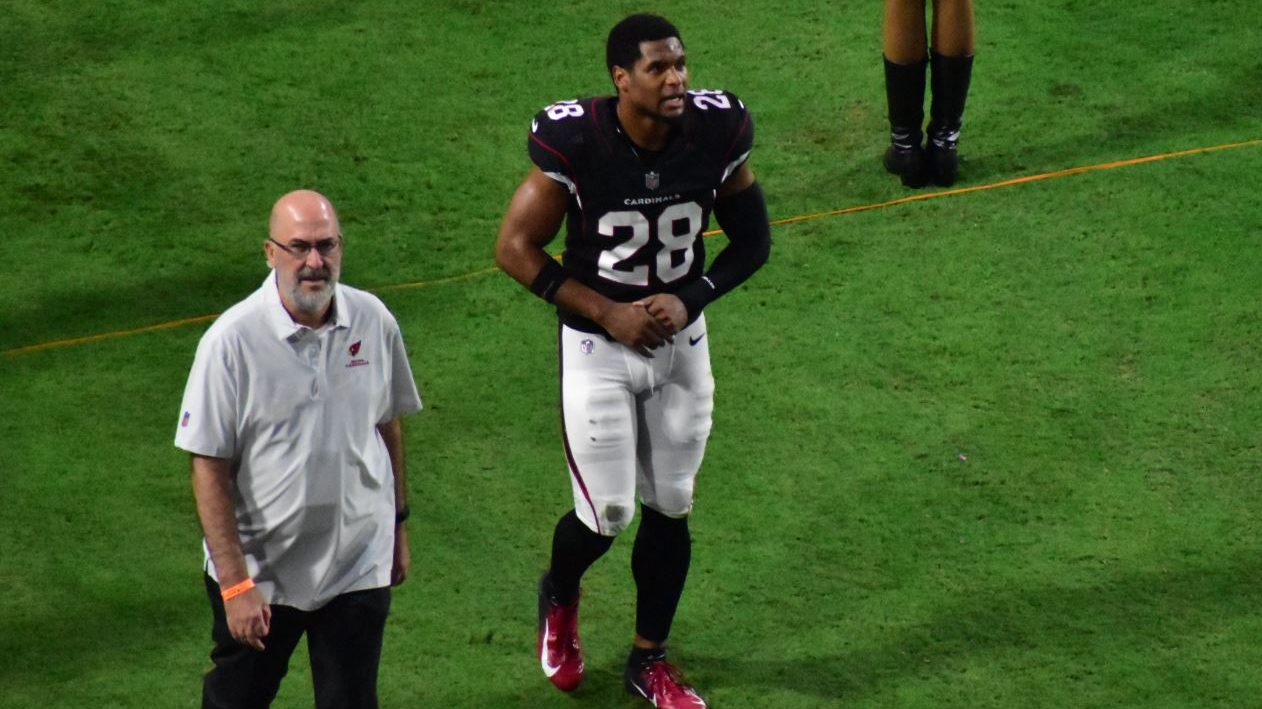
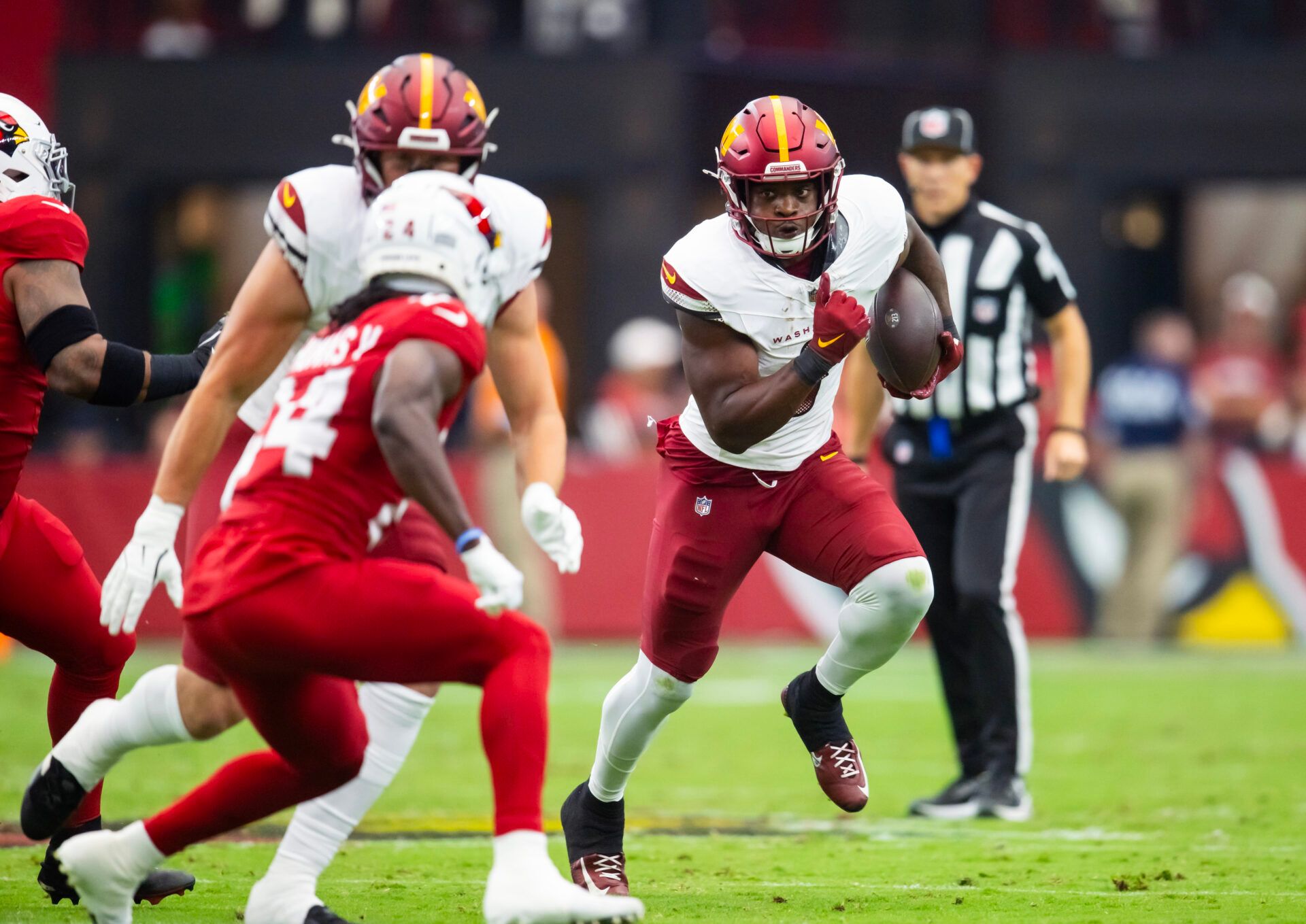
While fans travel to see spectacular plays, there’s an underlying concern for player welfare. In high-impact sports like football, injuries are an unfortunate reality. Medical teams are always on standby, and protocols are rigorously followed. For the traveling fan, knowing that players are treated promptly and effectively is part of the integrity of the sport. While injuries can be disheartening, they are also a stark reminder of the immense physicality and dedication required, fostering respect among fans for the athletes. The spirit of competition is intense, but the underlying ethos emphasizes fair play and respect, minimizing intentional harm.
Fan Safety and Crowd Management
Attending a large-scale event means being part of a massive crowd. Host cities and stadium operators invest heavily in security personnel, clear signage, and efficient entry/exit procedures to manage the flow of people. For tourists, it’s wise to:
- Arrive early: Avoid the last-minute rush and enjoy the pre-game atmosphere.
- Know your surroundings: Locate exits, restrooms, and concession stands upon arrival.
- Stay aware: Be mindful of your belongings and your immediate environment.
- Follow instructions: Listen to stadium staff and security personnel.
The “hurt” question here translates into incidents of disorderly conduct, altercations, or medical emergencies. While rare, such events can detract from the overall experience. Reputable venues work tirelessly to mitigate these risks, ensuring a family-friendly environment where passionate cheering can coexist with safety and respect. Cities hosting major events often collaborate with local law enforcement to ensure heightened security measures are in place, particularly for rival games where emotions run high. This proactive approach helps to safeguard the experience for all attendees, including visiting fans.
Beyond the Stadium: Embracing Local Culture and Cuisine
A sports tourism trip is rarely just about the game. It’s an opportunity to explore the host city, delve into its local culture, and savor its unique culinary offerings. For those traveling to Arizona for a game, the desert landscape and Southwestern flavors offer a stark contrast to the Pacific Northwest traditions of [Washington](https://lifeoutofthebox.com/washington].
Culinary Adventures
Food is an integral part of travel. In Tucson, for example, visitors can indulge in authentic Sonoran hot dogs, explore vibrant Mexican cuisine, or discover innovative farm-to-table restaurants. These gastronomic experiences add depth to the trip, creating lasting memories that complement the thrill of the game. Engaging with local eateries provides a taste of the regional identity and allows tourists to support local businesses directly.
Exploring Local Attractions
Beyond game day, tourists often seek out local landmarks and attractions. In Tucson, visitors might explore the Saguaro National Park, the Arizona-Sonora Desert Museum, or the historic Mission San Xavier del Bac. These excursions provide a broader understanding of the destination and offer a relaxing contrast to the high-energy atmosphere of game day. For fans from Washington, the desert environment offers a distinct change of scenery and a chance to experience a different part of the country. Incorporating these cultural and natural explorations enhances the value of the trip, making it more than just a fleeting sports encounter.
Making the Most of Your Sports Tourism Trip
To ensure your journey to witness Washington play Arizona is memorable for all the right reasons, careful planning is essential. Minimizing potential “hurt” (whether physical or experiential) involves foresight and preparation.
Accommodation and Logistics
Booking accommodation well in advance is critical, especially for high-demand game weekends. Research hotels, resorts, or vacation rentals that suit your budget and preferences, paying attention to proximity to the stadium and public transport options. For instance, in Phoenix, home to the Arizona Cardinals NFL team, options range from luxury downtown hotels to charming boutique stays. Consider transportation plans, whether it’s ride-sharing services, public transit, or designated game-day shuttles, to avoid traffic and parking hassles. Many cities offer special event passes for public transportation, providing a cost-effective and efficient way to navigate.
Ticketing and Fan Etiquette
Secure game tickets through official channels to avoid scams. Be aware of venue bag policies and prohibited items to ensure a smooth entry. Crucially, embrace fan etiquette: cheer passionately for your team, but always show respect for the opposing team’s fans and players. Rivalries are intense, but they are at their best when sportsmanship prevails. A positive interaction with rival fans can often be a highlight, demonstrating the unifying power of sports despite allegiances.
Ultimately, the question “Did anyone get hurt when Washington played Arizona?” serves as a valuable prompt for introspection within the tourism industry. It highlights the layers of safety, experience, and satisfaction that contribute to a successful sports tourism venture. By prioritizing player well-being, ensuring fan safety, and offering a rich cultural experience beyond the stadium, host cities and event organizers can ensure that such legendary matchups leave everyone feeling exhilarated, not “hurt.”
LifeOutOfTheBox is a participant in the Amazon Services LLC Associates Program, an affiliate advertising program designed to provide a means for sites to earn advertising fees by advertising and linking to Amazon.com. Amazon, the Amazon logo, AmazonSupply, and the AmazonSupply logo are trademarks of Amazon.com, Inc. or its affiliates. As an Amazon Associate we earn affiliate commissions from qualifying purchases.