
The legal proceedings surrounding former President Donald Trump and his business dealings in New York have been a constant fixture in the news cycle. Central to these developments has been a significant civil fraud case brought forth by the New York Attorney General. The question of whether Mr. Trump secured a victory in his recent appeal offers a crucial insight into the ongoing legal narrative and its potential implications, particularly for his vast real estate empire and its presence within the iconic skyline of New York City.
The Core of the Civil Fraud Case
The lawsuit, initiated by Attorney General Letitia James, alleged that Mr. Trump and his company, The Trump Organization, had systematically inflated the value of their assets to secure more favorable terms on loans and insurance policies. This alleged misrepresentation extended across a portfolio of prestigious properties, including iconic structures that have become synonymous with New York and indeed, the global perception of luxury and wealth.
Allegations of Asset Inflation
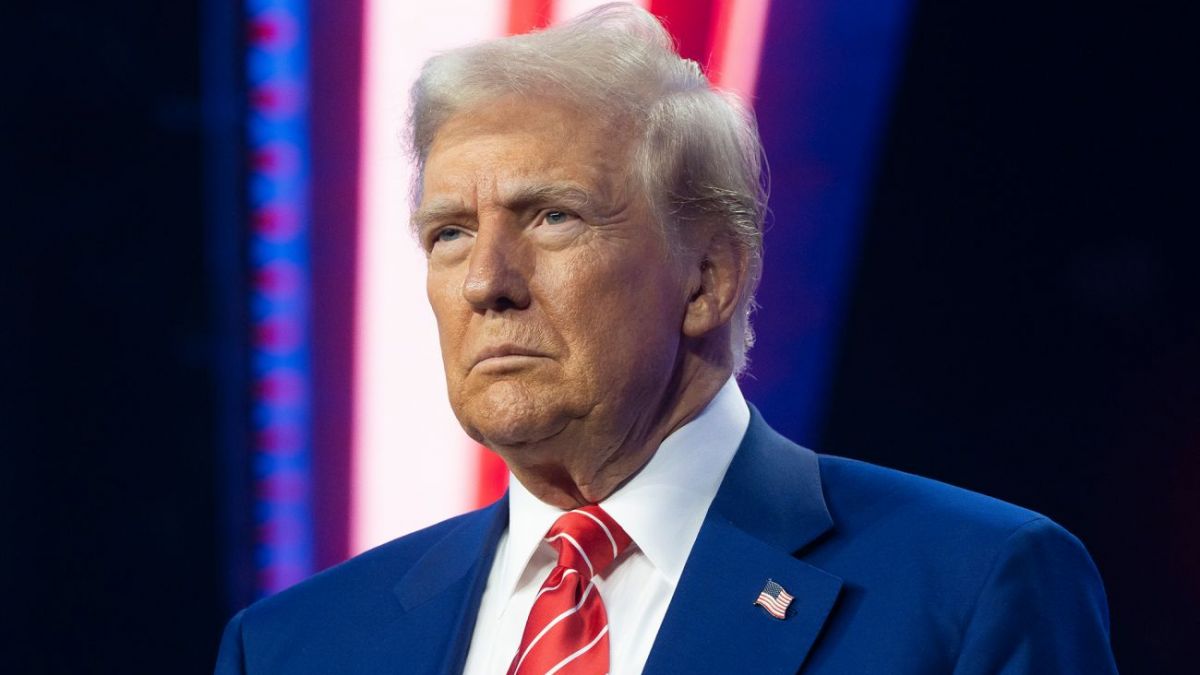
The core of the attorney general’s argument centered on what was described as a pattern of deception in financial statements. Prosecutors presented evidence suggesting that assets such as the Trump Tower penthouse, Mar-a-Lago estate, and various golf courses were valued at figures significantly higher than their actual worth. These inflated valuations, it was argued, were not mere accounting discrepancies but deliberate manipulations designed to mislead financial institutions and insurers.
The Initial Judgment
The initial ruling by Judge Arthur Engoron delivered a substantial blow to Mr. Trump and his business. The judge found that Mr. Trump and his co-defendants had indeed engaged in fraudulent practices and imposed a penalty of over $350 million in disgorgement of profits, along with pre-judgment interest. Furthermore, the ruling included a ban that would have prohibited Mr. Trump and his adult sons, Donald Trump Jr. and Eric Trump, from serving as officers or directors of any New York corporation for a period of time. This was a significant consequence, threatening the very leadership of the organization.
The Appeal Process: Seeking Judicial Reconsideration
Following the initial judgment, Mr. Trump’s legal team immediately signaled their intent to appeal. The appeal process is a fundamental aspect of the United States legal system, providing a mechanism for parties to challenge lower court decisions they believe are erroneous. For a figure like Mr. Trump, whose business is deeply intertwined with the real estate landscape of New York, the stakes of this appeal were exceptionally high.
Grounds for Appeal
The legal strategy for appealing a judgment typically involves identifying specific legal errors made by the lower court. In this instance, Mr. Trump’s lawyers argued that Judge Engoron had misapplied the law, particularly concerning the statute of limitations and the definition of “falsity” in the context of financial statements. They contended that the valuations, while perhaps aggressive, were presented as estimates or opinions, not as concrete facts that could be deemed fraudulent. The defense also sought to challenge the extent of the penalty and the business restrictions imposed.
The Appellate Division’s Role
The appeal was heard by the Appellate Division of the New York Supreme Court, First Judicial Department. This intermediate appellate court reviews decisions from trial courts and has the authority to affirm, reverse, or modify the lower court’s ruling. The proceedings before this court involve detailed legal arguments presented in written briefs and, often, oral arguments where attorneys can directly address the panel of judges.

The Outcome of the Appeal: A Partial Victory
The New York Appellate Division ultimately issued its decision, and in summary, Donald Trump did not achieve a complete victory in his appeal. However, the ruling did provide some significant relief from the initial judgment, marking a nuanced outcome rather than a decisive win or loss.
Modification of Financial Penalties
One of the most crucial aspects of the appeal’s outcome was the adjustment to the financial penalties. The Appellate Division reduced the massive disgorgement amount that Mr. Trump was initially ordered to pay. While still substantial, the reduction offered a reprieve from the staggering sum initially stipulated by Judge Engoron. This modification acknowledged certain arguments presented by the defense regarding the calculation of profits. The court also adjusted the pre-judgment interest rate, further reducing the total financial obligation.
Reversal of Business Restrictions
Perhaps more strategically significant for Mr. Trump was the Appellate Division’s decision to overturn the stringent business restrictions. The initial ruling had barred Mr. Trump and his sons from holding leadership positions in any New York entity. The appellate court found this penalty to be excessive and reversed it, allowing Mr. Trump and his sons to continue in their executive roles within the Trump Organization. This decision was vital for maintaining operational control of their extensive real estate and hospitality ventures, many of which are landmark attractions themselves.
Affirmation of Liability
Despite the modifications, the Appellate Division did affirm the core finding of liability against Mr. Trump and the Trump Organization. The court agreed with the lower court’s determination that Mr. Trump had indeed engaged in fraudulent conduct by misstating asset values. This affirmation meant that the finding of wrongdoing remained intact, even though the financial consequences and operational restrictions were eased. The case was ultimately sent back to the lower court for further proceedings to finalize the exact amounts and details of the revised judgment.
Implications for the Real Estate Landscape
The ongoing legal battles, even with the partial relief from the appeal, continue to cast a shadow over the Trump Organization and its prominent role in the New York real estate market. While the immediate threat of business disqualification has receded, the finding of liability and the substantial financial penalties, even if reduced, carry significant weight.
Impact on Property Valuations and Lending
The legal precedent set by this case could influence how properties are valued in future real estate transactions and how financial institutions assess risk. The court’s affirmation of liability for asset inflation might lead to greater scrutiny of valuations presented by developers and owners. This could affect the ability of major real estate players in New York City to secure loans or advantageous insurance terms, potentially impacting new development projects and the financing of existing iconic buildings.
The Future of Trump Properties
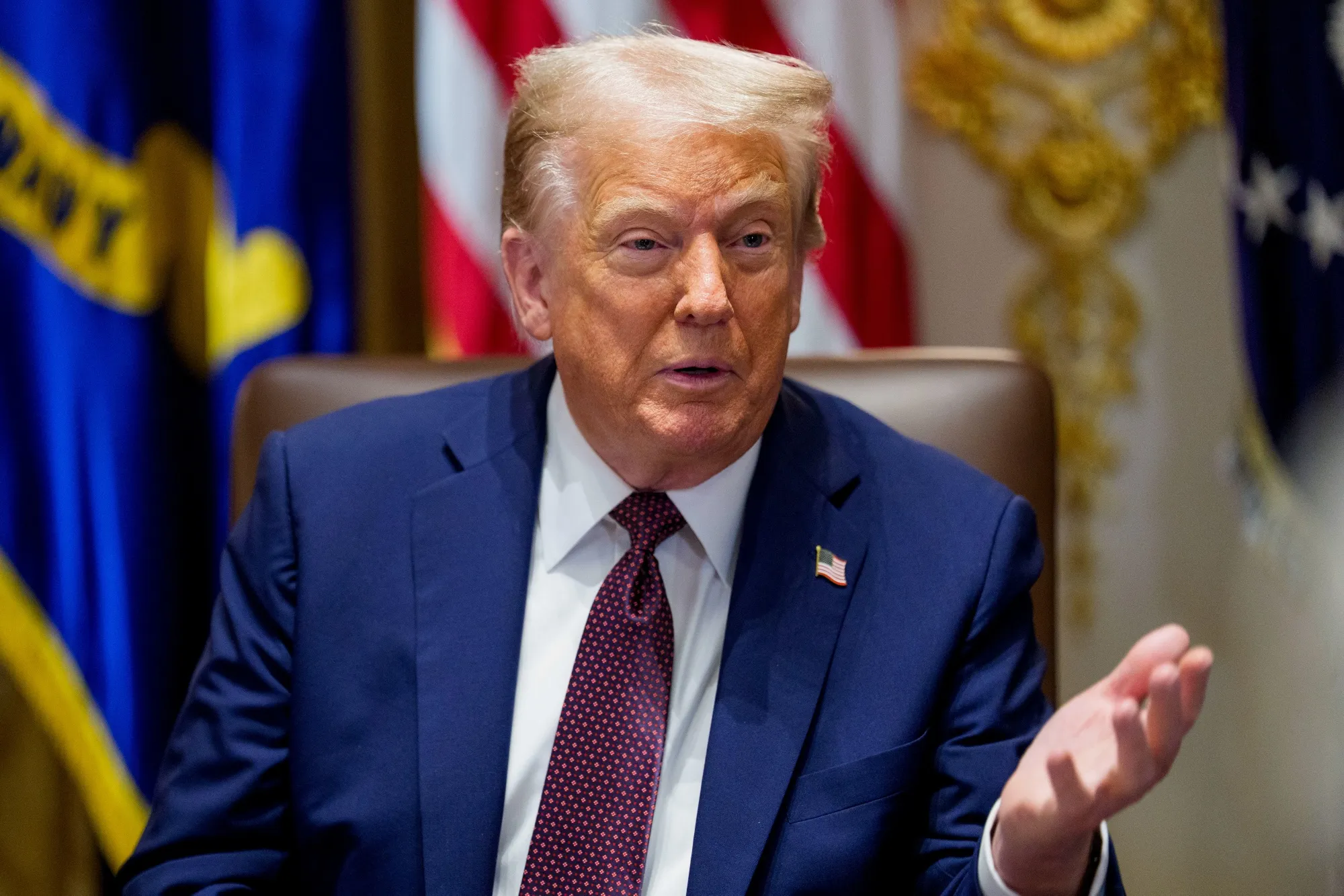
The Trump Organization owns and manages a diverse portfolio of properties, from residential skyscrapers to luxury hotels and golf courses. While the appeal secured the ability for Mr. Trump to remain in leadership, the financial impact of the penalties and the reputational stain of the fraud finding could still shape the future of these assets. Decisions regarding divestment, refinancing, or the pursuit of new ventures might be influenced by the ongoing legal complexities and the need to satisfy the revised financial obligations. The appeal’s outcome, therefore, is not an endpoint but a significant waypoint in a complex legal journey that continues to resonate within the world of New York commerce and real estate.
LifeOutOfTheBox is a participant in the Amazon Services LLC Associates Program, an affiliate advertising program designed to provide a means for sites to earn advertising fees by advertising and linking to Amazon.com. Amazon, the Amazon logo, AmazonSupply, and the AmazonSupply logo are trademarks of Amazon.com, Inc. or its affiliates. As an Amazon Associate we earn affiliate commissions from qualifying purchases.