
The question “Did Florida get snow today?” often elicits a chuckle from those familiar with the Sunshine State, and for good reason. Florida, renowned globally for its balmy temperatures, endless sunshine, and iconic beaches, is virtually synonymous with warmth. While the romantic notion of a white Christmas in the subtropics might intrigue some, the reality is that snow is an exceedingly rare, almost mythical, occurrence in this vibrant corner of the United States. Travelers flock here precisely to escape the cold grip of winter, seeking solace in its consistently pleasant climate.
This article delves into the meteorological realities of Florida, exploring why snow is a fleeting fantasy, and more importantly, what the state truly offers as a premier travel destination. From its sun-drenched coastlines to its world-famous theme parks and biodiverse natural landscapes, Florida presents an unparalleled tapestry of experiences, all thriving under a climate that almost guarantees outdoor adventure and relaxation year-round. Understanding its weather patterns is key to unlocking the perfect Florida getaway, ensuring your travel plans align with the state’s enduring appeal as a haven from the cold.

The Sunshine State’s Enduring Allure: A Climate of Warmth and Wonder
Florida’s identity is inextricably linked to its climate. It’s the destination of choice for millions seeking a respite from colder climes, drawn by the promise of warmth and sunshine. This consistent weather pattern is not merely a pleasant backdrop but an integral part of the travel experience, enabling a vast array of activities that would be impossible in a snow-laden landscape.
Dispelling the Flurry Myth: A Look at Florida’s Climate Realities
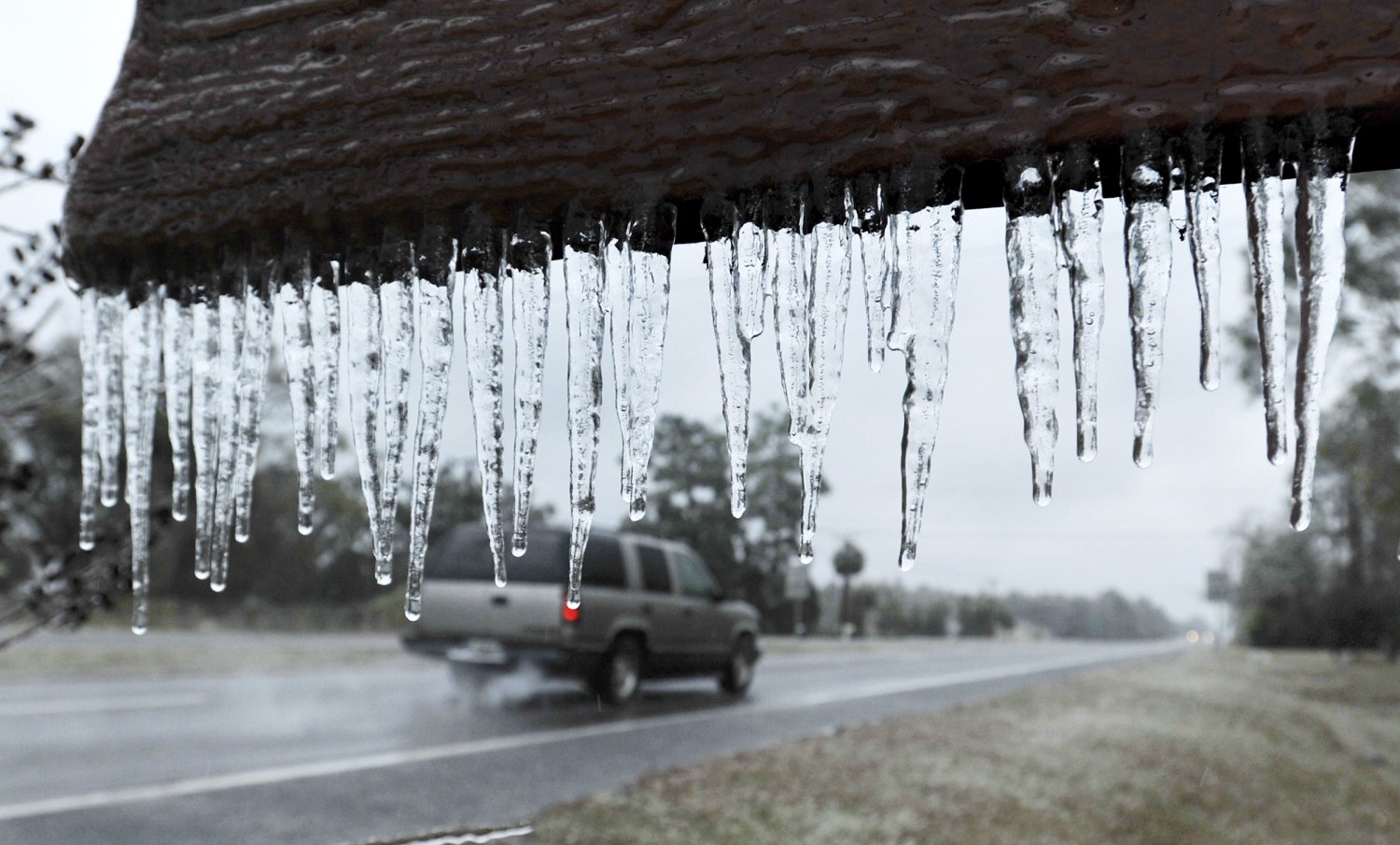
To put it plainly, the likelihood of Florida experiencing snow today, or any day, is exceptionally low. The state primarily features a humid subtropical climate in its northern and central regions, transitioning to a tropical climate in the southern half, including the Florida Keys. This classification means mild to warm winters and hot, humid summers. For snow to occur, a very specific and unusual set of atmospheric conditions must align: temperatures must drop to freezing point (32°F or 0°C) from the ground up to the cloud base, and there must be sufficient moisture in the air.
Historically, snow in Florida is an event of such rarity that it often makes national news. Most recorded instances have been confined to the northernmost counties, often as mere flurries that melt upon impact with the warm ground. Significant accumulation is virtually unheard of outside of these isolated, sporadic events. The last widespread snowfall in central Florida, for example, was decades ago, serving as a rare exception rather than a rule. For travelers, this means you can confidently leave your winter coats and snow boots at home. Your packing list should instead focus on swimwear, shorts, t-shirts, and reliable sun protection.
What the Weather Really Means for Your Florida Vacation
The consistent warmth of Florida dictates the rhythm of its travel seasons and the nature of its attractions. The prime travel seasons are typically fall, winter, and spring (roughly October through May), when temperatures are comfortably warm, humidity is lower, and the chances of rain are reduced. During these months, days are perfect for exploring theme parks, relaxing on beaches, or engaging in outdoor sports like golf and tennis. Even in the heart of winter, average daytime temperatures in South Florida hover around the low to mid-70s Fahrenheit (20s Celsius), making it an ideal escape for those fleeing colder climates.
Summer, from June to September, brings hotter temperatures and higher humidity, alongside the state’s rainy season. Afternoon thunderstorms are common, often intense but usually brief, clearing to reveal sunshine once more. This period also coincides with hurricane season, which runs from June 1st to November 30th. While direct hurricane hits are relatively infrequent, travelers during these months should remain vigilant and consider travel insurance. Despite the heat and rain, summer remains a popular time for families, especially those visiting Orlando’s theme parks, thanks to school holidays. The key to enjoying a summer Florida vacation is to embrace early mornings and late afternoons for outdoor activities, allowing for breaks during the midday heat and afternoon showers.
Beyond the Beaches: Unpacking Florida’s Diverse Travel Tapestry
While its beaches are legendary, Florida’s appeal extends far beyond its sandy shores. The state is a mosaic of vibrant cities, thrilling attractions, and breathtaking natural environments, all perfectly suited to its warm climate.
Coastal Escapes and Aquatic Adventures
Florida’s coastline stretches for thousands of miles, offering an incredible variety of beach experiences. On the Atlantic side, you’ll find iconic destinations like Miami Beach with its vibrant Art Deco architecture and energetic South Beach scene. Further north, areas like Fort Lauderdale and Palm Beach offer upscale resorts and pristine sands. The Gulf Coast, known for its calmer, warmer waters and powdery white sand, boasts gems such as Clearwater Beach, consistently ranked among the best beaches in the U.S., and Siesta Key with its unique quartz sand.
Beyond sunbathing, the coastal waters invite a plethora of aquatic adventures. Snorkeling and diving are exceptional, particularly in the clear, coral-rich waters of the Florida Keys, where the only living coral barrier reef in the continental U.S. resides. Cities like Key West offer easy access to stunning dive sites and unforgettable fishing charters. Boating, kayaking, paddleboarding, and jet-skiing are popular pastimes, allowing travelers to explore hidden coves, mangrove tunnels, and observe marine life from dolphins to manatees in their natural habitats. The warm waters mean these activities are enjoyable almost any time of year.

Theme Park Thrills and Family Fun
No discussion of Florida travel is complete without mentioning Orlando, the undisputed theme park capital of the world. Home to the expansive Walt Disney World Resort, which includes Magic Kingdom, Epcot, Hollywood Studios, and Animal Kingdom, Orlando is a dream come true for families and adults alike. Nearby, Universal Orlando Resort captivates visitors with the Wizarding World of Harry Potter and thrilling roller coasters, while SeaWorld Orlando combines marine life shows with exhilarating rides.
The warm Florida climate is essential to the success of these parks, allowing them to operate year-round with extensive outdoor attractions, water rides, and spectacular parades. Beyond Orlando, destinations like Tampa offer additional thrills at Busch Gardens Tampa Bay, combining roller coasters with African-themed animal encounters. These theme parks are designed to be immersive, multi-day experiences, offering something for every age group and interest, making Florida a top choice for family vacations.
Nature’s Embrace: Exploring Florida’s Natural Wonders
Beyond the man-made marvels, Florida boasts an extraordinary array of natural landscapes that thrive under its unique climate. The most famous is perhaps Everglades National Park, a vast subtropical wilderness and a UNESCO World Heritage Site. Here, airboat tours glide across sawgrass prairies, offering glimpses of alligators, wading birds, and panthers. It’s a critical ecosystem unlike any other in the U.S.
The state is also home to an impressive network of freshwater springs, particularly in North and Central Florida. These natural wonders, like Ginnie Springs and Blue Spring State Park, maintain a refreshing 72°F (22°C) temperature year-round, making them perfect for swimming, snorkeling, tubing, and kayaking. They are also vital winter refuges for manatees, offering incredible wildlife viewing opportunities. Florida’s numerous state parks, national forests, and wildlife refuges provide endless possibilities for hiking, biking, birdwatching, and camping, showcasing the state’s incredible biodiversity away from the bustling tourist hubs.
Planning Your Perfect Florida Getaway: Travel Insights
With its vast array of attractions and diverse regions, planning a Florida vacation requires some thoughtful consideration to maximize your experience. Understanding the nuances of each area and preparing appropriately for the climate will ensure a smooth and enjoyable trip.
Choosing Your Florida Base: Cities and Regions
The first step in planning is deciding which part of Florida best suits your travel interests:
- Orlando and Central Florida: Ideal for families and thrill-seekers, primarily focused on theme parks. It’s centrally located, allowing for day trips to both Atlantic and Gulf Coast beaches.
- Miami and Southeast Florida: Perfect for those seeking vibrant nightlife, diverse culture, high-end shopping, and glamorous beaches. Its Latin influence provides a unique cultural flavor.
- Tampa Bay Area: Offers a blend of urban attractions, historical sites, a thriving food scene, and beautiful Gulf Coast beaches nearby. It’s a great option for those seeking a mix of city life and relaxation.
- Southwest Florida (e.g., Sarasota, Naples): Known for its pristine beaches, upscale amenities, arts and culture, and excellent golfing. It appeals to travelers seeking a more relaxed, refined experience.
- Florida Keys (e.g., Key West): Offers a distinctly laid-back, bohemian island vibe. It’s the ultimate destination for fishing, diving, watersports, and enjoying breathtaking sunsets.
- Northwest Florida (Panhandle): Features “Emerald Coast” beaches with stunning white sand and emerald-green waters. It’s a popular choice for families and those seeking a more traditional beach vacation with a Southern charm.
Each region offers a distinct experience, making Florida a destination that truly caters to every type of traveler.
Essential Packing and Preparation Tips
Given Florida’s consistently warm climate, smart packing is crucial. Light, breathable clothing made from natural fabrics is essential. Swimwear is a must, no matter the season. Sun protection should be high on your list: a wide-brimmed hat, sunglasses, and high-SPF sunscreen are non-negotiables, as the Florida sun is potent even on cloudy days.
Comfortable walking shoes are vital, especially if you plan to explore theme parks, nature trails, or bustling city streets. During the summer months, a compact umbrella or a light rain jacket will come in handy for sudden afternoon showers. Staying hydrated is also key, so consider bringing a reusable water bottle. For those visiting during peak seasons (winter and spring break), it’s highly advisable to book accommodations, flights, and popular attraction tickets well in advance to secure the best rates and availability. Flexibility is also important, especially if traveling during hurricane season, as plans may need to adjust with weather developments.
In conclusion, the question of whether Florida got snow today is answered with a resounding “no” for the vast majority of the state, most of the time. The magic of Florida lies not in ephemeral flurries, but in its reliable warmth, abundant sunshine, and the boundless opportunities these conditions create for unforgettable travel experiences. From the thrilling rides of Orlando to the tranquil waters of its natural springs and the vibrant cultural scene of Miami, Florida remains an evergreen destination, inviting travelers to bask in its glow and discover its diverse wonders. So, pack your shorts and flip-flops, and prepare to soak up the sun in the Sunshine State.
LifeOutOfTheBox is a participant in the Amazon Services LLC Associates Program, an affiliate advertising program designed to provide a means for sites to earn advertising fees by advertising and linking to Amazon.com. Amazon, the Amazon logo, AmazonSupply, and the AmazonSupply logo are trademarks of Amazon.com, Inc. or its affiliates. As an Amazon Associate we earn affiliate commissions from qualifying purchases.