
The question “Did hurricane hit Florida?” is one often asked by travelers planning a getaway to the United States. Because the state is a peninsula nestled between the Atlantic Ocean and the Gulf of Mexico, its relationship with tropical weather is a defining characteristic of its geography and local culture. For tourists, understanding the nuances of hurricane season is essential for planning a safe, enjoyable, and flexible vacation. While storms can disrupt travel plans, the tourism industry in Florida is one of the most resilient and well-prepared in the world.
Understanding the Impact of Hurricane Season on Florida Tourism
Hurricane season officially runs from June 1st through November 30th. While this six-month window may seem daunting, it is important to remember that most travelers visit the state during this time without ever encountering a major storm. However, being an informed traveler means knowing how these natural events shape the landscape of tourism.
The Geography of Storms
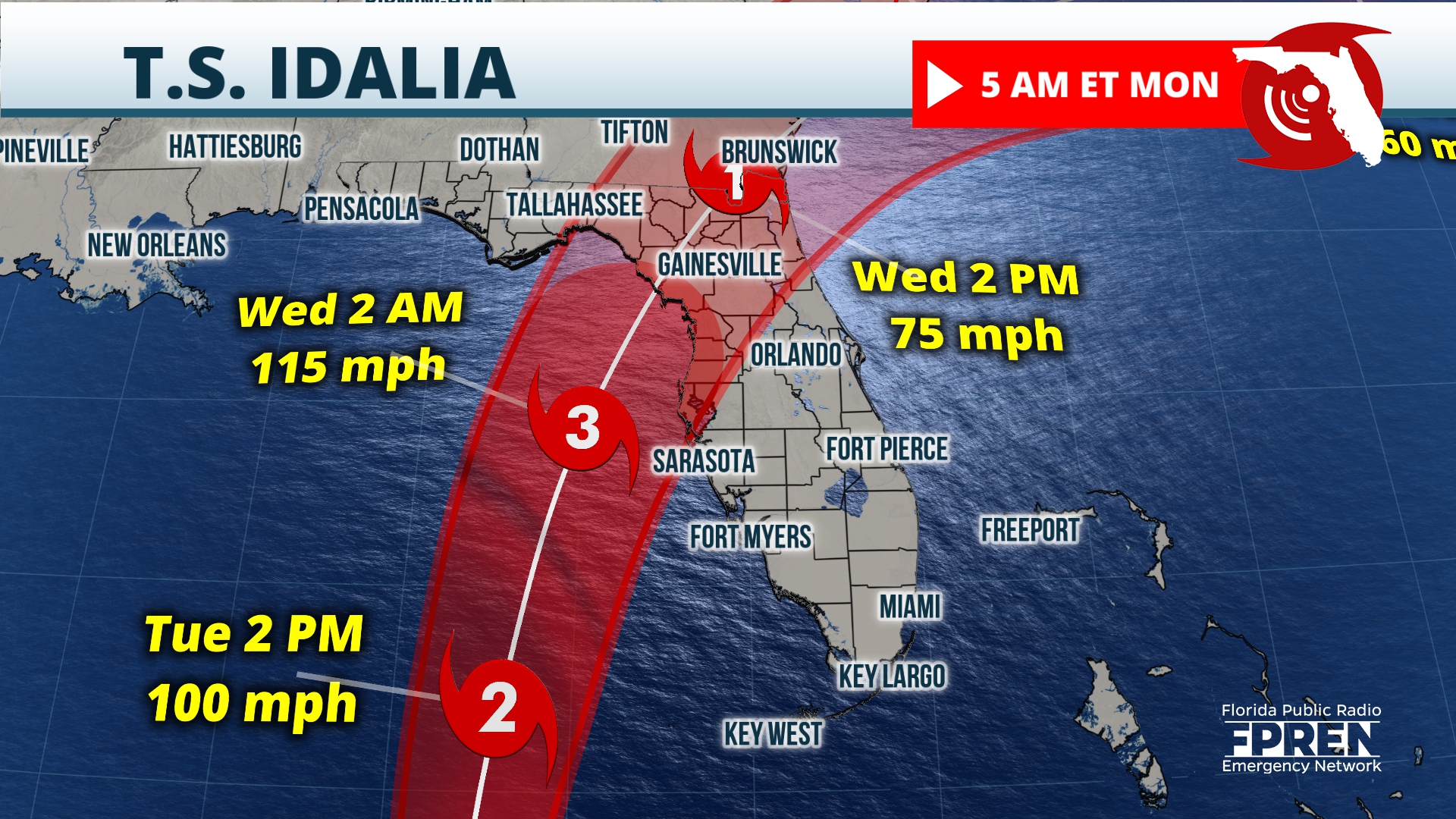
Florida is a vast state, and a hurricane hitting one region rarely affects the entire territory. For instance, a storm making landfall in the Panhandle near Tallahassee may have no impact on the sunny beaches of Miami or the theme parks of Orlando. Travelers often make the mistake of canceling trips to Jacksonville because of weather news in Naples, but the distance between these cities is hundreds of miles.
Tourism Infrastructure and Preparedness
The tourism sector in Florida is built to withstand high-velocity winds and heavy rain. Major attractions like Walt Disney World Resort and Universal Studios Florida have sophisticated emergency protocols and on-site power generation. Hotels across the state, from the luxury towers in Fort Lauderdale to the historic inns of Key West, are constructed according to strict building codes designed to ensure guest safety.
Local Culture and Resilience: How Florida Communities Bounce Back
One of the most fascinating aspects of visiting the state is experiencing the local culture of resilience. Floridians have developed a unique “storm culture” that prioritizes community, preparedness, and a quick return to normalcy.
The “Hurricane Party” Phenomenon
In local culture, small tropical storms that don’t require evacuation often lead to “hurricane parties.” Neighbors gather to share supplies, food, and stories. While this might seem lighthearted, it underscores a deeper social bond. For a tourist, seeing how locals in Tampa or St. Petersburg remain calm and organized during weather alerts can be a reassuring experience. It highlights the fact that while nature is powerful, the people are prepared.
The Role of Local Food and Comfort
During and after a storm, food becomes a central part of the community experience. You might find local eateries in Little Havana or Sarasota reopening their doors quickly to serve “comfort food” to neighbors and travelers alike. If a storm has recently passed, visiting these local spots is an excellent way to support the economy and connect with the community. Trying a Cuban sandwich in Miami or fresh seafood in Marco Island after a rainy day is a testament to the state’s enduring spirit.
Planning Your Trip: Essential Tips for Visiting the Sunshine State
If you are planning to visit during the peak of hurricane season, which is typically August through October, a few strategic tips can make your journey stress-free.

Travel Insurance and Flexible Booking
The most important tip for any traveler is to invest in comprehensive travel insurance. Ensure the policy specifically covers “weather-related cancellations.” Many airlines and car rental agencies in Orlando and Miami offer flexible rebooking options during active storm warnings. Always read the fine print to see if your destination, such as Sanibel Island, is covered under the policy’s “unforeseen events” clause.
Monitoring Weather Apps
Knowledge is power. Download reliable weather apps and follow local news stations from Jacksonville or Tallahassee. The National Hurricane Center provides the most accurate “spaghetti models” which show potential storm paths. By keeping an eye on these developments, you can make informed decisions about whether to move your coastal excursion in South Beach to an inland location.
Knowing Your Evacuation Zones
Every coastal city, from Key West to St. Augustine, has clearly marked evacuation zones. If you are staying at a beachside resort, familiarize yourself with the hotel’s emergency exit routes and the city’s evacuation plan. Local authorities are highly efficient at communicating these needs to tourists, ensuring that safety is always the top priority.
Activities and Food: Adjusting Your Itinerary During Weather Shifts
When the question is “Did hurricane hit Florida?” and the answer is a period of heavy rain or a nearby storm, it doesn’t mean your vacation is over. It simply means it is time to pivot to indoor activities and unique cultural experiences.
Indoor Attractions and Museums
Florida offers world-class indoor attractions that are perfect for rainy days. In Miami, you can spend hours exploring the Vizcaya Museum and Gardens (though the gardens are outdoors, the main house is a marvel) or the Phillip and Patricia Frost Museum of Science. Over in St. Petersburg, the Salvador Dali Museum offers a surreal escape from the clouds. In Orlando, the Kennedy Space Center visitor complex (just a short drive away) provides an incredible indoor education on space exploration.
Exploring the Culinary Scene
Rainy weather is the perfect excuse to dive deep into the local food scene. Rather than a beach picnic, consider a long, multi-course dinner in Tampa or a food tour through the historic streets of St. Augustine. Indoor markets, such as the ones found in West Palm Beach, allow you to sample local honey, citrus, and artisanal crafts without getting wet.
Nature After the Rain
If you are visiting Everglades National Park or Biscayne National Park, you will find that the flora and fauna often become more active after a storm. The air is cooler, and the landscape is a vibrant, lush green. As long as the park rangers have cleared the trails for safety, post-rain hikes can be some of the most beautiful experiences in the state.
Post-Storm Travel: Supporting Local Economies and Recovering Landscapes
Sometimes, a hurricane does hit a specific part of the state. In the aftermath, one of the best things a tourist can do is return to those areas once they have been declared safe for visitors.
The Power of the Tourist Dollar
Tourism is the lifeblood of Florida. When a town like Naples or Fort Myers Beach experiences storm damage, the local businesses—the mom-and-pop shops, the local cafes, and the boutique hotels—rely on travelers to return. By visiting a few weeks or months after a storm, you are directly contributing to the rebuilding of that community.
Witnessing Natural Regeneration
Nature in the United States is incredibly adaptive. If you visit Dry Tortugas National Park or the beaches of Sarasota following a storm, you can see how the coastal ecosystems reset themselves. It is a unique educational opportunity to see the movement of sand, the resilience of mangroves, and the return of local bird populations.
A Professional Outlook on Travel Safety
In conclusion, while the question “Did hurricane hit Florida?” is a valid concern for any traveler, it should not be a deterrent. With proper planning, a flexible mindset, and a focus on the rich local culture and indoor attractions, a trip to the Sunshine State can be a highlight of your year, regardless of the month. The state’s commitment to safety, combined with the warmth of its people and the diversity of its activities in cities like Orlando and Miami, ensures that the spirit of tourism remains bright, even when the clouds roll in. By following local tips and respecting the power of nature, you can experience the best of Florida while staying safe and supporting the vibrant communities that make this destination so special.
LifeOutOfTheBox is a participant in the Amazon Services LLC Associates Program, an affiliate advertising program designed to provide a means for sites to earn advertising fees by advertising and linking to Amazon.com. Amazon, the Amazon logo, AmazonSupply, and the AmazonSupply logo are trademarks of Amazon.com, Inc. or its affiliates. As an Amazon Associate we earn affiliate commissions from qualifying purchases.