
The very idea of snow falling in Florida, the beloved “Sunshine State” renowned for its warm beaches, lush palm trees, and year-round tropical ambiance, often elicits a chuckle or a look of disbelief. It’s a place synonymous with escaping winter, a haven for sun-seekers, theme park enthusiasts, and those dreaming of endless summer. Yet, beneath this well-deserved reputation for warmth, lies a fascinating, albeit rare, meteorological phenomenon: snow. The question “Did it snow in Florida?” isn’t met with an outright “never,” but rather a resounding “sometimes, and it’s a big deal when it does!”
For travelers planning their perfect Florida escape, understanding the state’s diverse climate, even its most unusual extremes, adds another layer to their journey. From securing the ideal accommodation to exploring unique destinations, knowing about Florida’s frosty flirtations can be an intriguing part of its local culture and history. This article delves into the rare occurrences of snow in the Sunshine State, exploring where and when it has happened, the reactions it sparks, and how it playfully interrupts the typical Florida lifestyle and tourism narrative.

A Glimpse into Florida’s Icy Past: Historical Snowfalls
Despite its subtropical and tropical climate, Florida has indeed witnessed snow, albeit fleetingly and predominantly in its northern regions. These events are so infrequent and localized that they become legendary tales, passed down through generations and cherished as unique moments in the state’s otherwise sun-drenched narrative. Understanding these historical instances helps demystify the popular misconception that snow is an absolute impossibility in this vibrant corner of the United States.
Documented Occurrences and Their Impact
The history books hold several accounts of snow gracing Florida’s landscape, with records stretching back to the early 19th century. One of the earliest documented snowfalls occurred in January 1800, reportedly blanketing much of the northern part of the state. However, it’s the more recent and well-documented events that truly capture the public imagination and offer a clearer picture of what “snow in Florida” truly entails.
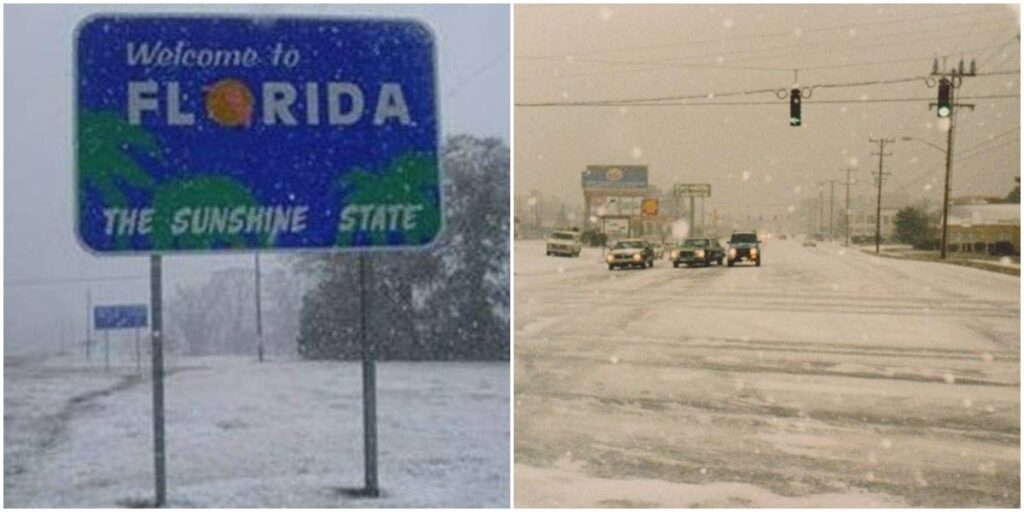
The most famous and widespread snowfall in modern Florida history took place on January 19, 1977. This was an extraordinary event, as snow flurries were reported as far south as Miami and Homestead, marking the only time in recorded history that snow reached the southern tip of the peninsula. While it was mostly a light dusting that didn’t accumulate, the sight of white flakes descending on palm trees and sandy beaches was an unprecedented spectacle. Residents, particularly children who had never seen snow, flocked outdoors in sheer amazement and excitement. News crews captured the surreal scenes, broadcasting images of snowy beaches and bewildered tourists, solidifying the event’s place in Florida lore. Cities like Jacksonville, Orlando, and Tampa also experienced measurable snowfall during this historic cold snap, with accumulations ranging from a dusting to a couple of inches in some areas. The novelty quickly turned into minor disruptions for infrastructure unaccustomed to freezing temperatures, but the lasting memory was one of wonder.

Other notable instances include the “Storm of the Century” in March 1993, which brought significant snowfall to North Florida, particularly around the Panhandle region. In the winter of 2010, Tallahassee and parts of the Panhandle saw a rare coating of snow and ice. More recently, in January 2018, another cold front brought snow and ice to cities like Tallahassee and Pensacola, resulting in temporary school closures and travel advisories – a truly rare sight for a state known for its warmth.
These events typically occur when a powerful cold front, originating from the Arctic, plunges unusually far south, combining with sufficient moisture over the relatively warmer waters of the Gulf of Mexico or Atlantic Ocean. The specific atmospheric conditions required for snow to reach Florida are precise and fleeting, which is why these occurrences remain so rare and memorable.
Where Does Snow Fall in Florida?
Geographically, the chances of seeing snow in Florida are overwhelmingly concentrated in the northernmost parts of the state. The further south one travels, the less likely it becomes.
-
North Florida and the Panhandle: This region, bordering Georgia and Alabama, experiences the coldest temperatures in the state and is the primary recipient of any snow. Cities like Tallahassee, Pensacola, and Jacksonville have seen measurable, albeit usually light, snowfalls more frequently than other areas. Here, residents are marginally more prepared for chilly weather, though significant snow accumulation remains a novelty. Historic landmarks in St. Augustine, like the Castillo de San Marcos, have occasionally been dusted in white, creating an incredibly picturesque and incongruous scene.
-
Central Florida: Regions around Orlando and Tampa are on the cusp. While they have experienced snow flurries, particularly during the 1977 event, accumulating snow is extremely rare. Even a light dusting is enough to make national news and become a cherished local memory. Theme parks like Walt Disney World Resort and Universal Orlando Resort have sometimes reported flurries, delighting visitors with an unexpected touch of winter magic amidst their tropical vacations.
-
South Florida: Below a line roughly south of Lake Okeechobee, including cities like Miami, Fort Lauderdale, and Key West, snow is virtually non-existent. The only exception was the fleeting flurries during the unprecedented 1977 cold front. These areas maintain a truly tropical climate, with winter temperatures rarely dipping below warm and pleasant, making any mention of snow seem almost absurd.
The Novelty Factor: How Snow Affects Florida Travel and Tourism
When snow makes an appearance in Florida, it transforms from a meteorological event into a cultural phenomenon, deeply impacting local lifestyle and becoming an unexpected talking point for the state’s robust tourism industry. For a state that built its brand on sunshine, a brief dusting of snow is a captivating anomaly.
A Unique Tourist Experience
Imagine arriving at a Florida resort, expecting to lounge by a sparkling pool under swaying palms, only to wake up to a thin layer of white outside your window. For tourists, particularly those from colder climates, this could be anything from a delightful surprise to a quirky story to share back home. It’s an experience that very few travelers to Florida ever get to have.
This rarity often translates into unique photo opportunities. Iconic Florida imagery—like the Kennedy Space Center Visitor Complex structures, the historic architecture of St. Augustine, or even the famous beach piers—takes on a completely different, almost ethereal quality when dusted with snow. Theme parks, too, see their vibrant facades softened by a thin layer of white, offering a peculiar “winter wonderland” contrast to their usual tropical theming. While never enough for skiing or snowman building (except perhaps tiny ones), the sheer novelty creates a buzz. This fleeting moment becomes an unexpected bonus for those on a family trip or a romantic getaway, adding an unpredictable element to their Florida experiences.
For many, Florida is a destination for theme park adventures. Imagine seeing the castles of Magic Kingdom Park or the futuristic spheres of Epcot at Walt Disney World Resort, or the Wizarding World of Harry Potter at Universal Studios Florida and Islands of Adventure within Universal Orlando Resort, lightly covered in snow. Such moments are extremely rare, but when they happen, they become instant viral sensations, further showcasing Florida’s unpredictable charm. Other major attractions like Busch Gardens Tampa Bay, SeaWorld Orlando, and LEGOLAND Florida Resort would similarly offer an unforgettable backdrop for a snow event.
Operational Adjustments and Local Lifestyle
For Florida residents and local businesses, a snowfall, however light, sparks a mix of excitement and minor logistical challenges. Unlike northern states, Florida infrastructure is not designed for freezing temperatures or icy conditions. Roads can become slick, and pipes are susceptible to bursting if temperatures drop significantly. Schools in affected areas often close, not due to heavy snow, but because of the danger of ice on roads and the lack of experience with winter driving.
Locally, the reaction is primarily one of sheer delight. Children, many of whom have never seen snow, rush outside to experience the cold flakes. Adults capture countless photos, share stories on social media, and revel in the sheer oddity of the situation. It becomes a shared communal experience, a rare break from the norm.
For the hospitality industry, hotels and resorts typically pivot to ensure guest comfort. While there aren’t “snow day” packages, establishments like the Hyatt Regency Grand Cypress or The Don CeSar might emphasize their indoor amenities, heated pools (if functional), and warm beverage offerings. In areas like St. Augustine, historic inns might lean into the cozy, albeit temporary, winter ambiance. The focus quickly shifts to ensuring guests are warm, safe, and can enjoy the unexpected sight from indoors. The event might even become a unique selling point for repeat guests, “Remember when it snowed during our stay at Ponte Vedra Inn & Club?”
Planning Your Florida Trip: Beyond the Snow Forecast
While the allure of potentially seeing snow in Florida is certainly intriguing, it’s crucial for travelers to approach their trip planning with realistic expectations. Snow remains an extraordinary rarity. What is more common, however, are significant cold fronts during the winter months that can bring surprisingly chilly weather, especially to North and Central Florida.
Preparing for Florida’s Winter Weather Variability
When planning your Florida travel between November and March, it’s wise to acknowledge that “winter” in Florida isn’t always synonymous with scorching heat. While South Florida often maintains pleasant, warm temperatures, areas further north can experience significant temperature drops, especially overnight.
- Packing Smart: The key is to pack in layers. Even if daytime temperatures are a comfortable 70°F (21°C), evenings can cool down considerably, especially after a cold front. Include light jackets, sweaters, and even a warm hat if you plan to be outdoors during sunrise or sunset, particularly for activities like airboat tours in Everglades National Park or exploring the coastal ecosystems of Biscayne National Park. For North Florida, consider packing a medium-weight coat.
- Checking Forecasts: Always monitor the local weather forecast a few days before and during your trip. This is especially important if your travel itinerary involves outdoor attractions or water-based activities like visiting Discovery Cove or Volcano Bay.
- Flexibility: While highly unlikely, if an extreme cold snap is predicted, having some flexibility in your plans, especially for outdoor excursions, can be beneficial. Most major Florida hotels and resorts are well-equipped to handle cooler weather with heated pools and indoor entertainment options.
Maximizing Your Florida Accommodation and Travel Experience
Regardless of the infinitesimal chance of snow, Florida remains a top-tier travel destination offering a spectrum of experiences for every lifestyle and budget. From luxury travel to budget-friendly trips, the state caters to all.
- Diverse Accommodations: Florida boasts an incredible array of accommodation options. You can find lavish suites at five-star establishments like the Ritz-Carlton, Naples or the Four Seasons Resort Orlando, charming boutique hotels, expansive vacation villas and apartments perfect for long-term stays, and budget-conscious choices across all major cities. Utilize booking platforms and review sites for comparison to find the perfect fit for your needs and enjoy amenities that enhance your stay.
- Winter Activities: Even without snow, Florida’s winter months are prime time for many activities. The cooler, drier weather is ideal for exploring state parks, playing golf, enjoying outdoor dining, attending numerous festivals, and wildlife viewing (manatees are easier to spot in warmer waters of springs and rivers). Southern Florida, including Miami Beach, South Beach, and the Florida Keys (especially Key West), remains consistently warm, offering pristine beaches and water sports without the intense summer heat and humidity.
- Theme Park Comfort: For those visiting Orlando’s world-famous theme parks, winter often means more comfortable temperatures for navigating the parks and shorter lines, making for a more enjoyable experience for family trips and business stays alike. The holiday seasons bring festive decorations and special events that add to the magic, often accompanied by pleasant, cool weather rather than extreme cold.
In conclusion, while the prospect of snow in Florida remains a delightful anomaly, it adds a unique chapter to the state’s diverse meteorological story. For the vast majority of visitors, their Florida experience will be filled with the warmth and sunshine the state is famous for. However, knowing that Florida occasionally dons a fleeting white cloak only enhances its mystique and charm, reminding us that even the most predictable destinations can hold an unexpected surprise. So pack your swimsuit, but maybe throw in a light jacket – just in case you become one of the lucky few to witness Florida’s rare, magical flirtation with snow.
LifeOutOfTheBox is a participant in the Amazon Services LLC Associates Program, an affiliate advertising program designed to provide a means for sites to earn advertising fees by advertising and linking to Amazon.com. Amazon, the Amazon logo, AmazonSupply, and the AmazonSupply logo are trademarks of Amazon.com, Inc. or its affiliates. As an Amazon Associate we earn affiliate commissions from qualifying purchases.