
The ethereal beauty of a New York City blanketed in snow is a vision that captivates both locals and tourists alike. While the city is renowned for its bustling energy and iconic skyline year-round, the prospect of a winter wonderland transforms its familiar streets into something magical. Understanding the likelihood and experience of snowfall in New York City is crucial for anyone planning a visit during the colder months, or even for residents anticipating the seasonal spectacle. This exploration delves into the meteorological patterns, historical occurrences, and the unique charm that snow brings to the urban landscape, offering insights for potential travelers and seasoned visitors.

Understanding Winter Weather in New York City
New York City’s climate is characterized by four distinct seasons, with winter often bringing a dramatic shift in temperature and precipitation. Snowfall is not a guaranteed annual event, but it is a significant possibility, especially between December and March. The city’s geographical location in the northeastern United States positions it within a zone where cold air masses from the north can interact with moisture-laden systems from the south, creating conditions ripe for snow.
Average Snowfall and Timing
On average, New York City receives around 25 to 30 inches of snow annually. However, this figure can fluctuate considerably from year to year. Some winters are marked by a flurry of snowstorms, while others might see only a light dusting or no significant accumulation at all. The timing of snow is also variable. While the official start of winter is in December, the first substantial snowfall often occurs in January or February. Occasionally, late-season snow can even surprise residents in March.
Factors Influencing Snowfall
Several meteorological factors contribute to whether New York City experiences snow:
- Temperature: The most critical factor. For snow to fall and accumulate, temperatures must be at or below freezing (32°F or 0°C) in the lower atmosphere and at the surface. If temperatures are too warm, precipitation will fall as rain or a wintry mix.
- Moisture: A source of atmospheric moisture is essential for any precipitation. This often comes from storm systems developing over the Atlantic Ocean or moving eastward from the Midwest.
- Storm Track: The path of a storm system is paramount. Storms that track too far south often bring rain to the city, while those that move too far north might result in a miss. The “sweet spot” for significant snowfall typically involves a storm that tracks up the East Coast in a way that allows cold air to be in place.
- Nor’easters: These powerful, classic winter storms are a major source of snow for New York City. Named for the direction from which their winds blow, Nor’easters can bring heavy snow, strong winds, and coastal flooding, transforming the city into a winter wonderland, or sometimes, a logistical challenge.
Iconic Snowfall Experiences in New York City
When snow does grace New York City, it transforms familiar landmarks and neighborhoods into scenes of breathtaking beauty. The juxtaposition of pristine white against the urban tapestry creates a unique atmosphere that draws people outdoors, eager to capture the magic.
Landmarks Under a Blanket of White
Imagine the majestic Empire State Building peeking through swirling snowflakes, or the iconic Times Square lights reflecting off a fresh layer of snow. Parks like Central Park become serene havens, with snow-covered trees and silent pathways offering a peaceful escape from the city’s usual hustle. The Brooklyn Bridge takes on a dramatic, almost ghostly appearance, with its intricate architecture softened by the falling snow. Even the concrete jungle of Manhattan gains a certain charm, with snow muffling the usual cacophony and creating a more intimate urban experience.
Activities and Atmosphere
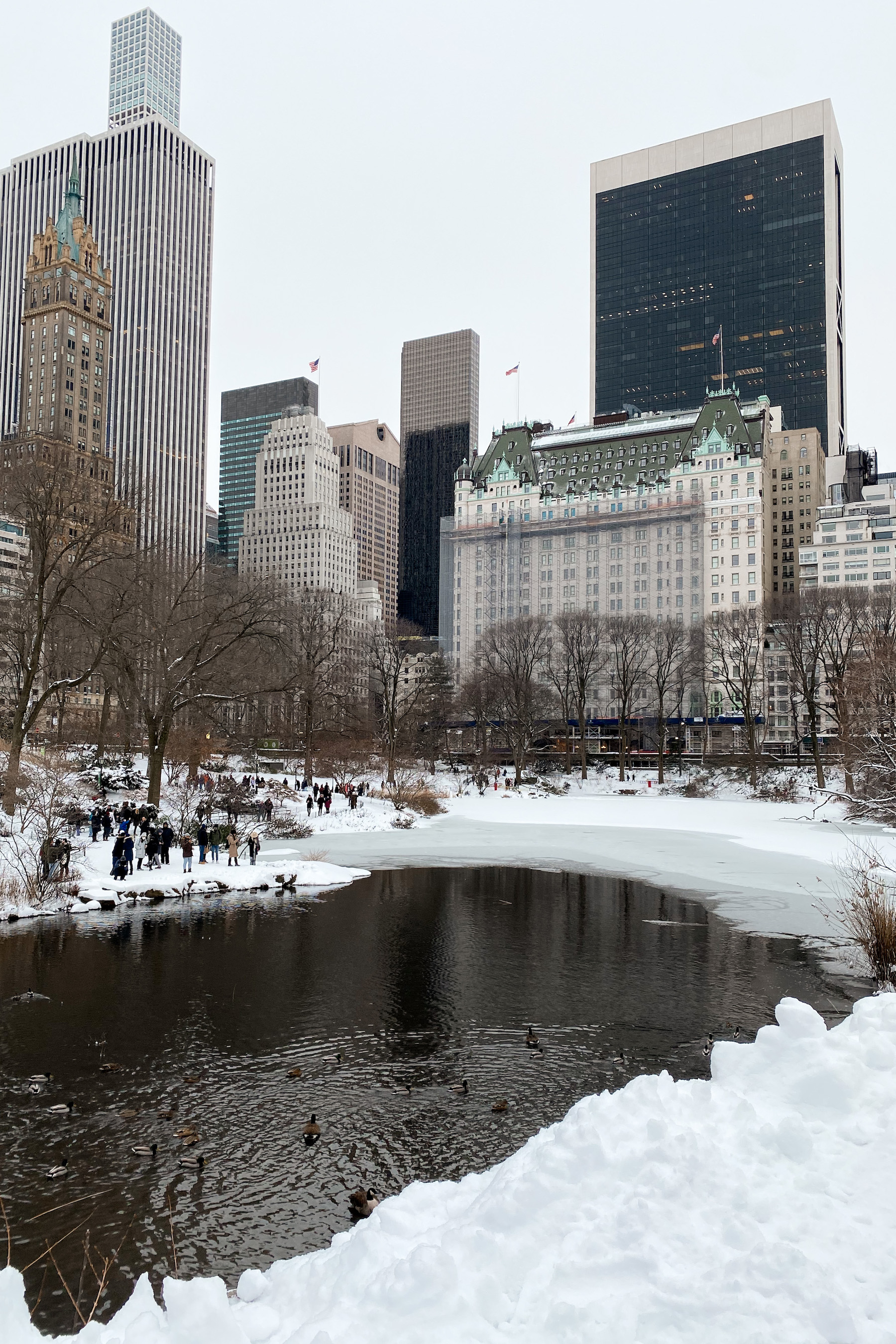
A snowy day in New York City invites a different pace. While some activities might be curtailed due to weather, many become even more enjoyable.
- Winter Strolls: Bundled up and walking through neighborhoods like Greenwich Village or along the High Line offers a completely new perspective. The sound of crunching snow underfoot replaces the usual urban din.
- Cozy Cafes and Restaurants: After a spell outdoors, seeking refuge in a warm cafe or restaurant becomes a delightful ritual. The aroma of coffee or hot chocolate, combined with the warmth of a cozy interior, is particularly inviting on a snowy day. Many establishments offer special winter menus or seasonal treats.
- Museums and Indoor Attractions: For those seeking warmth, New York City’s world-class museums, such as the Metropolitan Museum of Art or the American Museum of Natural History, provide a perfect indoor escape. Seeing these cultural institutions from a snow-dusted window adds another layer to the experience.
- Ice Skating: Rinks like the one at Rockefeller Center or the Wollman Rink in Central Park offer classic winter fun, made even more picturesque with a backdrop of falling snow.
Planning Your Winter Visit to New York City
For travelers, understanding the nuances of winter weather in New York City is key to a successful and enjoyable trip. While snow can add a touch of magic, it can also present challenges.
When to Visit for Potential Snowfall
The prime window for experiencing snow in New York City is typically from mid-December through February. January is often the snowiest month. However, it is important to remember that snow is never guaranteed. If a magical snowy landscape is a top priority, managing expectations is important. Flexibility in travel dates can increase the chances of encountering snow, as weather patterns are unpredictable.
Packing for Winter Conditions
Appropriate attire is essential for navigating New York City in winter, especially if snow is present. Layers are crucial.
- Outerwear: A warm, waterproof, and windproof coat is a must. Consider one with a hood for protection against snow and wind.
- Footwear: Waterproof boots with good traction are vital. You’ll be doing a lot of walking, and slushy, snowy sidewalks can be treacherous.
- Accessories: A warm hat, scarf, and gloves are indispensable. Thermal or wool socks will keep your feet warm.
- Other Essentials: Consider bringing lip balm to protect against dry, cold air and a portable phone charger, as cold temperatures can drain batteries faster.
Transportation Considerations
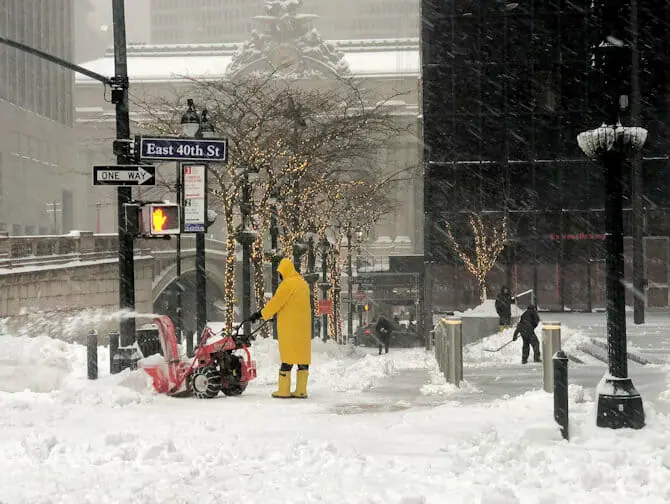
Snowfall can impact transportation in New York City.
- Public Transportation: The New York City subway system is generally reliable, even during snowstorms, as it operates underground. Buses and above-ground trains might experience delays.
- Taxis and Ride-Sharing: While available, these services can be harder to find during heavy snow, and travel times will likely increase due to slower road conditions.
- Walking: Many New Yorkers embrace walking, even in the snow, but be prepared for potentially slippery conditions and ensure you have appropriate footwear.
- Flight Delays: If you are flying into or out of New York City’s major airports like JFK or LaGuardia, be aware that snowstorms can lead to flight delays or cancellations. It is always advisable to check your flight status before heading to the airport.
Embracing the Snowfall
Ultimately, whether it snows in New York City during your visit is a matter of chance. However, the possibility itself adds a layer of anticipation to any winter trip. The city, in its resilient and ever-changing way, offers a unique experience regardless of the weather. But if those white flakes begin to fall, transforming the bustling metropolis into a hushed, glistening spectacle, you’re in for a truly unforgettable urban adventure. The true charm lies in being prepared for all possibilities and embracing whatever winter weather the city has to offer.
LifeOutOfTheBox is a participant in the Amazon Services LLC Associates Program, an affiliate advertising program designed to provide a means for sites to earn advertising fees by advertising and linking to Amazon.com. Amazon, the Amazon logo, AmazonSupply, and the AmazonSupply logo are trademarks of Amazon.com, Inc. or its affiliates. As an Amazon Associate we earn affiliate commissions from qualifying purchases.