
The question of whether the Oklahoma University played football today often ignites a flurry of interest, particularly for fans of the Oklahoma Sooners and the vibrant sports culture of Oklahoma. While this inquiry might seem straightforward, its roots delve into the intricate scheduling of collegiate athletics, the anticipation surrounding game days, and the broader context of Norman, the proud home of the university. Understanding the answer requires an appreciation for the NCAA season, the university’s athletic department, and the traditions that make Oklahoma Sooners football a cornerstone of the state’s identity.
The College Football Season: A Carefully Orchestrated Spectacle
College football, particularly at the NCAA Division I Football Bowl Subdivision (FBS) level, operates on a distinct calendar. The regular season typically commences in late August or early September and concludes in early December. Within this timeframe, teams play a predetermined number of games, usually around 12, against conference rivals and non-conference opponents. The scheduling is a complex process, negotiated months, even years, in advance by athletic directors, conference offices, and television networks. Factors such as historical rivalries, geographic proximity, and broadcast demands all play a significant role in dictating when and against whom a team will compete.

Game Day Rituals and Fan Anticipation
For fans, game days are more than just athletic contests; they are cultural events. In Norman, the atmosphere surrounding an Oklahoma Sooners home game is palpable. Tailgating, a cherished tradition, begins hours before kickoff, with fans gathering in parking lots and on the university’s expansive grounds to celebrate their team. The iconic Gaylord Family – Oklahoma Memorial Stadium, often referred to as “The Palace on the Prairie,” buzzes with energy as it fills with over 80,000 passionate supporters. The pre-game rituals, including the playing of the university’s fight song, “Boomer Sooner,” and the thunderous roar of the crowd, are integral to the experience.
Off-Season and Pre-Season Considerations
When the question “Did Oklahoma University play football today?” is posed outside the typical fall season, the answer is invariably no, with rare exceptions. The period between the end of one season and the beginning of the next is characterized by several key phases:
- Off-Season: This period, roughly from January through March, involves player rehabilitation, strength and conditioning programs, and early team meetings. While no games are played, the foundation for the upcoming season is being laid.
- Spring Football: Typically held in April, spring football provides an opportunity for coaches to evaluate new recruits and returning players in a controlled, non-competitive environment. Scrimmages during this time are internal affairs and do not constitute official games.
- Summer Training: From June through August, players engage in intensive training and preparation for fall camp. This is a crucial time for physical development and strategic planning.
- Fall Camp: Beginning in early August, fall camp is the final phase of preparation before the regular season kicks off. Teams practice extensively, and the intensity ramps up as coaches finalize the roster and game plan.
Navigating the Oklahoma Sooners Schedule
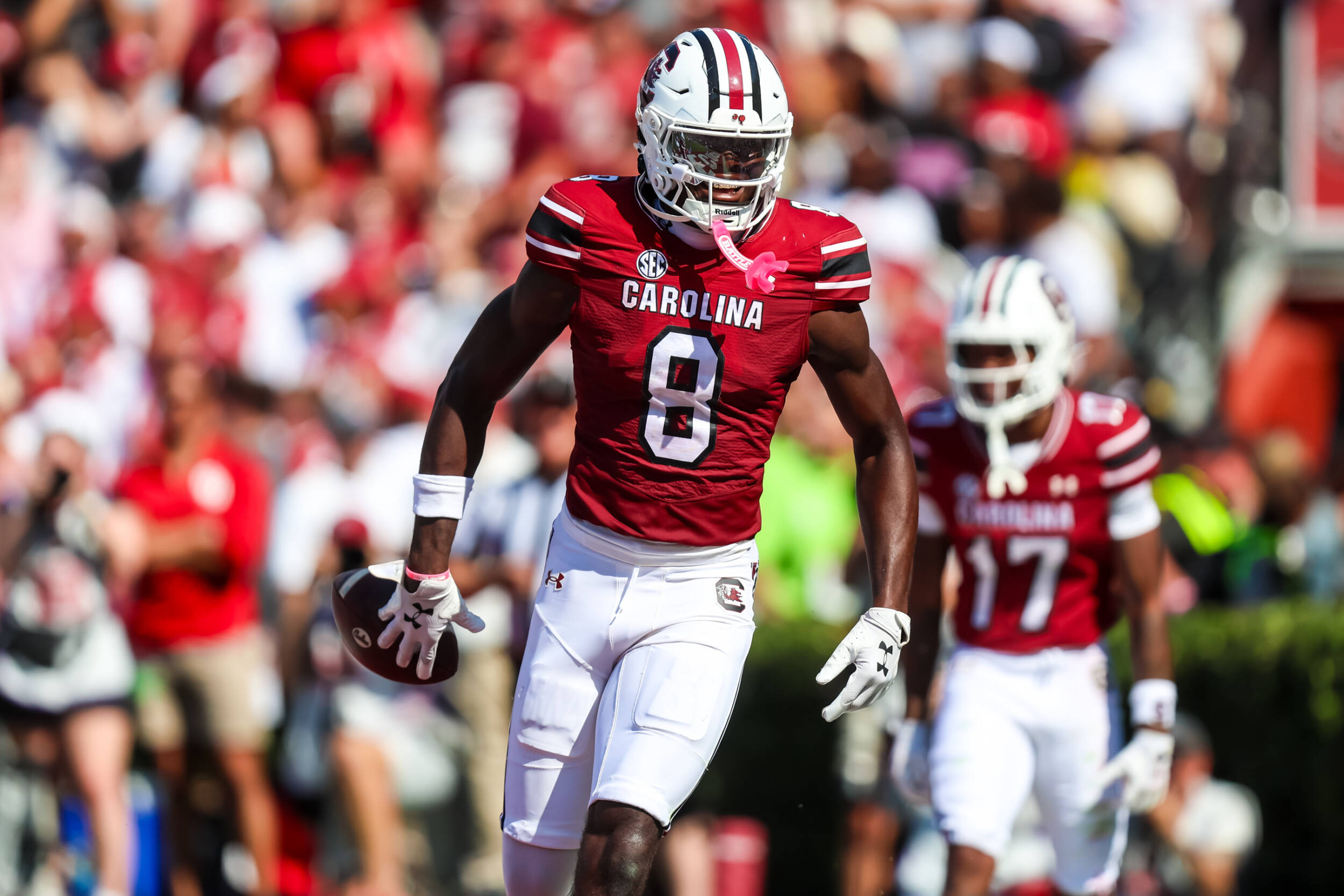
To definitively answer whether the Oklahoma University played football today, one must consult the official Oklahoma Sooners football schedule. This schedule is meticulously maintained by the university’s athletic department and is readily available on their official website, as well as on major sports news outlets. These schedules typically detail game dates, times, opponents, and broadcast information, providing a comprehensive overview of the team’s competitive calendar.
Key Information Sources for Game Schedules
- Official University Athletics Website: The primary and most reliable source for Oklahoma Sooners football schedules is the official website of Oklahoma Athletics. This site provides up-to-date information on all sports, including detailed game information, ticket availability, and team news.
- Sports News and Aggregators: Reputable sports media outlets such as ESPN, CBS Sports, and Yahoo Sports also provide comprehensive college football schedules. These platforms often include live score updates, game recaps, and analysis, making them valuable resources for fans.
- Team Social Media Accounts: Many collegiate athletic departments, including Oklahoma, utilize social media platforms like Twitter and Facebook to announce game times, schedule changes, and other pertinent information in real-time.
Understanding Conference Play and Non-Conference Games
The Oklahoma Sooners compete in the Big 12 Conference, a prominent collegiate athletic conference. Their schedule is a blend of conference matchups, which often carry significant weight for championship aspirations, and non-conference games against teams from other conferences. The timing and nature of these games are crucial to understanding the weekly rhythm of the season. For instance, a Saturday in October is far more likely to feature an Oklahoma Sooners game than a Saturday in February.
The Broader Impact: Football and Oklahoma
The presence of a successful college football program like the Oklahoma Sooners extends its influence far beyond the gridiron. It becomes a unifying force for the state, generating a shared sense of pride and community. Game days transform Norman into a hub of activity, drawing visitors from across the region and beyond. This influx of fans supports local businesses, from hotels and restaurants to shops and entertainment venues, contributing significantly to the local economy.
Tourism and Hospitality Driven by Football
The allure of Oklahoma Sooners football is a significant driver of tourism in Oklahoma. Visitors attending games often extend their stay, exploring the cultural attractions and natural beauty the state has to offer. This creates opportunities for hotels, resorts, and other hospitality businesses to thrive. The demand for accommodation surges around home game weekends, with many establishments booking up months in advance. This economic impact highlights the intertwined relationship between collegiate athletics and the tourism industry.

Oklahoma University as a Cultural Landmark
More than just an educational institution, Oklahoma University and its football program are integral to the cultural landscape of Oklahoma. The traditions, the passionate fanbase, and the historical success of the Sooners have cemented their place as a cultural touchstone. The question of whether they played football today is a simple query that unlocks a deeper understanding of the intricate scheduling, the cultural significance, and the economic impact of collegiate sports, particularly in a state where football is more than just a game – it’s a way of life. The anticipation for each upcoming game, the thrill of victory, and even the lessons learned from defeat, all contribute to the enduring legacy of Oklahoma Sooners football.
LifeOutOfTheBox is a participant in the Amazon Services LLC Associates Program, an affiliate advertising program designed to provide a means for sites to earn advertising fees by advertising and linking to Amazon.com. Amazon, the Amazon logo, AmazonSupply, and the AmazonSupply logo are trademarks of Amazon.com, Inc. or its affiliates. As an Amazon Associate we earn affiliate commissions from qualifying purchases.