
The question of whether Puerto Rico voted for Donald Trump is more complex than a simple yes or no. As a U.S. territory, Puerto Rico does not participate in United States presidential elections in the same way as the fifty states. Residents of Puerto Rico are U.S. citizens, but they cannot vote for the President of the United States. This unique political status has a significant impact on how political sentiment is measured and understood on the island, especially in the context of national elections. When discussing presidential preferences in Puerto Rico, we often look at straw polls, non-binding primaries, and the general political leanings of the voting population.
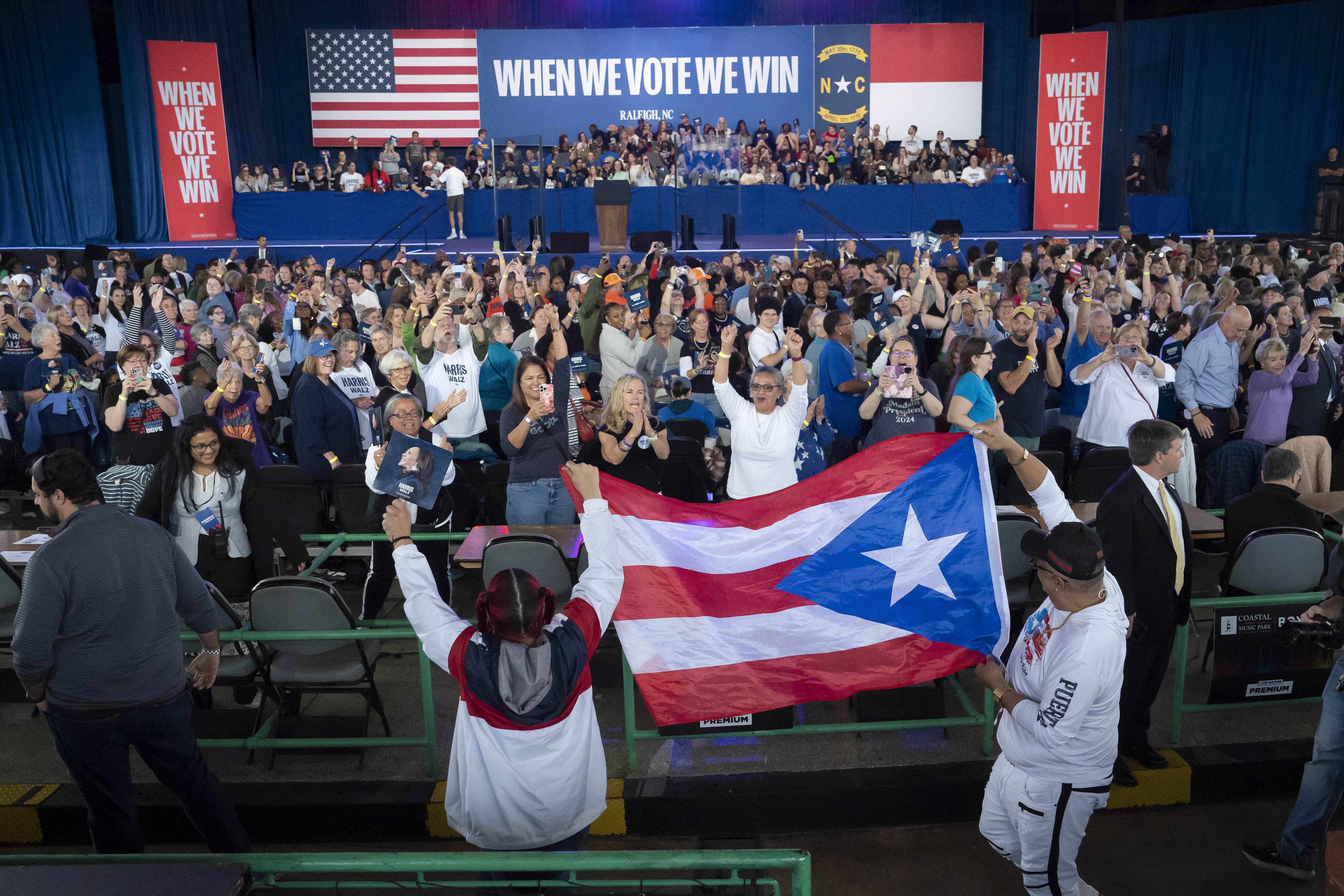
While Puerto Rico cannot directly cast electoral votes, the political landscape of the island is heavily influenced by the policies and rhetoric of U.S. presidential candidates. This is particularly true for issues concerning the island’s economy, its relationship with the mainland, and the ongoing debate about its political status – statehood, independence, or enhanced commonwealth. Understanding the political leanings of Puerto Rico requires looking beyond the presidential ballot box and delving into the island’s unique governance and the voices of its residents.
The island’s political affiliations have historically shown a diverse spectrum of opinions, with significant segments of the population aligning with both the Democratic Party and the Republican Party on the mainland, while also maintaining distinct local political parties that champion specific Puerto Rican agendas. This duality often makes it challenging to definitively state how Puerto Rico “voted” in a presidential election, as the direct electoral mechanism is absent. Instead, political observers analyze trends, local election results that may mirror national party platforms, and public opinion surveys to gauge sentiment towards national political figures and parties.
The discussion about Donald Trump‘s popularity or lack thereof in Puerto Rico is intertwined with his administration’s handling of critical issues affecting the island, most notably the aftermath of Hurricane Maria. The response to the devastating hurricane, the subsequent aid, and the ongoing recovery efforts were points of significant contention and debate, deeply impacting how many Puerto Ricans perceived his leadership. This historical context is crucial when assessing any potential electoral leanings or public opinion towards him.
Political Status and the Presidential Vote
The political status of Puerto Rico is a perpetual and often divisive issue. The island’s residents are U.S. citizens by birth, yet they lack full representation in Congress and cannot vote in U.S. presidential elections. This has led to a long-standing debate about whether Puerto Rico should become a state, gain full independence, or maintain its current status as a commonwealth. The U.S. presidential election cycle, while not directly involving Puerto Rican voters casting ballots for president, indirectly influences these discussions.
Candidates for president often make promises or take stances on Puerto Rico’s political status, which can resonate with different factions of the Puerto Rican population. For instance, a candidate advocating for statehood might garner support from those who believe it would bring economic benefits and equal rights, while a candidate perceived as supporting independence might appeal to those seeking national sovereignty.
Primaries and Straw Polls: Gauging Sentiment
While Puerto Ricans cannot vote in the general presidential election, they can participate in party primaries. Both the Democratic Party and the Republican Party hold primaries in Puerto Rico, allowing registered party members on the island to have a voice in selecting their party’s nominee for president. These primary results can offer an indication of the political leanings of affiliated voters on the island.
For example, in past election cycles, Donald Trump has participated in Republican primaries. The results in Puerto Rico’s Republican primary can offer insights into the support he commands among Republican voters on the island. Similarly, Democratic primaries provide a glimpse into the preferences of Democratic voters.
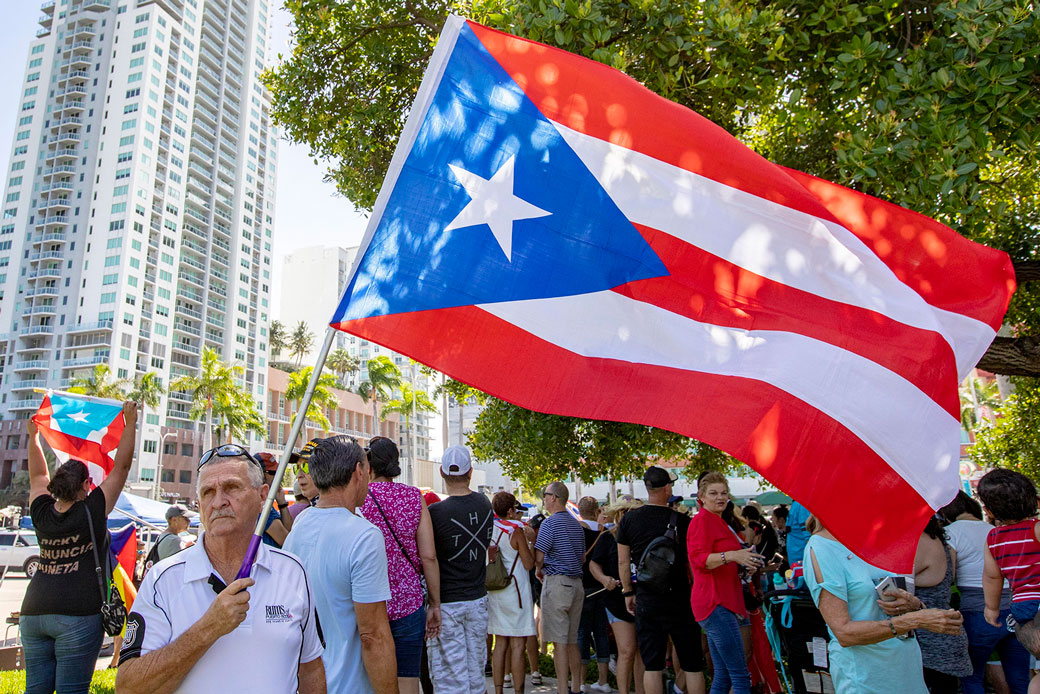
Beyond formal primaries, straw polls and local surveys are often conducted by media outlets and political organizations to gauge public opinion on potential presidential candidates. These non-binding polls, while not reflective of an official vote, can highlight trends and sentiments among the Puerto Rican electorate. They are particularly useful in understanding how the general population, not just party loyalists, might feel about national political figures and platforms. These polls often reflect the complex political tapestry of Puerto Rico, where support for national parties is often filtered through the lens of local concerns and aspirations.
The Impact of Presidential Administrations on Tourism and Lifestyle
The political climate and the actions of U.S. presidential administrations can have a tangible impact on Puerto Rico, especially concerning its vital tourism industry and the general lifestyle of its residents and visitors. When considering Donald Trump‘s presidency, the aftermath of Hurricane Maria stands out as a pivotal moment that influenced perceptions and potentially affected travel to the island.
Post-Hurricane Maria: Travel and Recovery
In the wake of Hurricane Maria in 2017, Puerto Rico faced immense devastation. The recovery process was arduous, and the U.S. federal government’s response, led by the Trump administration, was a subject of intense scrutiny. Critiques often focused on the pace and adequacy of aid and relief efforts. This period significantly impacted travel to Puerto Rico. Initially, tourism plummeted as infrastructure was destroyed and the island struggled to cope with the crisis.
However, as the island began to rebuild, tourism gradually returned. The narrative surrounding the recovery efforts and the U.S. government’s role became intertwined with the island’s image as a travel destination. For potential visitors, news reports about the recovery and the political discourse surrounding it could influence their decisions to book trips to places like San Juan, experience attractions like El Yunque National Forest, or stay in resorts like the Dorado Beach, a Ritz-Carlton Reserve.
The way the U.S. administration communicated about Puerto Rico and its recovery efforts could shape international perceptions. Positive portrayals might encourage tourism, while negative or critical narratives could deter it. This highlights how national politics can directly influence the tourism sector, impacting hotels, local businesses, and the overall visitor experience.

Economic Policies and Lifestyle Choices
Presidential policies can also influence the economic conditions in Puerto Rico, which in turn affects the lifestyle choices of residents and the types of tourism that thrive. Economic development initiatives, tax policies, and federal funding decisions all play a role. For example, policies that aim to boost investment or create jobs can positively impact the island’s economy, potentially making it a more attractive destination for various types of travelers, from luxury seekers to budget explorers.
Conversely, economic challenges can influence the affordability of travel and the overall atmosphere of the island. The debate over Puerto Rico’s economic future is often a central theme in discussions about its relationship with the U.S., and presidential platforms that address these economic issues can resonate differently with various segments of the population and potential investors. This economic backdrop is fundamental to understanding the appeal of Puerto Rico as a destination for accommodations, whether it be luxurious resorts or charming villas, and the types of activities and experiences available to tourists. The economic health of the island directly correlates with the vibrancy of its cultural offerings, its culinary scene, and the maintenance of its historical landmarks. Therefore, any discussion about how Puerto Rico might lean politically must also consider the broader economic implications for its tourism, hospitality, and lifestyle sectors.
The intricate relationship between Puerto Rico and the United States means that political developments on the mainland inevitably cast a long shadow over the island. While the question of whether Puerto Rico “voted” for Donald Trump in a direct sense remains moot due to its territorial status, understanding the island’s political leanings, the impact of presidential actions, and the ongoing debate about its future provides a comprehensive picture of its complex relationship with the U.S. presidency. This nuanced perspective is crucial for anyone interested in the island’s political identity, its economic trajectory, and its enduring appeal as a vibrant travel destination.
LifeOutOfTheBox is a participant in the Amazon Services LLC Associates Program, an affiliate advertising program designed to provide a means for sites to earn advertising fees by advertising and linking to Amazon.com. Amazon, the Amazon logo, AmazonSupply, and the AmazonSupply logo are trademarks of Amazon.com, Inc. or its affiliates. As an Amazon Associate we earn affiliate commissions from qualifying purchases.