
The question of Puerto Rico’s political status has long been a defining characteristic of its identity and a significant factor for anyone considering visiting or even residing on this beautiful Caribbean island. While the title “Did Puerto Rico Vote To Become A State?” directly addresses a specific political outcome, its implications ripple far beyond the halls of government, touching upon the very essence of what makes Puerto Rico a compelling destination for travelers, a unique cultural hub, and a place of profound historical significance. Understanding the island’s political journey, including its various status plebiscites, is crucial for appreciating its present and anticipating its future.
Navigating Puerto Rico’s Political Landscape
The relationship between Puerto Rico and the United States has been complex and evolving since the Spanish-American War in 1898, when the island was ceded to the United States by Spain. Since then, Puerto Rico has held the status of an unincorporated territory, meaning it belongs to the United States but is not an integral part of it. This unique arrangement has led to ongoing debates and referendums regarding its future.
The Plebiscites: A Snapshot of Public Opinion
Over the decades, several plebiscites have been held to gauge the will of the Puerto Rican people regarding their political status. These votes have presented options ranging from maintaining the current territorial status, to statehood, to independence, and even free association.
- 1967 Plebiscite: This early vote saw a majority favor continuing as a commonwealth, a status that grants a degree of self-governance but leaves ultimate sovereignty with the United States.
- 1993 Plebiscite: In this referendum, statehood received the most votes, though the results were not decisive enough to compel significant action. The commonwealth option also garnered substantial support, highlighting the division within the electorate.
- 1998 Plebiscite: This vote introduced a fifth option: “None of the Above.” While “Estado Libre Asociado” (Free Association) and “Estado Soberano” (Sovereign State) were also on the ballot, the “None of the Above” option proved the most popular, a reflection of deep dissatisfaction with the available choices.
- 2012 Plebiscite: This was a two-part referendum. The first part asked voters if they were satisfied with the current political status, and a majority voted “No.” The second part offered statehood, independence, or free association. Statehood emerged as the preferred option, although the results were marred by a significant boycott from the opposition parties.
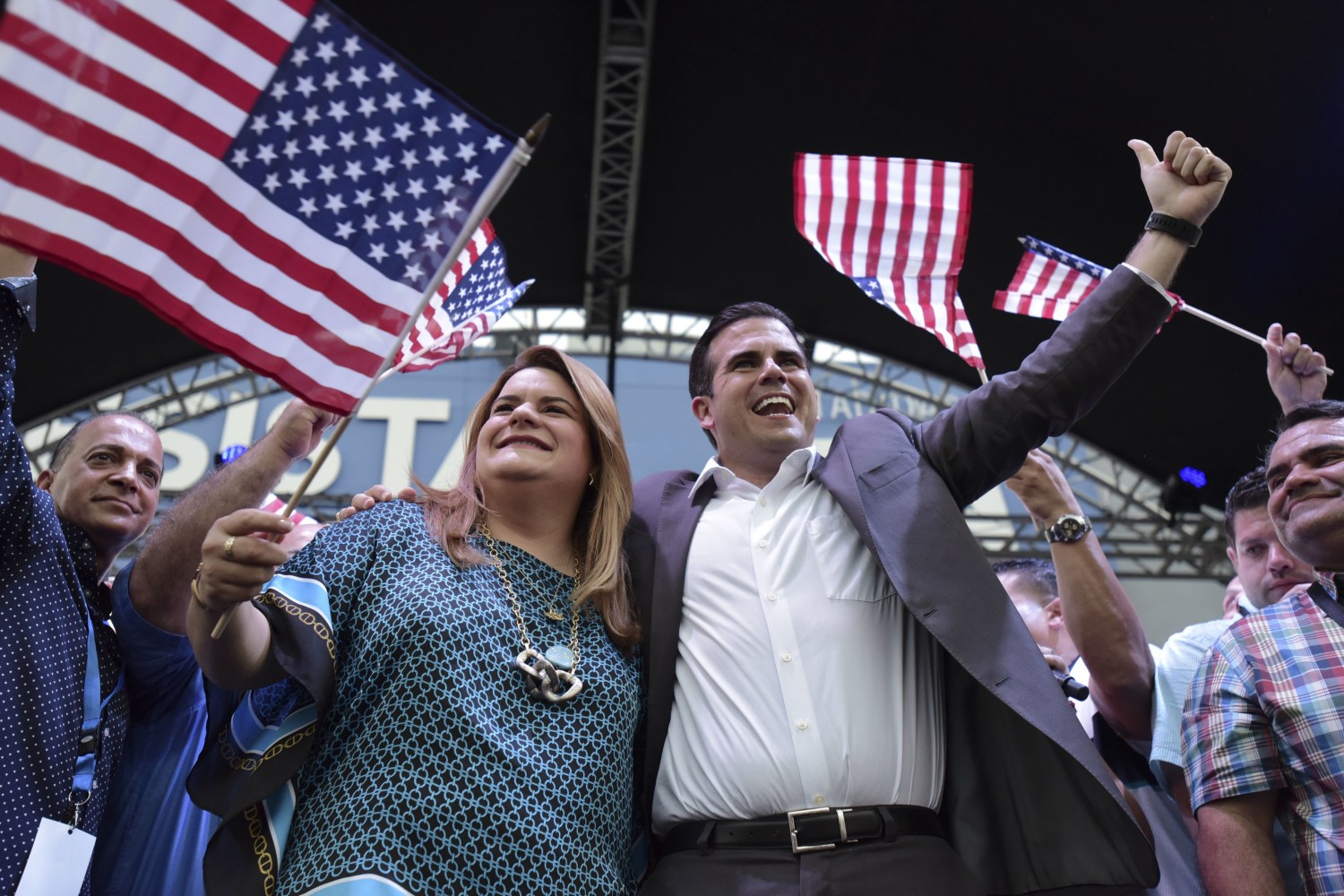
- 2017 Plebiscite: This latest plebiscite was held amidst a severe economic crisis and considerable political tension. Statehood received an overwhelming majority of the votes, with over 97% of the ballots cast in favor. However, the turnout was exceptionally low, with less than 25% of registered voters participating. The boycott by major opposition parties and widespread calls for abstention significantly undermined the legitimacy and impact of this vote.
The Ambiguity of the Results
It is crucial to understand that while the 2017 plebiscite showed a strong preference for statehood among those who voted, the low turnout means its mandate is far from clear. The United States Congress ultimately holds the authority to admit new states, and without broad consensus and clear, undisputed support from the Puerto Rican population, any significant political change remains uncertain. This ongoing political debate is an intrinsic part of the island’s narrative, influencing everything from its economic policies to its cultural expressions.
Puerto Rico: A Destination Shaped by Its History and Culture
The political status of Puerto Rico is a significant historical and cultural thread, but it does not define the entirety of the island’s appeal. For travelers, Puerto Rico offers an incredibly rich tapestry of experiences, blending vibrant local culture with breathtaking natural beauty and a fascinating history.

Immerse Yourself in San Juan’s Historic Charm
The capital city, San Juan, is a prime example of how history, culture, and tourism converge. Its colonial Old San Juan, a UNESCO World Heritage site, is a must-visit. Walking its cobblestone streets, adorned with colorful Spanish colonial architecture, feels like stepping back in time.
- El Morro and Castillo San Cristóbal: These impressive 16th-century fortresses, Castillo San Felipe del Morro and Castillo San Cristóbal, stand as testaments to Puerto Rico’s strategic importance and its complex past. Exploring their ramparts and learning about their historical significance is an essential part of any visit.
- La Fortaleza and El Paseo de la Princesa: La Fortaleza, the official residence of the Governor of Puerto Rico, is the oldest executive mansion in continuous use in the United States. The adjacent Paseo de la Princesa is a beautiful promenade offering stunning views of the bay and charming artisan shops.
- Cultural Immersion: Beyond the historical sites, Old San Juan is alive with art galleries, boutique shops, and a vibrant culinary scene. The sounds of salsa music often fill the air, inviting visitors to experience the island’s lively spirit.
Beyond the Capital: Diverse Landscapes and Experiences
Puerto Rico is more than just its capital; its diverse geography offers a wealth of attractions for every type of traveler.
- The El Yunque National Forest: As the only tropical rainforest in the U.S. Forest System, El Yunque National Forest is a biodiversity hotspot. Hiking its trails, surrounded by lush vegetation, waterfalls, and the calls of native coqui frogs, provides a refreshing escape into nature.
- Beaches of Vieques and Culebra: For those seeking pristine beaches and crystal-clear waters, a trip to the islands of Vieques and Culebra is highly recommended. Flamenco Beach on Culebra is consistently ranked among the world’s best. Vieques is also renowned for its bioluminescent bay, a truly magical natural phenomenon.
- The South Coast’s Charm: The southern coast of Puerto Rico offers a different flavor, with towns like Ponce boasting a rich artistic heritage and beautifully preserved architecture. The region also offers opportunities to explore coffee plantations and enjoy the rugged coastline.
The Economic and Social Fabric: A Visitor’s Perspective
The political status debates, while complex, do have underlying economic and social implications that can be observed by visitors. The island’s status influences its economic development, its relationship with federal aid, and its ability to attract foreign investment. For tourists, this translates into a dynamic environment where local entrepreneurship thrives, and a strong sense of community is palpable.

A Blend of Influences
Puerto Rico’s culture is a captivating blend of Indigenous Taíno heritage, Spanish colonial traditions, and significant African influences. This fusion is evident in its music, dance, cuisine, and language.
- Culinary Delights: Puerto Rican cuisine is a vibrant reflection of its cultural history. Dishes like mofongo (mashed plantains), lechón (roast pork), and arroz con gandules (rice with pigeon peas) are staples. The island also boasts a burgeoning farm-to-table movement and excellent rum distilleries, such as the Bacardi Distillery.
- Festivals and Traditions: Throughout the year, Puerto Rico celebrates a multitude of festivals, from religious holidays to music and cultural events. These celebrations offer visitors an authentic glimpse into the island’s joyous spirit and deep-rooted traditions.
In conclusion, while the question of whether Puerto Rico voted to become a state addresses a political outcome, the island’s story is far richer and more multifaceted. Its political journey is an integral part of its identity, but its allure for travelers lies in its captivating history, vibrant culture, stunning natural landscapes, and the resilience and warmth of its people. Whether one is drawn by the historical grandeur of Old San Juan, the tranquil beauty of its beaches, or the flavors of its distinctive cuisine, Puerto Rico offers an unforgettable travel experience that transcends political discourse.
LifeOutOfTheBox is a participant in the Amazon Services LLC Associates Program, an affiliate advertising program designed to provide a means for sites to earn advertising fees by advertising and linking to Amazon.com. Amazon, the Amazon logo, AmazonSupply, and the AmazonSupply logo are trademarks of Amazon.com, Inc. or its affiliates. As an Amazon Associate we earn affiliate commissions from qualifying purchases.