
Navigating the often-turbulent weather patterns of South Florida, especially during hurricane season, is a critical concern for any traveler planning a visit to the vibrant metropolis of Miami. The mere mention of a hurricane can trigger anxieties about disrupted travel plans, safety concerns, and the potential loss of a meticulously planned vacation. Understanding the realities of hurricane season, the preparedness measures in place, and how to stay informed is paramount for a stress-free experience in this dynamic city.
Understanding Miami’s Hurricane Season
Hurricane season in the Atlantic officially runs from June 1st to November 30th. While storms can technically occur outside these dates, the peak activity is typically from August through October. Miami, with its coastal geography, is indeed susceptible to the impacts of tropical cyclones. However, it’s crucial to distinguish between a storm being in the vicinity and a direct, impactful hit. The Atlantic basin is vast, and many storms that form do not make landfall, or they track away from Florida‘s southeast coast.

What Constitutes a “Hit”?
A “hit” in the context of a hurricane typically implies that the storm’s center, or its strongest eyewall, passes over or very near the city, bringing with it destructive winds, heavy rainfall, and storm surge. Lesser impacts can include strong winds, squalls, heavy rain bands, and elevated surf, even if the storm center remains offshore. For a tourist, even these less severe weather events can mean canceled flights, beach closures, and limited access to certain attractions.
Factors Influencing Storm Tracks
The trajectory of a hurricane is influenced by a complex interplay of atmospheric conditions, including high and low-pressure systems. These steering currents can shift rapidly, making precise long-range forecasts challenging. While meteorologists employ sophisticated models and extensive monitoring, predictions can evolve significantly even within a few days. This dynamic nature underscores the importance of staying updated with the latest advisories.
Preparedness and Response in Miami
Miami and Miami-Dade County have well-established protocols for hurricane preparedness. These are not just theoretical plans; they are regularly tested and refined. The city’s infrastructure is designed with storm resilience in mind, and emergency management agencies are highly experienced in coordinating responses.
Evacuation Zones and Shelters
In the event of a significant threat, authorities will issue evacuation orders for designated zones. These zones are based on the potential for storm surge, which is often the most dangerous aspect of a hurricane for coastal communities. Information regarding evacuation zones and the location of public shelters is readily available through official county and city channels. It’s advisable for visitors to familiarize themselves with the evacuation zone map for their accommodation area before their trip, just in case.
Building Codes and Infrastructure Resilience
Miami has stringent building codes designed to withstand high winds. Newer constructions, in particular, are built to higher hurricane-resistant standards. While older buildings may be more vulnerable, many have been retrofitted or reinforced. The city also invests in robust drainage systems to manage heavy rainfall, though extreme events can still overwhelm them.
Emergency Services and Communication
MiamiDade County maintains a coordinated emergency response system. In the event of a storm, communication channels are vital. Official websites, social media accounts, and local news outlets will provide critical updates on storm progress, safety instructions, and the status of essential services. Visitors should ensure they have access to reliable internet and news sources.
What to Do If a Hurricane Threatens Your Trip
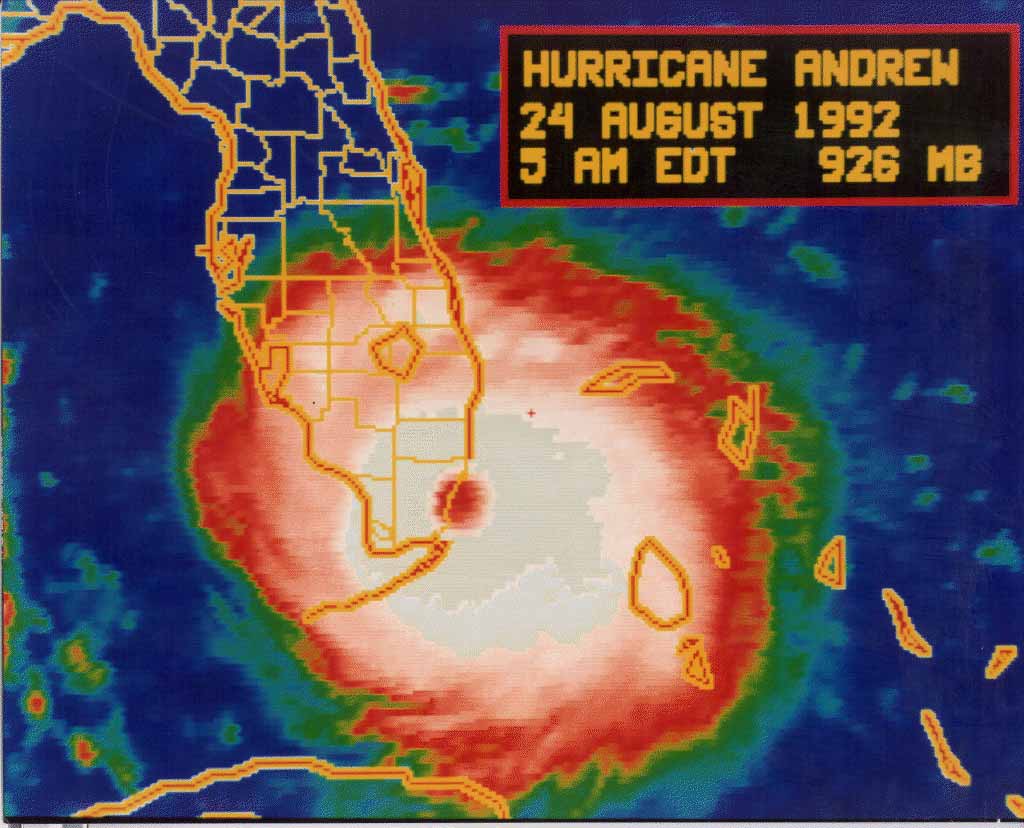
If your travel dates coincide with a potential hurricane threat, proactive measures can mitigate disruption and ensure your safety.
Monitor Official Advisories
The most crucial step is to continuously monitor official sources. The National Hurricane Center (NHC) is the primary authority for tracking and forecasting tropical cyclones in the Atlantic. Local news stations and official Miami-Dade County emergency management websites are also invaluable for localized information.
Check Travel Insurance and Airline Policies
If you have purchased travel insurance, review your policy to understand what is covered in the event of a hurricane, such as trip cancellation, interruption, or delays. Airlines and cruise lines typically have their own policies regarding weather-related disruptions. Many will offer rebooking options or refunds if flights are canceled due to a storm. Contacting your airline or cruise operator directly for the most up-to-date information on their specific policies is recommended.
Communicate with Your Accommodation Provider
Whether you are staying in a hotel like the Fontainebleau Miami Beach, a vacation rental, or a resort, maintaining communication with your accommodation provider is essential. They will have the most current information regarding the facility’s operational status, any potential closures, or preparedness measures being implemented. Some establishments may have their own internal emergency plans and guest safety protocols.
Consider Flexible Travel Plans
If a storm is forecast to approach Miami during your visit, having flexibility in your travel dates or destination can be advantageous. If possible, consider adjusting your travel dates to arrive before or after the potential impact window. Alternatively, if conditions are predicted to be severe, you might consider rerouting to a different, unaffected region for your vacation.
Post-Storm Travel and Recovery
Should a hurricane impact Miami, the recovery process can vary significantly depending on the storm’s intensity.
Assessing the Impact on Travel Infrastructure
After a storm, the first concern for travelers is the status of the airport and transportation networks. Miami International Airport (MIA) and Fort Lauderdale-Hollywood International Airport (FLL) will undergo inspections to ensure safety and operational readiness. Roadways may also be affected by debris or flooding, impacting ground transportation. Updates on airport operations and road conditions will be disseminated through official channels.
The City’s Resilience and Reopening
Miami is known for its rapid recovery. While some areas might experience prolonged effects, the city’s tourism sector is a priority for reopening. Businesses, including hotels, restaurants, and attractions, work diligently to resume operations as quickly as it is safe to do so. The resilience of the community, coupled with effective emergency response, often allows for a swift return to normalcy for many areas.
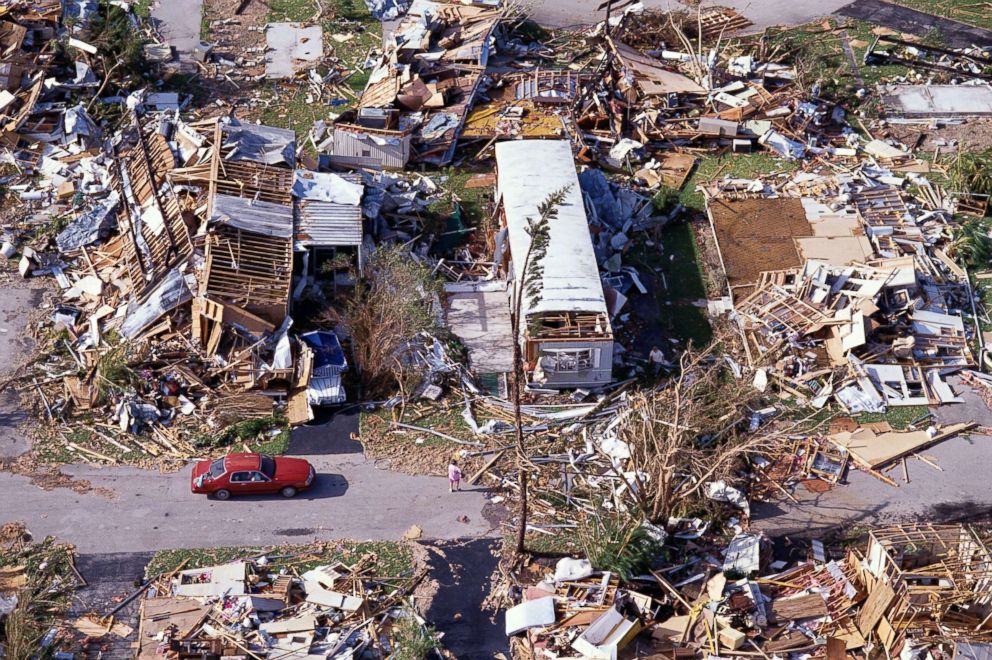
Experiencing Miami After a Storm
In the aftermath of a hurricane, and once authorities deem it safe, Miami can still offer a compelling travel experience. The air is often exceptionally clean and fresh, the skies are a brilliant blue, and there’s a palpable sense of community spirit. Many beaches and parks will reopen, albeit possibly with some temporary closures for cleanup. It’s an opportunity to witness the strength and recovery of this dynamic city firsthand, often with fewer crowds and a unique perspective. However, it is always imperative to respect any remaining safety advisories and to check the operational status of specific attractions and establishments before visiting. The spirit of Miami is enduring, and its ability to bounce back is a testament to its vibrant character.
LifeOutOfTheBox is a participant in the Amazon Services LLC Associates Program, an affiliate advertising program designed to provide a means for sites to earn advertising fees by advertising and linking to Amazon.com. Amazon, the Amazon logo, AmazonSupply, and the AmazonSupply logo are trademarks of Amazon.com, Inc. or its affiliates. As an Amazon Associate we earn affiliate commissions from qualifying purchases.