
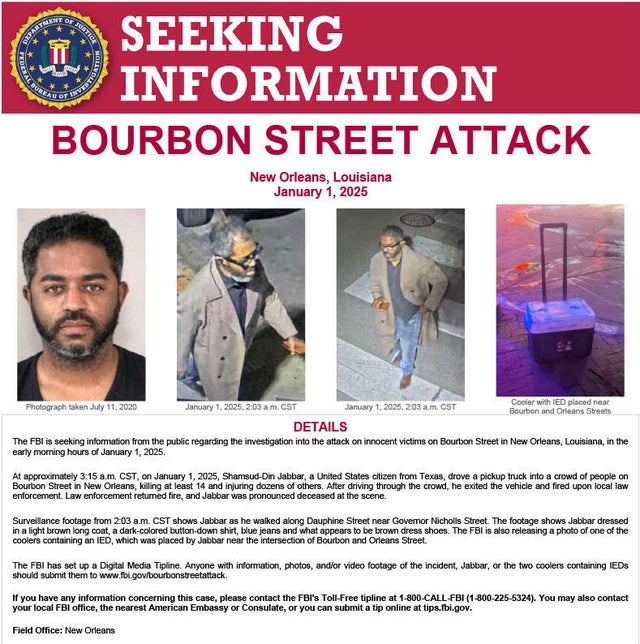
The question of the fate of the individual responsible for the recent attack in New Orleans is one that understandably garners significant public interest. While the immediate focus of any such event naturally falls on public safety and the investigation, the resolution for those involved, including the perpetrator, becomes a crucial part of the narrative. This article delves into the known outcomes and the broader context surrounding such incidents within the vibrant and historic landscape of New Orleans.
Understanding the Aftermath of an Attack
When an incident like the one in New Orleans occurs, the immediate aftermath is a complex interplay of law enforcement, emergency services, and investigative procedures. The primary objective is to secure the scene, provide aid to any victims, and apprehend any immediate threats. The fate of the attacker is determined through a combination of these actions.

Law Enforcement Response and Apprehension
The swift and effective response of the New Orleans Police Department (NOPD) and any assisting agencies is paramount in such situations. Public safety protocols are activated to contain the incident and ensure the well-being of residents and visitors alike. The apprehension of the individual responsible is a critical phase, often involving detailed pursuit and tactical operations. The success of these operations directly impacts the immediate resolution for the attacker.
Medical and Legal Considerations
Following apprehension, the attacker’s medical status becomes a significant factor. If injured during the incident or apprehension, they would receive necessary medical attention. Subsequently, the legal process takes over. This involves booking, arraignment, and the commencement of judicial proceedings. The outcome of these legal steps will ultimately determine the attacker’s long-term fate, which can range from incarceration to other legal sanctions depending on the severity of the charges and the evidence presented.
The Investigator’s Perspective: Piecing Together the Narrative
Investigators play a crucial role in not only identifying and apprehending the perpetrator but also in understanding the full scope of the incident. This includes piecing together motivations, methodologies, and any potential accomplices. The narrative surrounding the attacker’s end, whether it be through apprehension, injury, or other means, is a key element of the investigative report.
Gathering Evidence and Witness Testimony
The investigative process relies heavily on meticulous evidence collection and the gathering of witness testimony. This detailed work helps establish a clear timeline of events and the actions of the attacker. Forensic analysis of the scene, digital evidence, and interviews with those who may have witnessed the event or have knowledge of the attacker contribute to a comprehensive understanding.
The Role of Forensic Science
Forensic science is indispensable in modern investigations. From DNA analysis to ballistics and digital forensics, these scientific disciplines provide objective evidence that can confirm or refute suspect information, including whether the attacker sustained fatal injuries during the incident. The findings of forensic experts are critical in determining the factual circumstances of the attacker’s outcome.
Public Safety and Community Well-being in New Orleans
Incidents of violence, however isolated, can cast a shadow over a community. For a city renowned for its unique culture, resilience, and welcoming spirit, like New Orleans, the paramount concern is the restoration of public safety and the reassurance of its residents and the millions of tourists who visit each year.
Impact on Tourism and Local Businesses
A significant concern following any violent incident is its potential impact on tourism, a vital economic driver for New Orleans. Visitors are drawn to the city’s rich history, its iconic French Quarter, its world-renowned cuisine, and its vibrant music scene. The safety and security of these attractions and the businesses that cater to them are of utmost importance. Local businesses, from restaurants on Bourbon Street to smaller boutiques, rely on a steady stream of visitors, and any perceived threat can have a detrimental effect.
Community Resilience and Support
Despite such challenges, New Orleans has a long history of resilience. The community often rallies together, demonstrating a deep sense of unity and determination. Support systems for victims and their families are crucial, and the city’s cultural institutions and community leaders often play a significant role in fostering an environment of healing and collective strength. Understanding the resolution for the attacker is part of this broader process of regaining a sense of normalcy and security.
Navigating Information: Fact vs. Speculation
In the age of rapid information dissemination, it is essential to distinguish between confirmed facts and speculation when it comes to sensitive incidents. The details surrounding the attacker’s fate are often subject to rumors and unverified reports before official statements are released.
Official Sources of Information
Reliable information regarding the outcome of an attacker is typically provided by official law enforcement agencies or governmental spokespersons. These sources are responsible for releasing confirmed details to the public after thorough verification. This might include official police statements, court documents, or reputable news outlets that have confirmed information with authorities.
The Importance of Verified Reporting
When seeking information about such serious events, it is crucial to rely on verified reporting from established journalistic organizations. These outlets have the resources and ethical obligations to fact-check information before publication. Speculation, while sometimes tempting to engage with, can often lead to misinformation and unnecessary distress. The question of “Did the New Orleans Attacker Die?” is best answered by adhering to credible and officially corroborated accounts.

The Legal Process as the Ultimate Arbiter
Ultimately, the legal system serves as the final arbiter of an attacker’s fate. Whether through a conviction and subsequent sentencing, or other legal resolutions, the courts provide a definitive outcome. This process, while sometimes lengthy, ensures due process and a thorough examination of the facts. Therefore, official court proceedings or confirmed reports from legal authorities are the most reliable indicators of the attacker’s ultimate disposition.
LifeOutOfTheBox is a participant in the Amazon Services LLC Associates Program, an affiliate advertising program designed to provide a means for sites to earn advertising fees by advertising and linking to Amazon.com. Amazon, the Amazon logo, AmazonSupply, and the AmazonSupply logo are trademarks of Amazon.com, Inc. or its affiliates. As an Amazon Associate we earn affiliate commissions from qualifying purchases.