
The chilling case of the Zodiac Killer remains one of the most notorious unsolved mysteries in American criminal history. For decades, the elusive figure terrorized Northern California, taunting authorities with cryptic letters and ciphers. The question that has haunted investigators and true crime enthusiasts alike is simple yet profound: did they ever find the Zodiac Killer in California? The answer, as complex as the case itself, is a resounding no. Despite numerous suspects, exhaustive investigations, and the passage of time, the identity of the Zodiac Killer remains officially unknown, leaving a dark stain on the state’s history and a lingering sense of unease.
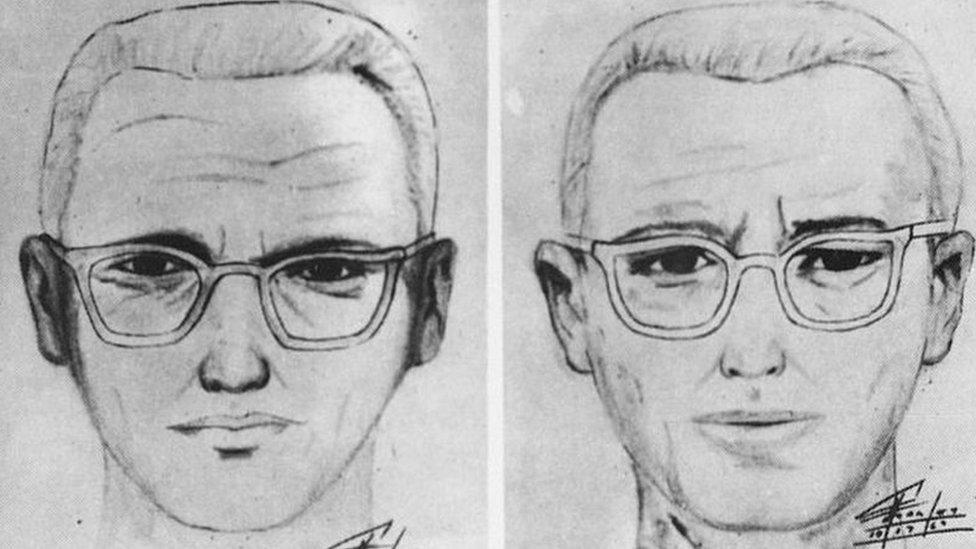
This enduring enigma invites us to explore not just the criminal investigation but also the very places where the terror unfolded. While the search for the killer consumed law enforcement, these locations have continued to exist, some becoming landmarks, others fading into memory, but all bearing silent witness to a period of intense fear. This article delves into the persistent questions surrounding the Zodiac Killer, the investigative efforts, and the enduring impact on the regions where the crimes occurred, weaving in the context of travel and the allure of understanding historical events through their geographical footprints.
The Unfolding Terror and the Search for Answers
The Zodiac Killer’s reign of terror began in the late 1960s, primarily in Northern California. The first confirmed victims were teenagers David Faraday and Betty Lou Jensen, murdered on December 20, 1968, near Lake Herman Road in Benicia, California. This brutal act marked the beginning of a series of attacks that would grip the public and baffle police for years. The killer’s modus operandi was characterized by audacious attacks in public or semi-public places, often targeting young couples.
The ensuing months saw further horrific crimes, including the shooting of Darlene Ferrin and Michael Mageau at the Blue Rock Springs golf course in Vallejo, California, in July 1969, and the brutal stabbing of Paul Stine, a taxi driver, in San Francisco, California, in October of the same year. The killer’s chilling communications, including letters sent to local newspapers and police departments, often accompanied by complex ciphers, cemented his notoriety. These missives, signed with the distinctive zodiac symbol, provided a disturbing insight into his psychological state and his desire for attention.
The investigative response was immense, involving multiple law enforcement agencies across several counties, including the Vallejo Police Department, the San Francisco Police Department, and the California Department of Justice. Despite the concerted efforts, the killer proved elusive, seemingly vanishing between attacks and leaving behind frustratingly few concrete clues. The nature of the crimes – often occurring in isolated areas or in swift, violent encounters – made witness accounts scarce and physical evidence difficult to gather. The pressure on the investigators was immense, as the public demanded answers and the killer continued his reign of terror.
The Suspects and the Lingering Doubts
Over the decades, numerous individuals have been identified as potential suspects in the Zodiac Killer case. Each suspect brought with them a set of circumstantial evidence, peculiar behaviors, or alleged confessions that fueled speculation. One of the most prominent suspects was Arthur Leigh Allen, a former school teacher who lived in Vallejo and was interviewed by police multiple times. Allen fit many of the descriptions provided by witnesses and had a documented interest in the Zodiac’s communications, even owning a Zodiac brand watch. However, despite extensive investigation, including DNA and fingerprint analysis, investigators were never able to definitively link him to the crimes. The FBI officially cleared Allen as a suspect in 2011, though debate among amateur sleuths and some former investigators continues.
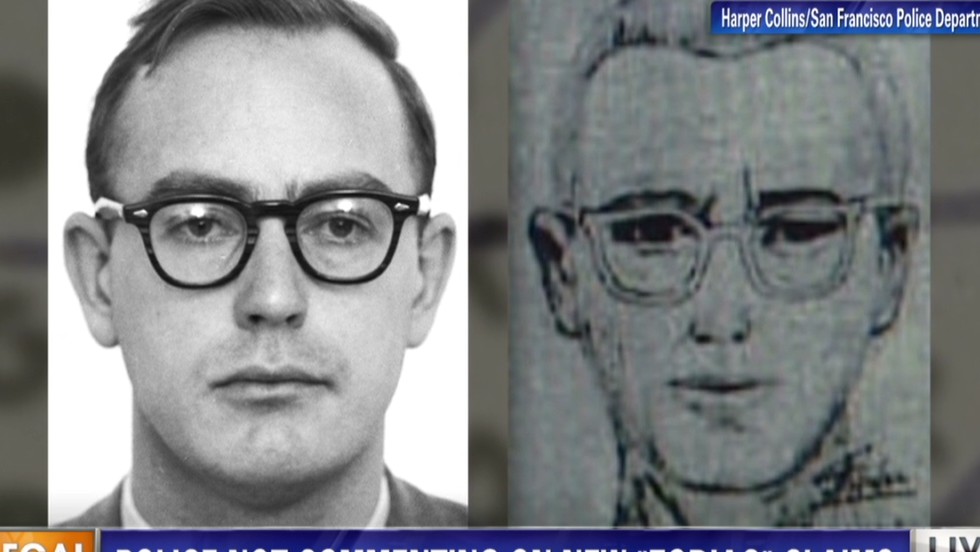
Another figure who drew attention was Richard Gaikowski, a former editor of the Utica Observer-Dispatch. In 2021, a team of amateur investigators claimed to have identified Gaikowski as the Zodiac Killer, citing linguistic analysis of his writings and alleged connections to the crime locations. However, this theory, like many others, has not been officially confirmed by law enforcement. The sheer volume of suspects, ranging from former military personnel to seemingly ordinary citizens, highlights the difficulty investigators faced in narrowing down the possibilities. Each suspect brought a compelling narrative, but none could be unequivocally proven to be the Zodiac Killer. The lack of a definitive confession or irrefutable forensic evidence has allowed doubt and speculation to persist.
The passage of time has also played a significant role. Many of the original investigators have passed away, taking with them invaluable insights and memories. Key witnesses are no longer available to provide testimony, and some of the original crime scenes may have been altered or developed, erasing potential physical evidence. This makes revisiting the case and uncovering new leads incredibly challenging. The official stance from law enforcement agencies, including the California Department of Justice, remains that the case is still open but unsolved, emphasizing the lack of definitive evidence to identify the killer.

Exploring the Geography of Fear: Landmarks and Travel Insights
While the Zodiac Killer case is primarily a story of crime and investigation, it also has a geographical dimension that can be explored through the lens of travel and tourism. The locations where the crimes occurred, and the places that played a role in the investigation, offer a tangible connection to the events. Visiting these sites, even decades later, can provide a unique perspective on the impact of the killer’s actions on the communities of Northern California.
The Scenes of the Crimes: A somber journey
Several locations in Northern California are indelibly linked to the Zodiac Killer. These sites, while often publicly accessible, carry a somber historical weight.
- Lake Herman Road, Benicia: This is where the Zodiac Killer’s first confirmed victims, David Faraday and Betty Lou Jensen, were found murdered. The isolated stretch of road, surrounded by rolling hills and dense foliage, likely appealed to the killer for its remoteness. Today, it remains a quiet, rural road, a stark contrast to the terror it once witnessed. Travelers visiting Benicia might find themselves driving this road, a poignant reminder of the case’s origins.
- Blue Rock Springs, Vallejo: The site of the July 1969 attack on Darlene Ferrin and Michael Mageau, this area is now a public park. The golf course where the attack occurred has seen changes over the years, but the general vicinity can be visited. Vallejo, a vibrant city on the eastern side of the San Francisco Bay, offers much more for tourists, including waterfront attractions and a growing culinary scene.
- Presidio Heights, San Francisco: The location where Paul Stine, a taxi driver, was murdered, is a more urban setting. The street remains an active residential area in a prominent San Francisco neighborhood. This part of the city is known for its beautiful architecture and proximity to Presidio National Park, a popular destination for its historical significance and stunning views of the Golden Gate Bridge.
For those interested in the history of the case, visiting these locations can be a part of a broader exploration of Northern California. It’s a way to connect with the narrative beyond the headlines and documentaries. Many travelers seek out destinations with unique historical stories, and the Zodiac Killer case, while tragic, is undoubtedly one of California’s most compelling. Responsible tourism in such areas involves a respect for the past and an understanding of the sensitivity surrounding these sites.
Beyond the crime scenes: Tourism and Accommodation in Zodiac Territory
While the Zodiac Killer’s crimes cast a shadow, the regions where they occurred are rich with attractions and offer a diverse range of travel experiences. From the bustling city life of San Francisco to the scenic beauty of the wine country and the coastal landscapes, there is much to explore.
In San Francisco itself, visitors can enjoy iconic landmarks like the Golden Gate Bridge, Alcatraz Island, and the vibrant Fisherman’s Wharf. The city boasts world-class museums, diverse culinary offerings, and a unique cultural tapestry. Accommodation options abound, from luxurious hotels like the Fairmont San Francisco to boutique inns and budget-friendly hostels.
Vallejo and its surrounding areas offer a different pace. The city is a gateway to Napa Valley and Sonoma County, renowned for their vineyards, wineries, and picturesque landscapes. Travelers can indulge in wine tasting, explore charming towns like Healdsburg and Napa, and enjoy farm-to-table dining experiences. Accommodation in this region ranges from lavish resorts and vineyard estates to cozy bed and breakfasts.
The coastal areas north of San Francisco, such as Marin County, offer stunning natural beauty, including the dramatic cliffs of Muir Woods National Monument with its towering redwood trees. The charming seaside towns provide a relaxed atmosphere, perfect for a peaceful getaway. Lodging options here often emphasize connection with nature, including cabins and seaside villas.
Even for those not specifically seeking out the Zodiac-related sites, understanding the geographical context adds another layer to any travel itinerary in Northern California. It’s a reminder that the popular tourist destinations often share proximity with places that hold darker historical significance. This blend of the beautiful and the tragic is a complex part of the human experience, and for some, it adds a compelling dimension to their travels. The persistent mystery of the Zodiac Killer ensures that these regions, while offering enjoyable travel experiences, will always be associated with one of America’s most enduring criminal enigmas. The question of whether the killer was ever found in California remains unanswered, a perpetual footnote in the state’s vibrant history.