
Alaska, a land of breathtaking natural beauty and untamed wilderness, often conjures images of vast icy landscapes and iconic Arctic wildlife. Among these majestic creatures, the polar bear stands as a symbol of the Arctic’s raw power and delicate ecosystem. This prompts a natural question for many: “Do Alaska have polar bears?” The answer is a resounding yes. Alaska is indeed home to a significant population of polar bears, making it one of the best places in the world to witness these magnificent animals in their natural habitat.
The presence of polar bears in Alaska is intrinsically linked to the state’s unique geography and climate. These apex predators are highly adapted to life in the Arctic, relying heavily on sea ice as a platform for hunting their primary prey: seals. As such, the distribution and behavior of polar bears in Alaska are directly influenced by the extent and duration of sea ice coverage. Understanding this fundamental relationship is key to appreciating why Alaska is such a crucial stronghold for polar bear populations.

The Majestic Polar Bear: An Arctic Icon
Polar bears (Ursus maritimus) are the largest land carnivores on Earth, renowned for their thick white fur, powerful build, and remarkable ability to thrive in extreme cold. Their adaptations are a marvel of evolution, allowing them to navigate treacherous icy terrain, swim long distances in frigid waters, and endure prolonged periods without food.
Anatomy and Adaptations for Arctic Survival
The polar bear’s iconic white coat, while appearing white, is actually composed of transparent, hollow hairs that reflect sunlight, giving them their characteristic camouflage against the snow and ice. Beneath this insulating fur lies a thick layer of blubber, providing crucial warmth and energy reserves. Their paws are large and broad, acting like snowshoes to distribute their weight and prevent them from sinking into the snow. They also possess rough pads and non-retractable claws, providing excellent traction on slippery surfaces.
Their physiology is equally impressive. Polar bears have a slow metabolism, allowing them to conserve energy during lean times. Their kidneys are highly efficient at filtering salt from the seawater they may ingest while swimming or from their prey, enabling them to remain hydrated. Their keen sense of smell, capable of detecting a seal’s breathing hole from nearly a mile away, is vital for successful hunting.
Life Cycle and Behavior
Polar bears are solitary animals for most of the year, coming together primarily for mating. Pregnant females dig maternity dens in snowdrifts, where they give birth to one to three cubs in the harsh winter months. The cubs remain with their mother for about two to three years, learning essential survival skills before venturing out on their own.
Their hunting strategy is primarily focused on seals, which they often ambush at their breathing holes in the sea ice. When the ice is extensive, polar bears have access to abundant hunting grounds. However, as sea ice diminishes, their hunting success rates can decline, impacting their health and reproductive success. This makes the conservation of sea ice a paramount concern for the future of polar bear populations.
Where to Find Polar Bears in Alaska
Alaska’s vast and varied landscape offers several key regions where polar bears are known to inhabit. These areas are often remote and require specialized travel arrangements, underscoring the wild and adventurous nature of experiencing these creatures.
The Arctic Coast: A Polar Bear Haven
The northern coast of Alaska, bordering the Arctic Ocean, is the primary domain of polar bears. Regions like the North Slope are particularly important. This expansive area includes Barrow (now officially Utqiagvik), the northernmost city in the United States, and extends across the tundra and along the coastline. Here, sea ice forms for a significant portion of the year, providing the essential hunting platform that polar bears depend on.
Coastal areas, especially around the Chukchi Sea and the Beaufort Sea, are critical habitats. These waters are rich in marine life, including the seal species that form the bulk of the polar bear’s diet. During the winter and spring, when sea ice is extensive, polar bears are most active in hunting. As the ice recedes during the summer months, some bears may remain on land near the coast, while others stay on the remaining ice further offshore.
Other Potential Sightings and Regions
While the Arctic coast is the most reliable place to find polar bears, there are occasional sightings in other parts of Alaska, though these are less common and often opportunistic. For instance, on the remote Aleutian Islands, where sea ice is not a consistent feature, polar bears may be found scavenging or hunting on land. However, these instances are rare and do not represent the typical habitat of the species.

It’s crucial to remember that polar bears are wild animals and their movements are dictated by natural conditions, particularly the availability of sea ice and prey. Therefore, while planning a trip with the hope of seeing polar bears, it’s essential to manage expectations and prioritize safety.
Experiencing Polar Bears in Alaska: Responsible Tourism and Safety
Encountering polar bears in Alaska is an unforgettable experience, but it must be approached with the utmost respect for the animals and their environment. Responsible tourism practices are vital to ensure the well-being of both humans and wildlife.
Guided Tours and Expedition Cruises
The most common and safest way to see polar bears in Alaska is through guided tours and expedition cruises. These specialized trips are operated by experienced professionals who understand polar bear behavior and adhere to strict safety protocols.
Expedition cruises often explore the waters of the Arctic National Wildlife Refuge and along the coastlines of the Beaufort and Chukchi Seas. These vessels are equipped to navigate icy waters and provide stable platforms for wildlife viewing. Experienced guides, often including biologists and naturalists, accompany guests, offering invaluable insights into the Arctic ecosystem and the lives of polar bears. They know the best locations and times to increase the chances of sightings while minimizing disturbance to the animals.
Land-based tours, often originating from Utqiagvik, offer opportunities for guided walks and excursions into polar bear territory. These tours are carefully planned to avoid direct confrontation with bears and are conducted by guides who are trained in bear safety and deterrence.
Safety Precautions and Respect for Wildlife
When in polar bear country, safety is paramount. It is crucial to never approach a polar bear. Maintain a safe distance at all times, and always follow the instructions of your guide. Polar bears are wild predators, and even a seemingly docile animal can be dangerous.
- Never feed polar bears. Feeding them can alter their natural behavior, making them more accustomed to humans and potentially leading to dangerous encounters. It also harms their health and ability to survive in the wild.
- Keep a safe distance. Use binoculars or telephoto lenses to observe them without getting too close.
- Store food properly. If camping or in a remote area, ensure all food is secured to prevent attracting bears.
- Be aware of your surroundings. Make noise while hiking to avoid surprising a bear.
- Never travel alone. In polar bear country, it is always recommended to be with a guide or in a group.
The Alaska Department of Fish and Game provides essential information and guidelines for coexisting with polar bears and other wildlife. Familiarizing yourself with these recommendations before your trip is highly advisable.
Conservation Efforts and the Future of Polar Bears in Alaska
The future of polar bears in Alaska is intrinsically linked to the health of the Arctic environment, particularly the extent of sea ice. Climate change poses the most significant threat to their survival, making conservation efforts a critical priority.
The Impact of Climate Change
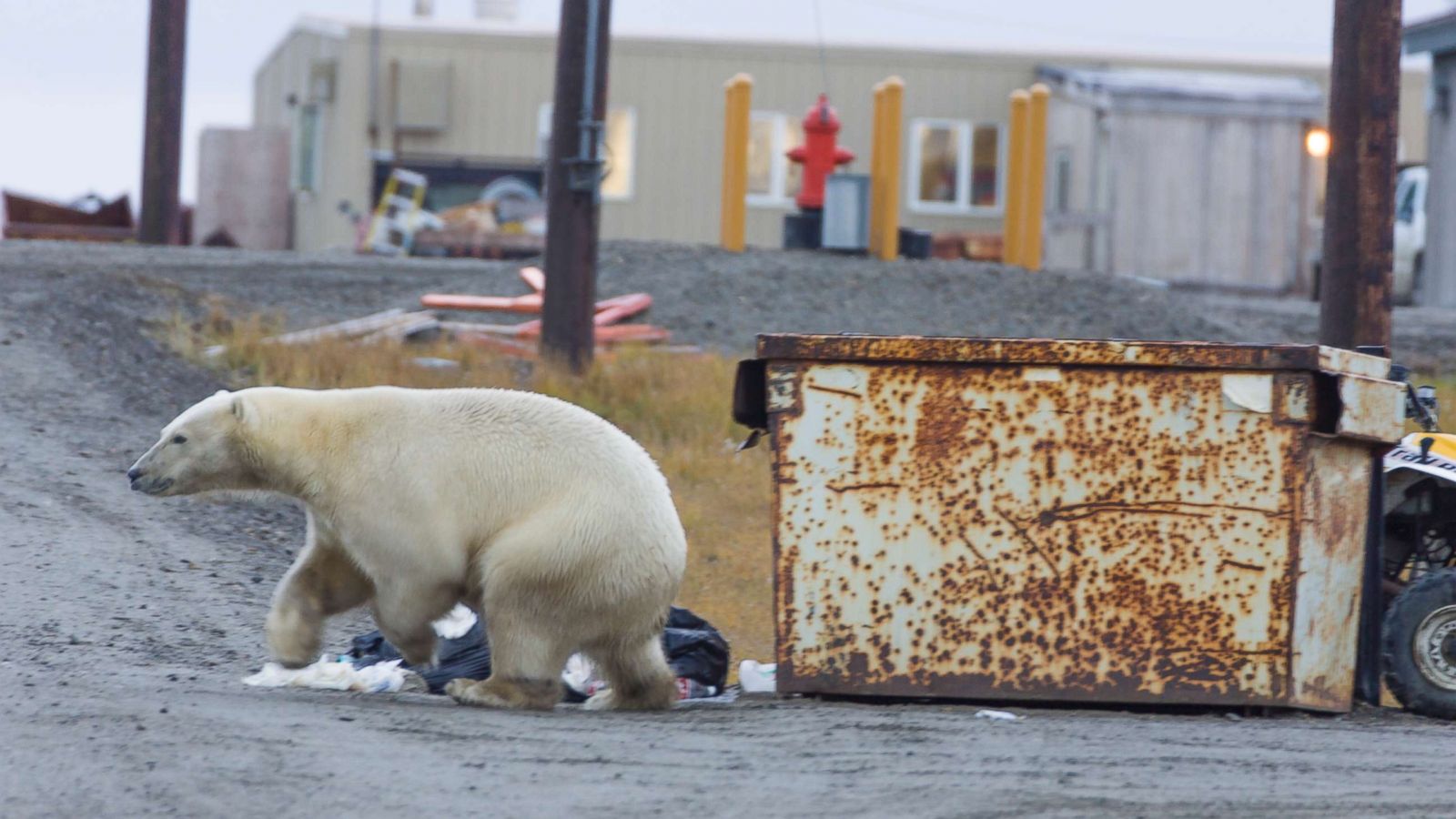
Rising global temperatures are causing Arctic sea ice to melt at an unprecedented rate. This loss of habitat directly impacts polar bears’ ability to hunt, breed, and survive. Shorter sea ice seasons mean less time for hunting seals, leading to reduced body condition, lower reproductive rates, and increased cub mortality. Some bears are forced to swim longer distances between ice floes or to shore, expending vital energy reserves.
Conservation Initiatives and Research
Numerous organizations and governmental agencies are actively involved in polar bear conservation in Alaska. The U.S. Fish and Wildlife Service plays a vital role in managing polar bear populations and their habitat. Research efforts focus on monitoring population numbers, tracking bear movements, understanding their health and diet, and assessing the impact of environmental changes.
Efforts are also underway to mitigate human-bear conflict and promote sustainable tourism practices. Educating the public about the challenges facing polar bears and encouraging actions to reduce carbon footprints are crucial components of long-term conservation. Supporting organizations dedicated to Arctic research and conservation can make a tangible difference in safeguarding these iconic creatures for future generations.
Ultimately, the question of “Do Alaska have polar bears?” is answered with a definitive yes, but this reality is intertwined with a pressing need for conservation. Witnessing these magnificent animals in their natural, albeit increasingly fragile, environment is a privilege that comes with the responsibility to protect them and the unique Arctic ecosystem they call home.
LifeOutOfTheBox is a participant in the Amazon Services LLC Associates Program, an affiliate advertising program designed to provide a means for sites to earn advertising fees by advertising and linking to Amazon.com. Amazon, the Amazon logo, AmazonSupply, and the AmazonSupply logo are trademarks of Amazon.com, Inc. or its affiliates. As an Amazon Associate we earn affiliate commissions from qualifying purchases.