
Navigating the practicalities of identification is a crucial aspect of modern life, particularly when engaging in activities that require proof of identity. For residents and visitors alike in the Grand Canyon State, understanding the validity and expiration of official identification is paramount. This exploration delves into the specifics of Arizona ID cards, their expiration policies, and the implications for various lifestyle choices, from local excursions to international travel.
Understanding Arizona Identification Requirements
The Arizona Department of Transportation (ADOT) Motor Vehicle Division (MVD) is the primary authority responsible for issuing driver’s licenses and identification cards within the state. These cards serve as vital documents for a multitude of purposes, including proving age for purchasing alcohol or entering age-restricted venues, facilitating travel, and conducting financial transactions. It is essential for individuals to be aware of the expiration dates printed on their cards to avoid inconveniences and potential legal issues.
Types of Arizona Identification
Arizona offers several forms of identification. The most common are:
- Driver’s Licenses: Issued to individuals who are licensed to operate a motor vehicle. These come in standard, Real ID, and commercial driver’s license (CDL) variants.
- Identification Cards: Issued to individuals who do not drive or choose not to obtain a driver’s license but require a state-issued photo ID. These also have standard and Real ID options.
- Permits: Including instruction permits and restricted licenses, which have different validity periods.
For the purpose of this discussion, we will primarily focus on standard identification cards and driver’s licenses, as these are the most universally applicable forms of ID for daily life and travel.
The Significance of Expiration Dates
The expiration date on an Arizona ID card or driver’s license signifies the end of its legal validity as an official identification document. Failure to renew before this date can lead to several complications:
- Driving Privileges: Driving with an expired license is a traffic violation and can result in fines, points on your driving record, and even vehicle impoundment.
- Access to Services: Many services, such as boarding domestic flights (with a non-Real ID compliant license after the federal enforcement date), entering secure federal buildings, or conducting certain banking transactions, may require a valid, unexpired ID.
- Age Verification: For activities like purchasing tobacco or alcohol, or entering bars and casinos, an expired ID will not suffice as proof of age.
- Travel: While not always required for international travel (where a passport is the primary document), a valid state ID can be useful for domestic travel within the United States for identification purposes beyond flight boarding.
Arizona ID Card and Driver’s License Expiration Policies
The expiration policy for Arizona ID cards and driver’s licenses is designed to ensure that identification documents are up-to-date and reflect current personal information. The duration of validity is generally tied to the age of the applicant at the time of issuance.
Standard Validity Periods
For most adults applying for or renewing a standard Arizona driver’s license or identification card, the typical validity period is five years. This means that from the date of issuance, the card will remain valid for half a decade.
However, there are some important nuances:
- Applicants Under 21: Individuals who are under 21 years old at the time of issuance will receive an ID or license that expires on their 21st birthday. This is a common practice in many states to align identification with legal age milestones. For example, if you turn 20 on June 15th and obtain an ID on January 1st of the same year, your ID will expire on your 21st birthday, June 15th, of the following year, rather than five years from January 1st.
- Applicants Age 70 and Older: Those aged 70 and above are subject to a two-year renewal period for their driver’s licenses. This policy is implemented to ensure the driving abilities of senior citizens are regularly assessed. Identification cards for this age group may still follow the standard five-year renewal, but it is crucial to verify the specific expiration date on the card.
- Military Personnel: There are provisions for military personnel, especially those deployed overseas. While their licenses may expire, they may have an extended period of validity under certain circumstances, often requiring proof of military status and deployment. This is a critical aspect for individuals serving the country to maintain their identification while abroad.
Real ID Compliance
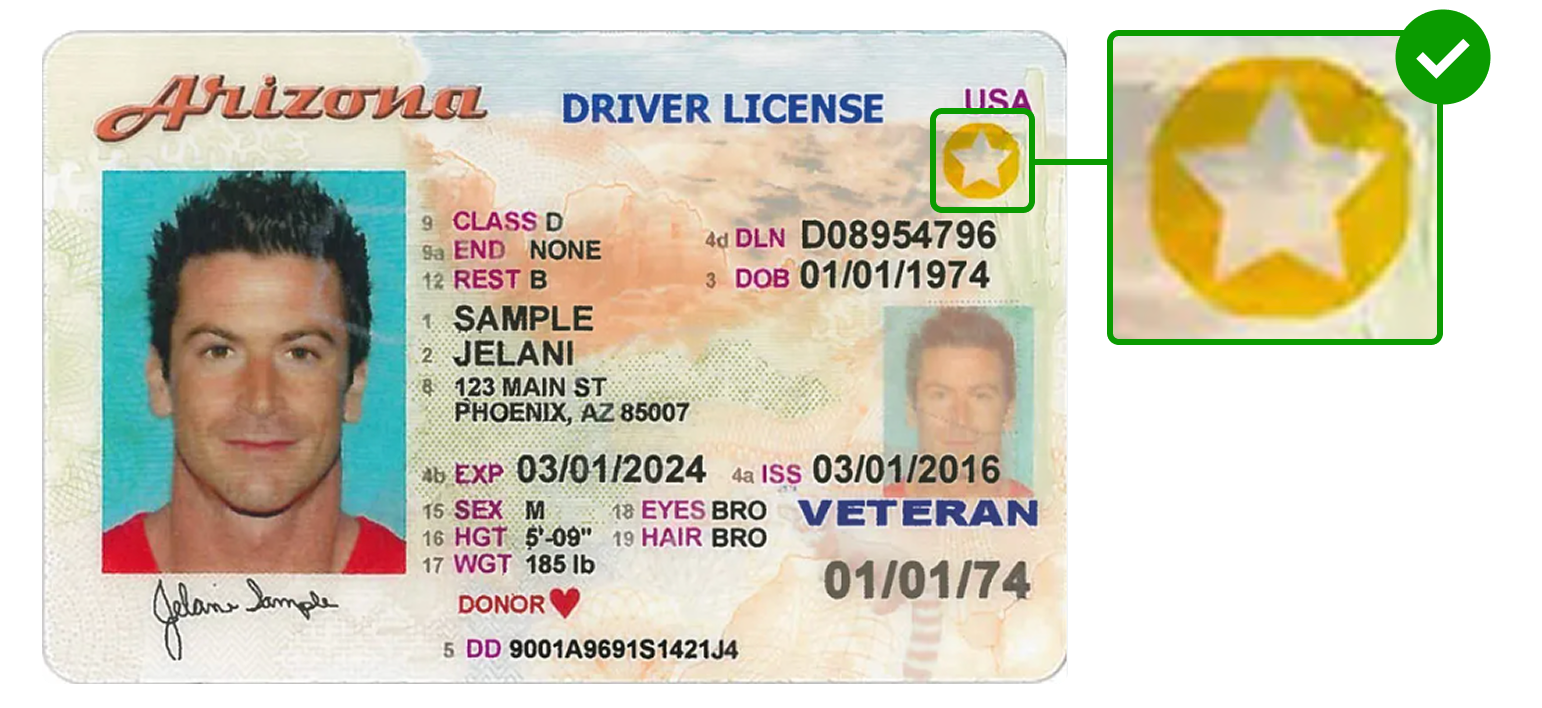
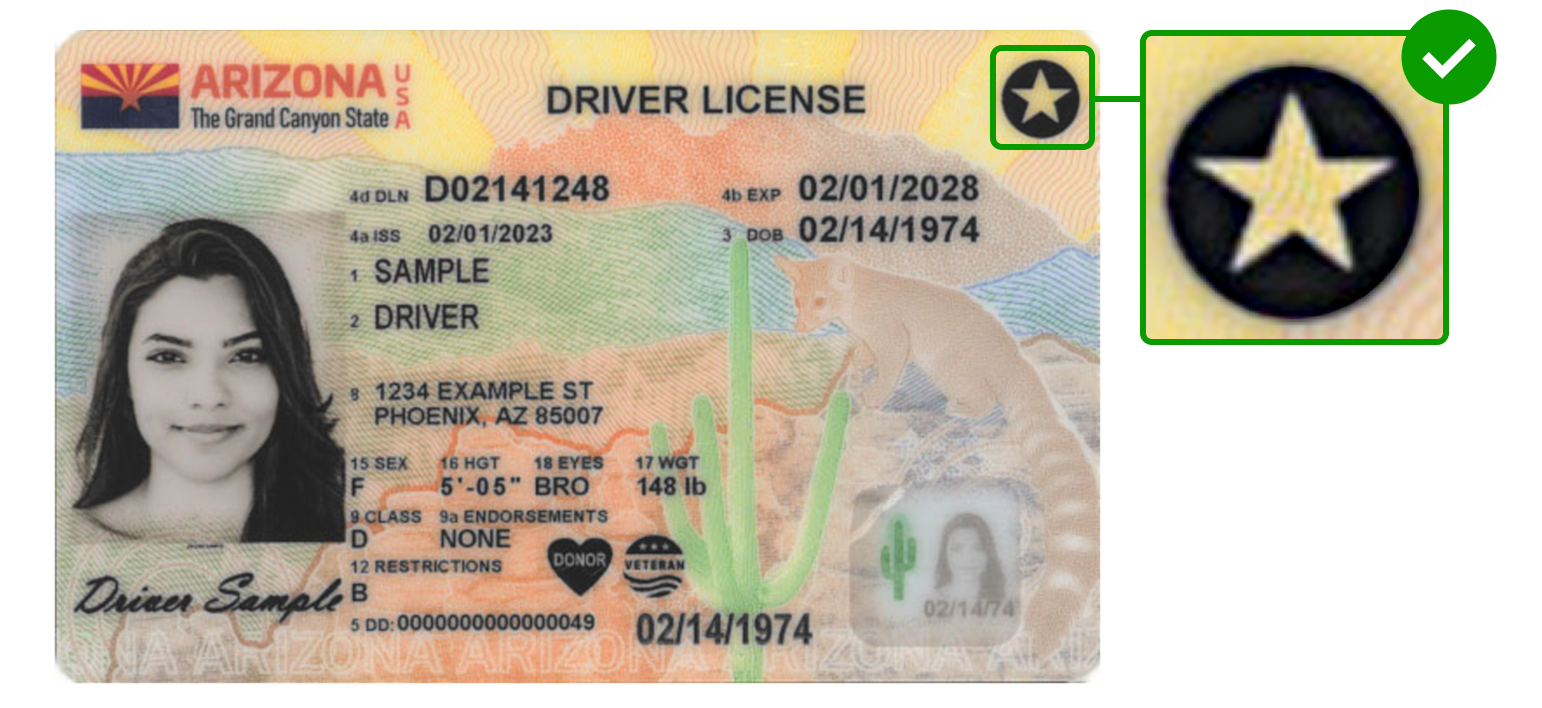
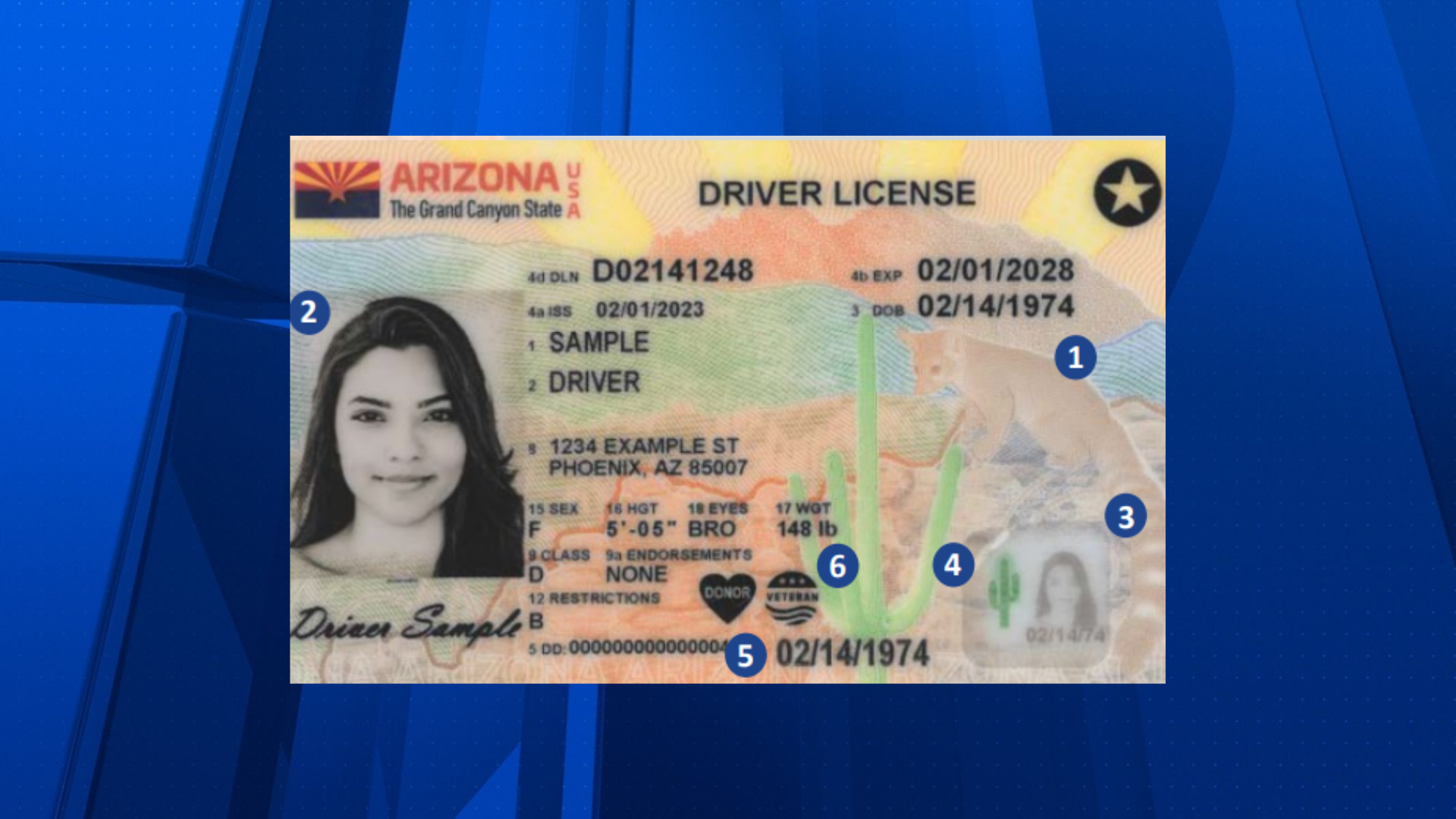
With the implementation of the federal REAL ID Act, Arizona began issuing compliant driver’s licenses and identification cards. These cards have a distinct marking indicating their compliance. The expiration policies for Real ID compliant cards generally mirror those of standard IDs, typically lasting for five years for most adult applicants. However, it is always best to check the specific expiration date printed on your card. The federal enforcement date for using a Real ID or other TSA-approved identification to board domestic flights is May 7, 2025. Before this date, a standard Arizona ID or license that has not expired will suffice for domestic air travel. After this date, a Real ID-compliant card will be necessary for boarding flights within the United States.
What Constitutes an “Expired” ID?
An Arizona ID card or driver’s license is considered expired on the date printed on the card. It is not legal to operate a vehicle or use it as official identification after this date. Some grace periods may exist for certain activities or under specific circumstances, but relying on these is risky. For instance, while some businesses might accept an ID for a short period past its expiration, official entities like law enforcement or the TSA will strictly adhere to the printed date.
Renewing Your Arizona Identification
Timely renewal of your Arizona ID card or driver’s license is essential to maintain its validity and avoid potential issues. The Arizona MVD offers several convenient options for renewal.
Renewal Methods
The MVD encourages online and mail-in renewals whenever possible to streamline the process and reduce wait times at physical locations.
- Online Renewal: Many individuals are eligible for online renewal through the official Arizona MVD website. This is often the quickest and most convenient method. You will typically need your current driver’s license or ID number, date of birth, and other identifying information. A renewal notice, if received, will usually indicate if you are eligible for online renewal. Payment for the renewal fee is made securely online.
- Mail-In Renewal: In some cases, you may receive a renewal notice by mail that includes instructions for renewing via mail. This typically involves completing a form and returning it with the required fee.
- In-Person Renewal: For those who are not eligible for online or mail-in renewal, or who prefer an in-person experience, visiting an Arizona MVD Office is the option. It is highly recommended to schedule an appointment online beforehand to minimize wait times. You will need to bring your current ID, any required documentation (such as proof of address or name change), and payment for the renewal fee.
When to Renew
It is generally recommended to begin the renewal process a few months before your current ID or license expires. This allows ample time for processing and receiving your new card, especially if there are any unexpected delays. The MVD typically sends out renewal notices to the address on file several weeks before the expiration date, but it is your responsibility to ensure your contact information is up-to-date with the MVD.
Documents Required for Renewal
The specific documents required for renewal can vary depending on your situation.
- Standard Renewal: For most individuals renewing a standard license or ID without any changes, your current valid Arizona driver’s license or ID card is usually sufficient. You will also need to provide payment for the renewal fee.
- Real ID Renewal: If you are renewing to obtain a Real ID-compliant card, you will need to present the same types of documents as you would for an initial Real ID application, including proof of identity, Social Security number, lawful status, and two proofs of Arizona residency.
- Name or Address Change: If your legal name or address has changed since your last issuance, you will need to provide supporting documentation, such as a marriage certificate, divorce decree, or court order for a name change, and updated proof of residency.
- Applicants Under 21: If your ID or license is expiring because you are turning 21, you will apply for a standard adult license or ID.
- Applicants Age 70 and Older: Senior drivers renewing their licenses will need to undergo a vision test and potentially other evaluations.
Implications for Lifestyle and Travel
The expiration status of your Arizona ID card or driver’s license has direct implications for various lifestyle choices, particularly concerning travel and accessing certain amenities.
Domestic Travel
For domestic travel within the United States, especially by air, having a valid, unexpired ID is critical. As mentioned, the federal deadline for Real ID compliance for boarding flights is approaching. Before May 7, 2025, a standard Arizona driver’s license or ID that is not expired will suffice. After this date, a Real ID-compliant card will be mandatory for individuals who do not possess another acceptable form of identification, such as a U.S. passport. Even for other forms of domestic travel, such as cross-state road trips, having a valid ID is important for various checks, from law enforcement encounters to hotel check-ins.
International Travel
For international travel, a U.S. passport is the primary and indispensable document for U.S. citizens. Your Arizona ID card or driver’s license is not a substitute for a passport when entering or exiting a foreign country. However, it can be useful as a secondary form of identification while abroad, for example, when making significant purchases or engaging in activities where a local ID might be required by a vendor, though this is less common. It’s also vital for your return trip to the United States, as U.S. Customs and Border Protection will require your passport.
Local Activities and Experiences
Even within Arizona, an expired ID can pose challenges. Whether you’re planning a visit to the Grand Canyon National Park, enjoying a concert at a venue in Phoenix, or trying your luck at a casino in Tucson, most establishments require a valid, government-issued ID to verify age. This includes purchasing age-restricted items, entering bars or clubs, or even sometimes for entry into certain museums or attractions that may have age-specific programming. For residents who enjoy frequenting local breweries, wine tasting rooms, or attending events, keeping their identification current is a matter of maintaining access to these experiences.
Business and Financial Transactions
Beyond travel and leisure, an unexpired Arizona ID is often required for significant life events and transactions. Opening a new bank account, applying for certain loans, or even picking up a package from a shipping center might necessitate a valid form of identification. While many businesses accept IDs slightly past their expiration for certain transactions, official government agencies and financial institutions generally have stricter policies. Therefore, ensuring your ID remains current is crucial for smooth financial management and administrative tasks.
In conclusion, understanding the expiration policies for Arizona ID cards and driver’s licenses is not merely a bureaucratic detail; it is a fundamental aspect of responsible citizenship and lifestyle management. Staying informed about renewal periods and requirements ensures that you can continue to enjoy the freedoms and conveniences that a valid form of identification provides, from exploring the diverse landscapes of Arizona to navigating the complexities of modern life.
LifeOutOfTheBox is a participant in the Amazon Services LLC Associates Program, an affiliate advertising program designed to provide a means for sites to earn advertising fees by advertising and linking to Amazon.com. Amazon, the Amazon logo, AmazonSupply, and the AmazonSupply logo are trademarks of Amazon.com, Inc. or its affiliates. As an Amazon Associate we earn affiliate commissions from qualifying purchases.