
For many travelers planning a visit to the Sunshine State, the image of swaying palm trees and exotic fruit is a powerful draw. Beyond the renowned citrus groves and the ubiquitous oranges, a common question arises for those intrigued by Florida’s unique agricultural landscape: do bananas grow here? The answer is a resounding yes, and their presence adds a fascinating layer to Florida’s local food scene, culture, and tourist experiences. Understanding the cultivation of bananas in Florida offers visitors a deeper appreciation of the state’s diverse ecosystem and provides opportunities to explore beyond the typical tourist paths, delving into farm-to-table dining, local markets, and even agritourism adventures.
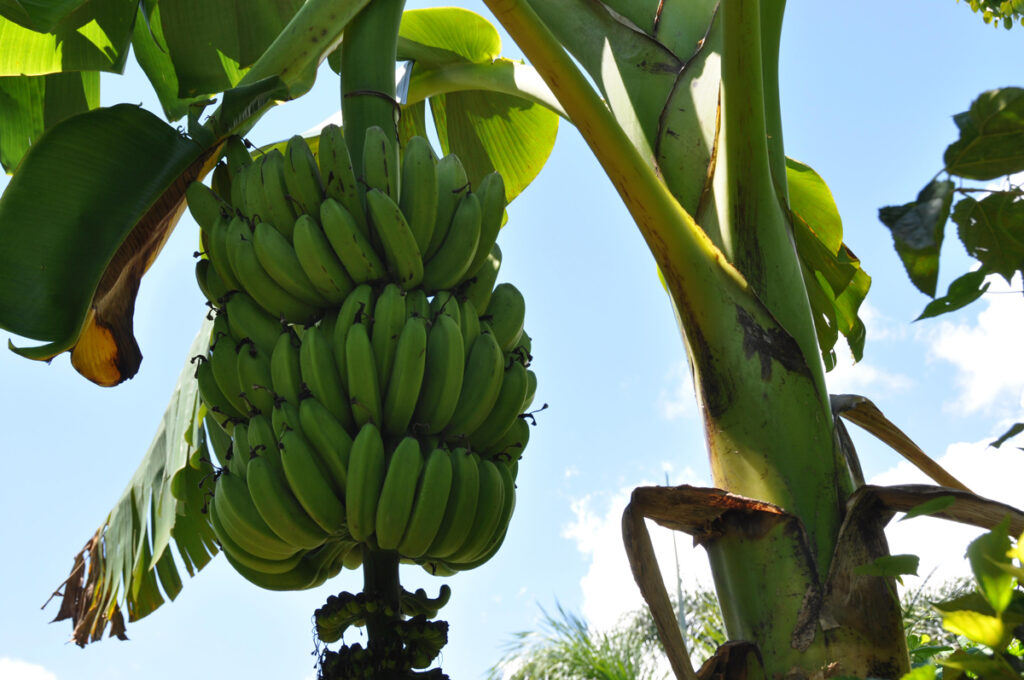
The Sunshine State’s Tropical Embrace: A Haven for Bananas
Florida’s unique subtropical and tropical climate creates an ideal environment for a surprising variety of flora, including the beloved banana. While not on the commercial scale of countries in Latin America or the Caribbean, banana cultivation thrives in many parts of the state, particularly its southern reaches. This agricultural nuance is a testament to Florida’s rich biodiversity and offers a delightful discovery for tourists seeking authentic local experiences.
Florida’s Climate and Banana Cultivation
The key to banana growth lies in consistent warmth, ample humidity, and protection from frost. South Florida, extending from areas like Miami-Dade County down to Key West, boasts a truly tropical climate (USDA Hardiness Zones 10-11). Here, the winters are mild, often frost-free, and temperatures rarely dip below freezing, allowing banana plants to flourish year-round. The rainy season, typically from June to November, provides the generous moisture these plants require for robust growth and fruit production.
Further north, in central Florida (USDA Hardiness Zones 9b-10a), banana cultivation is still possible, but growers must contend with occasional colder temperatures and the risk of frost. Home gardeners and small farms in regions like Orlando or Lakeland might grow bananas, but they often require more protective measures during winter months, such as wrapping plants or growing cold-hardy varieties. The abundance of sunshine throughout the year, however, remains a significant advantage, fueling the photosynthetic process essential for fruit development. For tourists, understanding these climatic distinctions can help pinpoint the best regions to observe banana cultivation in its most natural and thriving state.
Common Banana Varieties in Florida
Unlike the monoculture typically seen in commercial banana production (dominated by the Cavendish variety found in most grocery stores), Florida boasts a fascinating diversity of banana types. This variety is a boon for culinary tourism, offering unique tasting experiences. Many of these varieties are heirloom or specialty types, cherished by local growers for their distinct flavors, textures, and uses.
Among the popular varieties found in Florida are:
- Dwarf Cavendish: A smaller, more compact version of the ubiquitous commercial banana, often grown in home gardens due to its manageable size.
- Manzano (Apple Banana): Small, plump bananas with a sweet, tangy flavor reminiscent of apples, often used in desserts.
- Ice Cream Banana (Blue Java): Known for its bluish peel when unripe and creamy white flesh that tastes like vanilla custard, perfect for smoothies or eating fresh.
- Orinoco (Burro Banana): A robust plant producing thick, somewhat angular fruit that can be eaten fresh when fully ripe but is often cooked (like a plantain) when green.
- Raja Puri: A hardy, sweet dessert banana from India that is relatively cold-tolerant, making it suitable for central Florida.
- Goldfinger: A hybrid developed for disease resistance and a slightly tart flavor, good for both fresh eating and cooking.
While the famous Gros Michel banana, once the world’s leading commercial variety, is rarely seen commercially today due to disease, passionate Florida enthusiasts may cultivate it. This rich array of varieties means that a trip to a local Florida market or farm can reveal a banana experience far removed from the standard supermarket offering, inviting visitors to sample new flavors and expand their palates.
Beyond the Grocery Store: Experiencing Florida Bananas
For the curious traveler, Florida’s banana presence offers more than just a theoretical answer; it presents tangible opportunities for engagement. From the rustic charm of farm tours to the vibrant bustle of farmers’ markets, integrating banana exploration into a Florida itinerary promises a unique and memorable cultural experience focused on local food.
Farm Tours and Agritourism Opportunities
One of the most immersive ways to understand banana cultivation in Florida is by visiting local farms. While large-scale banana plantations are not a feature of Florida’s agricultural landscape, smaller, family-run farms and botanical gardens, particularly in South Florida’s agricultural belt (like the Redlands area in Miami-Dade County near Homestead), often feature banana groves. Many of these operations have embraced agritourism, offering guided tours that educate visitors on tropical fruit cultivation.
These tours provide a behind-the-scenes look at how bananas are grown, from the initial planting of suckers to the harvesting of mature bunches. Tourists can learn about the challenges of pests and diseases, sustainable farming practices, and the sheer effort involved in bringing these sweet fruits to market. More importantly, these experiences often include tasting sessions, allowing visitors to savor varieties rarely found outside the local region. It’s an excellent way for foodies and nature lovers alike to connect with the source of their food and gain insight into Florida’s agricultural heritage. Some notable areas to explore for such experiences include the Redlands district, which is renowned for its tropical fruit farms.
Farmers’ Markets: A Taste of Local Harvest
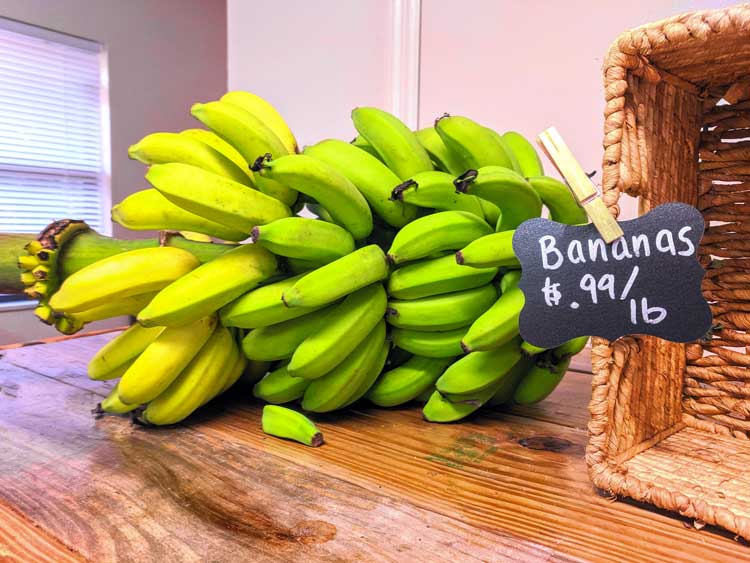
For those who prefer a more casual exploration, Florida’s numerous farmers’ markets are treasure troves of local produce, including a diverse array of bananas. From the vibrant markets in Miami and Fort Myers to those in Naples, West Palm Beach, Sarasota, and St. Petersburg, these weekly gatherings are bustling hubs of local culture and culinary delights.
At these markets, visitors can directly interact with growers, learn about the specific varieties they offer, and often sample fruits before purchasing. This direct-to-consumer model ensures freshness and supports local farmers, while also providing tourists with an authentic taste of Florida’s agricultural bounty. Beyond fresh fruit, some vendors might offer banana-based products like banana bread, chips, or even homemade banana jams and chutneys, showcasing the versatility of the fruit in local cuisine. Visiting a farmers’ market is not just about shopping; it’s a sensory experience, a chance to mingle with locals, and an opportunity to truly immerse oneself in the community’s food traditions.
Culinary Delights: Bananas in Florida Cuisine
The presence of locally grown bananas significantly influences Florida’s culinary landscape, adding a distinct tropical flair to various dishes. For tourists, this translates into exciting opportunities to explore unique flavors and food experiences that go beyond the typical Florida seafood or citrus stereotypes.
Local Dishes and Innovations
While bananas might not be the central ingredient in a specific “Florida dish” in the same way key lime pie defines Key West, their local availability inspires chefs and home cooks alike. In South Florida, influenced by strong Caribbean and Latin American cultural ties, plantains (a starchy cousin to the sweet banana) are a staple, often fried, mashed, or baked into savory dishes. Sweet bananas, however, find their way into a myriad of preparations, from breakfast items to desserts.
- Desserts: Beyond traditional banana bread and muffins, Florida restaurants and bakeries might offer innovative banana puddings, banana tarts, or even gourmet banana splits featuring locally sourced varieties. The unique taste of an Ice Cream Banana or a tangy Manzano can elevate simple desserts into memorable culinary experiences.
- Smoothies and Drinks: Given Florida’s warm climate, fresh fruit smoothies are popular, and locally grown bananas are often a key ingredient, blended with other tropical fruits like mangoes, papayas, and pineapples.
- Savory Applications: More adventurous chefs might incorporate bananas into savory dishes, perhaps in chutneys to accompany grilled fish or poultry, or as a sweet counterpoint in certain stews, drawing inspiration from global cuisines.
- Food Festivals: Keep an eye out for local food festivals, especially in South Florida. While not always banana-specific, tropical fruit festivals often feature local bananas prominently, showcasing their versatility through various culinary creations.
Nutritional Value and Health Benefits for Travelers
For health-conscious travelers, locally grown Florida bananas offer a convenient and nutritious snack. Bananas are renowned for being an excellent source of potassium, which is crucial for maintaining fluid balance and muscle function, especially important in Florida’s humid climate where hydration is key. They also provide dietary fiber, vitamins C and B6, and manganese.
Incorporating fresh, locally sourced bananas into a travel diet can help sustain energy levels for exploring attractions, aid digestion, and provide essential nutrients to combat travel fatigue. Picking up a bunch of unique Florida bananas at a roadside stand or farmers’ market offers a healthy and authentic alternative to processed snacks, enhancing both the gastronomic and wellness aspects of a trip.
Planning Your Banana-Inspired Florida Journey
For travelers keen on experiencing Florida’s banana culture firsthand, strategic planning can enhance the journey. Knowing where and when to look can turn a casual interest into an engaging exploration of the state’s vibrant tropical fruit scene.
Best Regions for Banana Sightings
As established, South Florida is the prime location for banana cultivation due to its truly tropical climate.
- Miami-Dade County (especially the Redlands and Homestead areas): This region is the epicenter of tropical fruit farming in Florida. Visitors can find numerous farms offering tours, roadside stands, and well-stocked farmers’ markets.
- Florida Keys: From Key Largo down to Key West, you’ll encounter banana plants thriving in backyard gardens and small plots, often sold by local vendors.
- Southwest Florida (e.g., Naples, Fort Myers): These areas also offer favorable conditions, and local markets are good places to find regional produce.
While central and northern Florida (such as Tampa, Orlando, Gainesville, or Jacksonville) might have occasional growers, the consistency and diversity of banana cultivation are significantly higher in the southern counties. Even in these colder regions, historical sites or botanical gardens might showcase banana plants, though perhaps not for commercial harvest. For instance, gardens in St. Augustine might feature ornamental varieties.
Seasonal Considerations
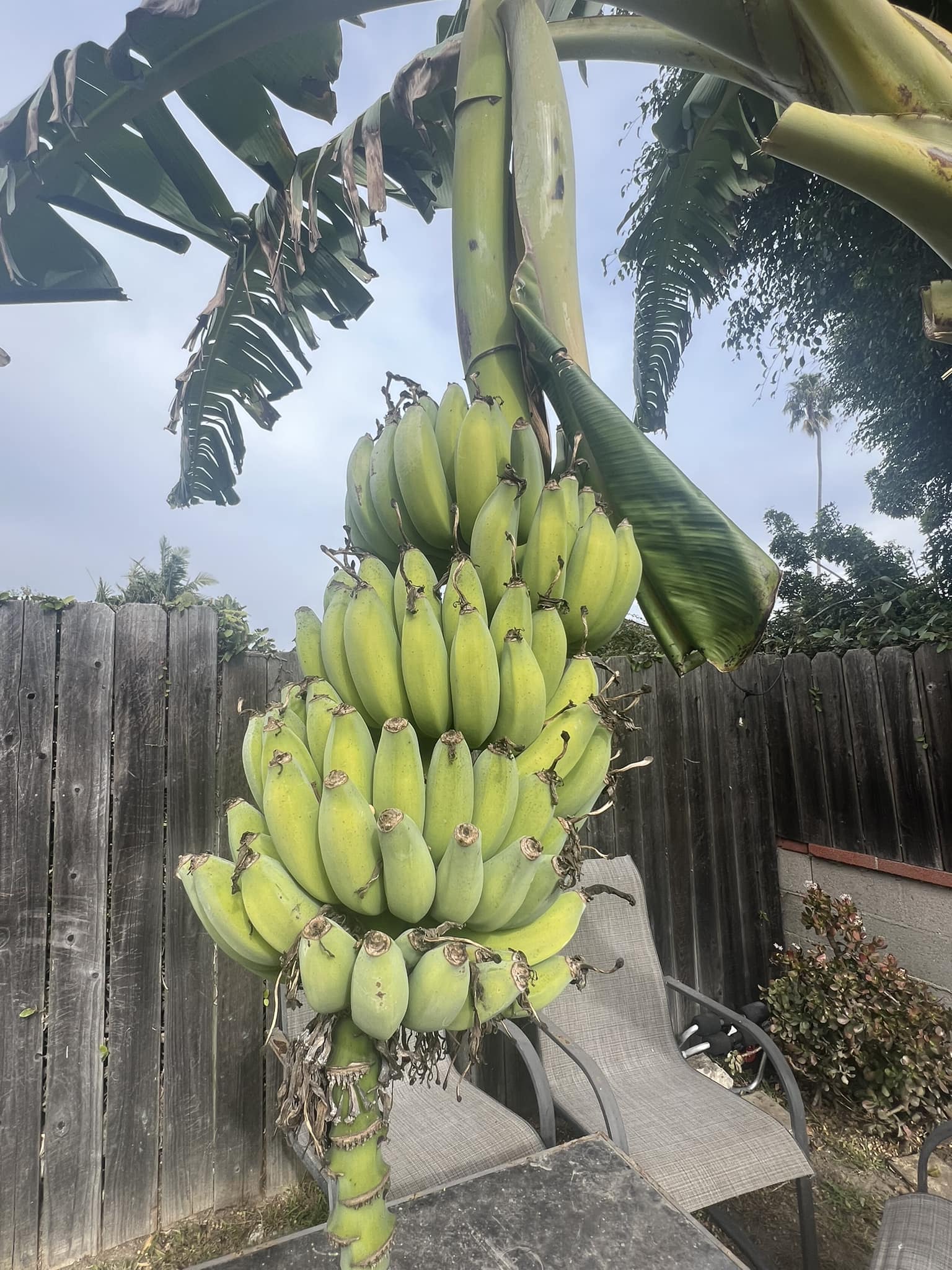
Bananas typically produce fruit year-round in truly tropical climates, but peak seasons can vary slightly depending on the variety and specific microclimate. In Florida, while you can find bananas throughout the year, the summer and fall months (roughly July through November) often see the most prolific production and widest variety available. This aligns with Florida’s rainy season, which provides ample water for the fruit’s development.
Visiting during these months increases the likelihood of finding a bountiful selection at farmers’ markets and experiencing farms in full production. However, it’s also worth noting that this period coincides with hurricane season, a factor to consider when planning travel. Spring (March to May) also offers pleasant weather and a good chance to find some banana varieties, along with a host of other ripening tropical fruits. A quick check of local farm websites or market schedules before a visit can confirm availability.
In conclusion, the answer to “Do bananas grow in Florida?” is an emphatic yes, presenting a delightful opportunity for travelers to delve into the state’s local food, culture, and unique agricultural heritage. From exploring diverse varieties on sun-drenched farms to savoring unique culinary creations at bustling markets, the humble banana offers an unexpected and engaging dimension to any Florida vacation, making it more insightful, delicious, and deeply connected to the local spirit.
LifeOutOfTheBox is a participant in the Amazon Services LLC Associates Program, an affiliate advertising program designed to provide a means for sites to earn advertising fees by advertising and linking to Amazon.com. Amazon, the Amazon logo, AmazonSupply, and the AmazonSupply logo are trademarks of Amazon.com, Inc. or its affiliates. As an Amazon Associate we earn affiliate commissions from qualifying purchases.