
The allure of the elusive Black Panther has long captured the imagination, especially in a state as biodiverse and wild as Florida. When considering the rich tapestry of Florida’s natural wonders, one often wonders about the presence of apex predators. The question “Do Black Panthers Live in Florida?” delves into the fascinating intersection of wildlife, conservation, and the wild spaces that still define parts of the Sunshine State. This exploration aims to unravel the truth behind these magnificent creatures and their place within Florida’s ecosystems, focusing on the natural landscapes and wildlife that make the state a unique destination.

Understanding the Florida Panther
The Florida Panther (Puma concolor coryi) is a critically endangered subspecies of puma that is native to Florida. While the term “Black Panther” often conjures images of a melanistic (black-colored) jaguar or leopard, the Florida Panther is not known to be black. Instead, its coat is typically tawny or grayish-brown, with lighter fur on its underparts. Melanism, the genetic mutation that causes black fur in big cats, is extremely rare in the Florida Panther population. Historically, reports of black panthers in Florida are often attributed to misidentification of other dark-colored animals or the lingering legend of a black cat that may have once existed but is not currently documented.
The Scientific Classification and Characteristics
The Florida Panther is the only panther subspecies found east of the Mississippi River and is one of the most endangered mammals in the United States. Genetic studies have revealed that its lineage traces back to a population from Central or South America, which likely interbred with native cougar populations centuries ago. This genetic bottleneck has led to significant health issues within the species, including reproductive problems and heart defects. Efforts to introduce panthers from Texas in the 1990s proved crucial in bolstering the genetic diversity of the Florida Panther population and improving their overall health.
Physical Description and Behavior
Adult Florida Panthers are large cats, with males typically weighing between 60 and 150 pounds and females weighing between 50 and 100 pounds. They possess a long body, a long tail, and powerful limbs, adapted for stalking prey in dense vegetation. Their diet primarily consists of white-tailed deer, but they also prey on raccoons, armadillos, and other small mammals. These solitary and elusive animals are primarily nocturnal, making them incredibly difficult to spot in the wild. Their territories can span vast areas, and they require extensive, undisturbed wilderness to thrive.
Where Can Florida Panthers Be Found?
The remaining wild populations of Florida Panthers are concentrated in the southwestern region of the state, primarily within the vast wilderness of the Everglades and the Big Cypress National Preserve. These protected areas offer the dense forests, swamps, and prairies that the panthers need for hunting, breeding, and raising their young. However, their habitat is under constant threat from human development, road construction, and agricultural expansion, which fragments their territories and limits their ability to roam freely.
Key Habitat Areas
- Everglades National Park: This iconic National Park in south Florida serves as a critical stronghold for the Florida Panther. Its vast wetlands and diverse ecosystems provide ample prey and cover for these elusive felines. Visitors to the Everglades might have a rare opportunity to spot a panther, though sightings are uncommon due to their shy nature.
- Big Cypress National Preserve: Adjacent to the Everglades, the Big Cypress National Preserve offers another vital expanse of wilderness essential for panther survival. This preserve encompasses a significant portion of the panther’s remaining habitat, supporting a healthy population of deer and other prey species.
- Arthur R. Marshall Loxahatchee National Wildlife Refuge: This refuge, though smaller, plays a role in providing corridor habitat and foraging grounds for panthers moving between larger protected areas.
- Private Lands and Wildlife Corridors: Beyond the major preserves, panthers also utilize private lands, particularly in the rural areas surrounding established habitats. The establishment and maintenance of wildlife corridors are crucial for connecting fragmented habitats and allowing panthers to move safely between different areas, expanding their range and reducing inbreeding.
Challenges of Habitat Fragmentation
The expansion of human populations and development in Florida has led to significant habitat fragmentation. Roads, urban sprawl, and agricultural development cut through panther territories, creating dangerous obstacles and isolating populations. This fragmentation makes it difficult for panthers to find mates, access prey, and establish new territories, contributing to their endangered status. Conservation efforts are increasingly focused on protecting and restoring these vital wildlife corridors to ensure the long-term survival of the species.
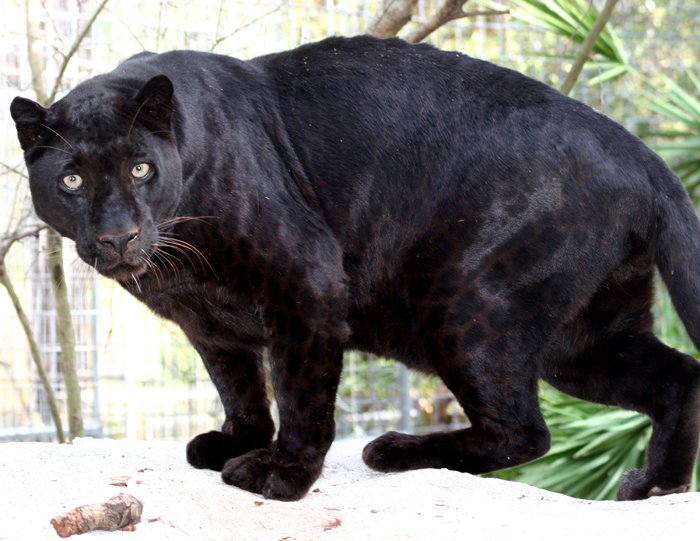
The Myth of the “Black Panther” in Florida
The persistent notion of a “black panther” inhabiting Florida is a fascinating element of local folklore. While the Florida Panther itself is not black, these legends likely stem from several sources. One possibility is the misidentification of other dark-colored animals. For instance, large domestic cats, known as “black cats” or sometimes referred to as “panthers” colloquially, can be found in rural areas. Additionally, sometimes the American black bear, particularly in dimmer light or from a distance, might be mistaken for a large, dark cat.
Historical Accounts and Folklore
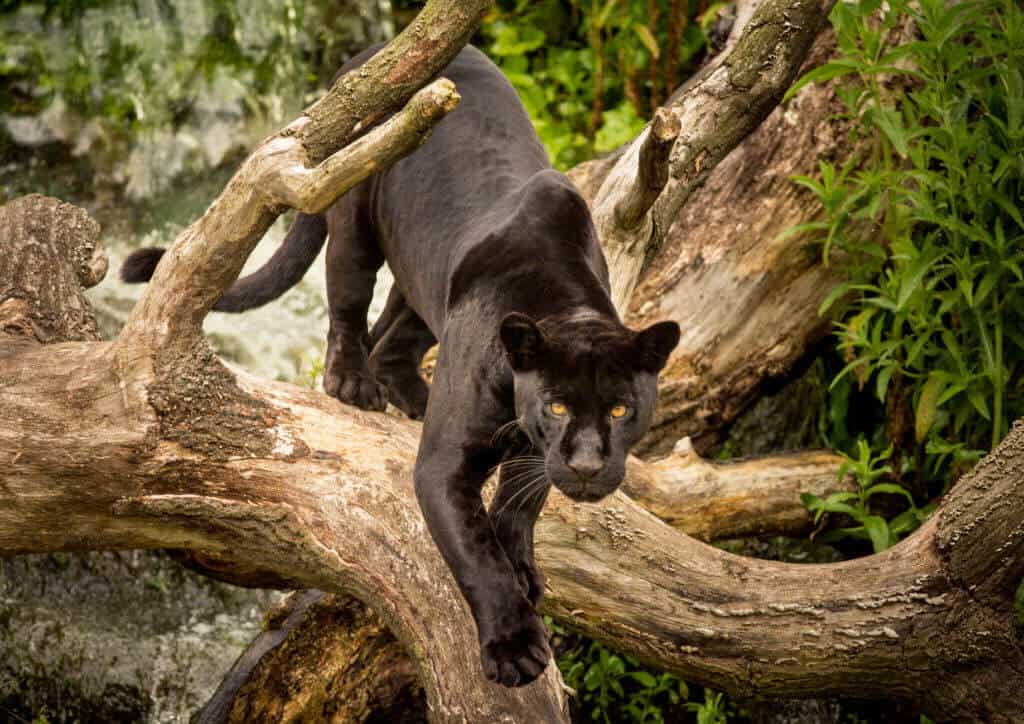
Throughout Florida’s history, there have been numerous anecdotal reports and local tales of sighting black panthers. These stories, passed down through generations, often contribute to the enduring mystique surrounding these creatures. It’s plausible that some of these accounts might have originated from observations of melanistic jaguars that historically ranged into southern Texas and possibly further east before their range retracted, or perhaps from stray domestic animals.
Scientific Evidence and Conservation
Despite extensive surveys and camera trapping efforts by wildlife biologists and conservation organizations like the Florida Fish and Wildlife Conservation Commission, there is no definitive scientific evidence to support the existence of a breeding population of melanistic panthers in Florida. The focus of conservation efforts remains on the protection and recovery of the tawny-colored Florida Panther. Understanding the difference between the scientifically recognized Florida Panther and the mythical “black panther” is crucial for effective conservation strategies and for educating the public about the real wildlife challenges facing the state.
Conservation Efforts and the Future of the Florida Panther
The survival of the Florida Panther hinges on dedicated conservation efforts. Years of dedicated work by scientists, wildlife managers, and conservationists have been instrumental in preventing the extinction of this iconic species. These efforts encompass habitat protection, the establishment of wildlife corridors, public awareness campaigns, and ongoing research into panther health and behavior.
Protecting and Restoring Habitat
A primary goal of Florida Panther conservation is the protection and restoration of its habitat. This involves acquiring and preserving large tracts of undeveloped land, managing these areas to provide suitable conditions for panthers and their prey, and mitigating the impacts of human development. Creating and maintaining wildlife corridors is also paramount, allowing panthers to move safely between isolated habitat patches, which is vital for genetic diversity and population health.
Combating Threats
The Florida Panther faces numerous threats, including habitat loss and fragmentation, vehicle collisions, and disease. Conservationists work to reduce these threats through initiatives such as wildlife crossings over highways, public education to discourage feeding or approaching panthers, and research into diseases that affect the population. The reintroduction of panthers from Texas in the 1990s was a critical step in improving the genetic health of the population, leading to a notable increase in their numbers and a reduction in birth defects.
Public Awareness and Support
Engaging the public is essential for the long-term success of Florida Panther conservation. Educating communities about the importance of the panther and its role in the ecosystem, as well as the threats it faces, fosters support for conservation initiatives. Many organizations and state agencies actively promote awareness through interpretive programs, volunteer opportunities, and accessible information about the species. By understanding the true nature and plight of the Florida Panther, residents and visitors alike can contribute to its survival and ensure that these magnificent wild cats continue to roam the unique landscapes of Florida.
LifeOutOfTheBox is a participant in the Amazon Services LLC Associates Program, an affiliate advertising program designed to provide a means for sites to earn advertising fees by advertising and linking to Amazon.com. Amazon, the Amazon logo, AmazonSupply, and the AmazonSupply logo are trademarks of Amazon.com, Inc. or its affiliates. As an Amazon Associate we earn affiliate commissions from qualifying purchases.