
Travelers planning a trip to the Golden State often have questions about local wildlife, and a common concern that surfaces is the presence of potentially dangerous spiders. Among these, the brown recluse spider (Loxosceles reclusa) frequently comes up, often fueled by sensationalized media or widespread misinformation. Understanding the facts is crucial for peace of mind and accurate health preparedness when exploring California’s diverse landscapes, from its bustling cities to its tranquil natural parks.
Dispelling the Myth: Brown Recluses and the Golden State
The short, reassuring answer for anyone wondering if the notorious brown recluse spider lives in California is a resounding no, with extremely rare and isolated exceptions not relevant to established populations. The true brown recluse spider, Loxosceles reclusa, is not native to and does not have established populations in California. Its natural habitat primarily spans the Midwest and south-central United States, covering states like Missouri, Arkansas, Kansas, and parts of Texas, Oklahoma, and Tennessee. Any reports of L. reclusa in California are almost invariably cases of misidentification, a spider being transported inadvertently from its native range, or a misdiagnosis of a skin lesion.
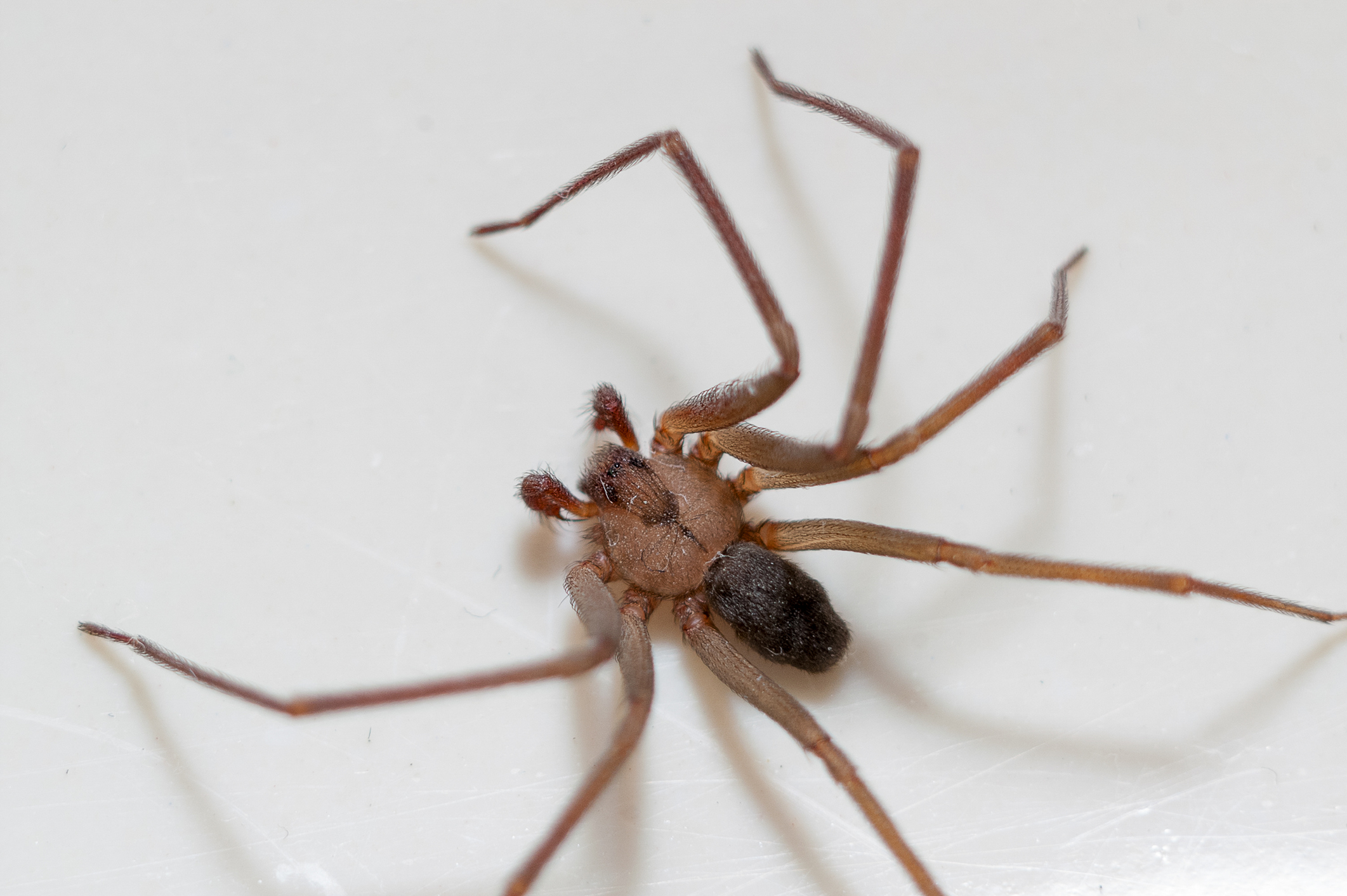
The misconception is pervasive, leading many residents and tourists to believe they’ve encountered a brown recluse. This often stems from the spider’s notorious reputation and the commonality of harmless spiders that share some superficial characteristics. Many native California spiders, such as the Desert Recluse or common house spiders, are frequently misidentified. Furthermore, many skin conditions, including bacterial infections, allergic reactions, and other insect bites, are often mistakenly attributed to recluse spider bites, even in areas where the spiders are not present. Reputable entomologists and arachnologists in California consistently affirm that while other recluse species exist, the Loxosceles reclusa is not a concern for visitors or residents of the state. Travelers can rest assured that a direct encounter with the true brown recluse spider during their California adventures is exceptionally improbable.
Understanding California’s Native and Introduced Recluse Species
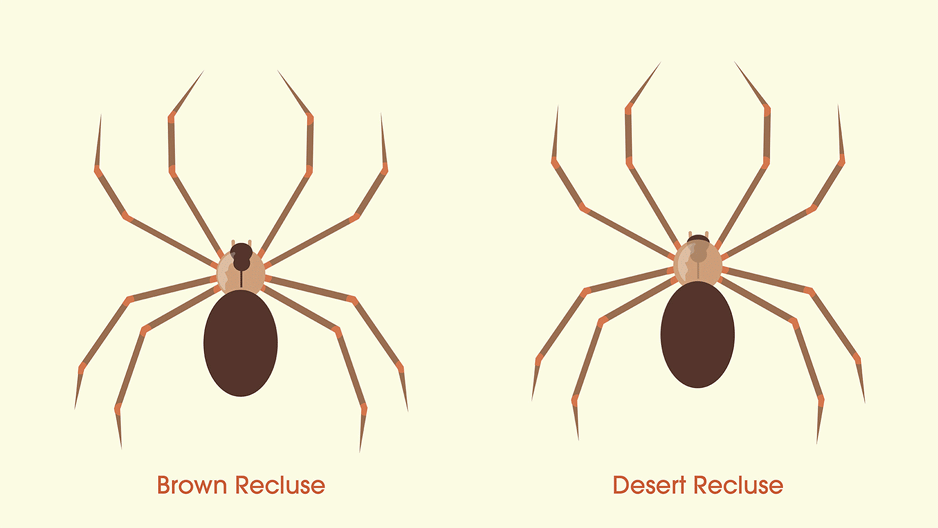
While the notorious Loxosceles reclusa is absent, California is home to its own species of recluse spiders that belong to the same genus, Loxosceles. The most common native recluse in California is the Desert Recluse (Loxosceles deserta). As its name suggests, this spider is typically found in the desert and semi-arid regions of Southern California, extending into neighboring states. Like its infamous cousin, the Desert Recluse possesses the characteristic “fiddle” or “violin” shaped marking on its cephalothorax (the combined head and thorax). However, this marking can be faint or absent, making identification challenging for the untrained eye. These spiders are reclusive, nocturnal, and prefer undisturbed, dark, dry places such as woodpiles, sheds, and beneath rocks. Their bites are rare and, while medically significant, are generally less severe than those often attributed to the brown recluse, rarely leading to widespread tissue necrosis.
Another recluse species found in certain urban areas of California, particularly in densely populated regions like Los Angeles and San Francisco, is the Chilean Recluse (Loxosceles laeta). This species is not native to the United States but was introduced from South America. The Chilean Recluse is larger than the Desert Recluse and is considered to have a more potent venom, although bites are still uncommon. It is also a shy, nocturnal spider, typically found indoors in quiet, cluttered areas of homes and buildings. Despite the potential for a more severe reaction, bites are still rare, and the vast majority of people bitten experience only minor symptoms. For travelers, understanding that these spiders are typically shy and avoid human contact is key. The risk of encountering one, let alone being bitten, is very low, especially with basic precautions. Focusing on general spider awareness rather than specific species identification is more practical and effective for tourists.
Practical Tips for Travelers: Identifying and Avoiding Spider Encounters
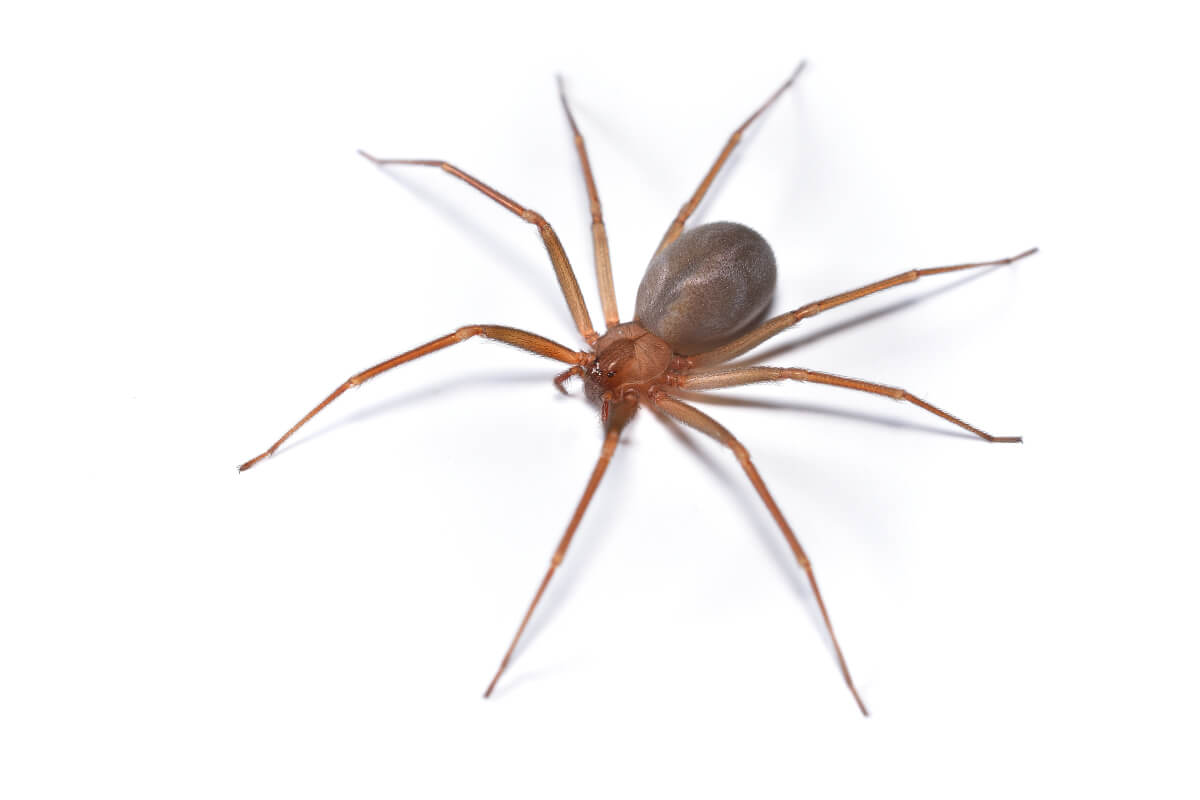
For tourists exploring California, from the coastal beaches to the desert trails, general awareness and simple precautions are more valuable than trying to identify specific spider species. While the risk of a dangerous spider bite is low, especially from a recluse, knowing how to minimize encounters contributes to a safer and more enjoyable trip.
Here are some practical tips:
- Check Your Belongings: Before putting on shoes, clothes, or gloves, especially items that have been left outdoors or in storage areas, give them a good shake. Spiders love dark, undisturbed places, and your footwear can be an inviting hideaway.
- Inspect Your Sleeping Area: If camping or staying in rustic accommodations, quickly inspect your sleeping bag, sheets, or cot before use. A quick visual check can prevent an unwelcome surprise.
- Be Mindful in Storage Areas: When exploring cabins, sheds, or other storage spaces, whether in a rental or campsite, exercise caution. These areas are often prime habitats for spiders. Wear gloves if you’re moving firewood, boxes, or other items that have been untouched for a while.
- Seal Luggage: Keep your luggage zipped or closed when not in use to prevent spiders or other insects from finding their way inside.
- Shake Out Towels and Blankets: Especially if they have been left on the ground or in open areas, shake out towels, picnic blankets, or camping gear before using them.
- Wear Appropriate Attire: When hiking, gardening, or exploring natural areas, wear long pants, long-sleeved shirts, and closed-toe shoes to provide a physical barrier against potential bites.
- Avoid Poking and Prodding: Resist the urge to poke into dark crevices or disturb spider webs. If you see a spider, it’s best to leave it alone. Most spiders are not aggressive and will only bite if they feel threatened or are accidentally pressed against the skin.
- Understand General Spider Behavior: Most spiders are nocturnal and prefer solitude. They are more likely to be found in undisturbed areas like garages, attics, basements, woodpiles, and leaf litter. Being aware of these common habitats can help you avoid them.
Remember, the vast majority of spiders encountered in California are harmless and play a vital role in the ecosystem by controlling insect populations. Common species like orb-weaver spiders, wolf spiders, and jumping spiders are frequently seen but pose no threat to humans. Even the more notorious spiders like the Black Widow, while venomous, are typically shy and bites are rare, usually occurring only when they are accidentally disturbed.
What to Do in Case of a Suspected Spider Bite While Traveling
Even with the low risk, it’s prudent for any traveler to know the appropriate steps to take if they suspect they have been bitten by a spider. Prompt and correct first aid can minimize discomfort and prevent complications, regardless of the spider species involved.
Here’s what to do:
- Clean the Bite Area: Wash the bite site thoroughly with soap and water to prevent secondary infection.
- Apply a Cold Compress: Place a cold compress or ice pack (wrapped in cloth) on the bite for 10-20 minutes at a time, several times a day. This can help reduce swelling and pain.
- Elevate the Affected Limb: If the bite is on an arm or leg, elevate the limb to help reduce swelling.
- Pain Relief: Over-the-counter pain relievers such as ibuprofen or acetaminophen can help manage discomfort. Antihistamines may also be useful for reducing itching and allergic reactions.
- Monitor the Bite: Keep a close eye on the bite area for any changes. Look for signs of worsening redness, increased pain, swelling, pus, or a spreading rash.
- Seek Medical Attention When Necessary: While most spider bites are harmless and heal on their own, it’s important to see a doctor if:
- The bite appears to be worsening or not healing.
- You develop a fever, body aches, chills, or nausea.
- You suspect a bite from a black widow spider (which can be found in California and has a distinctive red hourglass marking on its abdomen).
- The person bitten is a child, elderly, or has a compromised immune system.
- Try to Identify the Spider (If Safe): If possible and safe to do so, try to capture the spider or take a clear photograph of it. This can be very helpful for medical professionals in determining the appropriate treatment, especially if they need to rule out more serious bites. However, do not put yourself at risk of another bite to capture the spider.
It’s important to remember that many skin conditions, bug bites, and infections are often misdiagnosed as spider bites. A medical professional will be able to provide an accurate diagnosis and treatment plan. By following these practical tips, travelers can confidently enjoy all the beauty and excitement that California has to offer, without undue worry about brown recluse spiders.
LifeOutOfTheBox is a participant in the Amazon Services LLC Associates Program, an affiliate advertising program designed to provide a means for sites to earn advertising fees by advertising and linking to Amazon.com. Amazon, the Amazon logo, AmazonSupply, and the AmazonSupply logo are trademarks of Amazon.com, Inc. or its affiliates. As an Amazon Associate we earn affiliate commissions from qualifying purchases.