
The vibrant, unmistakable silhouette of a flamingo is often synonymous with tropical paradises. Their striking pink plumage and elegant, curved necks evoke images of sun-drenched shores and exotic locales. Given the Sunshine State’s allure for both tourists and wildlife, it’s a natural question to ask: do flamingos live in Florida? The answer, perhaps surprisingly, is not a simple yes or no, but rather a nuanced exploration of their history, presence, and the factors that influence their residency in this unique American state.
Florida’s diverse ecosystems, from the mangrove-lined coasts of the Southwest to the vast wetlands of the Everglades, certainly possess the characteristics that would appeal to these magnificent wading birds. Yet, their historical and current presence is more complex than a permanent population residing year-round. Understanding this requires delving into the fascinating biology of flamingos, their migratory patterns (or lack thereof in some cases), and the delicate balance of their habitats.

This article will navigate through the captivating world of flamingos in Florida, exploring their historical presence, identifying the species most likely to be encountered, and pinpointing the prime locations for a chance sighting. We’ll also consider the conservation efforts underway to protect these charismatic birds and their crucial habitats, offering insights for travelers hoping to witness them in their natural Florida setting.
A Feathered Past: The Historical Presence of Flamingos in Florida
The notion of flamingos gracing the skies and waterways of Florida is not a new one. In fact, historical records and anecdotal evidence suggest that flamingos were once a more common sight in the region. The Greater Flamingo, scientifically known as Phoenicopterus ruber, is the species historically associated with southern Florida, particularly the Florida Keys and the coastal areas.
These magnificent birds, with their distinctive rose-pink feathers, are not native to the continental United States in the same way that, for instance, alligators or manatees are. Their primary natural range extends across the Caribbean, parts of South America, and the Galapagos Islands. However, the southern tip of Florida, with its shallow saltwater lagoons and abundant food sources, presented an ideal environment that overlapped with their broader migratory and dispersal patterns.
The decline in their historical numbers in Florida is attributed to a combination of factors, including overhunting for their feathers and meat in the late 19th and early 20th centuries, and habitat degradation. The burgeoning tourism industry and development also played a role in altering the delicate ecosystems they relied upon. For a period, sightings became exceptionally rare, leading many to believe that flamingos had been permanently lost to the state’s wildlife tapestry.
However, the story of flamingos in Florida is one of resilience and occasional resurgence. While they may not form large, established breeding colonies like in some parts of the Caribbean, their presence has never entirely vanished. Instead, it has become characterized by sporadic appearances, often driven by weather events or dispersal from nearby populations.
The Cuban Flamingo Connection
A significant portion of the flamingos that have historically visited or resided in Florida are believed to originate from the Cuban population. The proximity of southern Florida to Cuba, coupled with favorable wind and water currents, facilitates the occasional movement of these birds across the Straits of Florida.
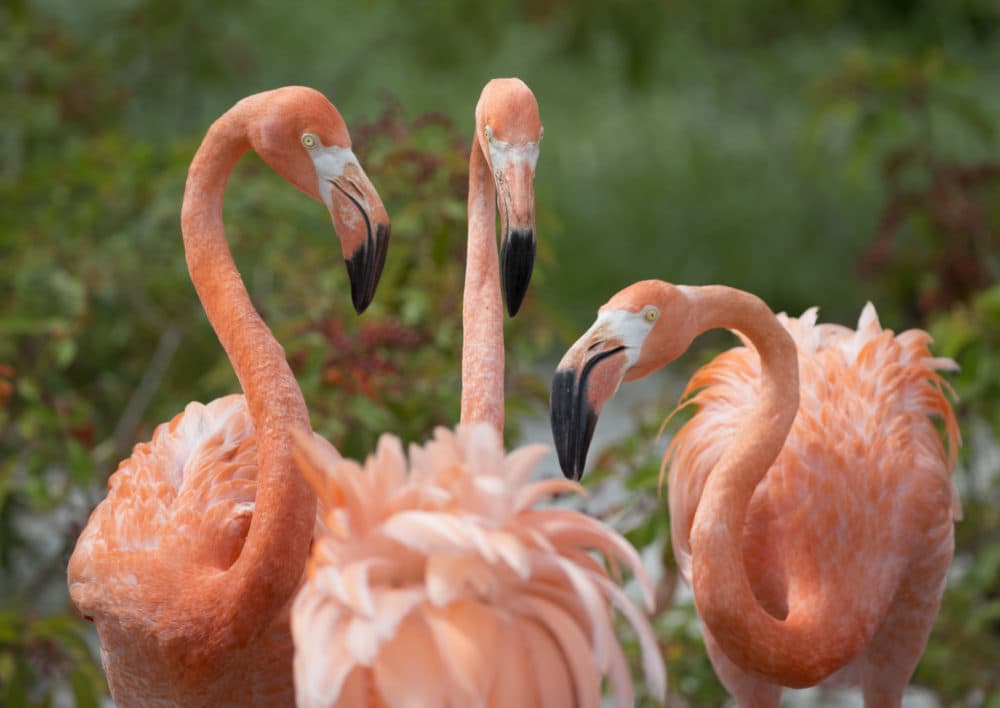
The Greater Flamingo, also known as the American Flamingo, is the species most frequently implicated in these Florida appearances. These are the iconic, brightly colored flamingos that most people envision. Their presence in Florida is not indicative of a self-sustaining, resident breeding population as one might find on islands like Bonaire or in the Yucatán Peninsula. Instead, their visits are often the result of young birds dispersing from their natal colonies in search of suitable feeding grounds, or adults being blown off course by hurricanes and tropical storms.
Spotting the Scarlet: Where to See Flamingos in Florida
While not as ubiquitous as the common ibis or egret, catching a glimpse of a flamingo in Florida is a memorable experience, and with a bit of knowledge and luck, it’s certainly achievable. The key is to know when and where to look. Flamingos are most often observed in shallow, saline or brackish waters where they can efficiently feed on the small invertebrates, algae, and seeds that contribute to their distinctive coloration.
The western coast of Florida, particularly the areas around the Everglades National Park and the coastal estuaries, are considered prime locations. These regions offer the extensive shallow wetlands and mangrove systems that provide both sustenance and shelter.
Prime Habitats and Locations
-
Everglades National Park: This vast wilderness is arguably the most significant area for flamingo sightings. Specifically, the coastal areas and the shallow bays within the park offer ideal feeding grounds. Rangers and park literature often provide the most up-to-date information on recent sightings. Patience is key, as the birds can be elusive, but the sheer expanse of suitable habitat increases your chances.
-
Florida Keys: While historically the Keys were a more regular habitat, flamingos still occasionally visit the shallow mudflats and lagoons. Areas like the National Key Deer Refuge on Big Pine Key can sometimes host these magnificent birds.
-
Southwest Florida Coast: The coastlines of counties like Collier and Lee offer numerous shallow bays, mangrove islands, and tidal flats. Places like Ten Thousand Islands National Wildlife Refuge provide excellent opportunities for observation, though often best viewed from a boat.
-
Tampa Bay Area: While less common, there have been occasional sightings in the shallow waters and protected areas around Tampa Bay.
The best time to spot flamingos often coincides with drier periods when shallow feeding areas are more concentrated, or after significant weather events that might push them into new locations. Early morning and late afternoon are generally considered the best times for wildlife viewing, as birds are typically more active.
It is crucial to observe these birds from a respectful distance and to avoid disturbing them. Their presence is a privilege, and responsible ecotourism ensures their continued visits.
The Flamingo’s Palette: Understanding Their Coloration and Diet
The striking pink or reddish hue of flamingos is not innate but is derived entirely from their diet. This remarkable biological adaptation is a testament to the intricate relationship between diet and coloration in the animal kingdom. The vibrant pigments, known as carotenoids, are found in the algae, brine shrimp, and small crustaceans that make up the flamingo’s primary food sources.
When flamingos consume these organisms, their digestive systems break down the carotenoids, which are then absorbed and deposited into their feathers, skin, and legs. The intensity of the color directly correlates with the quantity and type of carotenoid-rich food they ingest. Flamingos that consume more of these pigmented organisms will display a richer, deeper pink or even a vibrant red, while those with a less varied or less pigmented diet might appear paler or more orangey.
This dietary dependency makes the health of Florida’s coastal ecosystems vital for the well-being of any visiting flamingos. The presence of a robust food web, free from pollutants that could harm these organisms, is essential for maintaining the birds’ health and their characteristic vibrant coloration.
Feeding Habits and Specialized Beaks
Flamingos are filter feeders, possessing a unique and highly specialized beak adapted for sifting through mud and water to extract their food. Their large, down-turned beaks act like a sophisticated sieve. They scoop up water and mud, then use their thick, fleshy tongues to pump the water out through lamellae – comb-like structures lining their beaks. These lamellae trap the small food particles while allowing the water to escape.
Their feeding behavior is often done with their heads upside down, immersed in shallow water, a posture that can appear quite comical to an observer. This specialized feeding mechanism makes them highly dependent on shallow, productive aquatic environments. Their ability to thrive in these often saline and nutrient-rich waters is a key reason why areas like the Everglades are so critical for their sustenance.
Conservation and the Future of Flamingos in Florida
The presence of flamingos in Florida, while sometimes transient, underscores the importance of conservation efforts for the state’s unique wetland and coastal habitats. Protecting these areas is not just about preserving a beautiful landscape; it’s about safeguarding the intricate web of life that supports a diverse array of species, including our iconic pink visitors.
Organizations and governmental agencies are actively involved in monitoring wildlife populations and working to restore and protect critical habitats. The health of estuaries, the management of water quality, and the preservation of undeveloped coastal areas all play a crucial role in ensuring that Florida remains a viable stopover or feeding ground for species like the flamingo, even if they don’t establish permanent breeding colonies.

Threats and Protection
The primary threats to flamingos, both in Florida and their broader range, continue to be habitat loss and degradation, pollution, and in some regions, human disturbance. While direct hunting is less of an issue now, the cumulative impact of coastal development, agricultural runoff, and oil spills can severely damage the delicate ecosystems they depend on for survival.
Conservation efforts often focus on:
- Habitat Preservation: Protecting and restoring vital wetland and coastal areas, including mangrove forests and shallow bays.
- Water Quality Improvement: Reducing pollution from agricultural and urban sources that can harm the invertebrate populations flamingos feed on.
- Reducing Human Disturbance: Educating the public about responsible wildlife viewing practices and establishing protected zones where birds can feed and rest undisturbed.
- Monitoring and Research: Tracking flamingo populations and movements to better understand their needs and vulnerabilities.
While a large, resident breeding population of flamingos might not be a permanent fixture in Florida, their occasional presence is a powerful reminder of the interconnectedness of ecosystems and the importance of conservation. For travelers to the Sunshine State, a sighting of a flamingo is a truly special event, a fleeting moment of connection with a creature that embodies the wild beauty and vibrant spirit of this fascinating region. The hope is that through ongoing conservation initiatives, these magnificent birds will continue to grace Florida’s waters for generations to come.
LifeOutOfTheBox is a participant in the Amazon Services LLC Associates Program, an affiliate advertising program designed to provide a means for sites to earn advertising fees by advertising and linking to Amazon.com. Amazon, the Amazon logo, AmazonSupply, and the AmazonSupply logo are trademarks of Amazon.com, Inc. or its affiliates. As an Amazon Associate we earn affiliate commissions from qualifying purchases.