
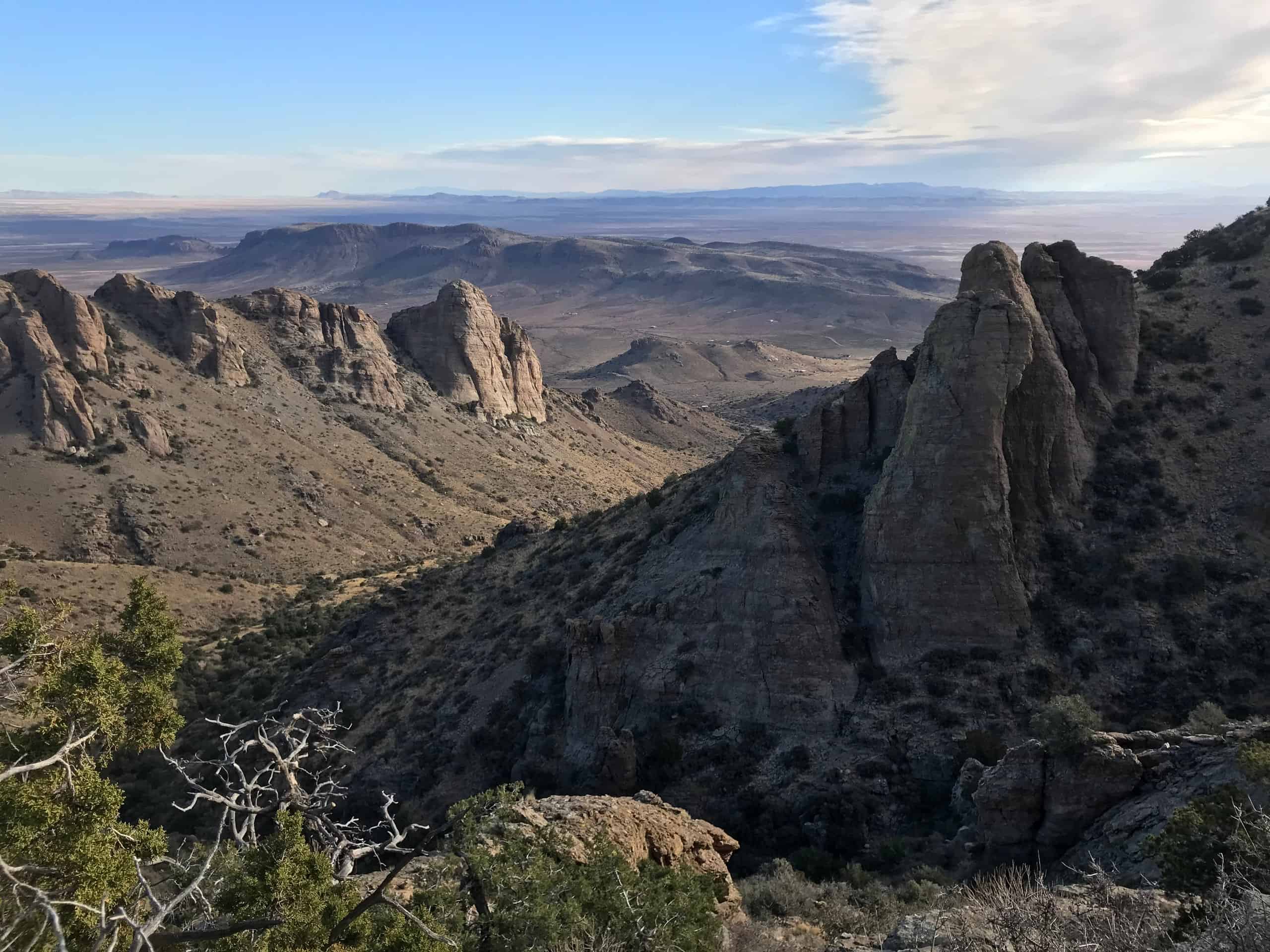
When one thinks of Florida, images of sun-drenched beaches, vibrant theme parks, and sprawling citrus groves often come to mind. It’s a state synonymous with warm weather, aquatic adventures, and a laid-back lifestyle. But nestled within this tropical paradise, a question might arise for the curious traveler: does Florida have mountains? The answer, while not a straightforward “yes” in the traditional sense, leads to a fascinating exploration of the state’s unique topography and what constitutes “elevation” in the Sunshine State.
Florida’s geological makeup is famously flat. Unlike its mountainous neighbors such as North Carolina or Tennessee, the Sunshine State sits on a large peninsula formed by sediment deposited over millennia. This has resulted in a landscape characterized by low-lying plains, wetlands, and gentle undulations. However, to dismiss Florida entirely from any discussion of elevated terrain would be to overlook its subtle, yet significant, geographical features that can indeed provide a sense of climbing and a view from above.

The concept of “mountains” is often relative. While you won’t find snow-capped peaks or dramatic, jagged ranges in Florida, the state does possess areas of higher elevation that, in their own context, can be considered “mountains.” These are not geological formations born from tectonic uplift but rather from sedimentary rock formations and the natural contours of the land. For those seeking an escape from the flatness, understanding these elevated regions is key to discovering a different side of Florida tourism.
Exploring Florida’s Highest Points: Beyond the Beach
The notion of seeking out Florida’s highest points might sound oxymoronic to some, but for adventure enthusiasts and those who appreciate unique travel experiences, it offers a surprisingly engaging pursuit. While these elevations don’t rival the majestic Rockies or the Appalachians, they provide a distinct change of scenery and offer activities that are often overlooked by the typical tourist. These higher grounds are often characterized by rolling hills, sinkholes, and the dense, unique ecosystems that thrive in such environments.
The Pinnacle of Florida: Britton Hill and the Panhandle’s Undulating Landscape
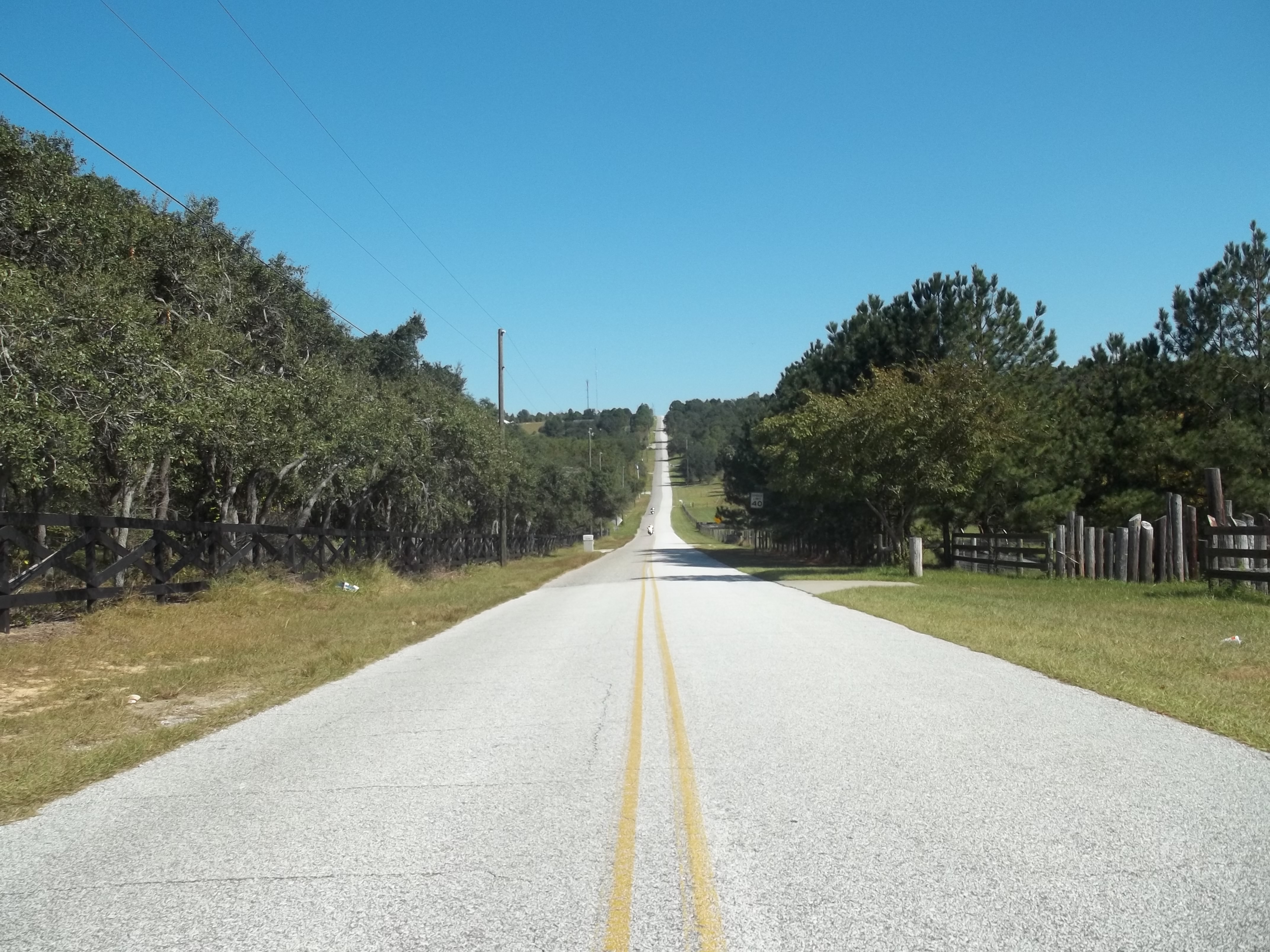
The undisputed highest natural point in Florida is Britton Hill, located in Holmes County in the Florida Panhandle. Standing at a modest 345 feet above sea level, Britton Hill may seem insignificant on a global scale, but it holds the title of Florida’s apex. This isn’t a mountain you’d climb with ropes and harnesses; rather, it’s a gently sloping area marked by a small sign and a pleasant grassy knoll. The journey to Britton Hill itself is part of the experience, winding through the relatively elevated and less populated landscape of the western Panhandle.
The surrounding area of Holmes County and neighboring counties like Jackson County and Washington County offer a surprisingly varied terrain. Here, the land rises and falls in a series of gentle hills and valleys. This elevation difference, though subtle, impacts the local flora and fauna, creating unique microclimates and supporting different plant communities than the coastal plains. For the intrepid traveler, exploring these areas can feel like discovering a hidden gem, a stark contrast to the flat expanse of much of the state. This region is perfect for those who enjoy road trips through scenic countryside, with opportunities for birdwatching and exploring small, charming towns.
The Lake Wales Ridge: A Sandstone Sanctuary
Further south, the Lake Wales Ridge presents another fascinating example of Florida’s elevated terrain. This ancient geological formation, composed of sand and sandstone, rises significantly above the surrounding flatlands, reaching elevations of up to 300 feet in some areas. Unlike the gently rolling hills of the Panhandle, the Lake Wales Ridge is characterized by more pronounced slopes and dramatic drop-offs, particularly around the many lakes that dot its landscape.
The Lake Wales Ridge is not only a geographical high point but also a biodiversity hotspot. Its sandy soils and varied elevations support unique ecosystems, including rare scrub habitats that are home to endangered species like the Florida scrub-jay. Several state parks and nature preserves are located along the ridge, offering opportunities for hiking, wildlife viewing, and a chance to experience a Florida that is far removed from the typical beach scene.
Highlands Hammock State Park, for instance, is located in this region and offers a network of trails that wind through ancient oak hammocks and cypress swamps, with sections providing elevated views of the surrounding natural beauty. For those staying in nearby cities like Lake Wales, the ridge offers a unique backdrop for exploring local culture and history, perhaps with a stay at a charming bed and breakfast that overlooks the undulating landscape. The contrast between the stark beauty of the scrub and the lushness of the hammocks makes for a captivating natural experience.
Beyond Natural Elevation: Man-Made Peaks and Elevated Views
While Florida may lack natural mountains, human ingenuity and the desire for elevated perspectives have created their own forms of “high points” that offer stunning vistas and unique attractions. These man-made structures and geological anomalies provide an alternative way to experience elevation and gain a new appreciation for the state’s geography.
Theme Park Towers and Observation Decks: Seeing Florida from Above
Orlando and the surrounding areas are renowned for their towering theme park attractions that offer panoramic views of the region. While the primary purpose of these structures is entertainment, they undeniably provide an elevated perspective that can be considered a form of experiencing “mountains.”
The Icon Orlando observation wheel offers breathtaking 360-degree views of the city and beyond. From its highest point, one can truly appreciate the vastness of Central Florida, spotting landmarks and the sprawling green expanses that stretch to the horizon. Similarly, some of the taller roller coasters at parks like Universal’s Islands of Adventure or Walt Disney World Resort provide thrilling ascents and descents that simulate a feeling of climbing and descending from significant heights, offering fleeting but exhilarating glimpses of the landscape from above.
Even in Miami, while predominantly coastal and flat, structures like the Sky Lounge at the Epic Hotel or various rooftop bars offer elevated experiences with stunning views of the cityscape and the Atlantic Ocean. These urban “peaks” provide a different kind of elevation, showcasing the dynamic blend of natural beauty and human development.
Sinkholes and Natural Formations: Earth’s Elevated Wonders
Florida’s unique geological makeup also includes sinkholes, some of which can create dramatic depressions in the landscape, effectively making the surrounding land appear elevated. While not mountains in the traditional sense, these natural formations can alter the topography significantly and offer unique natural wonders to explore.
The Florida Keys, while incredibly flat, are a testament to the underlying geological processes, with the islands themselves being remnants of coral reefs. The highest points here are barely a few feet above sea level, but the experience of being surrounded by the vast ocean and seeing the vibrant marine life from above (perhaps from a plane or a boat) offers a different kind of elevation.
For those interested in the state’s subterranean wonders, exploring areas known for sinkhole activity, like parts of Central Florida, can reveal impressive natural depressions. While it’s crucial to observe these from safe distances, they highlight the dynamic and often surprising nature of Florida’s natural landmarks.
Planning Your “Mountainous” Florida Adventure
For travelers who enjoy a diverse range of experiences, from the thrill of theme parks to the serenity of nature preserves, Florida offers a surprising array of options that go beyond its famous beaches. The quest for “mountains” in Florida leads to an appreciation for its subtle elevations, unique ecosystems, and the inventive ways Floridians and visitors alike find to experience the state from different perspectives.
When planning a trip to Florida, consider incorporating these elevated experiences into your itinerary. If you’re looking for a luxurious getaway with stunning views, consider resorts that are situated on higher ground or offer observation decks. For families, theme park attractions that provide aerial views can be a hit. For nature lovers, exploring the Lake Wales Ridge or the undulating landscapes of the Florida Panhandle offers a chance to connect with Florida’s natural beauty in a less-traveled way.
Whether you’re seeking the thrill of a panoramic vista from a skyscraper in Miami, the natural beauty of the Lake Wales Ridge, or the quiet elevation of Britton Hill, Florida offers a unique take on experiencing high ground. It’s a reminder that adventure and discovery can be found in unexpected places, and sometimes, the most rewarding journeys are those that challenge our preconceived notions of what a destination can offer. From the gentle slopes of the Panhandle to the impressive heights of man-made attractions, the Sunshine State provides a captivating landscape for those willing to look beyond the obvious.
LifeOutOfTheBox is a participant in the Amazon Services LLC Associates Program, an affiliate advertising program designed to provide a means for sites to earn advertising fees by advertising and linking to Amazon.com. Amazon, the Amazon logo, AmazonSupply, and the AmazonSupply logo are trademarks of Amazon.com, Inc. or its affiliates. As an Amazon Associate we earn affiliate commissions from qualifying purchases.