
Florida, often known as the Sunshine State, beckons millions each year with its pristine beaches, vibrant cities, and endless recreational opportunities. Whether you’re considering a move, planning an extended stay, or simply curious about the financial landscape, one fundamental question often arises: Does Florida have state taxes? The answer to this question profoundly impacts the lifestyle, budgeting, and financial planning for both residents and visitors alike. Understanding Florida’s unique tax structure is key to navigating the costs of living, working, and enjoying everything this popular state has to offer.
Unlike many other states, Florida stands out for its distinctive approach to taxation, particularly regarding individual income. This fiscal philosophy has shaped its economic development, attracted a diverse population, and influenced the overall cost of living and doing business within its borders. Delving into the specifics of sales tax, property tax, and other levies provides a clearer picture of what to expect financially, allowing for more informed lifestyle choices, whether you’re a snowbird, a young professional, a retiree, or a vacationer.
Understanding Florida’s Tax Landscape for Residents and Visitors
Florida’s tax system is notably different from many other U.S. states, a characteristic that plays a significant role in its appeal to individuals and businesses. This unique structure primarily relies on consumption and property-based taxes, rather than taxing individual earnings. Understanding these core components is essential for anyone looking to make Florida their home or a regular vacation spot.
The Absence of a State Income Tax
Perhaps the most significant and widely recognized feature of Florida’s tax landscape is the complete absence of a state individual income tax. This means that residents do not pay state taxes on their wages, salaries, investment income, or retirement benefits. For many, especially retirees and high-income earners from states with substantial income taxes, this represents a significant financial advantage. The extra disposable income can greatly enhance one’s lifestyle, allowing for more savings, greater investment opportunities, or simply more flexibility in discretionary spending. This policy has historically been a major driver in attracting new residents to the state, contributing to its continuous population growth and economic dynamism. The lack of a state income tax translates directly into a higher take-home pay for individuals, which can be a game-changer for budgeting and financial planning, whether you’re relocating your entire life or just considering a part-time residence.
Sales Tax: A Primary Revenue Driver
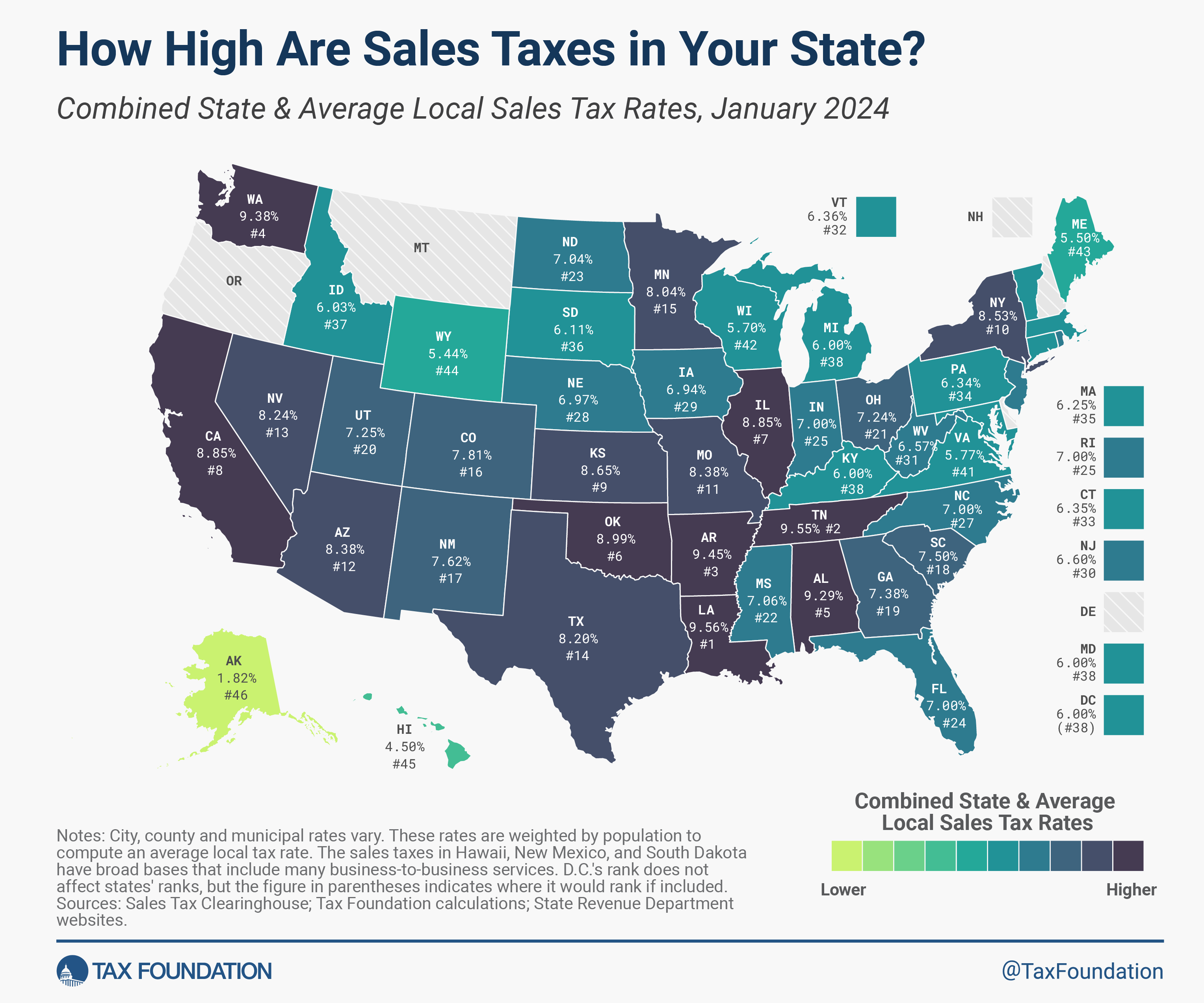
While individuals don’t pay state income tax, Florida makes up for this revenue through other means, primarily the sales tax. The statewide sales tax rate is 6%. However, many counties also levy a discretionary sales surtax, which can raise the combined sales tax rate to 7%, 7.5%, or even 8% in certain areas. This tax applies to the sale of most goods and services, including tangible personal property, restaurant meals, hotel stays, and various entertainment activities.
For consumers, this means that virtually every purchase, from groceries (though most unprepared food items are exempt) to clothing, electronics, and even a cup of coffee, will include this additional percentage. This impacts daily budgeting and purchasing power. For example, a significant purchase like a new car or furniture will incur a substantial sales tax. Tourists are also subject to this tax, affecting the total cost of their vacations, from souvenirs to dining out. Understanding the varying county surtaxes is also important, as the cost of the same item can differ slightly depending on where it’s purchased within the state. This system places a heavier tax burden on consumption, meaning those who spend more will generally contribute more to state revenues.
Property Taxes: Local Government’s Foundation
Property taxes are another cornerstone of Florida’s revenue system, primarily funding local governments, schools, and essential public services such as police and fire departments. These taxes are assessed on both real estate and tangible personal property (like business equipment). The amount of property tax an individual pays depends on the assessed value of their property and the millage rate set by local taxing authorities, which can vary significantly by county and municipality.
For homeowners, property taxes are a substantial annual expense, influencing decisions about where to live and the type of home to purchase. Florida does offer a Homestead Exemption for primary residences, which reduces the taxable value of a home by up to $50,000, thereby lowering the tax bill for permanent residents. This exemption is a critical component for many Floridians, especially those on fixed incomes, helping to make homeownership more affordable and sustainable. However, those purchasing second homes or investment properties will not benefit from the Homestead Exemption, meaning a higher effective tax rate. Understanding the nuances of property tax, including assessment methods and potential exemptions, is crucial for anyone considering buying property in Florida and is a major factor in long-term lifestyle planning.
How Florida’s Tax Structure Impacts Your Lifestyle
The distinctive tax environment in Florida profoundly shapes the lifestyle choices and financial realities for its residents and those considering a move. From daily expenditures to major investments, the state’s reliance on consumption and property taxes over income tax creates a unique economic landscape.
Budgeting for Everyday Living
For residents, the absence of a state income tax can lead to a feeling of greater financial freedom and more disposable income. This often translates into a higher standard of living or the ability to save more effectively. However, it’s crucial not to overlook the impact of Florida’s sales tax. While individual purchases might seem to incur a small additional cost, these add up over time. Groceries (non-prepared), medical services, and certain educational expenses are generally exempt, but almost everything else, from clothing to restaurant meals, is subject to sales tax. This means that a significant portion of an individual’s budget will implicitly contribute to state and local coffers through consumption.
When budgeting, residents must factor in that a larger share of their income might go towards goods and services than they would in a state with lower sales tax but higher income tax. For those who frequently dine out, enjoy shopping, or participate in various entertainment activities in cities like Orlando or Miami, the cumulative effect of sales tax can be substantial. This consumption-based model encourages careful spending and awareness of how often one makes taxable purchases.
Real Estate and Homeownership Considerations
Florida’s property tax system significantly influences decisions related to real estate and homeownership. While the Homestead Exemption offers a welcome relief for primary residents, the overall property tax rates can still be a significant factor, especially in desirable coastal areas or rapidly developing communities. For retirees looking to downsize or young families looking for their first home, understanding the millage rates in different counties and cities is paramount.
The appeal of no state income tax often encourages out-of-state buyers, particularly from higher-taxed regions, to invest in Florida real estate. This influx can drive up property values, which in turn can lead to higher property tax assessments. Property owners need to consider not just the purchase price but also the ongoing annual property tax burden, which can vary widely depending on location, property value, and available exemptions. Furthermore, for those who own vacation homes or investment properties, the lack of the Homestead Exemption means a higher annual tax liability, which must be carefully integrated into their financial planning and the overall profitability of the investment.
Business and Entrepreneurship in the Sunshine State
Florida’s tax policies are generally favorable for businesses, contributing to its reputation as a business-friendly state. The absence of a state individual income tax extends to many small business owners who operate as sole proprietors or pass-through entities, meaning their business income is taxed at the individual level. This can significantly reduce the tax burden compared to states with high individual income taxes.
The state also levies a corporate income tax, but with a relatively low rate and various exemptions, it remains attractive for many corporations. However, businesses must account for sales tax collection and remittance, as well as tangible personal property tax on their equipment and inventory. For entrepreneurs and small business owners, the overall tax environment can foster growth and profitability. The lower personal tax burden can attract skilled labor, while the state’s efforts to reduce regulatory hurdles further support a dynamic business landscape. This impacts not just the bottom line of businesses but also the economic opportunities and job growth that define a vibrant lifestyle for many Floridians.
The Economic Advantages and Disadvantages
Florida’s unique tax structure, while simplifying some aspects of personal finance, also presents a complex interplay of economic advantages and disadvantages that shape the state’s long-term growth and the daily lives of its inhabitants.
Attracting New Residents and Businesses

One of the most significant advantages of Florida’s tax policy, particularly the absence of a state income tax, is its powerful magnet effect. It consistently draws individuals, families, and businesses from across the United States, especially from high-tax states. For retirees, the ability to keep more of their pension and social security income is a major draw, contributing to Florida’s large senior population. For working professionals and high-net-worth individuals, the increased take-home pay can dramatically improve their financial standing and quality of life.
This influx of people contributes to a growing workforce, a robust housing market, and increased consumer spending, all of which fuel economic expansion. Businesses, in turn, are attracted by the potential for lower operating costs (due to no state income tax for many business owners and a moderate corporate tax for others) and access to a growing customer base. This creates a positive feedback loop: more residents lead to more businesses, which in turn create more jobs and economic opportunities, enriching the lifestyle offerings across the state. Cities like Tampa have seen significant growth in recent years due to these factors.
Funding Public Services and Infrastructure
The primary challenge arising from the absence of a state income tax is how to adequately fund public services and infrastructure. Without a broad-based income tax, the state relies heavily on sales tax, property tax, and various fees to generate revenue. This model can make state finances more susceptible to economic downturns, as consumer spending and property values can fluctuate. During recessions, a drop in sales tax revenue can strain state budgets, potentially impacting the funding available for education, healthcare, transportation, and other essential services that contribute to quality of life.
Maintaining and expanding infrastructure to support Florida’s rapidly growing population is a continuous challenge. Roads, bridges, schools, and public utilities all require substantial investment. While property taxes largely fund local services, the state government must find ways to fund statewide initiatives. This often leads to increased scrutiny on how existing revenues are allocated and sometimes necessitates the consideration of new fees or targeted taxes to meet specific needs.
The Impact on Different Income Brackets
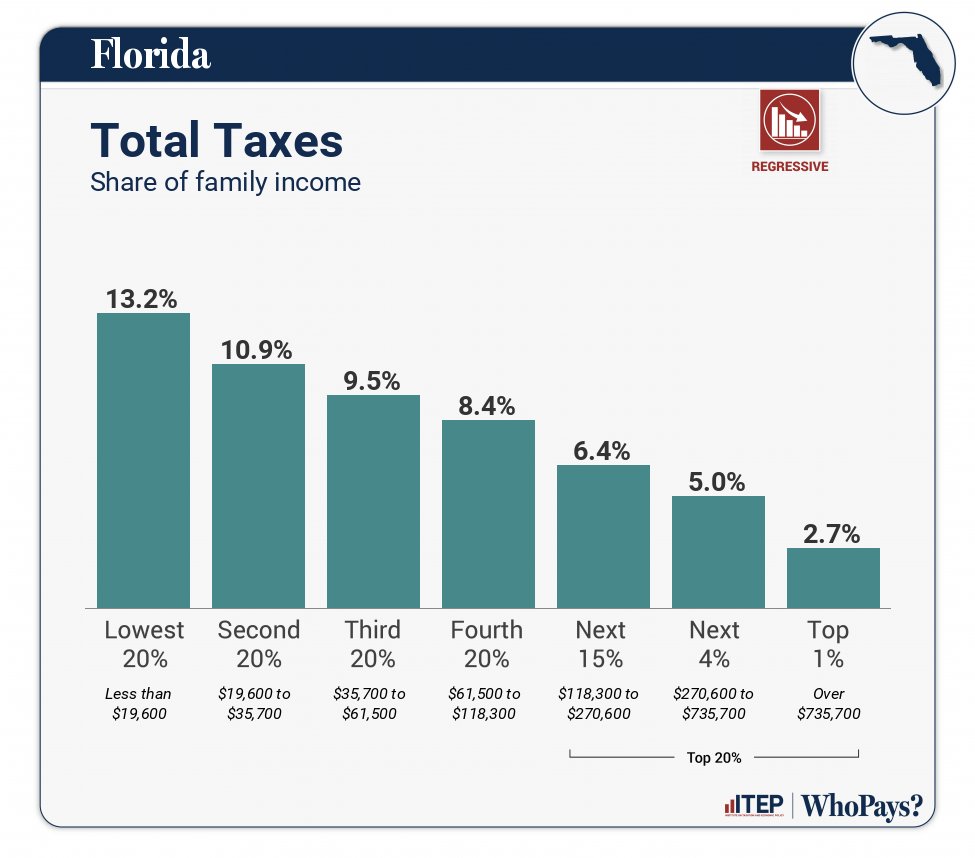
The regressive nature of a sales tax-heavy system is a frequently discussed disadvantage. A regressive tax takes a larger percentage of income from low-income earners than from high-income earners. Since sales tax applies uniformly to most purchases, individuals with lower incomes tend to spend a larger proportion of their earnings on taxable goods and services, while higher-income individuals save or invest a greater portion of their income, which is not subject to state sales tax.
While the absence of an income tax benefits all earners by increasing their gross take-home pay, the burden of sales tax can disproportionately affect those with less discretionary income. This means that while Florida might be attractive for its lack of income tax, individuals across all income brackets need to carefully manage their spending to account for the consistent application of sales tax on daily purchases. The overall impact on lifestyle, therefore, varies; high earners may find significant tax savings, while lower earners might feel a more constant pinch from sales taxes on their essential spending.
Navigating Taxes for Tourists and Seasonal Visitors
For the millions of tourists and seasonal visitors who flock to Florida each year, understanding the state’s tax structure is just as crucial as it is for permanent residents. While visitors don’t face state income tax, their spending habits will definitely interact with the sales and tourism-specific taxes, influencing their vacation budgets and overall experience.
Sales Tax on Goods and Services
Like residents, visitors to Florida will encounter the state’s 6% sales tax, plus any applicable county surtaxes, on most goods and services purchased. This includes everything from souvenirs purchased at Disney World or Universal Studios to meals at restaurants, clothing from boutiques, and tickets to attractions. For a family planning a two-week vacation, these taxes can add a significant amount to their overall budget.
It’s important for tourists to factor this into their financial planning. For example, a $100 meal will likely cost $106 or more after sales tax. Over the course of a trip, these small increments can quickly accumulate. Being aware of the sales tax rate helps visitors budget more accurately for shopping, dining, and entertainment, preventing unexpected costs and allowing for a more enjoyable and stress-free vacation experience.
Tourist Development Taxes and Accommodation
One of the most direct ways tourists contribute to Florida’s coffers is through the Tourist Development Tax (TDT), also known as the “bed tax” or “resort tax.” This tax is levied by counties on short-term rentals, including hotel rooms, vacation rentals, and other accommodations rented for six months or less. The rate varies by county, typically ranging from 1% to 6%, and is applied on top of the regular state sales tax.
For instance, a hotel stay in Orlando or Miami will incur both the state sales tax and the county’s TDT. This can significantly increase the nightly rate for accommodation. For a week-long stay, this combined tax can add hundreds of dollars to the total bill, especially for luxury resorts or longer visits. Visitors should always check the total price, including all taxes and fees, when booking accommodation to avoid surprises. The revenue from the TDT is primarily used to promote tourism and fund tourism-related infrastructure, such as convention centers, sports facilities, and cultural venues, which directly enhance the visitor experience.
Vehicle Rentals and Other Common Expenses
Beyond accommodation and general purchases, visitors should also be mindful of taxes and fees associated with other common vacation expenses. Vehicle rentals, for example, are subject to state sales tax, and sometimes additional local surcharges or tourism-related fees. These can add a notable percentage to the base rental cost. Similarly, activities like boat rentals, guided tours, and certain recreational services will also have sales tax applied.
Even seemingly minor expenditures, such as parking fees, airport taxes, or admission to private attractions, often include embedded taxes or fees that contribute to the overall cost. For a comprehensive understanding of their vacation budget, tourists should inquire about all applicable taxes and fees when making reservations or purchasing tickets. By being informed about these various levies, visitors can plan their spending more effectively, ensuring their Florida getaway remains enjoyable and financially manageable.
Making Informed Lifestyle Decisions in Florida
Navigating Florida’s tax landscape is an integral part of making sound lifestyle and financial decisions, whether you’re considering a permanent move, investing in real estate, or simply planning an extended visit. The state’s unique fiscal policies offer distinct advantages and necessitate specific considerations.
Consulting Financial Professionals
Given the complexities of tax laws, especially when transitioning from a state with income tax to one without, or when planning significant investments, consulting a qualified financial advisor or tax professional is highly recommended. These experts can provide personalized advice on how Florida’s tax structure will specifically impact your individual financial situation, including retirement planning, investment strategies, and estate planning. They can help optimize your financial setup to fully leverage the benefits of Florida’s tax environment while minimizing any potential drawbacks. This professional guidance ensures that lifestyle choices are backed by solid financial planning.
Staying Informed on Tax Policy Changes
Tax laws are not static; they can change based on legislative actions at both the state and local levels. Staying informed about potential changes to sales tax rates, property tax assessment methodologies, or available exemptions is crucial for long-term financial planning in Florida. Local news sources, official government websites, and financial publications can be valuable resources for monitoring these developments. Being proactive in understanding tax policy shifts allows individuals to adjust their budgets and financial strategies accordingly, ensuring their lifestyle remains sustainable and their financial goals are met.
Balancing Costs with Quality of Life
Ultimately, the decision to live, work, or frequently visit Florida involves balancing the financial implications of its tax structure with the quality of life it offers. For many, the absence of a state income tax, coupled with Florida’s natural beauty, warm climate, and diverse attractions, presents an irresistible package. While sales and property taxes require careful budgeting, the potential for increased disposable income and a favorable business environment often outweighs these considerations.
Whether you’re drawn by the vibrant culture of Miami, the family-friendly attractions of Orlando, the laid-back beaches of the Gulf Coast, or the bustling urban centers like Tampa, understanding the tax implications allows you to make informed decisions that align with your personal and financial goals. By considering all aspects of Florida’s tax landscape, individuals can confidently embrace the lifestyle opportunities that the Sunshine State so abundantly provides.
LifeOutOfTheBox is a participant in the Amazon Services LLC Associates Program, an affiliate advertising program designed to provide a means for sites to earn advertising fees by advertising and linking to Amazon.com. Amazon, the Amazon logo, AmazonSupply, and the AmazonSupply logo are trademarks of Amazon.com, Inc. or its affiliates. As an Amazon Associate we earn affiliate commissions from qualifying purchases.