
The question of whether homes in Florida have basements is one that frequently puzzles visitors and prospective residents alike. Unlike many other regions across the United States, where basements are a common, almost expected feature, the Sunshine State presents a distinctly different architectural landscape. The answer, in short, is overwhelmingly no. Basements are an extreme rarity in Florida, and understanding why delves into the unique geographical, geological, and climatic conditions that define this vibrant peninsula. This architectural choice profoundly impacts everything from construction methods and property design to the lifestyle of its residents and the very nature of accommodation and tourism experiences available across its diverse destinations.
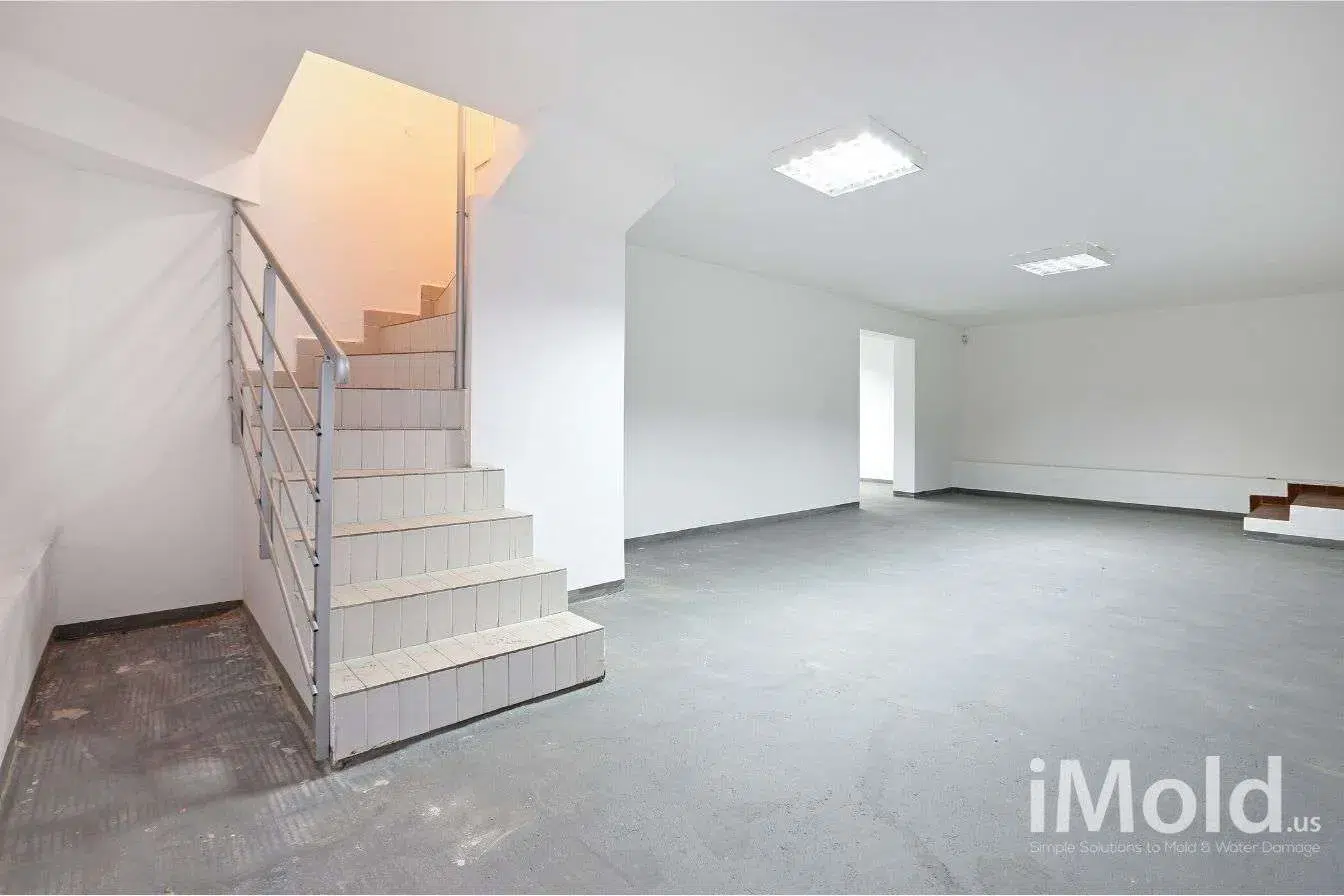
For those planning a trip, seeking a long-term stay, or considering a permanent move to Florida, this fundamental difference in home construction is crucial. It influences how properties are built, how they withstand environmental challenges, and what kind of living spaces are available, whether in a luxury villa in Miami, a family-friendly resort in Orlando, or a quaint bungalow in Key West. The absence of basements is not merely an architectural quirk; it’s a defining characteristic that shapes the very essence of Florida living and offers a unique perspective on travel, local culture, and property development in this beloved destination.
The Unique Geography and Climate of Florida
Florida’s distinctive geological makeup and subtropical climate are the primary determinants behind the rarity of basements. The state is essentially a low-lying peninsula, largely composed of porous limestone bedrock, a characteristic that defines much of its landscape and hydrological system. This unique environment poses significant challenges for traditional basement construction, rendering it impractical, excessively costly, and often structurally unsound.
Understanding the High Water Table
Perhaps the most significant factor preventing basement construction in Florida is its incredibly high water table. The water table, which is the upper level of an area where the ground is saturated with water, is often very close to the surface, especially in coastal areas and much of South Florida. Digging a basement would essentially mean excavating a hole directly into this saturated zone, leading to immediate and persistent flooding issues. Construction in such conditions would require extensive and expensive waterproofing, dewatering systems, and continuous pumping to keep the basement dry. Even then, the risk of water intrusion from heavy rains, tropical storms, or hurricanes would remain an ever-present threat.
The proximity of the water table also means that any deep excavation risks destabilizing the surrounding soil, potentially compromising the structural integrity of the building. This is a critical consideration for any type of construction, from private residences to large-scale hotels and resorts catering to discerning travelers. Engineers and builders in Florida prioritize methods that work in harmony with the natural environment, not against it, to ensure long-term stability and safety.
The Role of Florida’s Soil Composition
Beyond the water table, Florida’s soil composition also plays a crucial role. The state is predominantly characterized by sandy soils, often mixed with shell fragments and limestone. While sand offers good drainage in some contexts, it lacks the cohesive properties found in clay-rich soils prevalent in regions where basements are common. Digging into sandy soil, especially when wet, creates an unstable excavation site prone to collapse. Maintaining deep trenches for foundations or basements in such conditions requires extensive shoring and support systems, adding exorbitant costs and complexity to the construction process.
Furthermore, the underlying limestone bedrock, while sometimes providing a stable base, is also highly porous and prone to karst topography, which can lead to sinkholes. While modern construction techniques can mitigate these risks, digging a large, deep hole for a basement could potentially disturb the delicate geological balance, increasing the likelihood of unforeseen ground shifts or sinkhole formation. This geological reality makes slab-on-grade or elevated foundations far more practical and secure, aligning with sustainable building practices and ensuring the safety of inhabitants and visitors enjoying Florida’s myriad attractions.
Architectural Adaptations: Alternatives to Basements
Given the challenges posed by Florida’s environment, builders have developed and refined several alternative foundation types that are well-suited to the local conditions. These adaptations are not merely compromises but intelligent engineering solutions that define the architectural aesthetic and functional capabilities of Florida homes, vacation rentals, and major landmarks.
Slab-on-Grade Foundations
The most common foundation type in Florida is the slab-on-grade foundation. This involves pouring a concrete slab directly onto the prepared ground. The ground is typically leveled, compacted, and sometimes equipped with a layer of gravel for drainage. Plumbing and electrical conduits are laid out before the concrete is poured, embedded directly within the slab.
Slab-on-grade foundations offer several advantages in Florida. They are cost-effective, relatively quick to construct, and provide a solid, stable base that minimizes direct contact with the high water table. They are also less susceptible to pest intrusion (termites, for example, are a significant concern in the humid climate) compared to homes with crawl spaces. For homeowners, this means a solid, single-level floor that is easy to maintain and ideal for the indoor-outdoor lifestyle that is so cherished in Florida. Many contemporary homes, apartments, and even sections of larger resorts utilize this foundation type, providing comfortable and accessible accommodation.
Elevated and Stilt Homes
In areas particularly prone to flooding, such as coastal communities, barrier islands, and the Florida Keys, elevated homes and stilt homes are prevalent. These structures are built on pilings, columns, or a raised concrete foundation, lifting the living spaces several feet, sometimes even a full story, off the ground. This design is primarily a strategic defense against storm surge, flooding, and rising sea levels, mandated by stringent building codes in flood zones.
Elevated homes often feature open-air ground levels that can be used for parking, shaded patios, or storage, providing valuable utility space without the risks associated with basements. From an architectural perspective, these homes often boast distinctive coastal aesthetics, with expansive verandas and panoramic views. They contribute significantly to the unique character of Florida’s coastal destinations, offering a particular charm for vacationers seeking a quintessential beach experience. Many villas and boutique hotels in picturesque locales like Sarasota or Fort Lauderdale embrace this elevated design, providing not only safety but also an enhanced sense of space and connection to the environment.
Other Storage and Utility Solutions
The absence of a basement means that Florida homes must find alternative solutions for storage, utility access, and storm shelters. Home designs typically incorporate generous closet space, attached garages (which often double as utility and storage areas), and sometimes detached sheds or external storage units. Attic spaces are also common for storage, though careful insulation and ventilation are critical due to the heat.
For utility access, plumbing and electrical systems are typically run through walls, ceilings, and directly within or above the concrete slab. HVAC systems are often located in utility closets, attics, or on the roof. This integrated approach ensures that all necessary utilities are accessible for maintenance without requiring a separate underground level. When considering accommodation for longer stays or family trips, understanding these storage solutions can be helpful, as they influence the overall living space and practicality of a home or apartment. For example, many modern Florida resorts often include ample in-room storage and dedicated luggage areas to compensate for the lack of traditional basement storage, enhancing the guest experience.

Living the Florida Lifestyle: Impact on Homes and Tourism
The architectural choices necessitated by Florida’s environment have profound implications for the local lifestyle and the tourism industry. From how residents interact with their homes to how visitors perceive and engage with their temporary accommodations, the lack of basements shapes many facets of life in the Sunshine State.
Hurricane Preparedness and Construction Codes
Florida is renowned for its susceptibility to hurricanes and tropical storms, especially from the Atlantic Ocean and the Gulf of Mexico. This reality heavily influences construction codes, which are among the strictest in the nation. Building methods prioritize wind resistance, flood mitigation, and overall structural resilience. The very foundations, whether slab-on-grade or elevated, are designed to withstand extreme weather events.
Homes are built with reinforced concrete, impact-resistant windows, and hurricane straps to tie the roof to the walls and foundation. While basements in other regions might offer shelter during tornadoes, Florida residents rely on specially designated interior rooms, known as “safe rooms,” or public hurricane shelters during the most severe weather. For travelers, this means that hotels and resorts are also constructed with these robust standards, offering a high degree of safety and peace of mind even during storm season. Understanding these architectural responses to natural phenomena provides valuable insights for anyone planning a trip or a move to Florida.
Indoor-Outdoor Living and Property Design
The absence of basements naturally pushes living spaces upwards and outwards, fostering a vibrant indoor-outdoor lifestyle that is quintessential to Florida. Homes often feature expansive lanais, screened-in patios, large windows, and sliding glass doors that seamlessly connect interior rooms with exterior living areas, swimming pools, and landscaped gardens. This design philosophy maximizes the enjoyment of Florida’s abundant sunshine and temperate climate, encouraging outdoor dining, relaxation, and entertainment for much of the year.
For tourists, this translates into a unique experience when booking villas or suites. Many vacation accommodations boast private pools, outdoor kitchens, and lush tropical landscaping, making the outdoor spaces as important as the interior. This focus on outdoor living is a key draw for family trips, luxury travel, and anyone looking to immerse themselves in the relaxed Florida rhythm. It is a fundamental aspect of the local culture, where life often spills out onto porches and patios, reflecting the vibrant energy of cities like Tampa and Jacksonville.
Implications for Accommodation and Tourism
The architectural practices in Florida directly shape the types of accommodation available to visitors. Whether searching for a budget-friendly apartment or a high-end resort, travelers will find properties designed with Florida’s unique constraints and opportunities in mind. This means expecting slab-on-grade or elevated constructions, ample above-ground storage, and a strong emphasis on outdoor amenities.
For those considering long-term stays or real estate investments, understanding these nuances is critical for proper comparison and review. The focus is often on efficient use of above-ground space, innovative storage solutions, and robust hurricane-resistant features rather than subterranean levels. Florida’s tourism industry thrives on its climate and natural beauty, and the homes reflect this by maximizing exposure to the outdoors. From the historic architecture of St. Petersburg to the modern high-rises of Miami, the design principles prioritize resilience, comfort, and the seamless integration of indoor and outdoor living – a defining characteristic of Florida’s appeal as a premier destination.
Dispelling Myths and Addressing Specific Scenarios
While the general rule holds true that basements are exceptionally rare in Florida, it’s important to address common misconceptions and occasional exceptions to provide a complete picture. The nuances often depend on specific geographic microclimates or unique engineering projects.
Are There Any Basements in Florida?
The notion of a Florida basement is largely a myth, but like most myths, it has a kernel of truth, however tiny. It is exceedingly rare, but not entirely impossible, to find a structure with a basement in Florida. These instances are typically limited to:
- Older, pre-1950s homes in North Florida: In the northernmost parts of the state, particularly in areas like Tallahassee, which have slightly higher elevations and different soil compositions compared to the rest of the peninsula, a very small number of older homes might feature a shallow basement or a root cellar. These are exceptions that prove the rule and are rarely found in newly constructed properties.
- Commercial or Public Buildings with Specialized Needs: Occasionally, large commercial buildings, hospitals, or specialized government facilities might incorporate subterranean levels for specific purposes like secure data centers, utility infrastructure, or parking. These projects involve extraordinary engineering feats, extensive waterproofing, and continuous maintenance to manage the water table, making them prohibitively expensive for residential construction. For example, some downtown Miami high-rises might have underground parking, but these are highly engineered and not comparable to residential basements.
- Partially Buried Structures/Crawl Spaces: Sometimes, what appears to be a “basement” might actually be a very deep crawl space or a partially buried first floor in a split-level design, particularly on properties with significant slopes (which are themselves rare in Florida). These are still above the water table and engineered differently from a true basement.
It’s crucial for anyone searching for accommodation or real estate in Florida to understand that if a basement is listed, it warrants very close scrutiny and verification of its construction and functionality. The general expectation should always be that homes will not have basements.

Future Trends in Florida Home Building
As climate change continues to impact sea levels and weather patterns, Florida’s home-building industry is constantly evolving. While basements are unlikely to ever become a mainstream feature, future trends will likely emphasize:
- Increased Elevation: More homes, even those not directly on the coast, may be built on elevated foundations as a proactive measure against increased rainfall and potential flooding.
- Resilient Materials: Continued advancements in hurricane-resistant materials and construction techniques will be paramount, focusing on durability and longevity in a challenging environment.
- Sustainable Design: Greater emphasis on sustainable practices, including better water management systems, energy-efficient designs, and integration of natural cooling and ventilation, will shape future builds.
- Innovative Storage Solutions: As homes continue to lack basements, designers will innovate with smart storage solutions, built-ins, and flexible living spaces to maximize utility within the existing footprint.
These trends highlight Florida’s adaptive spirit, where builders and residents embrace ingenuity to thrive amidst unique environmental conditions. This ongoing evolution in architecture and design ensures that Florida continues to offer safe, comfortable, and appealing accommodation options for both its permanent residents and the millions of visitors who flock to its sunny shores each year, eager to experience the vibrant culture, natural wonders of places like Everglades National Park, and world-class attractions like Disney World.
In conclusion, the absence of basements in most Florida homes is a direct consequence of its high water table, sandy soil, and unique geological makeup. This foundational difference has led to innovative architectural adaptations, such as slab-on-grade and elevated homes, which have in turn shaped the distinct indoor-outdoor lifestyle and robust building codes of the state. For anyone exploring Florida for travel, tourism, or accommodation purposes, understanding these architectural realities is key to appreciating the charm, resilience, and unique character of the Sunshine State’s residential and commercial landscape.
LifeOutOfTheBox is a participant in the Amazon Services LLC Associates Program, an affiliate advertising program designed to provide a means for sites to earn advertising fees by advertising and linking to Amazon.com. Amazon, the Amazon logo, AmazonSupply, and the AmazonSupply logo are trademarks of Amazon.com, Inc. or its affiliates. As an Amazon Associate we earn affiliate commissions from qualifying purchases.