
The landscape of travel and accommodation has evolved dramatically, with advancements in payment technology reshaping how we book, stay, and explore. For many travelers, the question of payment methods at hotels is a crucial one, particularly when considering the convenience and accessibility of debit cards. Gone are the days when cash was king and traveler’s checks were a necessity. In today’s interconnected world, plastic reigns supreme, and that includes both credit and debit cards. So, to answer the pressing question directly: yes, the vast majority of hotels do accept debit cards.
This has become the standard across the industry, from grand luxury hotels in Paris to charming boutique inns in Kyoto, and even budget-friendly motels along the Route 66. However, while the acceptance is widespread, understanding the nuances of using a debit card for hotel stays is essential for a smooth and stress-free experience. This guide will delve into the specifics, covering how hotels process these transactions, what to expect regarding holds and deposits, and the advantages and potential drawbacks of opting for debit over other payment methods.

Understanding Debit Card Transactions at Hotels
When you swipe, insert, or tap your debit card at a hotel, it’s important to understand that the process can differ slightly from using a credit card. A debit card is directly linked to your bank account, meaning the funds are withdrawn from your available balance almost immediately. Hotels, however, typically require a guarantee for your stay and potential incidental charges, which leads to a process known as pre-authorization or a hold.
The Pre-Authorization Hold: What You Need to Know
Upon check-in, most hotels will place a temporary hold on your debit card. This hold serves a dual purpose: it confirms the validity of your card and ensures that sufficient funds are available to cover the cost of your room and any anticipated expenses for incidentals like room service, mini-bar consumption, or damage to hotel property.
The amount of this hold is usually more than the advertised room rate. Hotels typically estimate potential incidental charges and add this to the room rate to create the total hold amount. For example, if your room rate is $200 per night and you’re staying for three nights, the hotel might place a hold of $600 for the room plus an additional $100-$200 for incidentals, totaling around $700-$800. This amount is not charged to your account; instead, it temporarily reduces your available balance.
How long does a hold last? This is a common concern. The pre-authorization hold typically remains on your account for a period determined by the hotel and your bank. It can last anywhere from a few days to over a week after your checkout. Once the hotel finalizes your bill upon checkout, they will release the hold. The actual funds for your stay will then be charged, and the remaining hold amount, if any, will be released back into your available balance.
The Impact on Your Bank Balance: It’s crucial to be aware of these holds, especially if you have a tight budget or limited funds in your checking account. A significant hold can make it appear as though you have less money available than you actually do, potentially leading to declined transactions for other expenses or even overdraft fees if you’re not careful. Always ensure you have ample funds in your account to cover the room rate plus the estimated incidental hold. If you are staying at a luxury resort like the Bora Bora Resort, be prepared for a potentially higher hold amount.
Using Debit Cards for Deposits and Incidental Charges
Beyond the initial pre-authorization, your debit card can also be used to settle your final bill upon checkout. This includes the cost of your room, taxes, and any incidentals you may have incurred. When you check out, the hotel will charge your debit card for the final amount.
What about security deposits? Some hotels, particularly those with a higher end clientele or for specific types of accommodations like luxury villas, may also require a separate security deposit. This deposit is also typically pre-authorized on your debit card. It’s designed to cover any significant damage to the property or extremely high incidental charges that exceed the initial hold. Like the pre-authorization for the room, this security deposit is usually released after a satisfactory inspection of the property and settlement of your final bill.
Cash vs. Debit for Deposits: While debit cards are widely accepted, some establishments might still prefer or even mandate credit cards for holds and deposits, especially for high-value stays. This is often due to the perceived higher risk associated with debit card transactions and the ease of chargebacks with credit cards. However, this is becoming less common, and most hotels are equipped to handle debit card authorizations seamlessly.
Navigating Debit Card Acceptance: Tips for Travelers
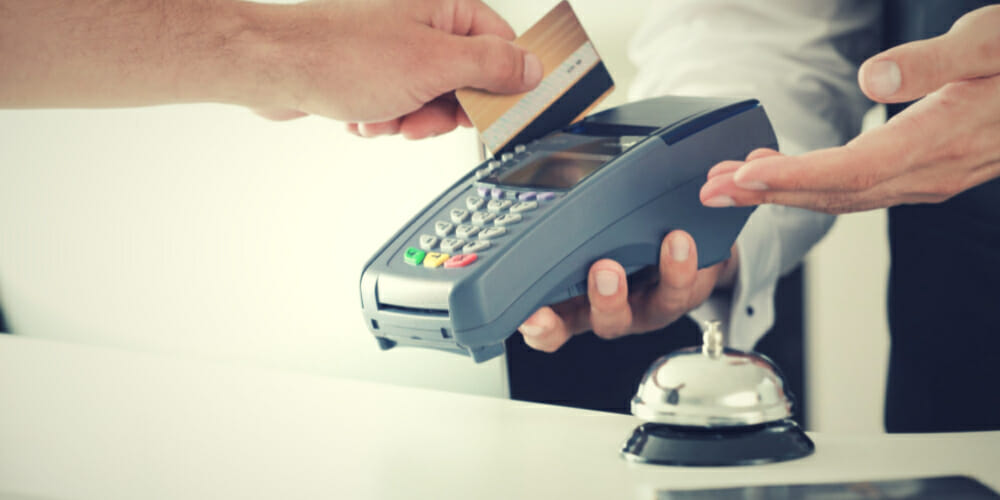
While most hotels embrace debit cards, there are a few practical tips to ensure a smooth transaction process and avoid any potential hiccups during your travels. Being prepared and informed can make a significant difference, whether you’re exploring the historical sites of Rome or enjoying a family vacation at a theme park resort.
Verify Before You Book
The most proactive approach is to verify a hotel’s payment policy before you commit to a booking. Many hotel websites will clearly state their accepted payment methods. If you cannot find this information online, don’t hesitate to contact the hotel directly. A quick phone call or email can save you a lot of potential stress upon arrival. You can inquire specifically about their policy on debit card pre-authorizations and any associated fees or restrictions. This is especially important if you are planning a long-term stay in an apartment or a unique accommodation like a houseboat.
Have a Backup Payment Method
Even with the widespread acceptance of debit cards, it’s always wise to have a backup payment method. This could be another debit card from a different bank, a credit card, or even some cash for smaller expenses. This is particularly prudent if you are traveling internationally, as currency exchange rates, international transaction fees, and the possibility of a bank flagging your transactions as suspicious can sometimes complicate debit card usage. Having a credit card handy can be a lifesaver if your debit card is unexpectedly declined or if a hotel has specific credit card requirements.
Understand the Exchange Rate (for International Travel)
If you are using your debit card for a hotel stay in a foreign country, be aware of the exchange rate that will be applied. Your bank or card network will convert the local currency amount to your home currency. This rate can fluctuate, and there might be a foreign transaction fee charged by your bank. Always check with your bank about their international transaction fees and exchange rate policies before embarking on an international trip, whether you’re planning to visit Tokyo, New York City, or anywhere else in the world.
Keep Track of Your Bank Balance
As mentioned earlier, the pre-authorization hold can impact your available balance. It is crucial to monitor your bank account regularly, especially during your travels. Many banking apps allow you to see pending transactions or holds, which can help you manage your budget effectively. If you’re concerned about exceeding your available funds, consider contacting your bank to discuss options for temporary credit line increases or to understand how to minimize the impact of holds.
The Rise of Digital Wallets and Alternative Payments
The world of payments is continually evolving, and hotels are increasingly embracing newer technologies. While debit cards are a mainstay, you might also encounter options like digital wallets and other forms of electronic payment.
Digital Wallets: Convenience on Your Phone
Services like Apple Pay and Google Pay have become incredibly popular for their convenience and security. Many hotels, especially those that are more modern and tech-savvy, now accept payments via these digital wallets. If your debit card is linked to a digital wallet, you might be able to use your smartphone or smartwatch to make payments at the front desk or even in hotel restaurants and shops. This can be a particularly useful option when you don’t have your physical card with you, or if you prefer a contactless payment experience.

The Future of Hotel Payments
As technology advances, we can expect even more innovative payment solutions to emerge. This could include direct peer-to-peer payment options facilitated through hotel apps, integration with cryptocurrency for payments (though this is still quite niche), or biometric payment systems. For now, however, debit cards remain a widely accepted and reliable method for settling your hotel bills, offering a balance of convenience and direct access to your funds. Whether you are booking a quick city break or a long, relaxing stay at a resort on the Gold Coast, understanding your payment options is key to a hassle-free travel experience.
In conclusion, the answer to “Do Hotels Accept Debit Cards?” is a resounding yes. The vast majority of hotels globally welcome them as a primary form of payment. However, a little knowledge about pre-authorization holds, potential fees, and the importance of having backup options will ensure your stay is as comfortable and financially sound as possible. By staying informed and prepared, you can confidently book your next adventure, knowing that settling your hotel bill will be a straightforward process, whether you’re dreaming of the historic architecture of Prague or the natural beauty of the Grand Canyon.
LifeOutOfTheBox is a participant in the Amazon Services LLC Associates Program, an affiliate advertising program designed to provide a means for sites to earn advertising fees by advertising and linking to Amazon.com. Amazon, the Amazon logo, AmazonSupply, and the AmazonSupply logo are trademarks of Amazon.com, Inc. or its affiliates. As an Amazon Associate we earn affiliate commissions from qualifying purchases.