
Understanding your legal standing is a crucial aspect of responsible citizenship, and for those who have had interactions with the law in Texas, or are planning to visit, the question of outstanding warrants can be a significant concern. This guide aims to demystify the process of checking for warrants in the Lone Star State, offering practical steps and insights for individuals seeking clarity. While this article focuses on informational purposes and should not be construed as legal advice, it provides a roadmap for navigating this often complex area.
Understanding Warrants in Texas
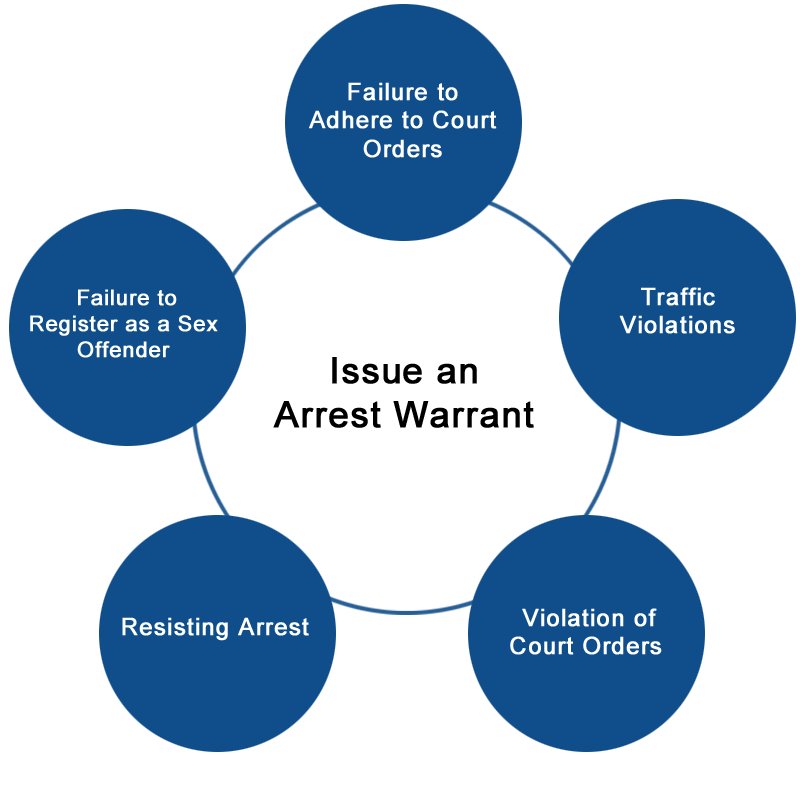
A warrant, in legal terms, is a document issued by a judge or magistrate that authorizes law enforcement to take a specific action, such as arresting an individual or searching a property. In the context of criminal justice, a warrant for arrest is typically issued when there is probable cause to believe that a person has committed a crime. This can stem from a variety of situations, including unpaid traffic tickets, missed court dates, or more serious allegations.

Types of Warrants
It’s important to understand that not all warrants are for serious criminal offenses. In Texas, several types of warrants can be issued:
- Arrest Warrants: These are the most common type and are issued when law enforcement believes a person has committed a crime. If you have an active arrest warrant, you can be taken into custody at any time, even during a routine traffic stop.
- Bench Warrants: These are typically issued by a judge when an individual fails to appear in court for a scheduled hearing or misses a mandatory court date. This can apply to a range of offenses, from minor infractions to more significant charges.
- Search Warrants: While not directly related to an individual’s personal outstanding warrants, it’s worth noting that these authorize law enforcement to search a specific location for evidence of a crime.
The Consequences of Unresolved Warrants
Living with an active warrant can have serious repercussions. Beyond the constant anxiety of potential arrest, it can significantly impact your life in various ways:
- Employment: Many employers conduct background checks, and an active warrant can be a red flag, potentially leading to job loss or difficulty securing new employment.
- Travel: While less common for minor warrants, serious outstanding warrants could potentially lead to issues at border crossings or during air travel, especially if flying internationally.
- Daily Life: The fear of arrest can lead to avoidance of situations where identification might be required, impacting social activities and even access to certain services.
- Legal Ramifications: If an arrest is made based on an active warrant, you will likely face additional charges for the original offense, and the process of resolving the warrant can become more complicated and costly.
How to Check for Warrants in Texas
Fortunately, there are several avenues available for individuals to discreetly and legitimately check if they have any outstanding warrants in Texas. It’s crucial to approach this process with an understanding of privacy and legal protocols.
The Official Law Enforcement Approach
The most direct method to confirm the existence of a warrant is to contact the relevant law enforcement agency. This typically involves reaching out to:
- Local Sheriff’s Office: If you believe you might have a warrant in a specific county, contacting the sheriff’s office for that county is a primary step. They maintain records of arrests and warrants within their jurisdiction.
- Local Police Department: Similarly, if your concern pertains to a municipal arrest warrant, the local police department serving that city will be the relevant authority.
- Texas Department of Public Safety (DPS): For certain driving-related offenses or more widespread inquiries, the Texas DPS may have information. However, for specific arrest warrants, local agencies are usually the first point of contact.
When contacting these agencies, it’s advisable to do so by phone or through their official websites. Be prepared to provide your full legal name and date of birth. It’s important to note that some agencies may require you to appear in person to confirm information, especially if they cannot immediately verify details over the phone.
Utilizing Online Resources
The digital age has opened up new avenues for accessing public records, and warrant information is often included. However, it’s vital to use reputable sources and understand the limitations of online searches.
- County Clerk Websites: Many county clerks in Texas provide online portals where you can search for court records, which may include information about outstanding warrants. These searches are often based on name and date of birth.
- Court Dockets: Online court dockets can be a valuable resource. You can often search for your name to see if any cases are pending against you, which might indicate an active warrant. The Texas Judicial Branch website can be a starting point for navigating to specific court systems.
- Third-Party Public Record Websites: Numerous websites specialize in providing public record searches, including warrant databases. While these can offer convenience, their accuracy and completeness can vary. It is always best to cross-reference information obtained from these sites with official sources. Be cautious of sites that charge exorbitant fees or guarantee results, as these may be less reliable.
The In-Person Inquiry
For those who prefer or require a direct, official confirmation, visiting the courthouse or a law enforcement agency in person can be an option.
- Courthouse Inquiry: The District Clerk’s or County Clerk’s office at the courthouse can assist you in searching for your name in their public records. This is a highly reliable method, as these offices are the custodians of official court documents.
- Law Enforcement Agency Visit: As mentioned earlier, some agencies may require an in-person visit to verify identity and provide warrant information. If you choose this route, it’s wise to go during regular business hours and be prepared for potential interactions.
Important Considerations When Checking for Warrants
When you embark on the process of checking for warrants, it’s essential to maintain a strategic and informed approach.
Privacy and Confidentiality
It’s important to be aware that warrant information is generally considered public record. However, the process of accessing it should be handled discreetly. If you are concerned about drawing unwanted attention, consider using online resources or contacting agencies from a private location.
The Role of Legal Counsel
If your search reveals an active warrant, or if you have reason to believe you might have one, seeking legal counsel is highly recommended. An experienced Texas attorney can:
- Verify Warrant Details: They can accurately confirm the existence, nature, and jurisdiction of any warrants.
- Advise on Next Steps: An attorney will guide you through the legal process of resolving the warrant, which may involve turning yourself in, posting bail, or appearing in court.
- Represent You: They can represent your interests in court, potentially negotiating favorable outcomes and minimizing the impact of the warrant on your life.
“Warrant Sweeps” and Proactive Measures
Law enforcement agencies in Texas sometimes conduct “warrant sweeps,” which are operations aimed at apprehending individuals with outstanding warrants. Being aware of these possibilities underscores the importance of proactively addressing any potential warrants. If you discover an outstanding warrant, it is generally advisable to address it sooner rather than later. Delaying can sometimes lead to more complications or more severe consequences.
Resolving Outstanding Warrants in Texas
Once an outstanding warrant is confirmed, the next crucial step is to resolve it. The process for resolution will vary depending on the nature of the warrant and the jurisdiction.
The Surrender Process
In many cases, the most direct way to resolve an arrest warrant is to voluntarily surrender to the authorities. This can often lead to a more controlled and less stressful experience compared to being arrested unexpectedly.
- Contacting Authorities: Before surrendering, it’s often advisable to contact the relevant law enforcement agency or your attorney to understand the process and what to expect.
- Court Appearance: Upon surrender, you will typically be booked and then brought before a judge to address the warrant and the underlying charges.
- Bail and Release: Depending on the offense, you may be eligible for bail, which allows for your release from custody while your case proceeds.
Addressing Minor Infractions
For warrants stemming from minor offenses like unpaid traffic tickets or code violations, the resolution process might be simpler.
- Paying Fines: In some instances, you may be able to clear the warrant by paying the outstanding fines and fees associated with the infraction.
- Court Orders: Other times, a judge may order you to appear in court to address the matter.

The Importance of Legal Guidance
Navigating the legal system to resolve a warrant can be daunting. An attorney specializing in Texas criminal law can be an invaluable asset. They can help you understand your rights, explore all available options, and work towards the most favorable resolution possible. Ignoring an outstanding warrant is not a viable solution and will likely lead to more significant problems down the line. Taking proactive steps to check for and resolve any warrants is a responsible action that can bring peace of mind and prevent future legal complications.
LifeOutOfTheBox is a participant in the Amazon Services LLC Associates Program, an affiliate advertising program designed to provide a means for sites to earn advertising fees by advertising and linking to Amazon.com. Amazon, the Amazon logo, AmazonSupply, and the AmazonSupply logo are trademarks of Amazon.com, Inc. or its affiliates. As an Amazon Associate we earn affiliate commissions from qualifying purchases.