
Florida, often known as the “Sunshine State,” is a premier destination for water enthusiasts. With its extensive coastline, shimmering inland lakes, and intricate network of rivers, boating is not just a pastime but a significant part of the state’s tourism appeal and local lifestyle. From exhilarating deep-sea fishing expeditions off the coast of Miami to tranquil cruises through the Everglades or sailing adventures around the Florida Keys, the opportunities are boundless. However, before you cast off, a common question arises: do I need a boating license in Florida? The answer isn’t a simple yes or no, but rather depends on several factors, primarily your age and the type of vessel you intend to operate. Understanding Florida’s specific boating regulations is crucial not only for compliance but also for ensuring a safe and enjoyable experience on its beautiful waterways.

Understanding Florida’s Boating Education Requirements
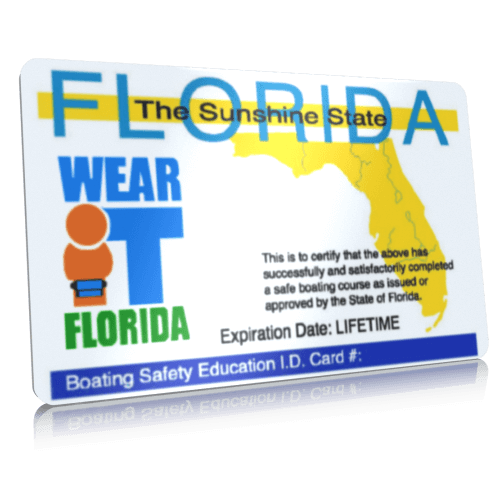
Florida does not issue what is commonly referred to as a “boating license” in the same vein as a driver’s license. Instead, the state requires certain individuals to obtain a Boating Safety Education Identification Card. This card signifies that the operator has successfully completed an approved boating safety course, demonstrating a fundamental understanding of boating laws, safety procedures, and navigation rules. This distinction is important because, unlike a driver’s license that must be renewed periodically, the Florida Boating Safety Education Identification Card is typically a one-time issuance and does not expire. The primary goal of this requirement is to enhance safety on the water by ensuring that operators possess basic knowledge and skills, thereby reducing accidents and promoting responsible boating practices throughout the state’s diverse aquatic environments.
Who Needs a Boating Safety Education Identification Card?
The rules surrounding who needs a Boating Safety Education Identification Card in Florida are tied directly to the operator’s age and the type of vessel. Specifically, anyone born on or after January 1, 1988, who operates a vessel powered by a 10 horsepower or greater motor is required to have this card. This includes a wide range of watercraft, from personal watercraft (PWCs) like jet skis to larger motorboats. If you fall into this age bracket and plan to operate such a vessel, completing an approved boating safety course and carrying your Boating Safety Education Identification Card (along with a photo ID) while on the water is mandatory. Failure to comply can result in fines and other penalties, detracting from what should be a memorable Florida adventure. It’s always best to err on the side of caution and ensure you meet all necessary requirements before venturing out.
Exemptions and Exceptions
While the age-based requirement covers a significant portion of operators, Florida law provides several exemptions to the Boating Safety Education Identification Card requirement. Understanding these exceptions is crucial, especially for visitors or those with prior boating experience.
- Age Exemption: Individuals born before January 1, 1988, are exempt from the requirement. This means if you are 36 or older in 2024, you generally do not need the card, regardless of the vessel’s horsepower.
- Supervised Operation: A person who is not required to have a Boating Safety Education Identification Card may operate a vessel if there is a person on board who is at least 18 years of age and possesses the required Boating Safety Education Identification Card, and that person is responsible for the safe operation of the vessel.
- Rental Agreements: Operators of vessels rented for 12 months or less are exempt from the education requirement if the rental company provides a pre-rental or livery outfitter safety checklist and demonstrates the safe operation of the vessel. This is a common scenario for tourists renting boats for a day or a week in popular destinations like Sarasota or Fort Lauderdale. The renter must still carry a valid photo ID and a copy of the rental agreement.
- Emergency Situations: Operators involved in an emergency situation are exempt.
- Commercial Operation: Those operating a vessel for commercial purposes are typically governed by different sets of regulations, often requiring specific licenses or certifications depending on the nature of their commercial activity.
- Reciprocity: If you hold a valid boating safety education certificate or card issued by another state or by the U.S. Coast Guard Auxiliary or U.S. Power Squadrons, and it is approved by the National Association of State Boating Law Administrators (NASBLA), it is generally recognized in Florida. This is particularly helpful for tourists visiting from other states who already possess similar certifications.
Always confirm your specific situation with the Florida Fish and Wildlife Conservation Commission (FWC) or a reputable local boating authority to ensure full compliance.
How to Obtain Your Florida Boating Safety Card
For those who are required to obtain a Florida Boating Safety Education Identification Card, the process is straightforward and accessible. The primary goal is to ensure that aspiring boaters gain essential knowledge about safety, navigation, and regulatory compliance. The Florida Fish and Wildlife Conservation Commission (FWC) oversees the approval of boating safety courses, ensuring they meet the state’s educational standards. These courses are designed to be comprehensive, covering everything from basic vessel operation and emergency procedures to environmental stewardship and the intricacies of Florida’s waterways. Completing one of these approved courses is the direct path to earning your Boating Safety Education Identification Card, which will allow you to confidently and legally explore the stunning marine landscapes that Florida offers.
Approved Courses and Providers
The FWC maintains a list of approved boating safety education providers. These providers offer courses that are certified to meet the state’s requirements. Popular options include courses offered by the U.S. Coast Guard Auxiliary, U.S. Power Squadrons, and various private organizations. These courses generally cover topics such as:
- Vessel Components and Types: Understanding different parts of a boat and various types of vessels.
- Safety Equipment: Essential safety gear required on board, including life jackets, fire extinguishers, and visual distress signals.
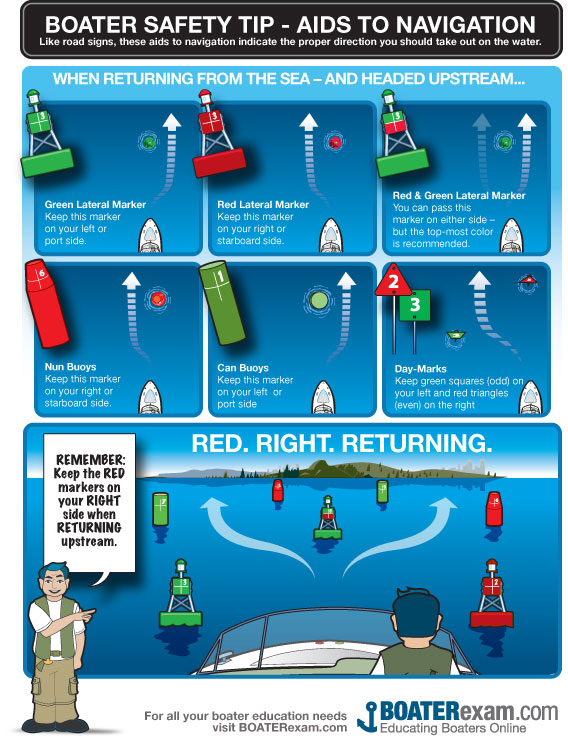
- Navigation Rules: “Rules of the Road” for waterways, including right-of-way, buoy systems, and aids to navigation.
- Emergency Procedures: What to do in case of accidents, capsizing, fire, or person overboard.
- Legal Requirements: Florida-specific boating laws and regulations, including Boating Under the Influence (BUI) laws.
- Environmental Responsibility: Protecting Florida’s fragile marine ecosystems.
Choosing an approved provider ensures that the education you receive is recognized by the state and qualifies you for the Boating Safety Education Identification Card. Many providers offer engaging and interactive learning experiences, often incorporating real-world scenarios and practical advice.
Online vs. In-Person Options
Flexibility is a key aspect of obtaining your Boating Safety Education Identification Card in Florida, as both online and in-person course options are widely available.
- Online Courses: For many, online courses offer the most convenient and flexible path. They allow you to learn at your own pace, from anywhere with an internet connection, making them ideal for busy schedules or for tourists planning their trip to Florida in advance. Several reputable online providers, such as BoatUS Foundation and America’s Boating Course, offer state-approved online modules. These courses typically feature interactive content, videos, and quizzes to reinforce learning. Upon completion of the course and passing the final exam, you will receive a certificate which you can then use to apply for your physical Florida Boating Safety Education Identification Card.
- In-Person Courses: For those who prefer a more traditional classroom setting, or who benefit from direct interaction with instructors, in-person courses are an excellent choice. These are often offered by the U.S. Coast Guard Auxiliary, U.S. Power Squadrons, or local community centers in areas like Tampa or Orlando. In-person courses provide opportunities for questions, discussions, and networking with other boaters. They may also offer hands-on components or practical demonstrations, further enhancing the learning experience. Check local listings for schedules and locations that might be convenient during your stay or pre-trip planning.
Regardless of the format chosen, the content covered is designed to equip you with the knowledge needed to safely and responsibly navigate Florida’s beautiful waters.
What to Expect During the Exam
The final step in earning your Boating Safety Education Identification Card is passing an exam. For online courses, the exam is typically administered at the end of the modules and is often multiple-choice. You’ll need to achieve a passing score, usually around 70-80%, to successfully complete the course. If you don’t pass on your first attempt, most online providers allow you to retake the exam after reviewing the material. For in-person courses, the exam will be given at the end of the class session, similar in format to the online version.
Once you pass the exam, you will receive a certificate of completion. You then submit this certificate, along with a fee, to the Florida Fish and Wildlife Conservation Commission (FWC) to receive your official Boating Safety Education Identification Card. It’s important to keep a copy of your certificate until your physical card arrives, as this serves as proof of completion. Always carry your card and a valid photo ID when operating a vessel that requires it, as marine patrol officers conduct routine checks to ensure compliance with Florida’s boating laws.
Essential Boating Regulations Beyond the Card
While obtaining your Boating Safety Education Identification Card is a critical step for eligible operators, it’s just one piece of the puzzle for responsible boating in Florida. The state has a comprehensive set of regulations designed to ensure the safety of all waterway users, protect marine environments, and prevent accidents. Familiarizing yourself with these additional rules is paramount, whether you are a seasoned local or a tourist enjoying Florida’s aquatic attractions for the first time. From ensuring you have the correct safety gear to understanding navigation etiquette and the strict laws regarding alcohol consumption while operating a vessel, these regulations are designed to make your time on the water both safe and enjoyable. Adherence to these guidelines not only prevents legal complications but also contributes to a harmonious and secure boating community across popular destinations like Key West, Naples, and the Space Coast.
Required Safety Equipment
Every vessel operating on Florida’s waters must carry specific safety equipment as mandated by both state and federal laws. These requirements vary slightly depending on the size and type of the vessel, but universally include:
- Life Jackets (Personal Flotation Devices – PFDs): All vessels must have at least one readily accessible, U.S. Coast Guard approved PFD for each person on board. Children under the age of 6 must wear a PFD at all times while on a vessel under 26 feet in length that is underway.
- Fire Extinguishers: Most motorboats (especially those with enclosed compartments, fuel tanks, or fixed fire extinguishing systems) are required to carry a U.S. Coast Guard approved fire extinguisher.
- Visual Distress Signals (VDS): All vessels operating on coastal waters or the Great Lakes (which includes Florida’s coastal zones) at night must carry approved VDS. These can include flares, distress flags, or electronic distress signals.
- Sound-Producing Devices: Every vessel must have an efficient sound-producing device (e.g., a whistle, horn, or bell) capable of producing an audible signal for at least two seconds.
- Navigation Lights: If operating between sunset and sunrise, or during periods of restricted visibility, vessels must display appropriate navigation lights.
- Throwable Flotation Device: Vessels 16 feet or longer (except canoes and kayaks) must also carry at least one throwable PFD (Type IV).
Regularly check your equipment to ensure it is in good working order and easily accessible.
Navigational Rules and Right-of-Way
Just like on roads, there are “rules of the road” for waterways, known as navigation rules. These rules dictate right-of-way, how to safely pass other vessels, and proper conduct to prevent collisions. Key aspects include:
- Maintaining a Safe Speed: Always operate your vessel at a safe speed, considering traffic, visibility, and conditions.
- Lookout: Maintain a proper lookout by sight and hearing at all times to assess the risk of collision.
- Right-of-Way: Understand which vessel has the right-of-way in different situations (e.g., powerboats generally give way to sailboats, and all vessels give way to commercial vessels in narrow channels).
- Buoy System: Familiarize yourself with the U.S. Aids to Navigation System (buoys and markers) which guide boaters and indicate safe passages or hazards.
- No Wake Zones: Observe all “No Wake” or “Slow Speed” zones, typically found near marinas, residential areas, and environmentally sensitive areas like manatee habitats.
Alcohol and Boating (BUI Laws)
Operating a vessel under the influence of alcohol or drugs (Boating Under the Influence – BUI) is illegal in Florida and carries severe penalties, similar to DUI laws for automobiles. The legal blood alcohol limit for boat operators is 0.08%. For operators under the age of 21, a blood alcohol level of 0.02% or higher constitutes a BUI. Law enforcement officers, including the FWC and local marine patrols, are vigilant in enforcing BUI laws. Penalties can include fines, imprisonment, and suspension of boating privileges. The safest approach is to designate a sober operator if alcohol will be consumed on board.
Boating as a Tourist in Florida: Rental Considerations
For many tourists visiting Florida, renting a boat offers an incredible opportunity to experience the state’s iconic waterways firsthand, without the commitment of ownership. From exploring the Intracoastal Waterway near Jacksonville to navigating the calm waters around Anna Maria Island, boat rentals are a popular activity. Understanding the specific regulations and options available to tourists is essential for a smooth and compliant experience. Florida’s system is generally accommodating to visitors, but knowing the nuances will help prevent any unexpected hurdles.
Renting a Boat Without a Card
As mentioned in the exemptions section, tourists can often rent a vessel without possessing a Florida Boating Safety Education Identification Card, even if they would otherwise be required to have one by age. This exemption applies if the rental period is for 12 months or less. Reputable rental companies throughout Florida are legally required to provide a comprehensive pre-rental or livery outfitter safety checklist. This checklist covers crucial safety information, basic navigation rules, and a demonstration of the vessel’s safe operation. They will also verify that you understand emergency procedures and local hazards.
When renting, ensure you:
- Bring a Valid Photo ID: This is always required.
- Understand the Rental Agreement: Read it carefully, especially regarding the operational area, fuel policies, and emergency contacts.
- Pay Attention to the Safety Briefing: This briefing from the rental company serves as your temporary education. It’s critical for your safety and compliance.
- Keep Documentation: Always carry the rental agreement and your photo ID on board the vessel. This documentation proves your exemption if stopped by marine patrol.
Popular rental hubs like Destin, Fort Myers, and St. Petersburg have numerous rental operators catering to tourists, making it easy to find a suitable vessel for your aquatic adventure.
Guided Tours and Charters
For those who prefer a completely worry-free experience or wish to explore specific areas with local expertise, guided tours and charters are an excellent alternative. When you book a guided fishing charter, a sightseeing tour of the Naples canals, or a sunset cruise in Clearwater, you are typically not operating the vessel yourself. Instead, a licensed captain or tour operator is in control, meaning you do not need any personal boating safety education card or license.
This option is perfect for families, groups, or individuals who want to relax and enjoy the scenery, marine life (like dolphins and manatees), or a particular activity without the responsibility of navigating or understanding all the local regulations. These operators are highly knowledgeable about the local waters, marine ecosystems, and safety protocols, providing an insightful and safe experience. Many popular tourist destinations offer a wide array of charter options, from small, intimate boat rides to larger party boats, ensuring there’s an option for every preference and budget.
Practical Tips for a Safe and Enjoyable Florida Boating Experience
Whether you’re required to have a Boating Safety Education Identification Card or are operating under an exemption, maximizing safety and enjoyment on Florida’s waters requires more than just legal compliance. A successful boating trip involves careful planning, respect for the environment, and preparedness for unexpected situations. Florida’s diverse marine environments, from the shallow flats of the Florida Bay to the open ocean, demand attention to detail and a proactive approach to safety. By adopting best practices, you can ensure your boating adventures contribute positively to your Florida tourism experience, creating lasting memories while safeguarding yourself, your passengers, and the natural beauty around you.
Pre-Trip Planning and Weather Checks
Thorough planning is the cornerstone of any safe boating trip. Before you even leave the dock, consider these factors:
- Weather Forecast: Florida’s weather can change rapidly, especially during the summer rainy season. Always check the marine weather forecast for your specific area of operation, paying close attention to wind, waves, and potential for thunderstorms. Do not venture out if conditions are beyond your skill level or the vessel’s capacity.
- Float Plan: Inform a reliable person on shore of your float plan, including your destination, planned route, expected return time, and number of people on board. This information is invaluable if you encounter an emergency and become overdue.
- Vessel Check: Perform a pre-departure check of your vessel. Ensure all safety equipment is on board and in working order (PFDs, fire extinguisher, navigation lights, distress signals). Check fuel levels, engine fluids, and battery charge.
- Know Your Area: Familiarize yourself with local charts or GPS systems. Identify shallow areas, marked channels, no-wake zones, and potential hazards.
Respecting Marine Life and Environment
Florida’s waters are teeming with incredible marine life, including manatees, dolphins, sea turtles, and various bird species. Protecting these sensitive ecosystems and their inhabitants is a shared responsibility:
- Observe “No Wake” Zones: Many areas are designated “No Wake” or “Slow Speed” specifically to protect manatees and other wildlife. Always obey these signs.
- Maintain Distance: Keep a respectful distance from marine mammals and sea turtles. Do not approach, feed, or harass them.
- Responsible Waste Disposal: Never throw trash overboard. Always secure loose items that could blow away. Utilize onshore disposal facilities.
- Anchor Responsibly: If anchoring, choose sandy bottoms away from seagrass beds and coral reefs, which are vital habitats and easily damaged.
- Boater Education: Consider taking an advanced boater education course that specifically covers environmental awareness and marine wildlife interactions.
Emergency Preparedness
Even with the best planning, emergencies can happen. Being prepared can make a significant difference:
- Communication: Carry a fully charged cell phone in a waterproof bag, and ideally, a VHF marine radio, especially for offshore boating. Know how to make a distress call.
- First Aid Kit: A well-stocked first aid kit should be on board for minor injuries.
- Tool Kit: Basic tools and spare parts (like spark plugs, extra fuel filter, duct tape) can help with minor mechanical issues.
- Know Your Limits: Do not attempt maneuvers or venture into conditions that exceed your experience or the vessel’s capabilities.
- Stay Hydrated: Drink plenty of water, especially in Florida’s heat, to prevent dehydration and heatstroke.
By combining your Boating Safety Education Identification Card (if required) with diligent preparation and responsible practices, you are set to enjoy the unparalleled beauty and excitement of Florida’s aquatic playground to the fullest.
LifeOutOfTheBox is a participant in the Amazon Services LLC Associates Program, an affiliate advertising program designed to provide a means for sites to earn advertising fees by advertising and linking to Amazon.com. Amazon, the Amazon logo, AmazonSupply, and the AmazonSupply logo are trademarks of Amazon.com, Inc. or its affiliates. As an Amazon Associate we earn affiliate commissions from qualifying purchases.