
The allure of the open water beckons, and for many, that means exploring the vast and varied aquatic landscapes of Texas. From the shimmering surface of Lake Travis to the coastal currents of the Gulf of Mexico, boating offers an unparalleled way to experience the Lone Star State. Whether you’re dreaming of a leisurely cruise on a pontoon boat, the thrill of waterskiing behind a speedboat, or simply enjoying a peaceful kayak adventure, understanding the regulations surrounding boating in Texas is crucial for a safe and legal outing. This comprehensive guide will demystify the requirements for operating a vessel on Texas waters, ensuring your aquatic escapades are as enjoyable as they are compliant.

Understanding Texas Boating Regulations
Navigating the waterways of Texas is a privilege, and like driving a car on land, it comes with a set of rules designed to ensure safety for everyone. The primary authority overseeing boating regulations in Texas is the Texas Parks and Wildlife Department (TPWD). Their mission is to protect natural resources and provide recreational opportunities, which includes maintaining safe and orderly boating environments. A common question for both residents and visitors planning a boating trip is about the necessity of a boating license. The answer, much like many aspects of Texas law, has a few nuances.
The Texas Boating Certificate
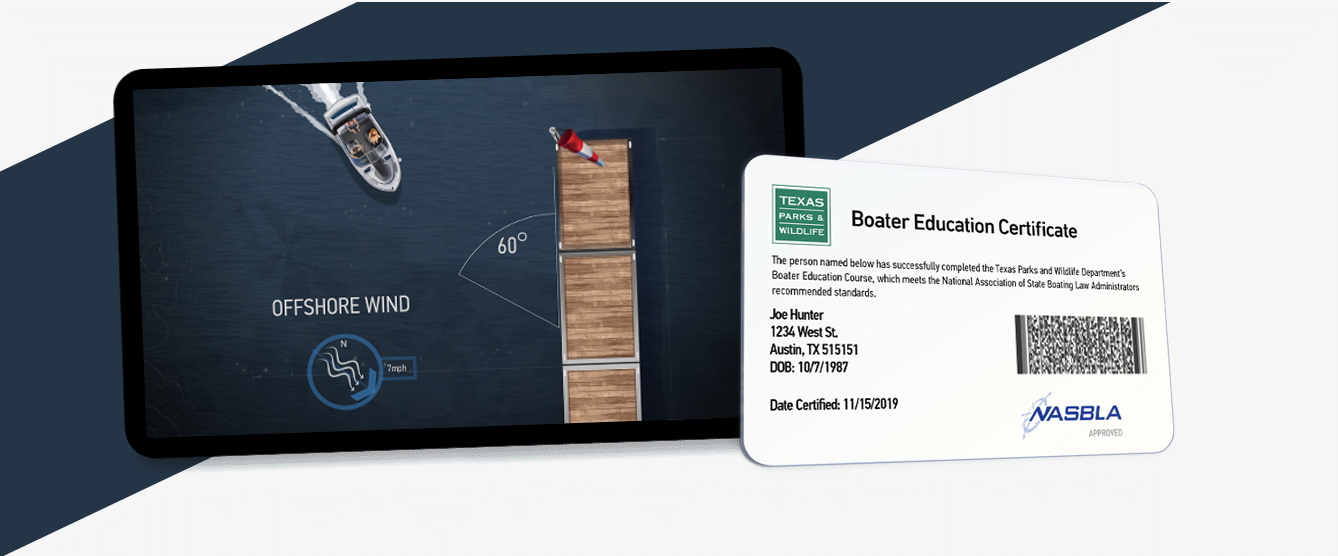
In Texas, the equivalent of a boating license is called a Texas Boating Certificate. This certificate is not a traditional driver’s license but rather proof that an individual has successfully completed a boater education course approved by the TPWD. The core principle behind this requirement is to promote safe boating practices through education. By ensuring operators have a fundamental understanding of navigation rules, safety equipment, emergency procedures, and the responsibilities that come with operating a vessel, the TPWD aims to reduce accidents and promote a culture of responsible boating.
Who Needs a Texas Boating Certificate?
The requirement for a Texas Boating Certificate is primarily based on the age of the vessel operator and the horsepower of the boat. Generally, individuals born on or after September 1, 1993, are required to have a Texas Boating Certificate to operate any motorized vessel on public waters in Texas. This applies regardless of the boat’s size or horsepower.
However, there are specific exemptions and additional considerations to keep in mind:
- Age is Key: If you were born before September 1, 1993, you are exempt from the Texas Boating Certificate requirement, regardless of the horsepower of the vessel you are operating. This exemption recognizes that individuals of a certain age likely have extensive prior boating experience.
- Horsepower Matters for Younger Operators: For individuals born on or after September 1, 1993, the horsepower of the vessel becomes a critical factor. If you are operating a motorized vessel with a horsepower of 15 or more, you will need the Texas Boating Certificate. This means that if you are under the age of 18 (and born after the cutoff date) and wish to operate a boat with a 15-horsepower engine or larger, you must have completed an approved boater education course.
- Operating Under Supervision: For younger operators (under 13 years of age) who are not required to have a Texas Boating Certificate, they may only operate a motorized vessel if supervised by a person who is at least 18 years old and holds a valid Texas Boating Certificate or is exempt from the requirement due to their birthdate. This supervision rule underscores the importance of experienced guidance for novice young boaters.
- Non-Motorized Vessels: Generally, non-motorized vessels such as canoes, kayaks, paddleboards, and sailboats (without an auxiliary motor) do not require a Texas Boating Certificate to operate, as they do not pose the same risks as motorized vessels. However, it’s always wise to check the latest TPWD guidelines, as regulations can evolve.
It is imperative for all boaters, regardless of age or experience, to be aware of these distinctions. Operating a vessel without the required certification can result in fines and penalties.
Obtaining Your Texas Boating Certificate
The process of obtaining a Texas Boating Certificate is designed to be accessible and educational. The TPWD approves various boater education courses, which can be completed through several convenient methods:
- Online Courses: This is often the most flexible option. Numerous accredited online providers offer interactive courses that can be completed at your own pace. These courses typically cover essential topics such as navigation rules, safety equipment, communication, accident prevention, and legal requirements. Upon successful completion, you will receive a certificate, which you can then use to obtain your official Texas Boating Certificate.
- Classroom Courses: For those who prefer a traditional learning environment, the TPWD also offers or approves in-person classroom courses. These courses provide an opportunity for direct interaction with instructors and fellow students, fostering a collaborative learning experience.
- Home Study Courses: Some providers offer courses that can be completed through self-study materials, followed by a proctored exam.
After successfully completing an approved course, you will need to apply for your official Texas Boating Certificate through the TPWD. This usually involves submitting proof of course completion and paying a nominal fee. The certificate is then mailed to you and is valid for a lifetime. It’s important to keep your Texas Boating Certificate with you whenever you are operating a vessel on Texas waters.
Essential Boating Safety and Equipment
Beyond obtaining the necessary certification, safe boating in Texas involves adhering to crucial safety practices and ensuring your vessel is equipped with the proper safety gear. The TPWD emphasizes that safe operation is a shared responsibility, and preparedness can make the difference between a fantastic day on the water and a dangerous situation.
Mandatory Safety Equipment
Regardless of whether a Texas Boating Certificate is required for the operator, all boats operating on Texas public waters must carry specific safety equipment. This equipment is designed to prevent accidents, respond to emergencies, and ensure the safety of all persons on board. Key items include:
- Personal Flotation Devices (PFDs): This is arguably the most critical piece of safety equipment. Every person on board a recreational vessel must have a U.S. Coast Guard-approved PFD readily accessible. For children under 13 years of age, it is mandatory that they wear a PFD at all times while on a recreational vessel. Additionally, there must be at least one wearable PFD for each person on board, and at least one throwable PFD (Type IV) must be on board vessels 16 feet or longer.
- Fire Extinguishers: Depending on the size and type of your vessel, you may be required to carry one or more Coast Guard-approved fire extinguishers. These are essential for combating potential fires that can occur on board.
- Sound-Producing Devices: To signal intentions and warn other vessels, boats are typically required to have a whistle or horn. For larger vessels, a sound-producing device capable of producing a prolonged blast audible for at least half a mile may be necessary.
- Navigation Lights: If operating a vessel between sunset and sunrise, or during periods of restricted visibility, proper navigation lights must be displayed. These lights help other vessels see your boat and understand its position and direction.
- Visual Distress Signals (VDS): For vessels operating on coastal waters, carrying approved VDS is mandatory. These can include flares, smoke signals, or other devices designed to attract attention in an emergency.
- Ventilation Systems: Boats with gasoline engines and enclosed compartments require a ventilation system to prevent the buildup of explosive fumes.
A thorough inspection of your boat’s safety equipment before each outing is a fundamental step in responsible boating. Consulting the TPWD‘s official guidelines will provide the most up-to-date and specific requirements for your vessel type and size.
Safe Boating Practices
Beyond the equipment, safe boating is about adopting a mindful and responsible approach to operating a vessel. This includes:
- Awareness of Surroundings: Always maintain a proper lookout for other vessels, swimmers, obstacles, and changing weather conditions.
- Speed Limits and Safe Zones: Be aware of posted speed limits, especially in congested areas, near shorelines, and in designated “no-wake” zones.
- Alcohol and Drug Policies: Texas has strict laws regarding the operation of a vessel while under the influence of alcohol or drugs, mirroring those for driving a vehicle. Boating under the influence (BUI) is a serious offense with severe penalties.
- Weather Monitoring: Check the weather forecast before and during your trip. Be prepared to head to shore if conditions deteriorate.
- Proper Vessel Maintenance: Ensure your boat is in good mechanical condition, with functioning engine, steering, and electrical systems.
- Following Navigation Rules: Familiarize yourself with the “Rules of the Road” for waterways, which dictate how vessels should interact to avoid collisions.
Exploring Texas Waters: Destinations and Activities
With the legal and safety aspects covered, let’s turn our attention to the exciting possibilities that await on Texas‘s diverse waterways. The state offers a rich tapestry of aquatic experiences, catering to every type of adventurer, from the seasoned sailor to the first-time paddler.
Freshwater Adventures
Texas boasts an impressive network of lakes, rivers, and reservoirs, each offering unique recreational opportunities.
- The Texas Hill Country: This region is a boater’s paradise, with stunning lakes like Lake Travis, Lake Austin, and Canyon Lake. These bodies of water are popular for waterskiing, wakeboarding, tubing, and leisurely cruising. Many of them offer beautiful scenery, secluded coves perfect for swimming and picnicking, and a vibrant scene with waterfront restaurants and bars accessible by boat. The Travis Lake area, in particular, is renowned for its clear waters and rugged shorelines.
- East Texas Lakes: For those seeking a more tranquil experience, lakes like Lake Sam Rayburn and Lake Fork offer excellent opportunities for fishing, particularly for bass. These lakes are often surrounded by dense forests, providing a serene backdrop for a day of boating and angling.
- Rivers: Texas‘s rivers, such as the Guadalupe River and the San Marcos River, are popular for tubing, kayaking, and canoeing. These trips often involve navigating gentle rapids and enjoying the natural beauty of the riverbanks, making them ideal for family outings and a relaxed pace.
Coastal Exploration
The Gulf of Mexico coastline in Texas stretches for hundreds of miles, offering a distinct set of aquatic adventures.
- Galveston Island: This historic island is a hub for coastal activities. Boaters can explore the bayous, enjoy fishing charters, or embark on dolphin-watching tours. The proximity to Galveston Bay provides access to a rich marine environment.
- South Padre Island: Further south, South Padre Island is a popular destination for beachgoers and boaters alike. It offers opportunities for deep-sea fishing, parasailing, and exploring the Laguna Madre. The shallow, calm waters of the bay side are perfect for kayaking and paddleboarding, while the Gulf side offers a more adventurous experience.
- Corpus Christi: This vibrant coastal city is home to Corpus Christi Bay and offers excellent sailing and fishing opportunities. Visitors can also explore the Mustang Island State Park by boat, accessing its pristine beaches and diverse birdlife.

Accommodation and Lifestyle Considerations
When planning your Texas boating excursions, it’s essential to consider your accommodation and lifestyle preferences. From luxurious resorts to budget-friendly rentals, Texas offers a wide range of options to complement your aquatic adventures.
- Lakefront Resorts and Hotels: Many of Texas‘s popular lakes and coastal areas feature a variety of hotels, resorts, and vacation rentals. These accommodations often provide direct access to the water, boat rentals, and other amenities catering to boaters. Imagine waking up and stepping onto your own private dock or enjoying breakfast with a panoramic view of the lake. For those seeking a pampered experience, luxury resorts in areas like the Texas Hill Country offer spa services, fine dining, and exclusive access to water activities.
- Apartments and Villas for Longer Stays: If you’re planning an extended boating holiday, renting an apartment or villa can provide a more home-like experience. This is particularly beneficial for families or groups who want the flexibility of preparing their own meals and having more space.
- Budget-Friendly Options: Texas also offers numerous budget-friendly accommodation choices, including campgrounds, motels, and basic rental cabins, especially in less tourist-centric areas. This allows travelers to maximize their time on the water without overspending on lodging.
Ultimately, whether you’re a seasoned mariner or a novice boater, understanding the regulations and prioritizing safety will ensure your Texas aquatic adventures are memorable for all the right reasons. From the thrill of navigating open waters to the tranquility of a sunset cruise, Texas‘s waterways offer an abundance of experiences waiting to be discovered. So, get your Texas Boating Certificate if required, pack your safety gear, and set sail for an unforgettable journey through the Lone Star State’s liquid landscapes.
LifeOutOfTheBox is a participant in the Amazon Services LLC Associates Program, an affiliate advertising program designed to provide a means for sites to earn advertising fees by advertising and linking to Amazon.com. Amazon, the Amazon logo, AmazonSupply, and the AmazonSupply logo are trademarks of Amazon.com, Inc. or its affiliates. As an Amazon Associate we earn affiliate commissions from qualifying purchases.