
Imagine the sun kissing your skin, the gentle lapping of waves against the shore, and the thrill of a tug on your line as you cast into the shimmering waters of the Sunshine State. Florida is a paradise for anglers, offering an incredible diversity of fishing experiences, from the abundant freshwater lakes teeming with bass to the rich saltwater expanses of the Gulf of Mexico and the Atlantic Ocean. Whether you’re a seasoned pro planning an epic fishing expedition or a vacationer hoping to enjoy a casual afternoon with a rod and reel, one question inevitably arises: “Do I need a fishing license in Florida?”
The simple answer is, most likely, yes. However, the specifics depend on several factors, including your residency status, age, the type of water you plan to fish in, and even the kind of fishing activity you’ll be engaging in. Understanding these nuances is crucial for a hassle-free and enjoyable angling adventure in Florida. As a hub for travel, tourism, and lifestyle content, we understand that planning your perfect getaway involves more than just booking flights and hotels; it’s about embracing local activities and ensuring you’re fully prepared. This guide will walk you through everything you need to know about fishing licenses in Florida, helping you navigate the regulations so you can focus on reeling in your next big catch.
Navigating Florida’s Waters: Who Needs a License?
Florida’s commitment to preserving its natural aquatic resources means that most individuals engaging in recreational fishing are required to possess a valid fishing license. This helps fund conservation efforts, habitat restoration, and enforcement of fishing regulations, ensuring that future generations can also enjoy the state’s world-class fishing. Knowing whether you fall into the category of requiring a license is the first step toward a legal and responsible fishing trip.
The Basics: Residents vs. Non-Residents
The primary distinction in licensing requirements often hinges on whether you are considered a Florida resident or a non-resident.
- Florida Residents: Generally, residents aged 16 to 64 are required to have a license to fish in either freshwater or saltwater. To qualify as a Florida resident for licensing purposes, you must be a person who has resided in Florida for six continuous months prior to applying for a license and claim Florida as your primary state of residence. Active military personnel stationed in Florida and their dependents can also qualify for resident rates, regardless of their permanent residency.
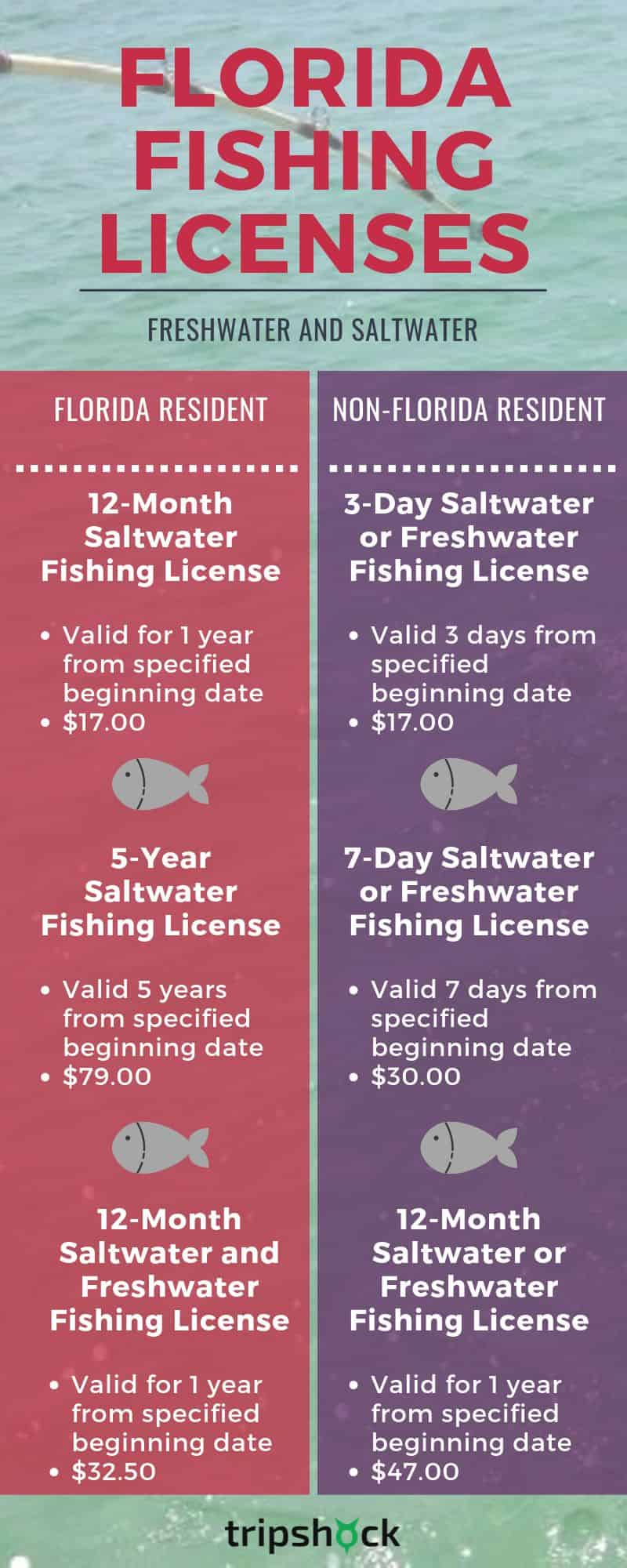
- Non-Residents: Visitors from other states or countries, aged 16 and older, must purchase a non-resident fishing license. Florida is a top global destination, attracting millions of tourists to cities like Orlando, Miami, and the Florida Keys, many of whom wish to experience its fishing opportunities. The good news is that non-resident licenses are available for various durations, from short-term (3 or 7 days) to annual, providing flexibility for different vacation lengths and styles.
It’s important to note that separate licenses are required for freshwater and saltwater fishing, or you can opt for a combination license. If you plan to fish in both environments, a combination license often proves to be the most convenient and cost-effective option for travelers exploring diverse ecosystems, from the Everglades to the coastal waters of Destin.
Exemptions and Special Cases
While the general rule dictates that most anglers need a license, several exemptions and special scenarios exist. Understanding these can save you time and money, especially if your fishing plans fall into one of these categories.
- Children: Anyone under the age of 16, regardless of residency, is not required to have a recreational fishing license in Florida. This is fantastic news for families traveling to destinations like Walt Disney World Resort or Universal Orlando Resort, as it allows kids to participate in fishing activities without an additional hurdle.
- Seniors: Florida residents 65 years of age or older are generally exempt from needing a recreational fishing license. However, they must carry proof of age and residency, such as a Florida Driver’s License or ID card, when fishing.
- Fishing from a Licensed Pier or Charter Boat: One of the most common exemptions for tourists involves licensed fishing piers and charter boats. If you are fishing from a pier that has a valid pier saltwater fishing license, you do not need an individual saltwater fishing license. Similarly, if you are on a licensed fishing charter boat, party boat, or guide boat (often found in popular tourist hubs like Key West or Fort Lauderdale), the vessel’s license covers all passengers, meaning you do not need your own individual license. This makes charter trips an excellent, hassle-free option for visitors looking for a premium fishing experience.
- Free Fishing Days: The Florida Fish and Wildlife Conservation Commission (FWC) designates several “free fishing days” throughout the year, allowing all residents and visitors to fish without a license. These days typically occur in the spring and fall for both freshwater and saltwater and are a great opportunity to try fishing if you’re unsure about committing to a license. Keep an eye on the FWC website for specific dates, which can align perfectly with a long weekend trip or a spontaneous family outing.
- Disabled Persons: Florida residents who have certain disabilities may be eligible for a no-cost Permanent Disabled Person’s Fishing License. Specific criteria and an application process apply, which can be reviewed on the FWC website.
Understanding these exemptions is vital for any traveler planning their Florida itinerary. If you’re staying at a resort in Sarasota with its own fishing pier, or considering a guided deep-sea excursion from Naples, these rules can directly impact your preparation.
Types of Fishing Licenses and Where to Get Them
Once you’ve determined that you need a fishing license, the next step is to understand the different types available and the most convenient ways to acquire one. Florida’s licensing system is designed to be accessible, catering to both long-term residents and short-term visitors eager to explore its vast aquatic playgrounds.
Freshwater vs. Saltwater: Understanding the Options
Florida offers two distinct categories of recreational fishing licenses:
- Freshwater Fishing License: This license is required for fishing in Florida’s inland waters, including lakes, rivers, and ponds. Think about the renowned bass fishing in Lake Okeechobee, the tranquil streams of the Everglades, or the numerous smaller lakes surrounding Kissimmee and Mount Dora. If you’re targeting species like Largemouth Bass, crappie, or various panfish, a freshwater license is what you’ll need.
- Saltwater Fishing License: This license covers fishing in marine waters, which include the Atlantic Ocean, the Gulf of Mexico, bays, estuaries, and tidal rivers. This is where you’ll find species like Snook, Redfish, Tarpon, Grouper, Snapper, and Dolphin (Mahi-Mahi). Whether you’re casting a line from a beach in St. Petersburg, surf fishing on South Beach, or venturing offshore from Jacksonville, a saltwater license is essential.
- Combination Licenses: For those who want to experience the best of both worlds—perhaps spending a morning freshwater fishing and an afternoon exploring the coast—combination licenses are available. These cover both freshwater and saltwater fishing and are often the most practical choice for tourists who might try various activities during their stay. They are also available for different durations (e.g., annual, multi-day), offering flexibility for any itinerary.
In addition to the basic licenses, there may be specific permits or endorsements required for certain species (like Snook or Lobster) or methods, even if you have a general fishing license. Always check the latest FWC regulations for any specific target species or unique fishing activities you plan to undertake.
Purchasing Your License: Online, In-Person, or By Phone
Acquiring a Florida fishing license is remarkably straightforward, offering several convenient methods to suit your travel style and preferences.
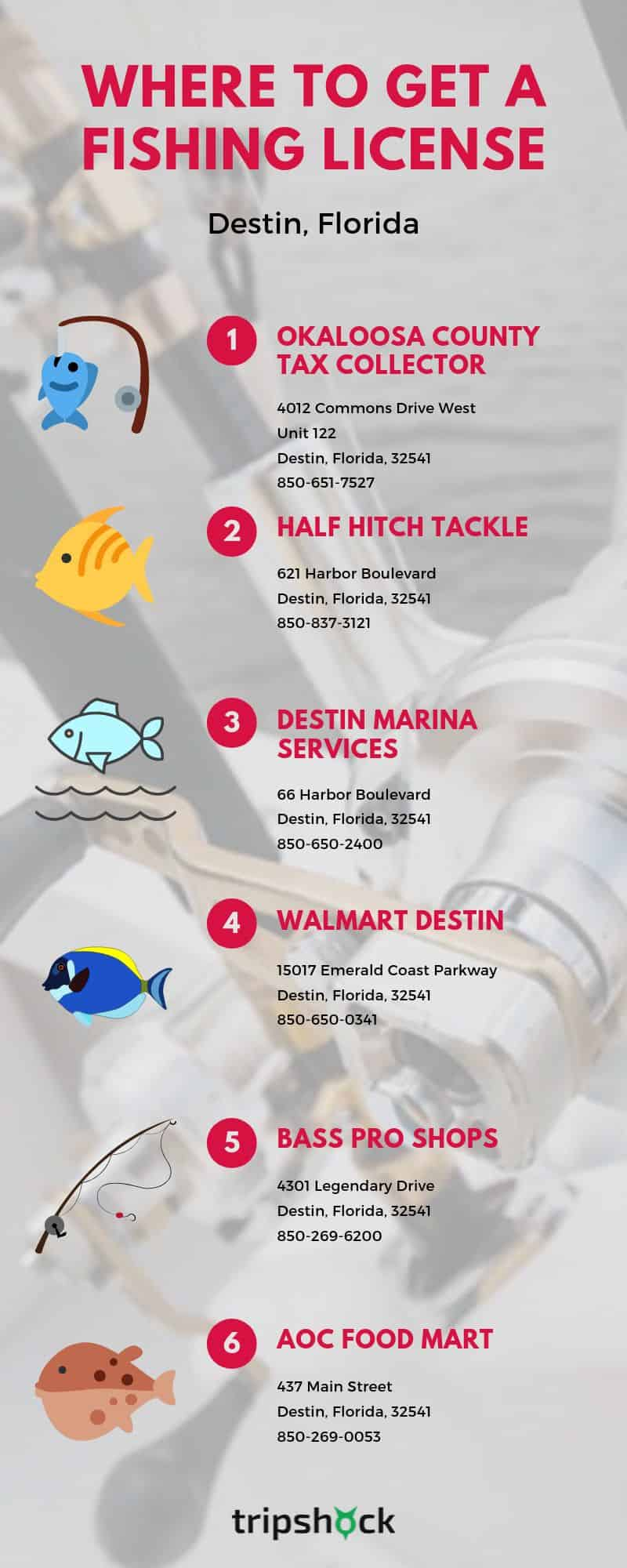
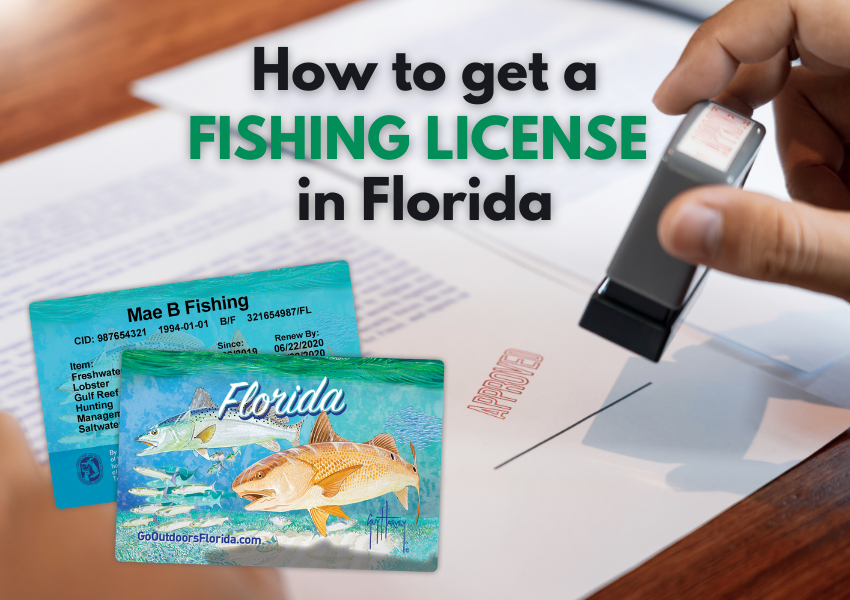
- Online (GoOutdoorsFlorida.com): The easiest and quickest way to purchase your license is online through the official FWC licensing website, GoOutdoorsFlorida.com. This platform allows you to buy and print your license instantly from anywhere, at any time. It’s perfect for last-minute decisions or for planning ahead before you even arrive in Florida. This digital option also lets you store your license on your smartphone, eliminating the need for a physical copy—a convenient feature for modern travelers.
- In-Person: If you prefer a more traditional approach or need to ask questions, licenses can be purchased in person at various locations across the state. These include:
- County Tax Collector’s Offices: Most county tax collector offices handle the sale of fishing licenses. This is a reliable option, especially if you’re settling into a new area.
- Retailers and Bait & Tackle Shops: Many sporting goods stores (like Bass Pro Shops or Academy Sports + Outdoors), Kmart, Walmart, and numerous local bait and tackle shops are authorized license vendors. These locations are particularly convenient as they often also stock all the gear, bait, and local knowledge you might need for your fishing excursion. You’ll find these shops in almost every major city and fishing town, from Pensacola to Islamorada.
- By Phone: You can also purchase licenses by calling the FWC at 888-FISH-FLORIDA (888-347-4356). This can be a good option if you have specific questions or prefer to speak with someone directly.
When purchasing, you’ll need to provide some personal information, including your date of birth, address, and proof of residency (if applicable). Licenses typically have varying validity periods, including 3-day, 7-day, and annual options for non-residents, and annual or 5-year options for residents. For tourists, the short-term licenses are ideal, providing just enough coverage for a vacation while being budget-friendly.
Beyond the License: Essential Fishing Regulations and Conservation
Possessing a fishing license is merely the first step towards a legal and ethical fishing experience in Florida. To truly embrace the lifestyle of an angler in the Sunshine State, it’s equally important to understand and adhere to the broader fishing regulations and contribute to conservation efforts. These rules are in place not to hinder your fun, but to protect Florida’s delicate ecosystems and ensure sustainable fishing for generations to come.
Understanding Bag Limits, Size Limits, and Seasons
The FWC rigorously manages fish populations through a system of bag limits, size limits, and open/closed seasons. These regulations vary significantly depending on the species and often between freshwater and saltwater environments.
- Bag Limits: This refers to the maximum number of a specific fish species you are allowed to keep in a single day. For example, you might be allowed to keep a certain number of Redfish or Snapper per day. These limits are crucial for preventing overfishing and ensuring healthy breeding populations.
- Size Limits: Many popular game fish have minimum and/or maximum size requirements. For instance, a Snook must fall within a specific slot size to be legally harvested. This protects juvenile fish, allowing them to mature and reproduce, and also safeguards large, reproductively valuable adults. Always carry a measuring tape!
- Seasons: Some species have open and closed seasons, meaning they can only be harvested during specific times of the year. This often coincides with spawning periods, giving fish a chance to reproduce undisturbed. For example, certain Grouper species or even Lobster have specific seasons. Planning your trip around these seasons can increase your chances of targeting your preferred species, especially if you’re traveling to specific locations like Marathon in the Florida Keys for a particular catch.
It is your responsibility as an angler to know and follow these regulations. The FWC website (MyFWC.com) is an invaluable resource, providing up-to-date information on all current regulations, often downloadable as a convenient PDF booklet or accessible through their mobile app. Local bait and tackle shops are also excellent sources of current information. Ignorance of the law is not an excuse, and violations can result in hefty fines and penalties.
Responsible Angling: Protecting Florida’s Marine Ecosystems
Fishing in Florida is not just a recreational activity; it’s an opportunity to connect with nature and contribute to its preservation. Adopting responsible angling practices is vital for protecting the state’s diverse aquatic habitats, from coral reefs to seagrass beds and freshwater springs.
- Catch and Release: For many species, especially those with strict limits or those you don’t intend to eat, practicing proper catch-and-release techniques is highly encouraged. This involves minimizing handling time, using appropriate tackle to reduce harm, and releasing fish gently back into the water.
- Respect Habitats: Avoid damaging sensitive habitats like seagrass beds or coral formations with your boat or anchor. These areas are crucial nurseries and feeding grounds for countless species. When fishing from shore, avoid leaving trash or discarded fishing line, which can harm wildlife.
- Proper Disposal of Waste: Always dispose of fishing line, hooks, and other tackle in designated receptacles or take them with you. Monofilament fishing line can be particularly dangerous to birds and marine animals.
- Reporting Violations: If you witness any fishing violations, such as poaching or disregard for limits, reporting them to the FWC (through their “Wildlife Alert” hotline or app) helps protect Florida’s resources.
By adhering to these principles, anglers become stewards of Florida’s natural beauty, ensuring that the state remains a premier fishing destination for years to come. This aligns perfectly with sustainable tourism practices, a core value for many travelers and destinations seeking to preserve their unique appeal.
Integrating Fishing into Your Florida Vacation Experience
Florida offers an unparalleled blend of world-class attractions and natural wonders, making it a dream destination for any traveler. For those with a passion for angling, incorporating fishing into a broader vacation experience is not just possible, but highly recommended. It’s an authentic way to engage with Florida’s local culture and natural beauty, complementing stays at luxurious resorts or adventurous explorations of its landmarks.
Top Florida Destinations for Anglers
No matter what type of fishing you prefer, Florida has a destination that will captivate you. Each region offers unique opportunities and landscapes.
- The Florida Keys: Widely regarded as the “Sportfishing Capital of the World,” the Florida Keys offer incredible saltwater fishing, from backcountry flats fishing for bonefish and permit to offshore adventures for marlin and sailfish. Destinations like Islamorada, Marathon, and Key West are dotted with resorts that cater specifically to anglers, offering guide services and boat rentals. Beyond fishing, the Keys are famous for their relaxed lifestyle, vibrant coral reefs perfect for snorkeling and diving, and charming local culture. You could spend a morning battling a Tarpon and an afternoon exploring the historic streets of Key West or visiting Dry Tortugas National Park.
- Orlando and Central Florida: While known globally for its theme parks like Walt Disney World Resort and Universal Orlando Resort, Orlando and the surrounding central region are also freshwater fishing meccas. Lakes like Lake Okeechobee and the Kissimmee Chain of Lakes are legendary for trophy Largemouth Bass. Many hotels and resorts in the area can arrange guided bass fishing trips, offering a unique contrast to the bustling theme parks. It’s an ideal choice for families where some members might prefer roller coasters and others prefer reeling in a big catch.
- The Panhandle (Destin, Pensacola): Florida’s Panhandle region, with its stunning white-sand beaches and emerald waters, is a prime spot for both inshore and offshore saltwater fishing. Destin, known as the “World’s Luckiest Fishing Village,” boasts a large charter fleet targeting snapper, grouper, amberjack, and king mackerel. Pensacola offers excellent opportunities for pier fishing and surf fishing. This area also provides a perfect backdrop for a family beach vacation, with plenty of attractions beyond fishing.
- Tampa Bay Area (Tampa, St. Petersburg): The expansive waters of Tampa Bay and its surrounding areas like St. Petersburg are fantastic for inshore fishing, particularly for redfish, snook, and trout. The region combines urban amenities with easy access to some of the state’s best fishing flats and estuaries. Many luxury resorts along the coast offer breathtaking views and easy access to charter services, blending upscale accommodation with adventurous activities.
- Everglades: For an truly wild and unique experience, the Everglades offers incredible fishing for freshwater species like Largemouth Bass and Peacock Bass, as well as saltwater species like Snook and Tarpon in its brackish waters. It’s a place of unparalleled natural beauty and a must-visit for eco-tourists and adventurous anglers, often accessed via guided airboat tours or fishing skiffs departing from gateway cities like Miami or Naples.
- Northeast Florida (Jacksonville, St. Augustine): This region, including cities like Jacksonville, offers diverse fishing experiences. The St. Johns River is known for its incredible freshwater fishing, while the coastal areas provide opportunities for surf fishing and offshore charters. History buffs can combine fishing trips with visits to the historic landmarks of St. Augustine, the nation’s oldest city.
Chartering a Boat or Fishing from a Pier: The Best of Both Worlds
For many visitors, the easiest way to enjoy Florida’s fishing is through organized excursions:
- Charter Boats: Booking a fishing charter is a fantastic option, especially for non-residents. As mentioned, the vessel’s license covers all passengers, meaning you generally won’t need your own individual license. Charter captains are experts in local waters, regulations, and techniques, greatly increasing your chances of a successful and memorable trip. They provide all the necessary gear, bait, and invaluable guidance, making it a perfect choice for beginners or those seeking a premium experience. Many high-end hotels and resorts often have partnerships with local charter services, making booking seamless.
- Fishing Piers: Florida is home to numerous public fishing piers, particularly along its coastal regions and in larger bodies of freshwater. Many saltwater piers hold a valid pier fishing license, exempting individual anglers from needing their own saltwater license. This is an incredibly accessible and budget-friendly way to enjoy fishing, offering beautiful views and a relaxed atmosphere. It’s a popular activity for families and casual anglers, and often requires just a small pier fee.
Integrating fishing into your Florida vacation elevates the experience from a simple trip to an immersive adventure. Whether you’re seeking the thrill of the chase, the tranquility of nature, or simply a fun family activity, Florida’s waters beckon.
In conclusion, while most individuals will need a fishing license to cast a line in Florida, the process is straightforward, and various exemptions cater to specific situations, especially for tourists on charter boats or licensed piers. Always consult the Florida Fish and Wildlife Conservation Commission for the most current regulations, and remember to practice responsible angling. By understanding these guidelines, you can ensure your fishing adventure in the Sunshine State is not only successful but also contributes to the preservation of its breathtaking natural resources. So, grab your gear, plan your trip, and get ready to create unforgettable memories on Florida’s beautiful waters!
LifeOutOfTheBox is a participant in the Amazon Services LLC Associates Program, an affiliate advertising program designed to provide a means for sites to earn advertising fees by advertising and linking to Amazon.com. Amazon, the Amazon logo, AmazonSupply, and the AmazonSupply logo are trademarks of Amazon.com, Inc. or its affiliates. As an Amazon Associate we earn affiliate commissions from qualifying purchases.