
Texas, a state renowned for its vast landscapes and abundant waterways, offers a veritable paradise for anglers. From the shimmering waters of the Gulf of Mexico to the tranquil lakes and winding rivers inland, opportunities to cast a line abound. However, before you embark on your angling adventure across the Lone Star State, a crucial question arises: do you need a fishing license in Texas? The answer is a resounding yes for most individuals, and understanding the nuances of Texas fishing regulations is paramount to a smooth and enjoyable fishing experience.

The Texas Parks and Wildlife Department (TPWD) is the governing body responsible for overseeing fishing and hunting in the state. Their mandate includes conserving and managing wildlife populations, ensuring sustainable fishing practices, and providing recreational opportunities for residents and visitors alike. A key component of this management strategy is the requirement for fishing licenses. These licenses not only fund conservation efforts but also help TPWD track fishing activity, which is vital for setting appropriate catch limits and managing fish stocks effectively. Ignorance of these regulations can lead to citations, fines, and a spoiled fishing trip, making it essential for every angler to be well-informed.
Understanding Who Needs a Texas Fishing License
The general rule in Texas is that anyone 17 years of age or older must possess a valid Texas fishing license to fish in public waters. This includes a wide array of fishing scenarios, whether you’re wading in a river, casting from a pier, or venturing out on a boat. There are, however, specific exceptions and nuances to this rule that are important to understand.
Age-Related Exemptions
As mentioned, individuals under 17 years of age are generally exempt from needing a fishing license. This is a fantastic provision that allows younger generations to experience the joy of fishing without the immediate barrier of a license purchase. However, it’s crucial to remember that while the youth don’t need their own license, they must still adhere to all fishing regulations, including bag limits and size restrictions, for the species they are catching.
Specific Water Body and Time Exemptions
Texas offers a unique opportunity for anglers to fish without a license during designated “Texas Free Fishing Days.” These events are typically held once a year, usually in early June, providing a state-wide opportunity for anyone to fish without purchasing a license for that day. These days are promoted by TPWD and are a great way to introduce new people to fishing or for seasoned anglers to share their passion.
Another important consideration is the distinction between public and private waters. If you are fishing on private property where you have explicit permission from the landowner, and the water body is not connected to public waters, you may not need a license. However, this exemption is very specific and often misunderstood. If there’s any doubt about whether the water body is considered public or private, it is always best to err on the side of caution and obtain a license.
Special Cases and Requirements
For certain types of fishing, additional permits or stamps may be required even with a valid fishing license. For example, if you intend to fish for or catch red drum, speckled trout, or flounder in saltwater, you will need to purchase a Saltwater Fishing Stamp in addition to your basic fishing license. Similarly, anglers targeting alligator gar may need a specific endorsement. These additional permits help fund the conservation and management of specific species and habitats.
It’s also worth noting that residents of Texas may be eligible for discounted licenses, such as youth, senior, or disabled veteran licenses. These offer a more affordable way to enjoy the state’s fishing opportunities for eligible individuals.
Types of Texas Fishing Licenses
Texas Parks and Wildlife Department offers a variety of fishing licenses tailored to different needs and durations. Choosing the right license ensures you are compliant and get the most value for your money.
Resident Licenses
For residents of Texas, there are several options:
- Annual Resident Fishing License: This is the most common license and is valid for one year from the date of purchase. It allows you to fish in all public waters in Texas.
- Youth Annual Resident Fishing License: Available for residents aged 17 to 16. While those under 17 are generally exempt, this license allows them to have their own official license if they wish, often at a reduced cost.
- Senior Citizen Lifetime Fishing License: For Texas residents 65 years of age or older, this one-time purchase provides a lifetime of fishing in Texas.
- Special Resident Licenses: TPWD offers various specialized licenses for disabled veterans, individuals with certain disabilities, and low-income seniors, providing access at a significantly reduced cost.
Non-Resident Licenses
For anglers visiting Texas from out of state, a range of non-resident licenses are available:
- Annual Non-Resident Fishing License: Valid for one year from the date of purchase, this license allows out-of-state residents to fish in all public waters.
- 1-Day Non-Resident Fishing License: A convenient option for short trips, this license is valid for a single day.
- 3-Day Non-Resident Fishing License: Ideal for a weekend getaway or a few days of fishing.
- 14-Day Non-Resident Fishing License: For longer visits, this license offers extended fishing privileges.
Inland vs. Saltwater Endorsements
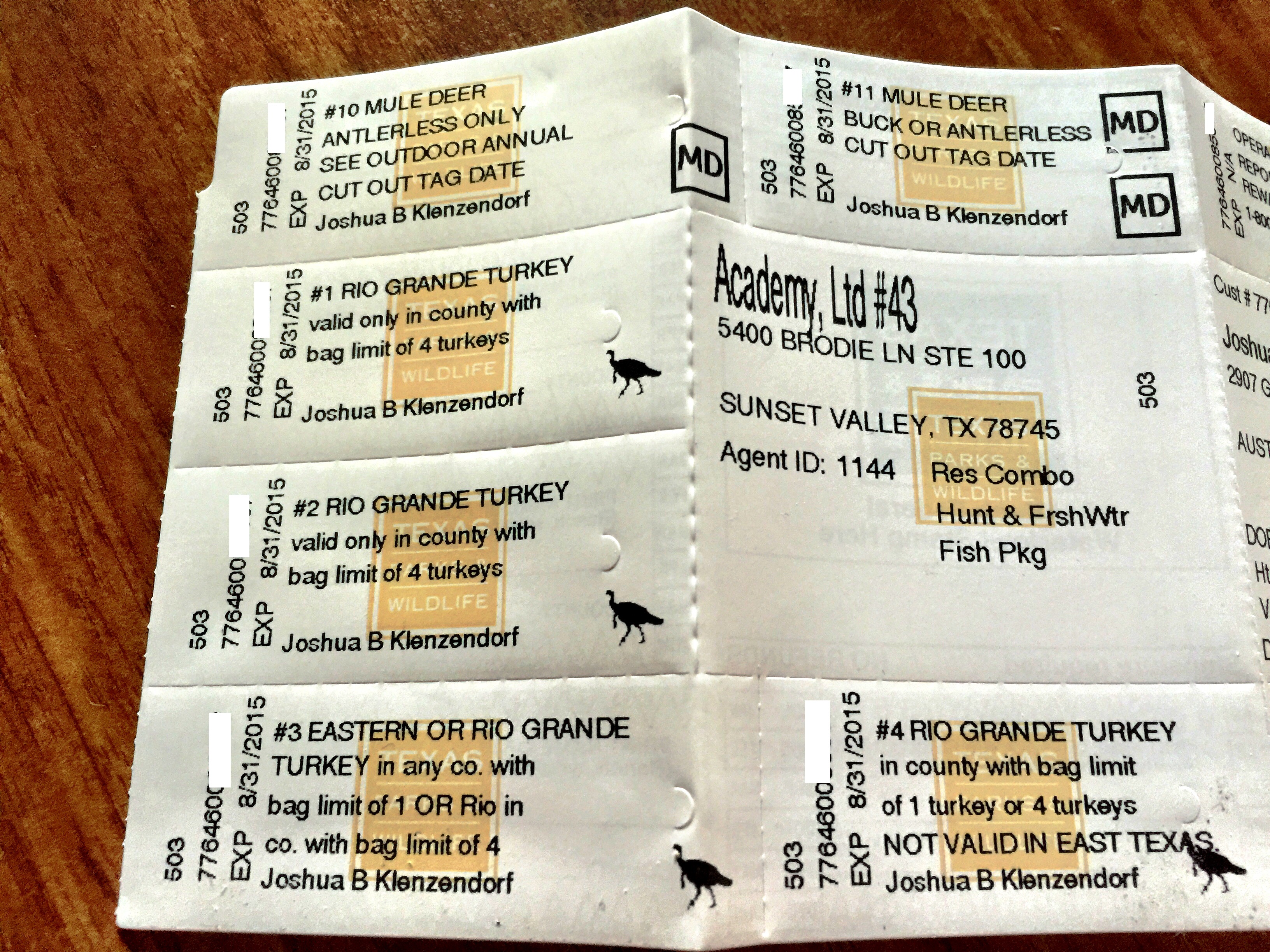
In addition to the base fishing license, anglers will need to consider their fishing location:
- Freshwater Fishing License: This license is required for fishing in inland waters such as lakes, rivers, and streams, where freshwater species like largemouth bass, crappie, and catfish are prevalent.
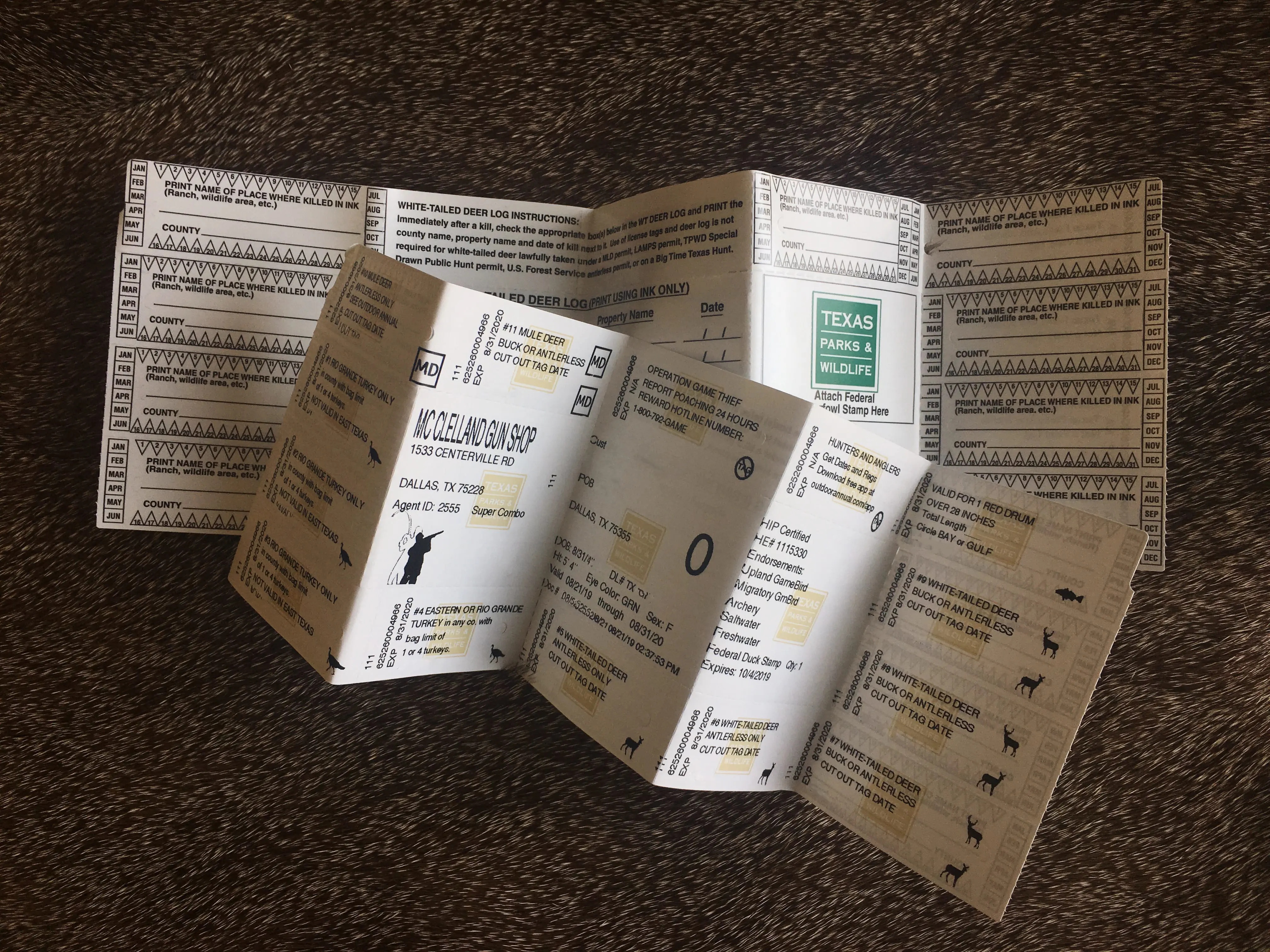
- Saltwater Fishing Stamp: If you plan to fish in saltwater environments along the Texas coast, including bays and the Gulf of Mexico, you will need to purchase a Saltwater Fishing Stamp in addition to your freshwater license or a specific saltwater license. This stamp is essential for targeting species such as red drum, speckled trout, and flounder.
- All-Water Fishing License: For anglers who intend to fish in both freshwater and saltwater, TPWD offers an All-Water Fishing License that covers both environments, eliminating the need for separate endorsements. This is often the most practical choice for anglers who enjoy a diverse range of fishing experiences.
Where and How to Purchase a Texas Fishing License
Purchasing a Texas fishing license is a straightforward process with several convenient options available to anglers. It’s recommended to acquire your license before heading out to your chosen fishing spot to avoid any potential issues.
Online Purchase
The easiest and most convenient method is to purchase your license online through the official Texas Parks and Wildlife Department website. The website is user-friendly and allows you to select the appropriate license type, pay securely, and print your license immediately or have it available on your mobile device. This option is available 24/7, fitting into any schedule.
In-Person Purchase
For those who prefer a physical transaction or need assistance, licenses can be purchased in person at numerous authorized locations across Texas. These include:
- Local County Clerk Offices: Many county clerk offices are authorized to sell fishing licenses.
- Bait and Tackle Shops: Most sporting goods stores and local bait and tackle shops that cater to anglers are authorized license vendors. This is a great opportunity to chat with local experts about current fishing conditions.
- Walmart Stores: Several Walmart locations throughout Texas also serve as license vendors.
- TPWD Law Enforcement Offices: While less common, some TPWD regional offices may also sell licenses.
When purchasing in person, remember to bring a valid form of identification. The vendor will guide you through the selection of the appropriate license based on your residency status and fishing plans.
Mobile App
Texas Parks and Wildlife Department also offers a mobile application that allows anglers to purchase and store their fishing licenses digitally. This is an excellent option for those who frequently fish and want to have their license readily accessible on their smartphone. The app also often provides access to fishing regulations, maps, and other useful information for anglers.
Regulations and Compliance for Texas Anglers
Beyond the requirement of a fishing license, Texas anglers must also be aware of and comply with a comprehensive set of fishing regulations designed to protect fish populations and ensure fair recreational opportunities. Adhering to these rules is not just a legal obligation but a crucial aspect of responsible angling and conservation.
Bag and Size Limits
One of the most important regulatory aspects is understanding bag limits and size restrictions for various fish species. Bag limits dictate the maximum number of fish of a particular species you can legally keep per day, while size limits specify the minimum (and sometimes maximum) length a fish must be to be kept. These regulations vary significantly by species and water body, so it is imperative to consult the current TPWD fishing regulations guide. For instance, the regulations for largemouth bass in Lake Fork may differ from those in Caddo Lake or the Gulf of Mexico saltwater.
Closed Seasons and Special Restrictions
Some fish species have closed seasons, meaning fishing for them is prohibited during certain times of the year to protect them during their spawning periods. Additionally, certain water bodies or specific areas may have special regulations, such as restrictions on bait usage, fishing methods, or catch-and-release requirements. Always check for any localized rules that might apply to your specific fishing destination.
Record Keeping and Reporting
While not a requirement for all anglers, TPWD does encourage the reporting of trophy-sized fish. Participating in the ShareLunker program, for example, allows anglers to contribute valuable data about large largemouth bass in the state, which aids in research and management efforts.
Respecting Private Property andñones
When fishing in areas accessible to the public, always be mindful of private property boundaries. Obtain permission before trespassing and leave any fishing spot cleaner than you found it. This includes properly disposing of any trash, fishing line, or bait containers. Practicing “leave no trace” principles ensures that natural areas remain pristine for future generations of anglers and outdoor enthusiasts.
In conclusion, for most individuals aged 17 and older, a fishing license is indeed required to cast a line in the abundant public waters of Texas. Understanding the exemptions, choosing the appropriate license type, and familiarizing yourself with the comprehensive regulations are essential steps for any angler planning to explore the diverse and rewarding fishing opportunities the Lone Star State has to offer. A little preparation goes a long way in ensuring a legal, ethical, and memorable fishing adventure.
LifeOutOfTheBox is a participant in the Amazon Services LLC Associates Program, an affiliate advertising program designed to provide a means for sites to earn advertising fees by advertising and linking to Amazon.com. Amazon, the Amazon logo, AmazonSupply, and the AmazonSupply logo are trademarks of Amazon.com, Inc. or its affiliates. As an Amazon Associate we earn affiliate commissions from qualifying purchases.