
Navigating the scenic landscapes and vibrant cities of the Centennial State often involves a road trip. Whether you’re planning to explore the majestic Rocky Mountains, delve into the historic charm of Denver, or experience the artistic allure of Boulder, understanding local regulations is paramount for a smooth journey. One such regulation that often sparks curiosity among visitors and new residents alike pertains to vehicle identification: the requirement for a front license plate. This guide aims to clarify the legal standing of front license plates in Colorado, ensuring your travels are free from unexpected encounters with law enforcement.

Understanding Colorado’s Vehicle Registration Laws
The legal framework governing vehicle registration and display in Colorado is primarily established through state statutes. These laws dictate what is required for a vehicle to be legally operated on public roads. For motor vehicles, this includes proper identification through license plates. The intention behind these regulations is twofold: to facilitate identification by law enforcement and to contribute to public safety by ensuring vehicles are registered and traceable.
The Colorado Revised Statutes and License Plate Requirements
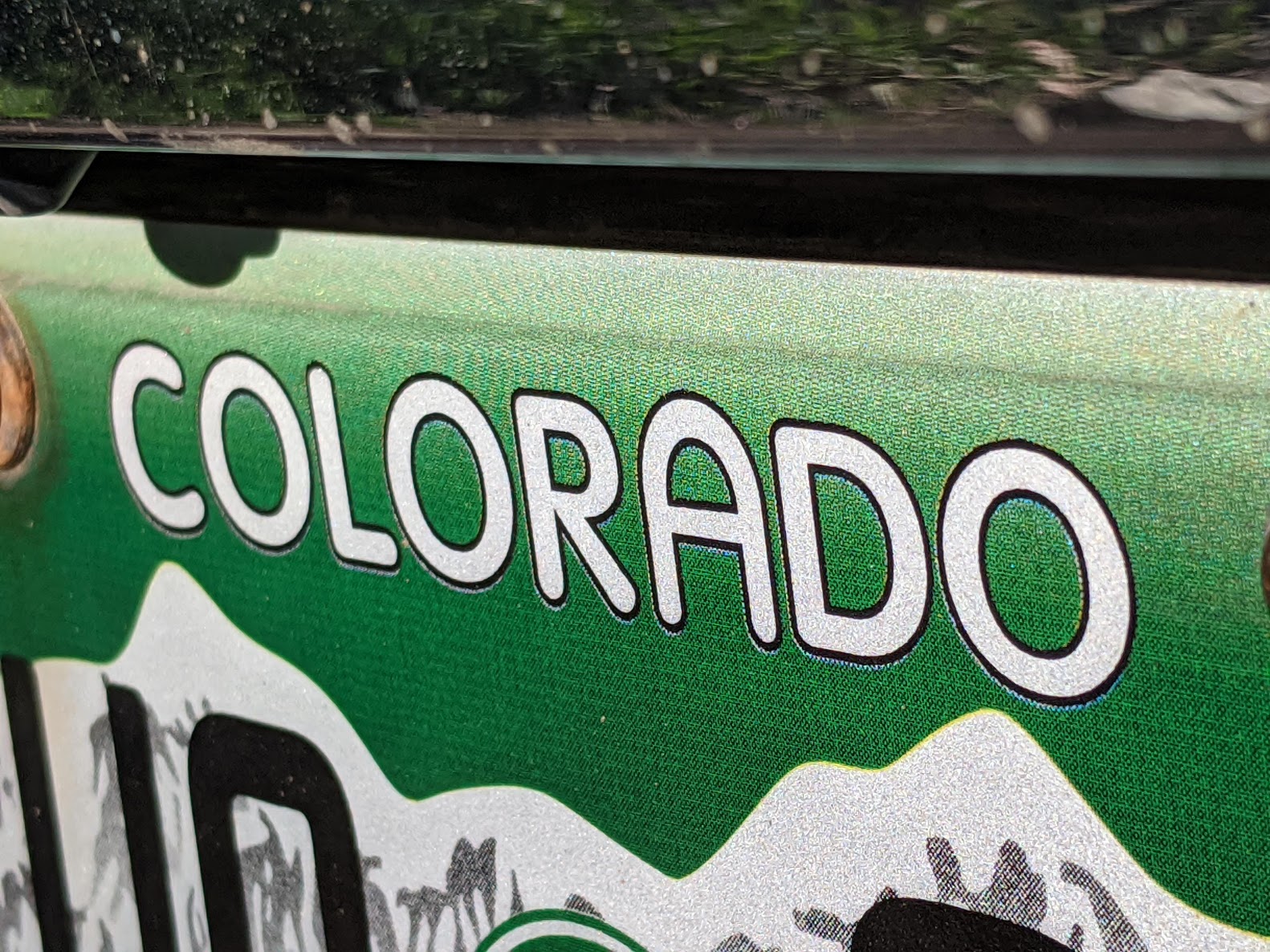
The Colorado Revised Statutes (CRS) provide the definitive legal guidance on vehicle registration and the display of license plates. Specifically, CRS 42-3-201 outlines the mandatory requirements for license plates. This statute mandates that a license plate, issued by the Department of Revenue, must be attached to the “front and rear of each motor vehicle” for which registration is required.
This wording is crucial. It explicitly states that both a front and a rear license plate are required. The statute does not provide exceptions for specific types of vehicles or for different driving conditions. Therefore, based on the statutory language, it is unequivocally clear that a front license plate is a legal requirement for all registered motor vehicles operating within the state of Colorado.
Enforcement and Penalties
Failure to comply with state laws regarding vehicle registration and identification can result in citations. In Colorado, driving a vehicle without the required front license plate can lead to a traffic violation. While the specific penalty may vary depending on the jurisdiction and the discretion of the issuing officer, it typically falls under a minor traffic infraction. This could result in a warning, a fine, or a requirement to correct the violation and present proof of compliance to the court.
Law enforcement officers utilize license plates as a primary means of identifying vehicles, whether for routine traffic stops, accident investigations, or when responding to other incidents. The presence of both front and rear plates ensures comprehensive identification capabilities.
The Practical Implications for Drivers and Travelers
For anyone planning to drive in Colorado, whether as a resident or a visitor, understanding and adhering to this regulation is straightforward.
New Residents and Vehicle Registration

Individuals moving to Colorado are required to register their vehicles with the Colorado Department of Revenue within a specified timeframe. This process involves obtaining new Colorado license plates, which will include both front and rear plates. Failure to complete this registration in a timely manner can also lead to penalties.
Visitors and Out-of-State Plates
Visitors driving vehicles registered in other states that do not require a front license plate should be aware that Colorado law applies to all vehicles operating within its borders. While an out-of-state vehicle might not have a front plate, it is still subject to Colorado’s display requirements if it is operated within the state for an extended period or if it is cited for a violation. However, for short-term visitors, a citation for a missing front plate on an out-of-state vehicle is less common but still possible, especially if the vehicle is perceived as being in violation of local statutes. The safest approach for any driver in Colorado is to ensure their vehicle displays both a front and a rear license plate.
Exceptions and Misconceptions
There are often discussions and misconceptions surrounding license plate requirements, particularly concerning classic cars, custom vehicles, or vehicles with unique bumper designs. However, the Colorado Revised Statutes do not explicitly carve out exceptions for these situations. If a vehicle is registered and operated on public roads, it must comply with the front and rear license plate mandate. Some vehicle owners might attempt to mount plates in unconventional locations or use plate frames that obscure parts of the plate. Such practices can also lead to violations.
Maximizing Your Colorado Travel Experience
Adhering to the front license plate law is a minor detail that contributes to a hassle-free travel experience in Colorado. By ensuring your vehicle is properly registered and displays both plates, you can focus on enjoying the unparalleled beauty and activities the state has to offer.
Planning Your Road Trip Itinerary
Colorado offers a diverse range of attractions for every type of traveler.
- Outdoor Adventures: For those seeking adventure, the Rocky Mountains provide world-class opportunities for hiking, skiing, snowboarding, and rock climbing. Destinations like Aspen, Vail, and Breckenridge are renowned ski resorts. National Parks such as Rocky Mountain National Park offer breathtaking scenery and wildlife viewing.
- Cultural Exploration: Denver, the state capital, boasts a thriving arts scene, numerous museums like the Denver Art Museum, and a vibrant culinary landscape. Historic towns like Golden and Central City offer a glimpse into the state’s mining past.
- Unique Experiences: Explore the geological wonders of the Garden of the Gods near Colorado Springs, or take a scenic drive along one of the state’s many byways, such as the Peak to Peak Scenic Byway.
Vehicle Preparation for Colorado
Beyond ensuring your license plates are compliant, a well-prepared vehicle enhances your journey.
- Tire Pressure and Tread: Colorado experiences varied weather conditions. Ensure your tires are properly inflated and have adequate tread, especially if you plan to drive in mountainous or wintery conditions.
- Fluid Levels: Check engine oil, coolant, brake fluid, and windshield washer fluid.
- Emergency Kit: Pack a basic emergency kit, including jumper cables, a first-aid kit, a flashlight, and non-perishable snacks.
- Navigation: While GPS is invaluable, carrying a physical map or downloading offline maps can be a lifesaver in areas with limited cell service.
By addressing practicalities such as license plate display regulations, you can ensure your adventures in Colorado are memorable for all the right reasons, allowing you to fully immerse yourself in the state’s majestic natural beauty and rich cultural tapestry. The requirement for a front license plate in Colorado is a clear statutory mandate, designed to aid in identification and uphold public safety. Compliance ensures a smooth and lawful passage through this magnificent state.
LifeOutOfTheBox is a participant in the Amazon Services LLC Associates Program, an affiliate advertising program designed to provide a means for sites to earn advertising fees by advertising and linking to Amazon.com. Amazon, the Amazon logo, AmazonSupply, and the AmazonSupply logo are trademarks of Amazon.com, Inc. or its affiliates. As an Amazon Associate we earn affiliate commissions from qualifying purchases.