
Embarking on a journey through the vast and diverse landscapes of Texas, whether for a leisurely vacation, a business trip, or a new chapter as a resident, often involves navigating the intricacies of local laws and regulations. For many drivers, one question frequently arises as they traverse the Lone Star State’s highways and byways: “Do I need a front license plate in Texas?” This seemingly simple query touches upon vehicle compliance, law enforcement practices, and even the aesthetics of car ownership, proving to be a critical piece of information for anyone hitting the road. As a hub for travel and tourism enthusiasts, understanding such details ensures a smooth and worry-free experience, allowing you to focus on the unforgettable destinations and vibrant lifestyle that Texas offers.

The answer, in most cases, is a resounding yes. Texas law explicitly mandates that all registered vehicles, with very few exceptions, must display two license plates: one at the front and one at the rear. This requirement is not merely a bureaucratic formality but serves several important functions, from law enforcement and public safety to revenue collection and traffic management. For visitors renting a vehicle for a road trip through Texas or new residents moving their car from a state with different rules, knowing this information upfront can save a significant amount of hassle, time, and potential fines. This comprehensive guide will delve into the specifics of Texas’s front license plate law, explore its implications for drivers and travelers, discuss common misconceptions, and offer practical tips for ensuring compliance.
The Law: Understanding Texas’s Two-Plate Requirement
The legal framework surrounding license plates in Texas is clear and unambiguous. It’s a regulation designed to ensure that vehicles are easily identifiable, a cornerstone of effective law enforcement and traffic management in a state as expansive and populous as Texas.
The Legal Mandate and Its Roots
The Texas Transportation Code, specifically Section 504.943, stipulates that “A person may not operate a motor vehicle that has been assigned two license plates unless one plate is attached to the front of the vehicle and the other license plate is attached to the rear of the vehicle.” This isn’t a new law; it has been in effect for decades, reflecting a long-standing commitment to public safety and order. The rationale behind the two-plate system is multifaceted. Front and rear plates facilitate easier identification of vehicles by law enforcement, particularly in situations involving Amber Alerts, hit-and-run incidents, or general traffic stops. They also aid in the enforcement of toll roads and parking regulations, which are increasingly reliant on automated plate recognition technology. For visitors enjoying the many attractions in Dallas, exploring the vibrant music scene in Austin, or doing business in Houston, this means ensuring your rental car or personal vehicle is properly equipped to avoid unexpected encounters with the law.
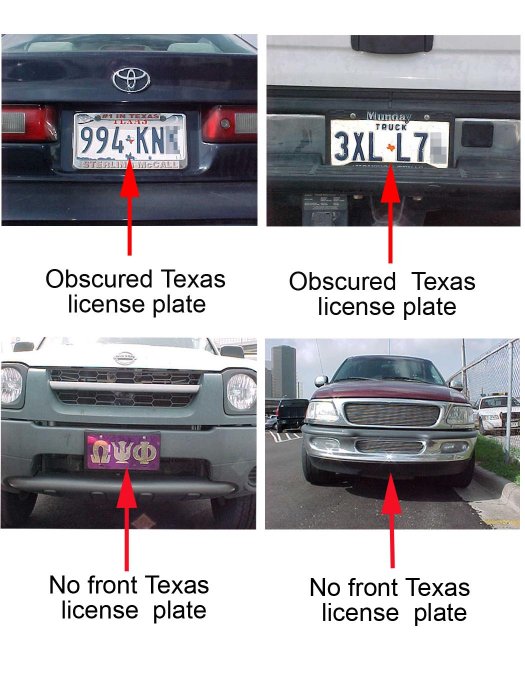
The requirement applies to virtually all motor vehicles, including passenger cars, trucks, SUVs, and even some types of commercial vehicles. The plates must be securely fastened in a horizontal position and clearly visible. They cannot be obscured by tinted covers, mud, or any other material that would hinder their readability. This visibility is paramount for automated systems and human officers alike, making it a critical aspect of compliance. The Department of Motor Vehicles (DMV) provides these plates upon vehicle registration, and it’s the owner’s responsibility to ensure they are properly displayed.
Who Needs to Comply?
The simple answer is almost everyone operating a vehicle registered in Texas. This includes long-time residents, new arrivals relocating to cities like San Antonio or El Paso, and even those driving vehicles with temporary tags awaiting their permanent plates. If you’ve recently moved to Texas from a state like Florida or Pennsylvania, which are one-plate states, you’ll need to obtain Texas plates and ensure both are affixed.
For out-of-state visitors, the situation can be a bit more nuanced. Generally, vehicles are expected to comply with the registration laws of their home state. So, if your vehicle is registered in a state that only requires a rear plate (e.g., Arizona, Michigan), you are typically exempt from Texas’s front plate rule as long as your vehicle is not registered in Texas. However, if you’re renting a car within Texas, that vehicle will undoubtedly be a Texas-registered car and will therefore be required to have both plates. Rental car companies are well aware of this law and will provide vehicles compliant with state regulations. For those on a budget travel adventure, opting for a compliant rental can prevent unforeseen expenses. Understanding these distinctions is crucial for anyone planning to drive extensively through the United States and especially within Texas.
Practical Implications for Drivers and Travelers
Beyond the letter of the law, the front license plate requirement has several practical implications that drivers and travelers should be aware of, ranging from potential financial penalties to considerations about vehicle aesthetics and resale value.
Potential Fines and Penalties
Non-compliance with the front license plate law is considered a Class C misdemeanor in Texas. While it’s not a severe criminal offense, it does carry a fine. The base fine can range from $10 to $200, but with court fees and administrative costs, the total amount can easily exceed $200. This might seem like a minor infraction, but for someone on a carefully planned family trip or a luxury travel excursion, an unexpected fine can certainly put a damper on the experience.
Furthermore, a traffic stop for a missing front license plate can lead to other issues. Law enforcement officers may use the stop as a pretext to investigate other potential violations, such as expired registration, lack of insurance, or impaired driving. While a missing front plate alone is usually a primary offense, meaning you can be pulled over solely for that reason, it’s wise to ensure all aspects of your vehicle’s compliance are in order to avoid compounding problems. For those considering long-term stays or relocating, understanding these local nuances is paramount to a smooth transition.
Impact on Vehicle Aesthetics and Resale
For many car enthusiasts, especially owners of performance or luxury vehicles, the idea of drilling holes into the front bumper to mount a license plate is unappealing. This aesthetic concern has been a significant point of contention, particularly for vehicles like a Tesla Model 3 or a sports car where the design is a key selling point. Some vehicle manufacturers, like Porsche or Ford on certain models, design their cars with sleek, aerodynamic fronts that don’t always accommodate a front plate easily. Owners might opt for creative, non-drilling solutions like tow-hook mounts or magnetic holders, but these must still securely display the plate and meet visibility requirements.
Beyond personal preference, the presence of drilled holes in the front bumper can potentially impact the vehicle’s resale value. While minor, some buyers might view such modifications as a deterrent, especially if they are purchasing from a state where front plates are not required. This is a small but noteworthy consideration for car owners in Texas and those planning to move there. The debate often pits personal aesthetic preferences against legal requirements, highlighting the varied aspects of vehicle ownership and lifestyle choices.
Considerations for Out-of-State Visitors and New Residents
For travelers from one-plate states, the biggest concern is often confusion. A visitor from California (a two-plate state) might intuitively expect Texas to be the same, but someone from Oklahoma (a one-plate state) might not. As mentioned, if your vehicle is registered elsewhere and your home state only requires one plate, you are generally exempt. However, if you receive a warning or ticket, politely explaining your home state’s laws, and perhaps even having them readily accessible, can be helpful.

New residents, on the other hand, face a more direct mandate. Upon establishing residency in Texas, you typically have 30 days to register your vehicle and obtain Texas plates. During this transition period, it’s advisable to keep documentation proving your recent move and current registration status handy. Once Texas plates are issued, both must be affixed immediately. Neglecting this could result in fines, and potentially complicate your new residency. This process is part of the broader administrative tasks involved in relocation, similar to finding suitable accommodation or understanding local tourism opportunities.
Enforcement, Exceptions, and Future Outlook
While the law is generally clear, its enforcement and potential for change are subjects of ongoing discussion and occasional legislative debate.
How Law Enforcement Handles Violations
Law enforcement agencies across Texas enforce the front license plate law with varying degrees of strictness. In some areas, officers might issue warnings for a first offense, especially to out-of-state drivers who might genuinely be unaware. In others, a citation might be issued immediately. The presence of automated license plate readers (ALPRs) on patrol cars and fixed locations further enhances enforcement capabilities, as these systems can quickly identify vehicles that are non-compliant, expired, or stolen.
It’s also worth noting that the front license plate issue often comes up in broader discussions about “pretext stops,” where a minor violation is used to stop a vehicle and investigate for more serious offenses. While the legality of such stops is generally upheld by courts, it underscores the importance of adhering to all traffic laws, including seemingly minor ones, to avoid unnecessary interactions with law enforcement. This is particularly relevant for travelers wanting to enjoy their Texas experience without interruption.
Rare Exceptions to the Rule
While the two-plate rule is widely applied, there are a few niche exceptions. The primary exception pertains to certain antique vehicles. According to Texas law, a vehicle that is at least 25 years old and a collector’s item, and which is only used for exhibitions, parades, or similar public events, may qualify for special “Antique” or “Classic Car” plates. These vehicles are often only issued one plate for the rear. However, their use is strictly limited, and they cannot be used for general daily transportation.
Another potential, albeit rare, exception can arise from vehicle design where the manufacturer has explicitly stated that a front license plate cannot be mounted without significantly impairing an essential function or safety feature of the vehicle. These cases are extremely uncommon and usually require official documentation from the manufacturer. Simply disliking the aesthetic impact is not considered a valid exception. This highlights the importance of checking vehicle-specific regulations, especially for unique or imported models. For those with a passion for classic cars or unique vehicle designs, understanding these specific exceptions can be part of their specialized lifestyle interests.
The Ongoing Debate and Potential Changes
The debate over the front license plate requirement in Texas is perennial. Every legislative session sees attempts to repeal or modify the law, driven by groups representing car enthusiasts, certain segments of the automotive industry, and individuals who simply find the rule inconvenient or unsightly. Arguments for repeal often center on vehicle aesthetics, the perceived lack of necessity (given modern technology like rear cameras and advanced ALPRs), and the fact that many other states operate successfully with only a single rear plate.
However, these efforts have consistently failed to gain traction. Proponents of the two-plate system, including law enforcement agencies and toll road authorities, argue that the front plate remains a vital tool for public safety, crime solving, and automated enforcement. They cite its effectiveness in identifying vehicles from various angles, particularly in reverse camera footage or when a vehicle is facing oncoming traffic. Given the current stance and the practical benefits perceived by law enforcement and infrastructure operators, it is unlikely that Texas will eliminate the front license plate requirement in the near future. Travelers and residents alike should plan for the current law to remain in effect, incorporating it into their understanding of Texas driving norms.
Navigating Texas Roads: Tips for Compliance
For both residents and visitors, ensuring compliance with Texas’s front license plate law is straightforward and can prevent unnecessary complications during your time in the state.
Ensuring Your Vehicle is Road-Ready
- Check Your Plates: If you’re a Texas resident, verify that both your front and rear plates are securely attached and clearly visible. Ensure they are not obscured by covers, dirt, or aftermarket accessories. If you’ve just moved to Texas, make obtaining and affixing your two Texas plates a priority after registration.
- Rental Cars: When picking up a rental car from any Texas airport or city location, quickly check to ensure it has both a front and rear license plate. Reputable rental companies like those you might find listed on hotel or accommodation sites will always provide compliant vehicles, but a quick check offers peace of mind.
- Out-of-State Visitors: If your home state is a one-plate state, rest assured that your single rear plate is generally sufficient for compliance while visiting Texas. However, be prepared to explain your home state’s laws if you are questioned. Keep your vehicle registration accessible.
- Mounting Solutions: For vehicle owners concerned about drilling, explore aftermarket options like tow-hook license plate relocators or magnetic mounts. Ensure these are robust enough to hold the plate securely at highway speeds and meet all visibility requirements.
What to Do If You’re Pulled Over
Despite best efforts, interactions with law enforcement can happen. If you are pulled over for a missing front license plate:
- Stay Calm: Pull over safely and follow the officer’s instructions.
- Be Polite and Respectful: A respectful demeanor can go a long way.
- Explain Your Situation (if applicable): If you are an out-of-state driver from a one-plate state, calmly explain your vehicle’s registration status. If you’ve just moved to Texas, present any temporary tags or recent registration paperwork.
- Do Not Argue: Debating the law at the roadside is rarely productive. If you receive a citation and believe it’s unjust, address it in court.
Staying Informed
Laws can change, albeit slowly in this particular case. For the most up-to-date information, always refer to the official Texas Department of Motor Vehicles website or the Texas Transportation Code. Staying informed is a crucial aspect of responsible driving and contributes to a stress-free travel experience. Whether you’re planning visits to famous landmarks or navigating the daily commute, knowing the rules of the road ensures a seamless journey through the heart of Texas.
In conclusion, the front license plate requirement in Texas is a fundamental aspect of vehicle operation for most drivers. While it may occasionally spark debate among car owners, its role in public safety and law enforcement is well-established. By understanding and adhering to this regulation, residents and visitors alike can enjoy all that Texas has to offer without unnecessary interruptions.
LifeOutOfTheBox is a participant in the Amazon Services LLC Associates Program, an affiliate advertising program designed to provide a means for sites to earn advertising fees by advertising and linking to Amazon.com. Amazon, the Amazon logo, AmazonSupply, and the AmazonSupply logo are trademarks of Amazon.com, Inc. or its affiliates. As an Amazon Associate we earn affiliate commissions from qualifying purchases.