
For many travelers dreaming of sun-kissed beaches, vibrant culture, and lush rainforests, Puerto Rico stands out as an irresistible destination. This gem of the Caribbean offers a unique blend of United States convenience and rich Latin American charm, making it a popular choice for everything from quick getaways to extended family vacations. However, a common question often surfaces during the initial planning stages: “Do I need a passport for Puerto Rico?” The straightforward answer for U.S. citizens is a resounding no. But while the passport isn’t a requirement, understanding what documentation is necessary, and why, is key to a hassle-free journey.
This comprehensive guide will demystify the travel requirements for Puerto Rico, helping you understand what to pack in your travel documents pouch, and beyond that, delve into the incredible experiences that await you on this enchanting island. From navigating the bustling streets of San Juan to exploring the serene beauty of its natural wonders, we’ll cover everything you need to know to plan an unforgettable trip.
The Simple Answer: No Passport Required for U.S. Citizens
The reason U.S. citizens do not need a passport to travel to Puerto Rico is rooted in its political status. Puerto Rico is an unincorporated territory of the United States. This means that while its residents are U.S. citizens and subject to federal laws, they do not have full voting representation in the U.S. Congress and do not vote in presidential elections. For travel purposes, however, it operates much like any of the 50 states.
When you fly from the continental United States to Puerto Rico, you are essentially traveling domestically. This applies to all U.S. citizens, including those from Guam, the U.S. Virgin Islands, American Samoa, and the Northern Mariana Islands. The process is similar to flying from New York to Florida or California. You will pass through standard Transportation Security Administration (TSA) checkpoints, but you won’t go through customs or immigration as you would when entering a foreign country.
Why Puerto Rico is a U.S. Territory
The relationship between Puerto Rico and the United States dates back to 1898, following the Spanish-American War. Since then, its status has evolved, granting its residents U.S. citizenship in 1917 through the Jones-Shafroth Act. This unique political arrangement offers U.S. travelers the ease of domestic travel while immersing them in a vibrant Caribbean culture distinct from the mainland. This blend makes Puerto Rico an incredibly accessible international-feeling destination without the usual passport hurdles.
Acceptable Forms of Identification
While a passport isn’t mandatory for U.S. citizens flying to Puerto Rico, a valid form of identification is absolutely required for air travel. The TSA (Transportation Security Administration) guidelines apply here, meaning you’ll need one of the following forms of ID at the airport:
- State-issued Enhanced Driver’s License (EDL): Many states offer these, and they are compliant with REAL ID requirements.
- Standard Driver’s License or State ID Card: As long as it is REAL ID compliant (indicated by a star at the top). If your state is not yet REAL ID compliant or you do not have a compliant ID, you will need an alternative form of ID.
- U.S. Passport or Passport Card: While not required, a passport is always an acceptable form of identification for domestic travel and can be convenient.
- Military ID: For active duty military personnel and their dependents.
- Permanent Resident Card (Green Card): For lawful permanent residents of the United States.
- Other TSA-Approved Forms of Identification: A full list can be found on the TSA website, including certain tribal IDs, DHS trusted traveler cards, and others.
It’s crucial to ensure your chosen ID is valid and unexpired. For children under 18 traveling with an adult, the TSA generally does not require them to present an ID. However, it’s always wise to have a birth certificate or other proof of age, especially for international flights (though Puerto Rico is domestic, airline policies can sometimes differ). If you’re traveling with children who have different last names, carrying a birth certificate can also help avoid complications.
Requirements for Non-U.S. Citizens
For non-U.S. citizens planning a trip to Puerto Rico, the rules are different. Since Puerto Rico is a territory of the United States, the entry requirements are the same as those for entering the mainland United States. This means:
- Passport Required: All international travelers will need a valid passport.
- Visa Requirements: Depending on your country of origin, you may also need a U.S. visa (e.g., B-2 tourist visa).
- Visa Waiver Program: Travelers from countries participating in the Visa Waiver Program (VWP) can enter without a visa but must obtain an approved ESTA (Electronic System for Travel Authorization) prior to travel.
- Green Card Holders: Lawful permanent residents of the United States (Green Card holders) will need their Green Card and a valid, unexpired passport from their country of citizenship.
Always check the latest entry requirements with your local U.S. embassy or consulate well in advance of your travel date, as policies can change.
Beyond the Passport: Planning Your Puerto Rico Adventure
Now that the passport question is settled for most, let’s shift our focus to the exciting part: planning your unforgettable Puerto Rico adventure! Puerto Rico truly has something for everyone, making it a premier Caribbean destination.
Why Visit Puerto Rico?
The allure of Puerto Rico extends far beyond its convenient travel requirements. This island paradise boasts an incredible array of attractions and experiences that cater to diverse interests, making it a top choice for travelers seeking both relaxation and adventure.
- Stunning Beaches: From the pristine white sands of Flamenco Beach on Culebra (consistently ranked among the world’s best) to the golden shores of Luquillo Beach and the vibrant urban beaches of Condado and Isla Verde in San Juan, beach lovers will find their paradise. Whether you’re into surfing, snorkeling, sunbathing, or simply enjoying breathtaking sunsets, Puerto Rico’s coastlines are captivating.
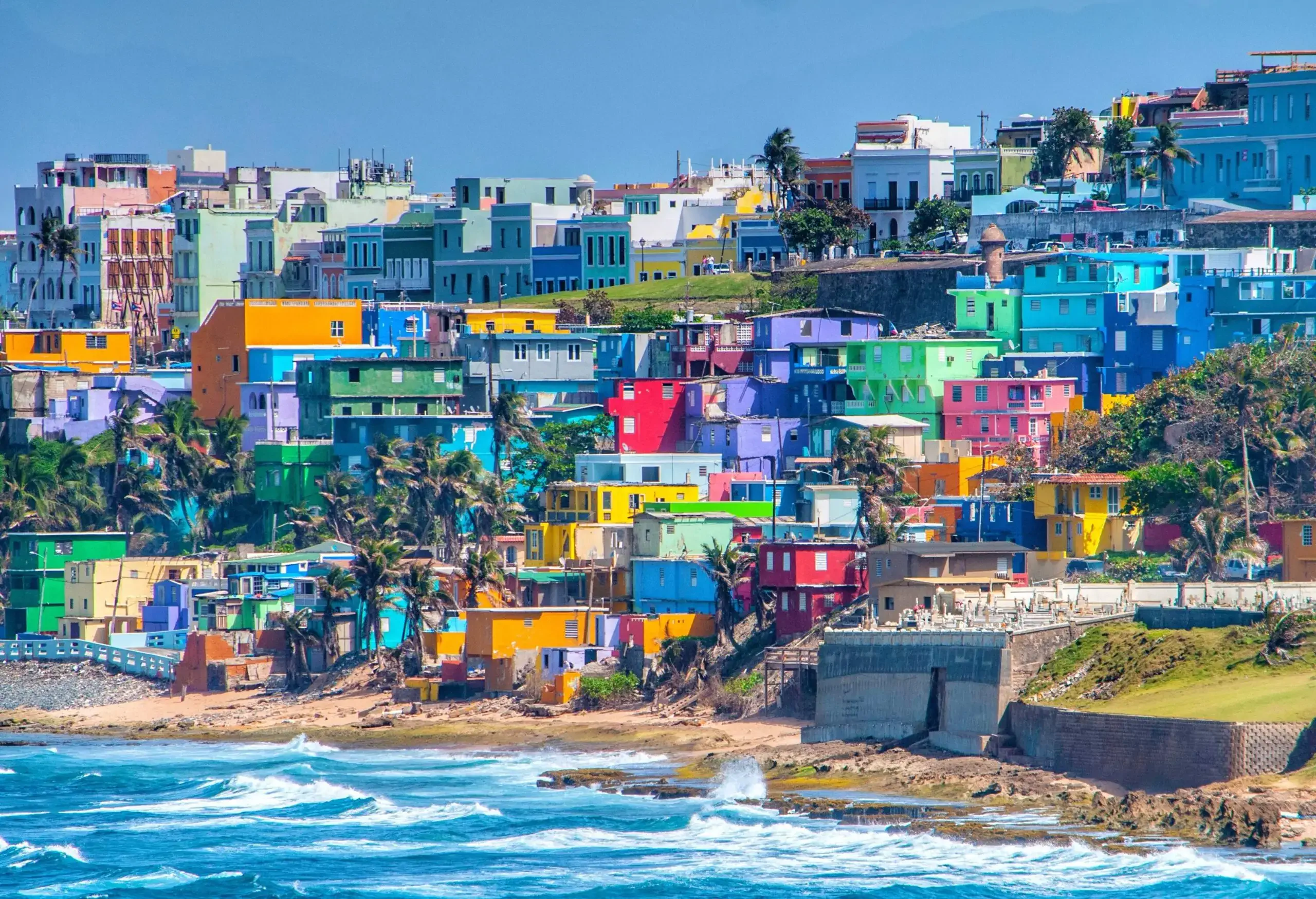
- Rich History and Culture: Step into Old San Juan, a UNESCO World Heritage site, and you’ll be transported back in time. Cobblestone streets, colorful colonial buildings, and imposing fortresses like El Morro and Castillo San Cristóbal tell tales of centuries past. The island’s vibrant culture is a fusion of Taíno, Spanish, and African influences, evident in its music, art, and festivals.
- Biodiverse Nature: Puerto Rico is home to the only tropical rainforest in the U.S. National Forest System, El Yunque National Forest. Here, you can hike through lush trails, discover hidden waterfalls, and marvel at the incredible biodiversity. Beyond the rainforest, the island boasts three of the world’s five bioluminescent bays, offering magical night kayaking experiences, particularly in Vieques.
- Delicious Cuisine: Puerto Rican food is a highlight for any visitor. Influenced by its diverse heritage, the cuisine features robust flavors. Don’t miss trying mofongo (fried plantains mashed with garlic and pork cracklings), lechón (roasted suckling pig), alcapurrias (fried fritters), and, of course, a refreshing piña colada (which was invented in Puerto Rico!).
- Warm Hospitality: Known as “La Isla del Encanto” (The Island of Enchantment), Puerto Rico lives up to its name with its incredibly warm and friendly locals who are eager to share their island’s beauty and culture.
Getting There and Getting Around
The primary gateway to Puerto Rico is Luis Muñoz Marín International Airport (SJU) in San Juan. Numerous direct flights connect SJU with major cities across the United States, making travel convenient. Several airlines, including American Airlines, Delta, JetBlue, Southwest, and United, offer regular service.
Once on the island, getting around depends on your itinerary.
- Rental Cars: For exploring beyond San Juan and reaching natural attractions like El Yunque or the surf towns of the west coast like Rincón, a rental car is highly recommended. Major rental agencies operate at SJU. Driving is on the right side of the road, similar to the mainland U.S..
- Taxis and Ride-sharing: Taxis are readily available at the airport and throughout San Juan. Ride-sharing apps like Uber are also popular and convenient for getting around the metropolitan area.
- Public Transportation: While limited outside of San Juan, the capital has a public bus system and a metropolitan train called the Tren Urbano. However, for tourism, these are generally less practical than taxis or rental cars.
- Ferries: To reach the smaller islands of Vieques and Culebra, you can take a ferry from Ceiba or opt for a short commuter flight from SJU or Isla Grande Airport (SIG).
Making the Most of Your Stay: Accommodation and Experiences
Puerto Rico offers a diverse range of accommodation options and unforgettable experiences to suit every taste and budget. Whether you’re seeking luxury resorts, charming boutique hotels, or authentic local stays, you’ll find the perfect base for your island adventure.
Choosing Your Puerto Rico Accommodation
Your choice of accommodation can significantly shape your travel experience. Puerto Rico provides a spectrum of choices, from opulent resorts to cozy apartments.
- Luxury Resorts: For those seeking an indulgent escape, areas like Dorado, Rio Grande, Condado, and Isla Verde are home to world-class resorts such as the Ritz-Carlton Reserve Dorado Beach or the St. Regis Bahia Beach Resort. These establishments often feature stunning suites, private villas, championship golf courses, exquisite spas, and an array of amenities designed for ultimate relaxation.
- Boutique Hotels: In Old San Juan and other charming towns, you’ll find beautifully restored boutique hotels that offer a more intimate and culturally immersive experience. Properties like Hotel El Convento in Old San Juan provide historical ambiance with modern comforts.
- Vacation Rentals (Apartments & Villas): For families, groups, or those desiring a longer stay, vacation rentals, including apartments and villas, are a popular choice. Websites like Airbnb and VRBO list numerous options across the island, from beachfront condos to mountain retreats, often offering more space and a kitchen for self-catering.
- Budget-Friendly Options: Travelers on a budget can find hostels, guesthouses, and smaller hotels, especially outside the main tourist hubs or in areas like Ocean Park in San Juan.
- Unique Stays: Consider eco-lodges near El Yunque or glamping experiences to truly connect with Puerto Rico’s natural beauty.
When booking your accommodation, consider factors like proximity to attractions, desired amenities (pool, beachfront access, dining), and reviews from previous guests to ensure it aligns with your travel style. Many online platforms allow for easy comparison and booking, with options for various long-term stay arrangements.
Must-See Landmarks and Activities
Puerto Rico is brimming with iconic landmarks and thrilling activities that promise memorable experiences.
- Explore Old San Juan: This historic capital is a must-visit. Wander through its colorful streets, visit the magnificent El Morro fortress, explore the San Juan Cathedral, and shop for local crafts. Don’t forget to pose by the vibrant doors and enjoy the lively atmosphere.
- Hike El Yunque National Forest: Immerse yourself in the only tropical rainforest in the U.S. National Forest System. Hike to waterfalls like La Mina or Juan Diego, enjoy panoramic views from Yokahú Tower, and listen for the unique call of the coquí frog.
- Kayak in a Bioluminescent Bay: Experience the magical glow of the water in one of Puerto Rico’s three bioluminescent bays – Mosquito Bay in Vieques (the brightest), Laguna Grande in Fajardo, or La Parguera in Lajas. This natural phenomenon is a truly unforgettable experience.
- Beach Hopping on Vieques or Culebra: Take a ferry or short flight to the offshore islands. Vieques is famous for Mosquito Bay and wild horses, while Culebra is home to the stunning Flamenco Beach.
- Discover Ponce: On the southern coast, Ponce, known as the “Pearl of the South,” offers a different historical perspective with its unique architecture, plazas, and the Museo de Arte de Ponce.
- Adventure Sports: For thrill-seekers, Puerto Rico offers ziplining (including the longest in the Americas at Toro Verde Adventure Park), surfing lessons in Rincón, caving in the Cueva Ventana or Camuy River Cave Park, and snorkeling or diving in its clear waters.
Embracing Local Culture and Cuisine
One of the most rewarding aspects of travel to Puerto Rico is the opportunity to fully embrace its vibrant local culture and savor its distinctive cuisine. The island’s lifestyle is deeply intertwined with its Taíno, Spanish, and African heritage, creating a unique and captivating atmosphere.
- Savoring the Flavors: Beyond mofongo, dive into other local specialties. Try pasteles (similar to tamales), empanadillas (savory turnovers), bacalaítos (cod fritters), and a variety of fresh seafood. For a truly authentic experience, visit a “chinchorro” (roadside food stall) for traditional snacks. Don’t forget to wash it down with fresh fruit juices or a locally brewed Medalla beer.
- Music and Dance: Music is the soul of Puerto Rico. You’ll hear everything from lively salsa and merengue to bomba and plena (traditional Puerto Rican music). Many restaurants and bars feature live music, especially in San Juan. Join in the dancing if you feel inspired – it’s a fantastic way to connect with the local spirit.
- Art and Crafts: Explore local markets and artisan shops for unique souvenirs. Look for santos (carved wooden saints), mundillo lace, vejigante masks (colorful masks worn during festivals), and local art. The San Juan National Historic Site also features cultural exhibitions.
- Festivals and Events: Depending on the time of year, you might be able to experience one of Puerto Rico’s many vibrant festivals. The San Sebastián Street Festival in January is legendary, and various towns host patron saint festivals throughout the year, offering a glimpse into traditional celebrations.
Engaging with the local culture means more than just observing; it means participating, trying new things, and appreciating the island’s unique rhythm.
Essential Travel Tips for a Smooth Trip
Even without the need for a passport, a well-planned trip to Puerto Rico requires some essential considerations to ensure a smooth and enjoyable experience.
Currency, Language, and Safety
- Currency: As a U.S. territory, the official currency is the U.S. dollar. Credit cards are widely accepted, and ATMs are readily available throughout the island.
- Language: The official languages are Spanish and English. While Spanish is the dominant language, especially outside of major tourist areas, English is widely understood and spoken in tourist-centric zones, hotels, and by many service professionals. Learning a few basic Spanish phrases, however, will be greatly appreciated by locals.
- Safety: Like any travel destination, it’s wise to be aware of your surroundings. Major tourist areas are generally safe, but exercise caution, especially at night. Keep valuables secure, avoid walking alone in poorly lit areas, and be mindful of petty crime. Always follow local advice and stay informed about current conditions. Emergency services (police, fire, ambulance) can be reached by dialing 911, just like in the mainland U.S..
Best Time to Visit and What to Pack
- Best Time to Visit: The dry season, from mid-December to May, is generally considered the best time to visit Puerto Rico. During these months, you’ll experience pleasant temperatures, lower humidity, and less rainfall, making it ideal for outdoor activities and beach days. The peak tourist season falls between December and February, so expect higher prices and larger crowds.
The wet season runs from June to November, with August to October being prime hurricane season. While you can still visit during these months and potentially find better deals, be prepared for more rain and keep an eye on weather forecasts. - What to Pack: Given the tropical climate, lightweight and breathable clothing is essential.
- Clothing: Swimsuits, shorts, t-shirts, sundresses, and light casual wear. A light jacket or sweater might be useful for air-conditioned interiors or cooler evenings in the mountains.
- Footwear: Comfortable walking shoes for exploring Old San Juan and flip-flops or sandals for the beach. If you plan to hike El Yunque, waterproof hiking sandals or shoes are a good idea.
- Essentials: Sunscreen (reef-safe if you’re swimming), insect repellent (especially for evenings and rainforest visits), a wide-brimmed hat, sunglasses, and a reusable water bottle.
- Rain Gear: A light rain jacket or umbrella can be handy, especially if traveling during the wet season.
- Documentation: Your valid TSA-compliant ID, copies of your accommodation bookings, flight details, and any tour reservations.
In summary, a trip to Puerto Rico offers an incredibly enriching travel experience with the added convenience of domestic travel for U.S. citizens. While you can leave your passport at home (unless you prefer to carry it as primary ID), a valid government-issued ID is indispensable. With its captivating history, stunning natural beauty, vibrant culture, and mouth-watering cuisine, Puerto Rico promises an unforgettable adventure for every type of traveler. Start planning your escape to “La Isla del Encanto” today!
LifeOutOfTheBox is a participant in the Amazon Services LLC Associates Program, an affiliate advertising program designed to provide a means for sites to earn advertising fees by advertising and linking to Amazon.com. Amazon, the Amazon logo, AmazonSupply, and the AmazonSupply logo are trademarks of Amazon.com, Inc. or its affiliates. As an Amazon Associate we earn affiliate commissions from qualifying purchases.