
Dreaming of golden beaches, lush volcanic landscapes, and the enchanting Aloha spirit? For many, Hawaii represents the ultimate tropical escape, a paradise where emerald mountains meet the turquoise Pacific. However, before you start packing your swimsuits and planning your lei greetings, a fundamental question often arises: Do I need a passport to fly to Hawaii? The simple answer, for the vast majority of travelers, depends entirely on your citizenship.
For citizens of the United States, the answer is a resounding no. Hawaii is the 50th state of the United States, and travel between any U.S. state or territory is considered domestic travel. This means that, just as you wouldn’t need a passport to fly from New York to California, you also won’t need one to fly from the mainland U.S. to Hawaii. This fundamental distinction simplifies travel logistics for millions of Americans, making the journey to this Pacific gem as straightforward as any other domestic trip. However, while a passport isn’t required for U.S. citizens, other forms of identification are absolutely essential for air travel.
The Simple Answer for U.S. Citizens
As an integral part of the United States, Hawaii falls under domestic travel regulations. This means that for U.S. citizens, a passport is not a necessary document when flying to or from the Hawaiian Islands. This extends not only to the 50 states but also to other U.S. territories such as Puerto Rico, the U.S. Virgin Islands, Guam, American Samoa, and the Northern Mariana Islands. The lack of passport requirement significantly streamlines travel planning for many, allowing them to focus more on itinerary building and less on intricate international travel documentation.
Understanding Domestic Travel Requirements
While a passport isn’t required, you will still need a valid form of identification accepted by the Transportation Security Administration (TSA) to board your flight. The most commonly used and accepted form of ID for domestic flights is a state-issued driver’s license or a state identification card. It’s crucial that this ID is current and unexpired. Other acceptable forms of identification include:
- Federal PIV card
- DOD ID card
- Permanent resident card
- Border Crossing Card
- Tribal photo ID
- HSPD-12 PIV card
- Airline or airport-issued ID
- U.S. Merchant Mariner Credential
- Canadian provincial driver’s license or Indian and Northern Affairs Canada card
- Transportation worker identification credential (TWIC)
- Foreign government-issued passport (even though not required for U.S. citizens to Hawaii, it is an acceptable form of ID)
It’s always a good idea to check the official TSA website for the most up-to-date list of acceptable IDs before your trip, as requirements can occasionally change. For children under 18 traveling with an adult, the TSA generally does not require them to present identification, but accompanying adults should have their own valid ID.
The REAL ID Act and What It Means for You
An important consideration for all domestic air travelers, including those heading to Hawaii, is the REAL ID Act. Enacted after September 11, 2001, the REAL ID Act establishes minimum security standards for state-issued driver’s licenses and identification cards and prohibits federal agencies from accepting for certain purposes driver’s licenses and identification cards from states that do not meet these standards.
As of May 7, 2025 (previously delayed multiple times), every air traveler 18 years of age and older will need a REAL ID-compliant driver’s license or state ID card, or another acceptable form of identification, for domestic air travel. A REAL ID-compliant card is typically marked with a star in the upper right-hand corner. If your state-issued driver’s license or ID card is not REAL ID-compliant by the enforcement date, you will need to present an alternative acceptable form of identification, such as a passport, to board your flight. So, while a passport isn’t required for U.S. citizens flying to Hawaii, having one can serve as a convenient backup if your state-issued ID is not REAL ID-compliant. Don’t wait until the last minute to check your ID’s compliance status!
What Non-U.S. Citizens Need to Know
While U.S. citizens enjoy the convenience of domestic travel to Hawaii without a passport, the rules are distinctly different for international travelers. For anyone who is not a U.S. citizen or lawful permanent resident, a passport is absolutely essential to fly to Hawaii, as it is to enter any other part of the United States.
International Travel Documentation
If you are an international visitor planning a trip to Hawaii, you will need:
- A Valid Passport: Your passport must be valid for at least six months beyond your intended period of stay in the United States. This is a standard international travel requirement for most countries.
- A U.S. Visa (or ESTA): Depending on your country of citizenship, you will either need a U.S. visa or qualify for entry under the Visa Waiver Program (VWP) using an approved ESTA (Electronic System for Travel Authorization).
Travelers from countries like Canada and Mexico may have specific agreements for entry that differ slightly, so it’s always best to check the latest requirements from the U.S. Department of State or a U.S. embassy or consulate in your home country.
Visa Requirements and ESTA
The process for obtaining a U.S. visa can be lengthy, involving an application, interviews at a U.S. embassy or consulate, and various supporting documents. Visa types vary depending on the purpose of your visit (e.g., tourism, business, study).
However, many visitors from specific countries are eligible for the Visa Waiver Program (VWP). The VWP allows citizens of participating countries to travel to the United States for tourism or business for stays of 90 days or less without obtaining a visa. Instead, these travelers must obtain an approved ESTA (Electronic System for Travel Authorization) prior to their travel. The ESTA application is typically completed online and usually processed within minutes, though it’s recommended to apply at least 72 hours before your flight. An approved ESTA is valid for two years or until your passport expires, whichever comes first, and allows for multiple entries into the U.S..
Regardless of whether you need a visa or an ESTA, your valid passport is the foundational document for international entry into the United States, and by extension, Hawaii. Ensure all your travel documents are in order well in advance of your departure date to avoid any last-minute complications.
Beyond Documents: Planning Your Hawaiian Escape
Once you’ve sorted out your identification and travel documents, the exciting part begins: planning your actual Hawaiian getaway! Hawaii offers a myriad of experiences, from the bustling city life of Honolulu to the serene, untouched beauty of Kauai’s Na Pali Coast. Understanding the logistics of getting there and moving between islands will enhance your trip significantly.
Getting There: Flights and Airports
Most international and trans-pacific flights to Hawaii arrive at Daniel K. Inouye International Airport (HNL) in Honolulu, located on the island of Oahu. HNL serves as the primary gateway to the state and offers numerous direct flights from major cities across the U.S. mainland, Asia, and the Pacific.
However, several other islands also have international or major domestic airports that can serve as your point of entry, potentially saving you an inter-island flight upon arrival. These include:
- Kahului Airport (OGG) on Maui: A popular choice for those heading directly to Maui’s renowned resorts and attractions.
- Kona International Airport (KOA) and Hilo International Airport (ITO) on the Big Island of Hawaii: KOA on the west side is closer to the resort areas, while ITO on the east provides easier access to Hawaii Volcanoes National Park.
- Lihue Airport (LIH) on Kauai: The main entry point for the Garden Isle’s stunning natural beauty.
Booking your flights well in advance, especially during peak travel seasons (winter, spring break, summer), is highly recommended to secure better fares and preferred timings. Consider flying mid-week for potentially lower prices and fewer crowds.
Inter-Island Travel Considerations
Many visitors dream of island hopping to experience the diverse character of Hawaii’s islands. While each island offers its unique charm, getting between them typically requires a short flight. There are no regular passenger ferry services between the major islands, except for a ferry between Maui and Lanai, and sometimes Molokai.
Hawaiian Airlines and Southwest Airlines are the primary carriers for inter-island flights, offering frequent connections throughout the day. Flights are usually quick, often lasting only 20-40 minutes. When planning inter-island travel:
- Book in Advance: Especially if you have a tight schedule or are traveling during busy periods.
- Allow Ample Connection Time: While flights are short, factor in time for check-in, security, and potential delays when connecting between international/mainland flights and inter-island segments.
- Baggage Policies: Be aware of baggage fees, which typically apply to inter-island flights, even if your international flight included free checked bags.
- Smaller Aircraft: Some routes, especially to smaller islands like Molokai or Lanai, might use smaller propeller planes, which offer a unique aerial perspective of the islands.
Inter-island travel is an integral part of experiencing the full breadth of what Hawaii has to offer, from the vibrant surf culture of Oahu to the romantic allure of Maui, the rugged splendor of the Big Island, and the lush tranquility of Kauai.
Why Hawaii Remains a Dream Destination
Beyond the practicalities of travel documents and logistics, the enduring appeal of Hawaii lies in its unparalleled natural beauty, rich culture, and diverse array of experiences. It’s a destination that caters to every type of traveler, whether you’re seeking adventurous hikes, serene beach days, luxurious pampering, or a deep dive into local traditions.
Exploring Hawaii’s Diverse Islands and Attractions
Each of Hawaii’s main islands boasts a distinct personality and a wealth of attractions:
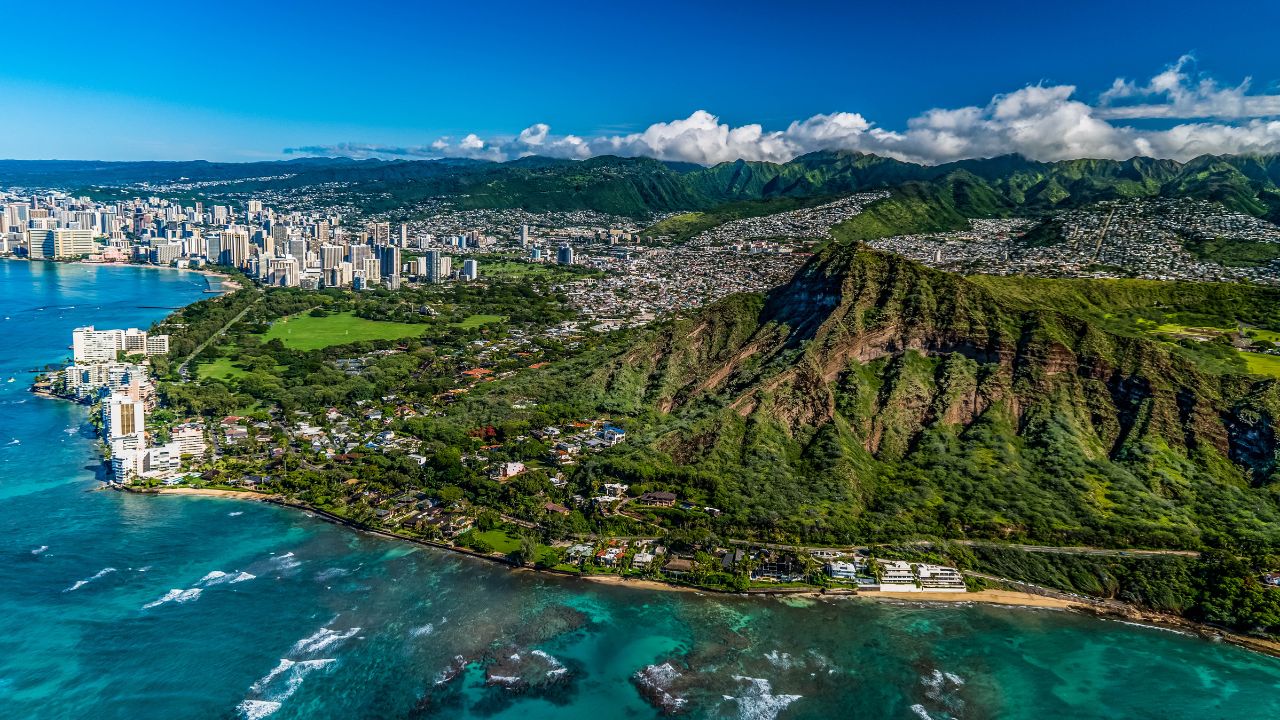
- Oahu: The Gathering Place – Home to the iconic Waikiki Beach, historic Pearl Harbor, and the majestic Diamond Head crater. It perfectly blends cosmopolitan amenities with breathtaking natural wonders. Enjoy surfing lessons, explore vibrant Honolulu nightlife, or venture to the North Shore for world-class waves.
- Maui: The Valley Isle – Famous for its stunning scenic drives, particularly the Road to Hana, and the mystical sunrise views from the summit of Haleakala National Park. Maui offers luxurious resorts in areas like Wailea and Ka’anapali, fantastic snorkeling, and opportunities for whale watching (in season).
- Kauai: The Garden Isle – Characterized by its dramatic cliffs of the Na Pali Coast, the sprawling Waimea Canyon (often called the “Grand Canyon of the Pacific”), and lush rainforests. Kauai is a haven for hikers, kayakers, and nature lovers seeking unspoiled beauty.
- Big Island: Volcanic Wonders – The youngest and largest island, home to Hawaii Volcanoes National Park, where you might witness active lava flows. Its diverse landscape ranges from black sand beaches to snow-capped mountains and coffee plantations in Kona.
- Lanai and Molokai: Secluded Gems – For those seeking a more exclusive or authentic Hawaiian experience, these smaller islands offer tranquility, untouched landscapes, and a deeper connection to traditional Hawaiian culture.
Whether your interest lies in snorkeling alongside vibrant marine life, learning to surf, exploring ancient Hawaiian sites, or simply unwinding on a pristine beach, Hawaii has an adventure waiting for you.
Accommodation Choices: From Luxury Resorts to Quaint Stays
Hawaii’s accommodation landscape is as varied as its scenery, catering to every budget and travel style. From opulent, world-renowned resorts to charming boutique hotels, cozy vacation rentals, and budget-friendly hostels, you’ll find the perfect place to lay your head after a day of exploration.
Luxury Resorts: For those seeking indulgence, Hawaii is home to some of the most spectacular resorts in the world. On Maui, areas like Wailea and Ka’anapali boast properties like the Four Seasons Resort Maui at Wailea, the Grand Wailea, A Waldorf Astoria Resort, and the Hyatt Regency Maui Resort and Spa, offering unparalleled amenities, fine dining, and stunning oceanfront access. On Oahu, Waikiki is lined with iconic hotels such as the Royal Hawaiian Hotel (the “Pink Palace of the Pacific”) and the historic Moana Surfrider, A Westin Resort & Spa. For family-friendly luxury, Aulani, A Disney Resort & Spa in Ko Olina provides a magical experience. Kauai offers exclusive stays at the Princeville Resort Kauai, known for its dramatic cliffside views.
Boutique Hotels & Vacation Rentals: For a more personalized experience, boutique hotels and private vacation rentals (villas, apartments) are abundant. These options often provide a deeper immersion into local culture and offer amenities like full kitchens, ideal for longer stays or family trips. Websites like VRBO and Airbnb are popular platforms for finding such accommodations.

Budget-Friendly Options: Traveling on a budget doesn’t mean sacrificing the Hawaiian dream. Hostels, smaller independent hotels, and guesthouses can be found, particularly in larger towns and cities like Honolulu. Camping is also an option in designated parks for the truly adventurous, offering an unparalleled connection with nature.
When choosing accommodation, consider the lifestyle you envision for your trip: whether it’s a bustling resort experience, a quiet beachfront bungalow, or a central hub for urban exploration. Booking directly with the hotel or through reputable travel sites is always recommended.
Embracing the Aloha Spirit
Beyond the physical beauty and diverse accommodations, a trip to Hawaii is truly defined by its unique culture and the profound “Aloha Spirit.” This isn’t just a greeting; it’s a way of life that encompasses love, peace, compassion, and mutual understanding. Embracing this spirit means showing respect for the land (aina), the ocean (kai), and the local people.
- Respect Local Customs: Learn a few Hawaiian phrases, be mindful of sacred sites, and always ask permission before entering private property or sensitive natural areas.
- Support Local Businesses: Choose local restaurants, shops, and tour operators to contribute directly to the Hawaiian economy and experience authentic flavors and crafts.
- Practice Malama Aina (Care for the Land): Be a responsible traveler by minimizing your environmental footprint, packing out what you pack in, and participating in conservation efforts if opportunities arise.
- Engage with Culture: Attend a traditional luau, visit a historical museum, or take a hula lesson to gain a deeper appreciation for the islands’ rich heritage.
In conclusion, for U.S. citizens, a passport is not required for your journey to Hawaii, but a valid REAL ID-compliant identification is essential. For international visitors, a valid passport and either a U.S. visa or an approved ESTA are non-negotiable. Once these practicalities are handled, you’re free to immerse yourself in the unparalleled beauty, vibrant culture, and warm hospitality that make Hawaii one of the world’s most cherished travel destinations. Pack your bags, prepare your documents, and get ready to say “Aloha” to an unforgettable adventure!
LifeOutOfTheBox is a participant in the Amazon Services LLC Associates Program, an affiliate advertising program designed to provide a means for sites to earn advertising fees by advertising and linking to Amazon.com. Amazon, the Amazon logo, AmazonSupply, and the AmazonSupply logo are trademarks of Amazon.com, Inc. or its affiliates. As an Amazon Associate we earn affiliate commissions from qualifying purchases.