Planning an escape to the sun-drenched beaches and vibrant culture of the Caribbean is always an exciting prospect. Among the myriad of enticing destinations, Puerto Rico stands out as a jewel, boasting a unique blend of historical charm, natural beauty, and modern amenities. However, before you start packing your bags and dreaming of mofongo and salsa dancing, a crucial question often arises for travelers: “Do I need a passport to go to Puerto Rico?” For citizens of the United States, the answer is a resounding no. This makes Puerto Rico an exceptionally convenient and appealing choice for those seeking an international flavor without the hassle of passport applications or the need for currency exchange. This guide will delve into the specifics of travel documentation for Puerto Rico, explore why it’s considered domestic travel for U.S. citizens, and then dive into the myriad of experiences that await you on this captivating island, from its luxurious resorts and charming boutique stays to its rich historical landmarks and exhilarating natural wonders.
Understanding Puerto Rico’s Unique Status
The relationship between Puerto Rico and the United States is a fascinating and often misunderstood one, directly impacting travel requirements. Understanding this unique status is key to appreciating why a passport is not mandatory for U.S. citizens.
The Commonwealth Connection
Puerto Rico is an unincorporated territory of the United States, officially known as the Commonwealth of Puerto Rico. This means that while its residents are U.S. citizens, they do not have full representation in the U.S. Congress and do not vote in presidential elections. However, they share a common citizenship, currency (the U.S. dollar), and postal system with the mainland. This political relationship dates back to 1898, when Puerto Rico became a U.S. territory following the Spanish-American War. In 1917, the Jones-Shafroth Act granted Puerto Ricans U.S. citizenship, effectively integrating them into the United States without making the island a state.
From a travel perspective, this “Commonwealth” status means that flights between the continental United States and Puerto Rico are considered domestic flights. There are no customs or immigration checks when traveling between the two, mirroring the experience of flying from New York to California. This unique arrangement allows U.S. citizens to experience a truly distinctive Caribbean culture without the complexities typically associated with international travel. It removes barriers, making spontaneous trips or quick getaways much more feasible for millions of Americans who might not have an updated passport.
Travel Requirements for U.S. Citizens
For U.S. citizens traveling directly from the mainland United States to Puerto Rico, a passport is not required. Instead, you will need a valid government-issued photo identification, just as you would for any domestic flight. Acceptable forms of ID include:
- A REAL ID-compliant state driver’s license or other state photo identity card: As of May 7, 2025, the Transportation Security Administration (TSA) will require travelers 18 years and older to present a REAL ID-compliant driver’s license or other acceptable form of ID to fly within the United States. Ensure your ID has the star emblem indicating REAL ID compliance.
- A U.S. military ID: For service members and their dependents.
- A permanent resident card: For lawful permanent residents.
- A U.S. passport or passport card: While not required, these are always valid forms of identification for domestic travel.
- A federally recognized tribal-issued photo ID.
- Other acceptable IDs listed on the TSA website: These can include trusted traveler cards like Global Entry or NEXUS.
It is crucial to ensure your chosen identification is valid and up-to-date. While you might not need a passport for entry into Puerto Rico, having one can be a convenient alternative for ID purposes and is certainly useful if your travel plans might unexpectedly extend beyond U.S. territory in the future. Always double-check the latest TSA guidelines before your trip to avoid any last-minute surprises at the airport.
Requirements for International Travelers
While U.S. citizens enjoy passport-free travel to Puerto Rico, the rules are different for international visitors. Non-U.S. citizens traveling to Puerto Rico are subject to the same entry requirements as if they were traveling to the continental United States. This means they will need:
- A valid passport: This is a universal requirement for international travel.
- A U.S. visa: Depending on their country of origin, international travelers may need a valid U.S. visa. The type of visa will depend on the purpose of their visit (tourism, business, etc.).
- ESTA (Electronic System for Travel Authorization): Travelers from countries participating in the Visa Waiver Program (VWP) can enter the United States for tourism or business for up to 90 days without a visa, provided they obtain an approved ESTA prior to their departure.
It is highly recommended for international travelers to check the official U.S. Department of State website or consult with their local embassy or consulate well in advance of their planned trip to confirm specific entry requirements, as these can vary and are subject to change.
Planning Your Trip to the Enchanting Island
With the passport question settled for U.S. citizens, you can now focus on the exciting aspects of trip planning. Puerto Rico offers a diverse range of experiences, from bustling city life to serene natural escapes, making proper planning essential for maximizing your enjoyment.
Getting There: Flights and Airports
The primary gateway to Puerto Rico is Luis Muñoz Marín International Airport (SJU), conveniently located in Carolina, just minutes from the capital city of San Juan. This modern airport offers direct flights from numerous major cities across the United States, including New York, Miami, Orlando, Chicago, and Dallas, serviced by major carriers like American Airlines, Delta, United, Southwest, and JetBlue. The ease of access makes Puerto Rico an ideal destination for both short getaways and longer vacations.
For travelers looking to explore the smaller, enchanting islands off the coast of mainland Puerto Rico, such as Vieques and Culebra, inter-island flights or ferry services are available. Antonio Rivera Rodríguez Airport (VQS) in Vieques and Benjamin Rivera Noriega Airport (CPX) in Culebra handle small propeller planes, offering quick connections from SJU or regional airports like Fernando Luis Ribas Dominicci Airport (SIG) in San Juan. Ferry services, departing primarily from Ceiba, provide a more budget-friendly and scenic option for reaching these stunning offshore havens.
Choosing Your Accommodation
Puerto Rico boasts an impressive array of accommodation options to suit every taste and budget, from luxurious beachfront resorts to charming guesthouses and private villas. When planning your stay, consider the type of experience you’re seeking:
- For city vibrancy and historical immersion: Stay in Old San Juan or the modern neighborhoods of Condado and Isla Verde. Here, you’ll find a mix of luxury hotels like the Condado Vanderbilt Hotel or the Caribe Hilton, alongside boutique hotels and stylish apartments for rent. These areas offer easy access to dining, nightlife, and cultural attractions.
- For relaxation and pristine beaches: Head to the eastern coast around Fajardo or the southwest near Luquillo. Here, larger resorts often feature expansive amenities, including golf courses and spas. The small islands of Vieques and Culebra offer more secluded, rustic accommodation often closer to nature.
- For surfing and bohemian vibes: The western town of Rincón is a popular choice, known for its surf breaks and laid-back atmosphere. Here, you’ll find numerous guesthouses, surf lodges, and villas that cater to a more independent travel style.
- For a taste of traditional Puerto Rican life: Consider staying in less tourist-heavy towns such as Ponce on the south coast, where you can find charming family-run hotels or bed-and-breakfasts, providing a deeper dive into local culture.
When booking, leverage online travel agencies for price comparison, but also check direct hotel websites for exclusive deals or packages. Reading reviews from other travelers can provide valuable insights into location, service quality, and overall experience, helping you make an informed decision for your ideal Puerto Rico getaway. For longer stays, consider apartments or villas that offer kitchen facilities, which can be a budget-friendly option for families or groups.
Discovering Puerto Rico’s Rich Culture and Attractions
Puerto Rico is an island of captivating contrasts, where ancient history meets vibrant modernity and lush rainforests give way to sun-kissed beaches. Its blend of Spanish, African, and Taíno influences has created a unique cultural tapestry that is evident in its cuisine, music, and architecture.
Must-Visit Landmarks and Historical Sites
The island’s history is deeply etched into its landmarks, particularly in Old San Juan, a UNESCO World Heritage Site. A stroll through its cobblestone streets lined with colorful colonial buildings is like stepping back in time.
- El Morro and Castillo de San Cristóbal: These two magnificent Spanish fortresses, officially known as Castillo San Felipe del Morro and Castillo de San Cristóbal, are iconic symbols of Puerto Rico’s military past. Built by the Spanish to defend against sea invasions, their imposing walls and strategic locations offer breathtaking views of the ocean and the city. Exploring their ramparts, dungeons, and sentry boxes provides a fascinating glimpse into centuries of colonial history.
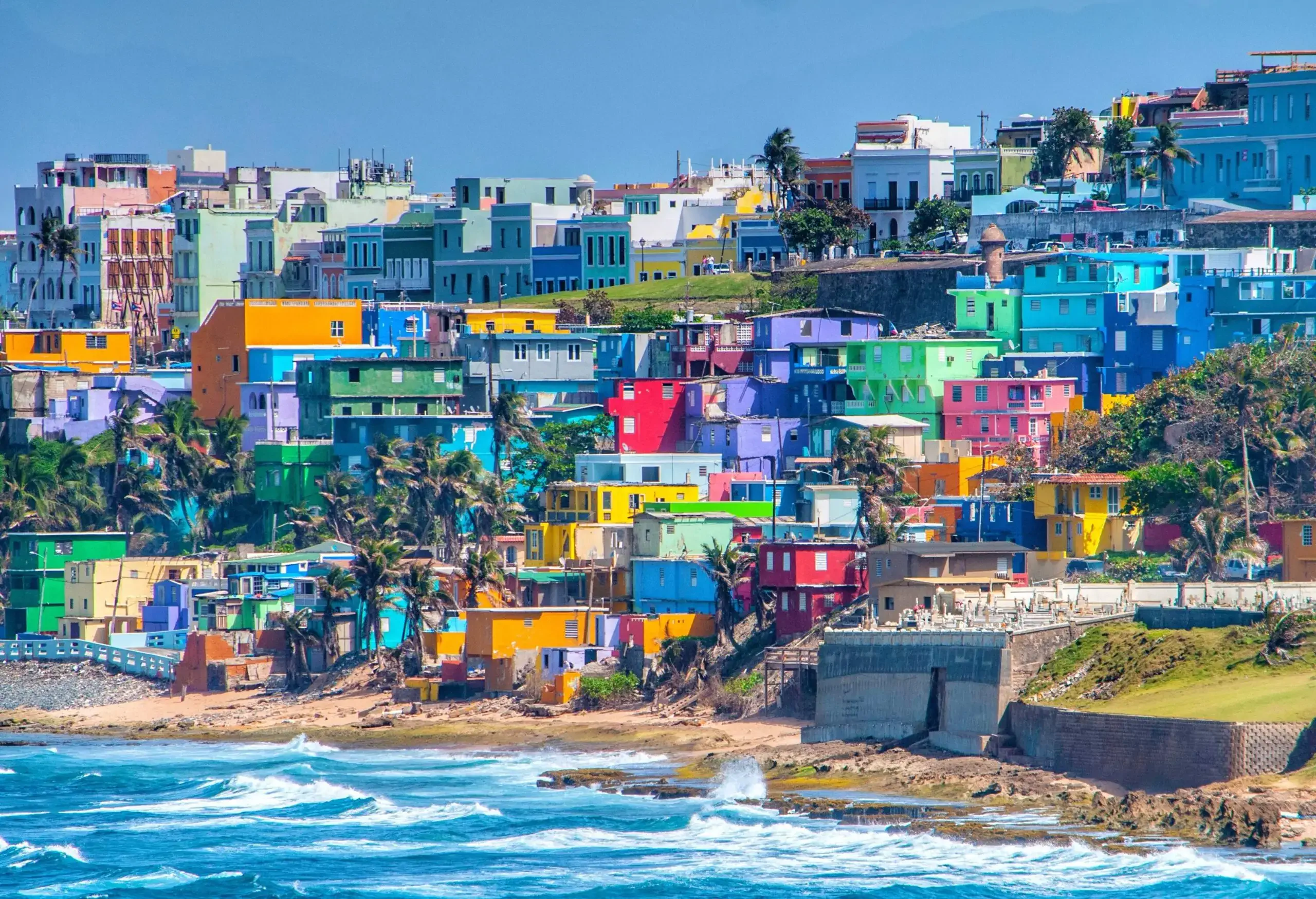
- Old San Juan Architecture: Beyond the forts, the entire district of Old San Juan is a living museum. Admire the pastel-colored houses with their wrought-iron balconies, visit the historic San Juan Bautista Cathedral (the oldest cathedral in the U.S.), and wander through Plaza de Armas or Plaza Colón.
- Ponce: Known as the “Pearl of the South,” Ponce offers a different architectural style, often referred to as “Ponce Creole.” Its historic center is home to the stunning Parque de Bombas (old firehouse) and the Museo de Arte de Ponce, which houses an impressive collection of European and Puerto Rican art.
Natural Wonders and Outdoor Adventures
Puerto Rico’s natural landscape is incredibly diverse, offering thrilling adventures for every type of outdoor enthusiast.
- El Yunque National Forest: The only tropical rainforest in the U.S. National Forest System, El Yunque is a lush paradise of towering trees, cascading waterfalls, and unique wildlife, including the coqui frog. Hiking trails range from easy walks to challenging climbs, leading to refreshing swimming holes and panoramic vistas.
- Bioluminescent Bays: Experience the magic of Puerto Rico’s bioluminescent bays, where microscopic organisms light up the water with a stunning glow at night. There are three major “bio bays”: Mosquito Bay in Vieques (considered one of the brightest in the world), Laguna Grande in Fajardo, and La Parguera in Lajas. Kayaking or boat tours are popular ways to witness this natural phenomenon.
- Beaches: From the famed white sands of Flamenco Beach in Culebra to the vibrant Luquillo Beach on the mainland, Puerto Rico boasts some of the world’s most beautiful coastlines. Surfing enthusiasts flock to Rincón for its legendary waves, while snorkelers and divers can explore vibrant coral reefs in crystal-clear waters.
- Cave Systems: Delve into the subterranean world of the Río Camuy Cave Park (check for reopening status as it’s been closed for renovations) or the Cueva Ventana, which offers incredible views from its “window cave” overlooking the Río Grande de Arecibo valley.
Indulging in Local Cuisine and Lifestyle
Puerto Rican cuisine is a delicious fusion of flavors, often referred to as “Cocina Criolla.” It’s hearty, flavorful, and a must-try for any visitor.
- Food: Don’t leave without trying mofongo, a savory dish made from fried plantains mashed with garlic, olive oil, and pork cracklings, often filled with shrimp, chicken, or beef. Other staples include lechon (roasted pork), arroz con gandules (rice with pigeon peas), pasteles (tamale-like parcels), and empanadillas (savory turnovers). For a sweet treat, try tembleque (coconut pudding) or flan.
- Drink: Puerto Rico is famous for its rum. Take a tour of the Bacardí Distillery near San Juan to learn about the rum-making process and enjoy a tasting. The national drink is the piña colada, which legend says was invented on the island.
- Music and Festivals: Music is the soul of Puerto Rico. You’ll hear salsa, plena, and bomba rhythms everywhere. Experience local festivals like the San Sebastián Street Festival in Old San Juan (typically in January) for an explosion of music, dance, food, and artistry.
- Shopping: Beyond souvenir shops, explore the artisan markets for unique handcrafted items, local art, and traditional musical instruments. The boutiques in Old San Juan offer everything from high-end fashion to local designers.
Essential Travel Tips for a Seamless Puerto Rican Experience
To ensure your trip to Puerto Rico is as smooth and enjoyable as possible, keep a few practical tips in mind.
Currency and Language
One of the greatest conveniences for U.S. citizens traveling to Puerto Rico is the shared currency: the U.S. dollar. There’s no need for currency exchange, making transactions straightforward. Credit cards are widely accepted in most establishments, and ATMs are readily available.
Spanish is the official language of Puerto Rico, but English is also an official language and is widely spoken, especially in tourist areas like San Juan, Condado, and Isla Verde, as well as within the hospitality industry across the island. Learning a few basic Spanish phrases (“hola,” “gracias,” “por favor,” “perdón”) will always be appreciated by locals and can enhance your cultural experience.
Getting Around
Renting a car is highly recommended if you plan to explore beyond San Juan. This gives you the freedom to discover hidden beaches, small towns, and natural attractions at your own pace. Major car rental agencies operate out of Luis Muñoz Marín International Airport (SJU). Roads are generally well-maintained, though signage can sometimes be in Spanish only.
Within San Juan and other major towns, taxis are plentiful. Ride-sharing services like Uber and Lyft are also available, particularly in the metropolitan area. The public bus system (AMA) serves San Juan and surrounding areas, offering an affordable option, though it might not be the most time-efficient for tourists.
Health and Safety
Like any travel destination, it’s wise to practice general safety precautions in Puerto Rico. Be aware of your surroundings, avoid walking alone at night in unfamiliar areas, and keep valuables out of sight. The island’s emergency services are reliable, using the 911 system.
Protect yourself from the strong tropical sun with sunscreen, hats, and sunglasses, especially when spending extended time at the beach or outdoors. Stay hydrated by drinking plenty of water. Mosquitoes can be present, particularly in rural or forested areas, so consider using insect repellent. No specific vaccinations are typically required for travel to Puerto Rico from the U.S., but it’s always good to consult your doctor about any routine vaccinations.
Best Time to Visit
The peak tourist season in Puerto Rico is generally from December to April, characterized by cooler, drier weather and lower humidity. This is an ideal time to visit for beach activities and outdoor excursions.
The off-peak season, from May to November, brings warmer temperatures, higher humidity, and the possibility of rain, which aligns with hurricane season in the Caribbean. While hurricanes are a possibility, they are not a daily occurrence, and traveling during this time often means fewer crowds and lower prices on flights and accommodations. Always keep an eye on weather forecasts if traveling during hurricane season.
In conclusion, for U.S. citizens, the ease of traveling to Puerto Rico without a passport makes it an incredibly accessible and attractive destination. This beautiful island offers a wealth of experiences, from exploring ancient forts and vibrant city streets to hiking through lush rainforests and relaxing on stunning beaches. With its rich history, delectable cuisine, and warm hospitality, Puerto Rico promises an unforgettable Caribbean adventure that feels both exotic and comfortably familiar. So go ahead, pack your bags, grab your driver’s license, and get ready to discover the enchantment of “La Isla del Encanto.”